May 18, 2026

Month: September 2025

Exploring crypto company ka reveals a complex and dynamic sector that is redefining financial transactions and investment strategies. From blockchain technology to regulatory frameworks, crypto companies play a pivotal role in the modern economy, offering innovative services that cater to a diverse range of users.

These companies encompass a variety of entities, including exchanges, wallet providers, and blockchain developers, each contributing uniquely to the broader financial ecosystem. As the market evolves, understanding these companies is crucial for anyone interested in the future of finance.

Overview of Crypto Companies

The rise of cryptocurrency has led to the emergence of various crypto companies that operate in different capacities within the financial ecosystem. Crypto companies are businesses that utilize blockchain technology to offer services related to digital currencies, such as trading, investing, and secure transactions. They encompass a wide range of operations, from cryptocurrency exchanges to wallet providers and blockchain technology developers.

Types of Crypto Companies

In the evolving landscape of cryptocurrencies, several types of companies have emerged, each with distinct roles. Understanding these categories is vital for anyone interested in the crypto market.

  • Cryptocurrency Exchanges: Platforms that facilitate the buying, selling, and trading of cryptocurrencies. Examples include Binance and Coinbase.
  • Wallet Providers: Companies that offer digital wallets for storing cryptocurrencies securely, such as Ledger and Trezor.
  • Blockchain Developers: Firms focused on creating blockchain solutions for various applications, enhancing operational efficiency across industries.
  • Payment Processors: Services that enable businesses to accept cryptocurrency payments, like BitPay and CoinGate.
  • Mining Companies: Organizations that provide the infrastructure and resources for cryptocurrency mining, contributing to network security and transaction processing.

These companies play a significant role in integrating cryptocurrencies into the broader financial ecosystem, promoting innovation and financial inclusivity.

Services Offered by Crypto Companies

Cryptocurrency Exchange App 3d Illustration 13391043 PNG

Crypto companies provide a wide array of services that cater to the needs of both individual users and institutional clients. The services offered are essential for fostering a robust crypto economy.

Range of Services

The variety of services provided by crypto companies can significantly influence user experience and adoption rates. Key services include:

  • Trading Services: Enabling users to buy or sell cryptocurrencies through exchanges with various trading pairs and market conditions.
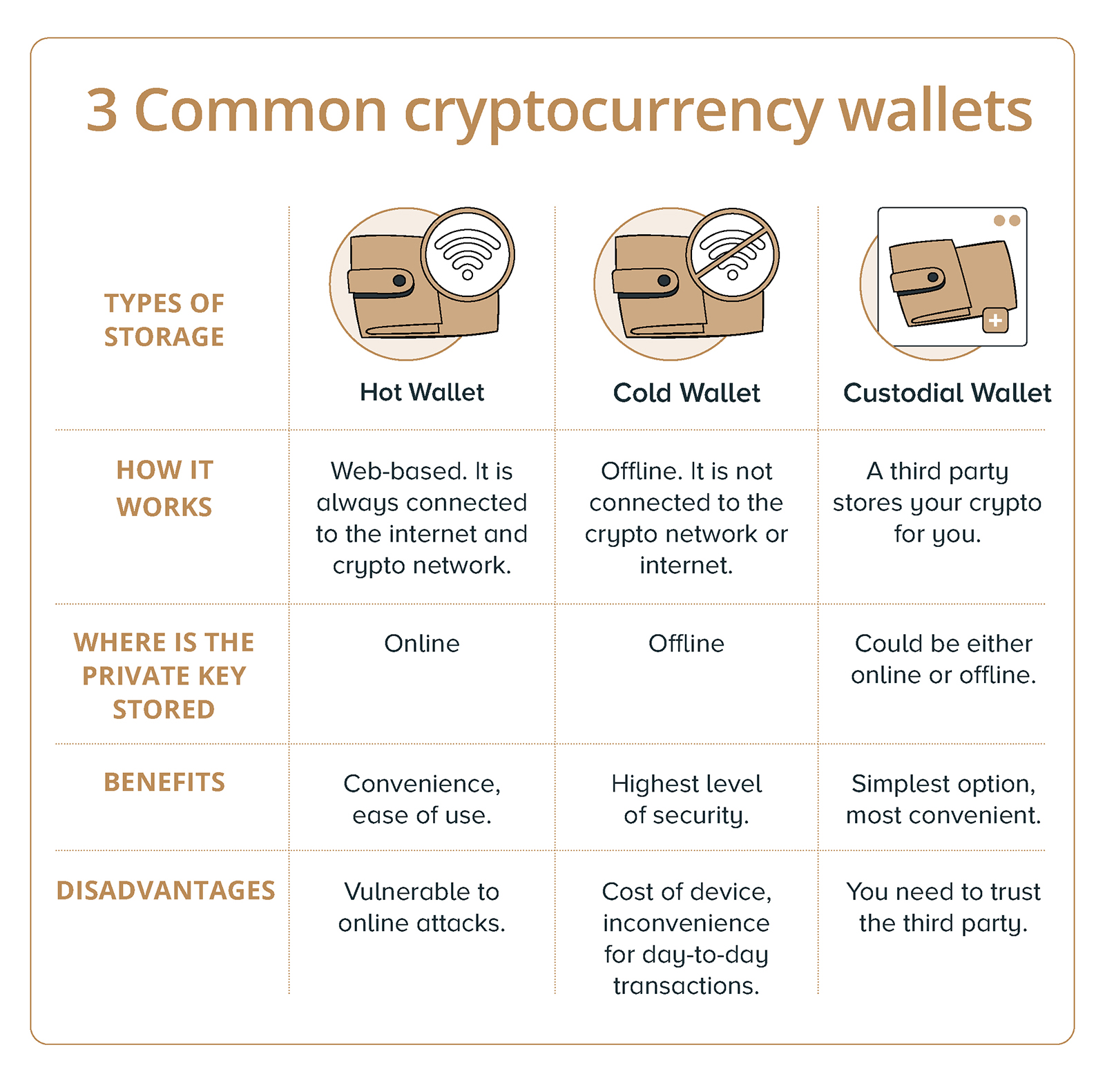
  • Storage Solutions: Offering secure wallets for safeguarding digital assets, with options such as hardware and software wallets.
  • Educational Resources: Providing tutorials, webinars, and articles to help users understand cryptocurrencies and their market dynamics.
  • API Services: Allowing third-party developers to integrate crypto functionalities into their applications or platforms.
  • Staking and Lending: Opportunities for users to earn passive income by participating in staking programs or lending their cryptocurrencies to others.

Popular Platforms and Security Measures

Several platforms stand out in the crypto industry due to their unique offerings and user-centric features. Security is a paramount consideration for these companies to build trust and protect user assets.

Security measures implemented by crypto companies include two-factor authentication, cold storage for digital assets, and regular security audits to prevent breaches.

Some notable platforms include:

  • Coinbase: Known for its user-friendly interface and robust security features.
  • Binance: Offers a wide range of cryptocurrencies and advanced trading options.
  • Kraken: Renowned for its strong security protocols and regulatory compliance.
  • Gemini: Features a highly regulated platform that emphasizes security and compliance.

Regulatory Environment for Crypto Companies

The regulatory landscape for crypto companies varies significantly across different regions, influencing how these entities operate. Understanding this environment is crucial for stakeholders.

Global Legal Framework

Crypto companies must navigate a complex and often fragmented legal framework that evolves rapidly. The regulations can differ widely, impacting operational strategies.

  • United States: A mix of federal and state regulations, with agencies like the SEC and CFTC overseeing aspects of cryptocurrency trading and investing.
  • European Union: Efforts towards a unified regulatory framework, notably through the Markets in Crypto-Assets (MiCA) proposal.
  • Asia: Varies significantly, with countries like Japan adopting a favorable stance while China imposes stringent regulations on crypto activities.

Future Regulatory Changes

As the industry matures, potential future changes in regulations could have far-reaching effects. Ongoing discussions about digital asset taxation, anti-money laundering (AML) laws, and consumer protection regulations are likely to reshape the industry.

Challenges Faced by Crypto Companies

Despite their growth, crypto companies encounter numerous challenges that can hinder their operations. Analyzing these challenges provides insights into the industry’s dynamics.

Common Challenges

Crypto companies face a variety of common challenges, often interconnected and complex. These include:

  • Market Volatility: The inherent price volatility of cryptocurrencies can affect trading volumes and user participation.
  • Regulatory Uncertainty: Changing laws and regulations can create a challenging environment for compliance and planning.
  • Technological Vulnerabilities: The risk of hacking and security breaches remains a significant concern for all crypto companies.

Successful Navigation of Challenges

Many companies have successfully navigated these challenges by implementing innovative solutions and strategic pivots. For example, firms often enhance their security measures, diversify their service offerings, or engage with regulatory bodies to stay compliant.

Market Trends and Innovations in Crypto Companies

The crypto industry continues to evolve, with emerging trends and innovations shaping its future. Staying informed about these developments is critical for stakeholders.

Latest Trends

Several trends are currently shaping the crypto landscape, influencing how companies operate and engage with customers. Key trends include:

  • Decentralized Finance (DeFi): The rise of DeFi platforms is transforming traditional financial services by offering decentralized alternatives.
  • NFTs (Non-Fungible Tokens): Increasing popularity for digital art and collectibles, creating new revenue streams for crypto companies.
  • Institutional Adoption: Growing participation of institutional investors is bringing legitimacy and stability to the market.

Innovative Technologies

Innovative technologies such as smart contracts, layer-2 solutions, and cross-chain interoperability are being adopted to enhance functionality and user experience in the crypto space.

Investment Strategies in Crypto Companies

Investing in crypto companies requires a strategic approach due to the unique characteristics of the market. Understanding different strategies can help investors make informed decisions.

Diverse Investment Strategies

Investors can adopt various strategies when investing in crypto companies, each with its associated risks and rewards:

  • Buy-and-Hold: A long-term strategy focused on holding cryptocurrencies for extended periods, capitalizing on potential appreciation.
  • Day Trading: Engaging in short-term trading to capitalize on price fluctuations, requiring a keen understanding of market trends.
  • Diversification: Spreading investments across multiple crypto assets to mitigate risks associated with individual assets.

Evaluating Crypto Companies

When evaluating the potential of different crypto companies, investors should consider factors such as market position, technology, team expertise, and regulatory compliance to make informed investment decisions.

Future of Crypto Companies

The future of crypto companies holds significant promise, shaped by technological advancements and evolving market dynamics. Predictions suggest a vibrant and transformative landscape ahead.

Predicted Developments

Download Crypto Coin Png 2 | Wallpapers.com

Emerging technologies such as artificial intelligence and machine learning are expected to reshape how crypto companies operate, enhancing their efficiency and customer engagement. Innovations like quantum computing may also impact encryption and security protocols.

Long-term Viability

Expert opinions indicate that as regulatory clarity improves and technology advances, crypto companies may become integral to the global financial system, driving further adoption and innovation.

Case Studies of Successful Crypto Companies

Analyzing successful crypto companies offers valuable lessons for others in the industry. Notable examples illustrate effective strategies and innovative approaches.

In-depth Case Studies

Companies such as Binance and Coinbase have achieved remarkable success through strategic positioning and continuous innovation.

  • Binance: Emphasized user experience and a wide array of services, establishing itself as a leading global exchange.
  • Coinbase: Focused on regulatory compliance and user education, making it accessible for newcomers to the crypto space.

These case studies highlight the importance of adaptability, user focus, and strategic growth in achieving success within the competitive crypto landscape.

Ultimate Conclusion

In conclusion, the journey through crypto company ka highlights the challenges and opportunities within this burgeoning industry. As technological advancements continue to shape the landscape, staying informed about market trends, regulatory changes, and investment strategies will empower consumers and investors alike to navigate this exciting frontier.

Detailed FAQs

What is a crypto company?

A crypto company is a business that operates in the cryptocurrency sector, providing services such as trading, investing, and blockchain development.

How do crypto companies ensure security?

Crypto companies implement various security measures, including encryption, two-factor authentication, and regular audits to protect user data and assets.

What are the main challenges faced by crypto companies?

Common challenges include regulatory compliance, cybersecurity threats, and technological barriers that can impact operational efficiency.

How can investors evaluate crypto companies?

Investors can evaluate crypto companies by analyzing their business models, market position, regulatory compliance, and technological innovations.

What does the future hold for crypto companies?

The future may involve increased regulatory clarity, technological advancements, and broader adoption of cryptocurrencies in mainstream finance.

When it comes to the fast-paced world of cryptocurrency, crypto exchange companies in the USA play a pivotal role in bridging the gap between traditional finance and digital assets. They serve as platforms where individuals can buy, sell, and trade a myriad of cryptocurrencies, all while navigating a complex regulatory landscape that shapes their operations. With advancements in technology and a growing user base, these exchanges are not only transforming how we perceive money but are also becoming integral to the financial ecosystem.

Understanding the different types of exchanges, their unique features, and the security measures they implement is crucial for anyone looking to get involved in crypto trading. From centralized exchanges that offer high liquidity to decentralized platforms promoting user autonomy, each type has its own set of advantages and challenges. This exploration will provide insights into the leading players in the market and the future trends that may redefine the crypto exchange landscape.

Closing Notes

In summary, crypto exchange companies in the USA are at the forefront of a financial revolution, offering diverse options for traders and investors alike. As technology evolves and regulations tighten, the landscape of these exchanges will undoubtedly change, presenting new opportunities and challenges. Staying informed about their features, security protocols, and fee structures can empower users to make better trading decisions and adapt to the ever-evolving crypto market.

FAQ Insights

What are the main types of crypto exchanges?

The main types of crypto exchanges are centralized exchanges, decentralized exchanges, and hybrid exchanges. Each type has distinct features, with centralized exchanges offering more liquidity and ease of use, while decentralized exchanges prioritize security and user control.

How do security measures vary among exchanges?

Security measures can vary significantly; leading exchanges typically implement multi-factor authentication, cold storage for assets, and regular security audits, whereas others may have fewer protections in place, increasing risks for users.

What should I consider when choosing a crypto exchange?

When choosing a crypto exchange, consider factors such as security features, fee structures, user experience, and the range of cryptocurrencies offered. It’s also important to check the exchange’s reputation and compliance with regulations.

Are there any tax implications for trading crypto?

Yes, trading cryptocurrencies can have tax implications. In the USA, profits from crypto trading are generally subject to capital gains tax, so it’s important to keep accurate records of transactions for tax reporting.

How can I mitigate risks when using a crypto exchange?

To mitigate risks, use strong passwords, enable two-factor authentication, research the exchange’s security practices, and consider keeping significant amounts of cryptocurrency in cold wallets rather than on the exchange.

Beginning with bitcoin meaning kya hai, the narrative unfolds in a compelling and distinctive manner, drawing readers into a story that promises to be both engaging and uniquely memorable.

Bitcoin, a revolutionary digital currency, originated in 2009 and has since transformed the financial landscape. It operates on a decentralized network called blockchain, allowing peer-to-peer transactions without the need for intermediaries. This groundbreaking concept has not only paved the way for cryptocurrencies but has also influenced traditional financial systems around the world.

Introduction to Bitcoin

Bitcoin is a revolutionary digital currency that emerged in 2009, created by an anonymous entity known as Satoshi Nakamoto. This cryptocurrency is built on a decentralized framework, allowing peer-to-peer transactions without the need for intermediaries like banks. Bitcoin’s significance in the financial landscape is monumental, as it has paved the way for alternative forms of currency and investment, challenging traditional financial systems.The basic principles of cryptocurrency lie in the utilization of blockchain technology.

Blockchain serves as a public ledger that records all transactions, ensuring transparency and security. Each block in the chain contains a list of transactions and is linked to the previous one, creating an immutable record. This innovative technology has not only revolutionized currency but has also opened doors for various applications across different sectors.

Bitcoin Meaning in Hindi

The term ‘Bitcoin’ translates to ‘बिटकॉइन’ in Hindi, maintaining its global identity while being embraced by Hindi-speaking communities. The significance of Bitcoin within these communities is growing, particularly as awareness about cryptocurrency increases. Cultural perspectives on cryptocurrency often reflect a mix of intrigue and skepticism, as people weigh the potential benefits against the risks involved.In popular media, Bitcoin is often discussed in the context of investment opportunities and technological advancements.

Hindi news outlets and blogs frequently cover Bitcoin trends, educating the public on how this digital currency can impact their financial future. The representation of Bitcoin in media helps demystify the concept and fosters a dialogue around its implications.

How Bitcoin Works

The technology behind Bitcoin is underpinned by blockchain mechanisms, which facilitate secure and transparent transactions. Each transaction is verified by a network of nodes, ensuring that the integrity of the blockchain is maintained. Bitcoin mining plays a crucial role in this process, where miners utilize powerful computers to solve complex mathematical problems, validating transactions and adding new blocks to the blockchain.The implications of Bitcoin mining extend beyond transaction verification; it incentivizes participants in the network by rewarding them with newly minted bitcoins.

Nodes in the Bitcoin network are responsible for maintaining the blockchain, relaying transaction information, and ensuring the system operates seamlessly. The collaboration between miners and nodes fosters a decentralized environment, enhancing Bitcoin’s resilience.

Uses of Bitcoin

Bitcoin has a myriad of applications in everyday life, transcending its original purpose as a digital currency. One of the most notable uses is as a payment method, with businesses increasingly adopting Bitcoin for transactions. This integration allows for faster and cheaper cross-border payments, which is particularly beneficial in today’s globalized economy.Several industries have recognized the advantages of Bitcoin transactions, including:

  • Retail: E-commerce platforms are now accepting Bitcoin, providing customers with more payment options.
  • Real Estate: Property investors can use Bitcoin to purchase properties, streamlining transactions and reducing fees.
  • Travel: Travel agencies are beginning to accept Bitcoin, allowing travelers to book flights and accommodations with cryptocurrency.

These examples illustrate how Bitcoin is reshaping various sectors, creating new opportunities for businesses and consumers alike.

Bitcoin Market Dynamics

The Bitcoin market operates through various trading platforms and exchanges, allowing users to buy, sell, and trade bitcoins. Factors influencing Bitcoin prices include market demand, investor sentiment, regulatory news, and macroeconomic trends. Understanding these dynamics is essential for anyone looking to engage in Bitcoin trading.Methods for tracking Bitcoin market trends effectively involve utilizing analytical tools and platforms that provide real-time data.

Traders can analyze historical price charts, news feeds, and market sentiment indicators to make informed decisions. Staying updated on market developments is crucial for successful trading.

Bitcoin Security

Ensuring the security of Bitcoin transactions is paramount, with multiple measures in place to protect users. Each transaction is encrypted and recorded on the blockchain, providing a high level of security. However, common security threats, such as phishing attacks and hacking attempts, pose risks to Bitcoin users.To safeguard Bitcoin wallets and assets, users should implement strategies such as:

  • Using hardware wallets for offline storage.
  • Enabling two-factor authentication for exchanges.
  • Regularly updating software to protect against vulnerabilities.

By adopting these security practices, Bitcoin users can minimize risks and protect their investments.

Future of Bitcoin

Speculating on the potential developments in the Bitcoin ecosystem reveals a landscape ripe for innovation. As technology evolves, we may witness advancements in transaction speeds, scalability solutions, and enhanced privacy features. These trends will likely shape how Bitcoin is used and accepted globally.Furthermore, regulatory changes are anticipated to affect Bitcoin’s acceptance, with various countries exploring frameworks to integrate cryptocurrencies into their economies.

Examples of such developments include central bank digital currencies (CBDCs) and comprehensive regulations aimed at consumer protection and market stability. These shifts could significantly impact the future trajectory of Bitcoin and other cryptocurrencies in the financial market.

Conclusion

In conclusion, understanding bitcoin meaning kya hai is essential for navigating the evolving world of digital finance. As we continue to explore its implications and future trends, it becomes clear that Bitcoin is more than just a currency; it’s a symbol of innovation and change in the modern economy.

FAQ Summary

What is Bitcoin?

Bitcoin is a decentralized digital currency that allows for peer-to-peer transactions without the need for a central authority.

How is Bitcoin created?

Bitcoin is created through a process called mining, where powerful computers solve complex mathematical problems to validate transactions on the blockchain.

Is Bitcoin safe to use?

While Bitcoin transactions are secure due to cryptography, users must take precautions to protect their wallets from hacking and fraud.

Can I use Bitcoin for everyday purchases?

Yes, many businesses accept Bitcoin as a form of payment, allowing users to make everyday purchases with this digital currency.

What impacts Bitcoin’s price?

Bitcoin’s price is influenced by factors such as market demand, investor sentiment, regulatory news, and overall economic conditions.

Buying and sending Bitcoin can seem daunting, but this guide simplifies the process. We’ll explore various methods for purchasing Bitcoin, from established exchanges to peer-to-peer platforms. Understanding the security implications and selecting the right wallet is crucial. Finally, we’ll cover the intricacies of sending Bitcoin securely, from confirming transactions to verifying addresses.

This comprehensive resource will provide you with a step-by-step approach to buying Bitcoin and safely transferring it to your chosen wallet. We’ll delve into the technical aspects, including blockchain technology and cryptography, as well as the regulatory landscape and alternative payment methods.

Bitcoin Buying Methods

Acquiring Bitcoin involves various methods, each with its own set of advantages and disadvantages. Understanding these options is crucial for making informed decisions and minimizing potential risks. This section details different avenues for purchasing Bitcoin, emphasizing security considerations and practical factors.Different platforms offer varying degrees of accessibility, security, and transaction costs. Navigating these options requires careful consideration of personal risk tolerance and financial goals.

Bitcoin Exchange Platforms

Bitcoin exchanges are centralized platforms that facilitate the buying and selling of Bitcoin and other cryptocurrencies. They typically offer a wide range of trading options and often have advanced features for experienced traders. Security measures implemented by reputable exchanges usually include multi-factor authentication, cold storage for cryptocurrency holdings, and robust transaction verification protocols.

  • Pros: Exchanges usually provide a large liquidity pool, allowing for quick and efficient trades. They often have user-friendly interfaces, making them accessible to both novice and experienced users. The diverse range of trading options caters to different trading styles.
  • Cons: Centralized exchanges inherently pose a security risk, as a breach could compromise user funds. Fees associated with trading and maintaining an account can vary significantly across different platforms.

Brokerage Platforms

Brokerage platforms, often used for traditional investments, are increasingly offering Bitcoin trading options. These platforms generally integrate Bitcoin trading with other investment instruments. Security measures often include multi-factor authentication, transaction monitoring, and robust compliance frameworks.

  • Pros: Brokerage platforms frequently offer a broader range of financial instruments, enabling investors to diversify their portfolios. They often provide comprehensive financial tools and educational resources. Integration with existing brokerage accounts can be seamless.
  • Cons: The user experience for Bitcoin trading might not be as specialized as on dedicated cryptocurrency exchanges. Fees for Bitcoin transactions might be higher compared to exchanges, and the level of support for cryptocurrency-specific queries may be less comprehensive.

Peer-to-Peer (P2P) Platforms

Peer-to-peer (P2P) platforms facilitate direct transactions between buyers and sellers. These platforms typically connect users through an intermediary, enabling transactions outside traditional financial systems. Security measures vary greatly depending on the platform and the user’s diligence.

  • Pros: P2P platforms offer the potential for lower transaction fees compared to exchanges. Direct interaction with sellers allows for greater negotiation flexibility. This method can be appealing to those seeking greater control over their transactions.
  • Cons: The risk of scams and fraudulent activities is significantly higher on P2P platforms. Verification processes and seller reliability are critical factors for safe transactions. Due diligence is paramount.

Comparison Table

Feature Exchanges Brokers P2P Platforms
Fees Variable, often tiered Potentially higher than exchanges Potentially lower than exchanges, but can vary widely
Transaction Speed Generally fast Generally slower Variable, depends on the transaction process
User Experience Usually intuitive for traders Usually user-friendly for broader financial instruments Can be less user-friendly, requires more diligence

Common Pitfalls to Avoid

Avoiding scams and fraudulent activities is crucial when purchasing Bitcoin. Thorough research and verification are paramount.

  • Scams: Be wary of unsolicited offers, phishing attempts, and promises of unrealistic returns. Verify the legitimacy of the platform and seller.
  • Phishing: Never share your login credentials or private keys with anyone. Exercise caution with suspicious emails, messages, or websites.
  • Fake Platforms: Verify the legitimacy of the platform’s reputation and security measures. Research user reviews and testimonials before making any transactions.

Bitcoin Wallet Selection and Setup

Choosing the right Bitcoin wallet is crucial for secure storage and transactions. A well-selected and properly configured wallet significantly reduces the risk of losing your cryptocurrencies. This section details various wallet types, setup procedures, and essential security measures to protect your Bitcoin holdings.Selecting a suitable Bitcoin wallet is paramount to safeguarding your digital assets. Different wallet types cater to diverse needs and security preferences, offering varying levels of control and accessibility.

Understanding these differences is essential for making an informed decision.

Types of Bitcoin Wallets

Various wallet types cater to diverse needs. Each type offers distinct advantages and disadvantages regarding security, usability, and accessibility.

  • Hardware Wallets: These wallets are physical devices that store your private keys offline. They are considered highly secure because the private keys are not exposed to online threats. Examples include Ledger Nano S and Trezor. Hardware wallets offer enhanced security, especially for larger sums of Bitcoin. However, they can be more expensive than other types of wallets, and there might be a learning curve associated with their use.

  • Software Wallets: These wallets operate on your computer or mobile device. They often provide more flexibility and integration with other services. However, storing private keys on a device connected to the internet introduces security risks. Software wallets, such as Electrum or Bitcoin Core, offer user-friendly interfaces for managing transactions. Security depends heavily on the user’s diligence in securing their device and adhering to best practices.

  • Mobile Wallets: These wallets function on your smartphone. They are generally user-friendly and convenient for on-the-go transactions. Mobile wallets offer convenience and accessibility, but their security relies on the phone’s security and the wallet’s implementation. Security concerns regarding mobile device loss or compromise need careful consideration. Examples include Blockchain and Exodus mobile wallets.

Secure Bitcoin Wallet Setup

Establishing a secure Bitcoin wallet involves several critical steps. A robust security approach is essential to protect your Bitcoin investments.

  1. Choose a Reputable Provider: Research and select a wallet provider with a strong track record and user reviews. A trustworthy provider should have transparent security measures and customer support. Consider factors such as the provider’s history, security audits, and user reviews before committing.
  2. Strong Passphrases: Use strong, unique passwords for your wallet accounts and avoid reusing passwords from other accounts. A strong passphrase is essential for protecting your wallet from unauthorized access. Employ a password manager for secure password storage.
  3. Two-Factor Authentication (2FA): Enabling 2FA adds an extra layer of security. This requires a second verification method, such as a code from a dedicated app, to access your wallet. 2FA significantly enhances the security of your account.
  4. Avoid Public Wi-Fi: Do not use public Wi-Fi networks for sensitive transactions like sending or receiving Bitcoin. Public Wi-Fi networks are susceptible to hacking and eavesdropping, posing security risks.

Wallet Security and Backup Procedures

Maintaining a secure wallet involves safeguarding your private keys and implementing robust backup procedures.

  • Offline Storage: Store your private keys offline whenever possible. This is a fundamental security practice, as it protects your keys from online threats. Storing private keys offline minimizes the risk of unauthorized access.
  • Backup Procedures: Regularly back up your wallet data to a secure location, separate from your primary device. This backup acts as a safety net in case of data loss or device failure. Having a backup plan is crucial for recovery in case of device failure.
  • Secure Backup Storage: Choose a secure and reliable method for storing your backup, such as a password-protected cloud storage service or a physical storage device. Choose a reliable backup method, like a password-protected cloud storage service or a physically secure external drive.

Verifying Wallet Legitimacy

Validating the legitimacy of a Bitcoin wallet provider is essential to prevent scams.

  • Research Reviews: Examine user reviews and testimonials about the wallet provider. Reviews provide insights into the provider’s reputation and service quality.
  • Check for Security Audits: Look for information about security audits conducted on the wallet software. Security audits verify the robustness of the security measures implemented.
  • Verify Trustworthiness: Evaluate the overall trustworthiness and transparency of the wallet provider. Thorough investigation helps determine the credibility of the provider.

Sending Bitcoin to a Wallet

Sending Bitcoin from your buying platform to your chosen wallet is a crucial step in securing your digital assets. This process, while straightforward, requires careful attention to detail to ensure a smooth and secure transaction. Understanding the nuances of transaction confirmations, Bitcoin addresses, and fees is paramount to avoiding potential pitfalls.The process involves initiating a transfer from your exchange account to the recipient’s Bitcoin wallet address.

This transfer triggers a transaction that is broadcast to the Bitcoin network, where it’s verified and added to the blockchain. Your recipient then receives the Bitcoin once the transaction is confirmed.

Transaction Confirmation Levels

Transaction confirmation levels directly impact the speed and cost of sending Bitcoin. Higher confirmation levels, while often associated with increased security, typically involve higher transaction fees. Understanding the trade-off between speed and cost is vital. The number of confirmations a transaction receives serves as a measure of its trustworthiness.A transaction with only one confirmation is relatively vulnerable to reversal, while a transaction with six or more confirmations is considered highly secure.

The time taken to achieve these confirmations depends on the network congestion and other factors. The confirmation levels and their corresponding security levels are a significant factor in the transaction process.

Bitcoin Addresses

Bitcoin addresses act as unique identifiers for receiving and sending Bitcoin. These addresses are crucial for ensuring that Bitcoin is sent to the correct recipient. They are essentially long strings of alphanumeric characters.Verifying the accuracy of a Bitcoin address is essential to avoid sending funds to the wrong destination. Double-checking the address, ideally by copying and pasting it from the recipient’s wallet, is recommended to prevent errors.

Always compare the address against the one displayed in the wallet. Errors in addresses can lead to irreversible loss of funds.

Typical Steps for Sending Bitcoin

Understanding the steps involved in sending Bitcoin to a wallet streamlines the process. This table details the typical procedure, highlighting the input fields and required actions.

Step Input Field(s) Action
1 Sender’s wallet address, Recipient’s wallet address, Amount Select the amount of Bitcoin to send, input the recipient’s Bitcoin address, and confirm the transaction details.
2 Transaction Fee (Optional) Adjust the transaction fee if needed, based on desired speed.
3 Transaction Confirmation Level Selection (Optional) Choose the desired confirmation level (e.g., 1, 6, or more).
4 Review and Confirmation Review all the details of the transaction, including the amount, recipient’s address, and transaction fee. Confirm the transaction after verifying all information.
5 Transaction Submission Submit the transaction request to initiate the transfer.

Bitcoin Transaction Security

Securing Bitcoin transactions is paramount, as the cryptocurrency’s decentralized nature necessitates robust protection against various threats. This section delves into the critical aspects of ensuring the integrity and safety of your Bitcoin holdings during the entire transaction lifecycle. From verifying transaction legitimacy to understanding potential vulnerabilities and comparing security measures, this comprehensive guide equips you with the knowledge to navigate the digital landscape of Bitcoin transactions safely.Transaction security hinges on a multi-layered approach that combines encryption, authentication, and vigilant monitoring.

This comprehensive strategy is crucial for safeguarding your Bitcoin investments against fraud, theft, and unauthorized access.

Importance of Secure Transaction Practices

Bitcoin transactions, like any financial transaction, require stringent security measures to prevent unauthorized access and manipulation. Robust security practices are essential to protect against various threats. These threats range from simple phishing scams to sophisticated hacking attempts. These precautions are crucial in mitigating the risk of losing your Bitcoin investments.

Verification of Bitcoin Transaction Legitimacy

Verifying the legitimacy of a Bitcoin transaction is vital to avoid fraudulent activities. Several methods can be employed to validate a transaction’s authenticity. These methods include checking the transaction’s details on the Bitcoin blockchain, ensuring the transaction details match the sender and recipient addresses, and cross-referencing the transaction with reputable Bitcoin tracking websites. Thorough verification reduces the likelihood of falling victim to fraudulent activities.

Potential Security Risks and Countermeasures

Bitcoin transactions, while secure, are not invulnerable. Understanding potential risks is crucial to mitigating them effectively. A major concern is the risk of phishing attacks. These attacks can involve fraudulent websites or emails designed to trick users into revealing their private keys or login credentials. Countermeasures include avoiding suspicious links, verifying the authenticity of websites, and employing strong passwords.

Another risk is the compromise of private keys, often due to weak passwords or compromised accounts. Protecting your private keys with robust password management practices, using multi-factor authentication, and storing them securely are essential countermeasures. Finally, transaction malleability is a less frequent but potential risk, where malicious actors might alter the transaction’s details. Employing blockchain explorers to scrutinize transaction details can mitigate this risk.

Comparison of Different Security Measures

Various security measures are available to protect Bitcoin transactions. One method is the use of strong passwords and multi-factor authentication (MFA) for accessing your Bitcoin wallet. Strong passwords, combined with MFA, act as a first line of defense against unauthorized access. Another important security measure is employing reputable Bitcoin wallets and exchanges. Reputable platforms often implement advanced security protocols and safeguards.

These platforms frequently have multiple layers of security and security audits. Using a hardware wallet is also a significant measure, offering a physical layer of security for your private keys. Hardware wallets are more secure than software wallets as they store private keys offline. Furthermore, conducting thorough research and due diligence on the Bitcoin exchange or wallet you intend to use is vital.

Scrutinize the platform’s security measures, customer reviews, and any regulatory compliance to ensure its legitimacy.

Buy Bitcoin – General Information

Bitcoin, a decentralized digital currency, has revolutionized the financial landscape since its inception. Its unique characteristics, underpinned by cryptography and blockchain technology, have attracted both enthusiastic adopters and cautious observers. Understanding Bitcoin’s history, technology, and role in the global economy is crucial for anyone considering buying or using it.Bitcoin’s genesis lies in the desire for a peer-to-peer electronic cash system, free from the intermediaries of traditional banking systems.

This vision, driven by the pseudonymous Satoshi Nakamoto, led to the creation of a distributed ledger that records all transactions, ensuring transparency and security. Its current status as a widely recognized and traded asset is a testament to its enduring appeal.

Bitcoin’s History and Current State

Bitcoin emerged in 2009, initially operating as a niche concept. Its adoption grew gradually, spurred by early adopters and technological advancements. Today, Bitcoin is traded on numerous exchanges globally, making it a readily accessible asset for a broad range of investors. Its price volatility remains a significant factor to consider.

Fundamentals of Bitcoin Technology

Bitcoin’s core functionality is rooted in its blockchain technology. This distributed ledger system records every transaction in a sequential chain of blocks. Each block is cryptographically linked to the previous one, forming an immutable record. This cryptographic security is essential to maintaining the integrity and transparency of the Bitcoin network.Cryptography plays a vital role in securing Bitcoin transactions.

Public-key cryptography, a cornerstone of Bitcoin’s security, enables secure peer-to-peer transactions. Digital signatures verify the authenticity of transactions, ensuring that only authorized users can access and spend Bitcoin.

Bitcoin’s Role in the Global Economy

Bitcoin’s impact on the global economy is multifaceted. Its decentralized nature challenges traditional financial systems, potentially offering greater financial inclusion to underserved populations. The ability to conduct cross-border transactions quickly and efficiently is another notable benefit. However, the volatility of its price and regulatory uncertainties pose significant challenges.The potential for Bitcoin to disrupt traditional payment systems and facilitate international trade remains a significant area of discussion.

Furthermore, Bitcoin’s role in emerging markets and its potential for use in micro-payments are topics that require further investigation.

Bitcoin vs. Traditional Currencies

Bitcoin’s fundamental characteristics differ significantly from traditional currencies like the US dollar or the Euro. Bitcoin is decentralized, meaning no single entity controls it. Traditional currencies, on the other hand, are issued and regulated by central banks.Bitcoin’s transactions are transparent, recorded on a public ledger. Traditional currencies are typically handled through intermediaries like banks. This transparency is a key differentiator, while traditional systems often operate with a degree of opacity.

Furthermore, Bitcoin’s value is determined by market forces, while traditional currencies are influenced by government policies and economic conditions.

Buy Bitcoin – Regulatory Landscape

The regulatory environment surrounding Bitcoin purchases is complex and constantly evolving. Different jurisdictions have adopted various approaches to regulating cryptocurrencies, impacting how and where individuals can legally buy and hold Bitcoin. Understanding these regulations is crucial for ensuring compliance and avoiding potential legal issues.The legal and compliance aspects of buying Bitcoin are multifaceted. Compliance requirements often vary based on the specific jurisdiction and the method of purchase.

This includes considerations like Know Your Customer (KYC) procedures, Anti-Money Laundering (AML) regulations, and taxation. Navigating these requirements can be challenging, and it’s essential to seek professional guidance when needed.

Legal Status of Bitcoin Across Regions

Different countries and regions have varying stances on the legal classification of Bitcoin. This results in diverse regulatory frameworks, impacting the availability and accessibility of Bitcoin buying services. Understanding these variations is crucial for making informed decisions.

Region Legal Status Key Considerations
United States Generally, Bitcoin is treated as a commodity, but its classification can vary by state and jurisdiction. Taxation of Bitcoin profits is a significant aspect. The IRS has issued guidance on the tax implications of cryptocurrency transactions. Compliance with KYC/AML regulations is necessary for many exchanges.
European Union Varying legal interpretations and approaches across member states. Some member states classify Bitcoin as a financial instrument, while others consider it a commodity. The EU’s MiCA regulation aims to standardize the regulatory framework for cryptocurrencies, but the application of these rules can vary. Compliance with KYC/AML regulations is essential.
China Bitcoin is not explicitly banned but lacks clear regulatory framework. The People’s Bank of China has been generally restrictive towards cryptocurrency activities. Buying and holding Bitcoin in China is not always straightforward due to the lack of clarity and often strict restrictions on cryptocurrency activities.
Japan Bitcoin is recognized as a payment method and is regulated as a financial asset. Japan has a relatively comprehensive regulatory framework for cryptocurrencies, facilitating clearer buying and holding processes.
India The regulatory landscape is evolving. Bitcoin is not explicitly banned, but its legal status is uncertain in many contexts. Regulations and guidelines are constantly evolving, requiring vigilance and adherence to the latest official pronouncements.

Compliance Aspects

Compliance with legal and regulatory frameworks is paramount when buying and handling Bitcoin. This includes adhering to Know Your Customer (KYC) procedures and Anti-Money Laundering (AML) regulations. These measures aim to prevent illicit activities and ensure transparency in transactions. Failure to comply can result in significant penalties.

“Strict adherence to KYC and AML regulations is crucial for all Bitcoin transactions to ensure transparency and prevent illicit activities.”

Tax Implications

Tax implications associated with Bitcoin transactions vary by jurisdiction. Understanding the specific tax regulations in your location is essential for accurate reporting. Tax laws are often complex, so consulting with a tax professional is recommended.

“The tax treatment of Bitcoin varies significantly across countries and jurisdictions. It’s crucial to understand the tax regulations in your location for accurate reporting.”

Buy Bitcoin – Technical Aspects

Sale Png Clip Art Image Clipart Best Clipart Best Images And Photos

Bitcoin transactions rely on a complex interplay of blockchain technology and cryptography, making them secure but also requiring a degree of understanding. This section delves into the technical underpinnings of Bitcoin transactions, highlighting the challenges and best practices for navigating the digital currency landscape.The core of Bitcoin’s security lies in its distributed ledger, the blockchain, and cryptographic hashing algorithms.

Transactions are recorded on this shared, immutable ledger, ensuring transparency and preventing fraud. Understanding these technical aspects is crucial for navigating the Bitcoin ecosystem safely.

Blockchain Technology

The blockchain is a decentralized, public ledger that records every Bitcoin transaction. Each block in the chain contains a set of transactions, linked chronologically and cryptographically to the previous block. This creates an immutable record of all transactions, enhancing security and transparency. This distributed nature makes the blockchain resistant to single points of failure, contributing to its resilience.

Cryptography

Cryptography plays a critical role in securing Bitcoin transactions. Public-key cryptography is employed to generate unique addresses for sending and receiving Bitcoin. Each address is paired with a private key, used to authorize transactions. This cryptographic system ensures that only the owner of the private key can spend the Bitcoin associated with that address. Strong cryptographic practices prevent unauthorized access and maintain the integrity of the Bitcoin network.

Technical Challenges of Bitcoin Transactions

Bitcoin transactions, while secure, can face challenges due to their technical nature. Scalability issues, particularly during periods of high network activity, can result in slower transaction processing times. Furthermore, understanding the technical complexities of Bitcoin addresses and private keys is crucial to avoid errors. Finally, occasional software bugs or vulnerabilities in Bitcoin wallets or exchanges can pose risks.

Verifying a Bitcoin Address

Verification of a Bitcoin address involves confirming its legitimacy and ensuring it is associated with the intended recipient. This process often involves cross-referencing the address with known reputable wallet providers or exchanges. Users should be cautious of suspicious or unfamiliar addresses, as these could be associated with scams.

Importance of a Reliable and Secure Wallet Provider

Choosing a reliable and secure wallet provider is paramount to protecting your Bitcoin holdings. Reputable providers implement robust security measures, including multi-factor authentication and encryption protocols. Users should research and compare different providers based on their security features and user reviews. A secure wallet mitigates the risk of loss or theft of your Bitcoin.

Example of a Secure Bitcoin Wallet

A well-regarded wallet provider like [Name of a well-regarded Bitcoin Wallet Provider] offers features such as hardware wallets, which use physical devices to store private keys offline, adding an extra layer of security.

Buy Bitcoin – Alternative Payment Methods

Beyond traditional exchanges and brokers, various alternative avenues exist for acquiring Bitcoin. These methods often cater to specific user needs and preferences, each with its own set of advantages and drawbacks. Understanding these alternatives is crucial for informed decision-making when purchasing Bitcoin.Alternative payment methods offer diverse approaches to Bitcoin acquisition, potentially appealing to users seeking greater privacy, specific payment options, or unique transaction characteristics.

They can be more convenient for certain users, while potentially exposing them to greater risks if not handled with care.

Alternative Payment Methods Overview

Several alternative methods allow users to acquire Bitcoin without relying solely on traditional exchanges. These include peer-to-peer (P2P) marketplaces, cryptocurrency ATMs, and specialized Bitcoin-accepting businesses.

Peer-to-Peer (P2P) Marketplaces

P2P marketplaces facilitate direct transactions between buyers and sellers. This approach bypasses the intermediary role of exchanges, potentially offering lower fees. However, due diligence is paramount as users are directly interacting with other individuals.

  • Advantages: Potentially lower fees compared to exchanges, greater flexibility in transaction terms, and direct interaction with sellers.
  • Disadvantages: Increased risk of scams or fraudulent activities, potential for disputes in transactions, and the need for robust security measures.
  • Security Considerations: Verify seller reputation meticulously. Use secure communication channels and avoid sharing sensitive information unless necessary. Consider using escrow services to mitigate risk.

Cryptocurrency ATMs

Cryptocurrency ATMs provide a physical interface for purchasing Bitcoin. They offer a convenient on-the-spot acquisition method. However, transaction limits and fees may vary depending on the ATM operator.

  • Advantages: Convenient and accessible, allowing on-the-spot Bitcoin acquisition. May be preferable for those unfamiliar with online exchanges.
  • Disadvantages: Typically higher fees compared to direct exchanges, potentially limited transaction amounts, and potential security risks at some ATMs.
  • Security Considerations: Choose reputable ATM operators, be mindful of surroundings, and ensure the ATM is properly secured and operating as expected.

Specialized Bitcoin-Accepting Businesses

Some businesses directly accept Bitcoin as payment. This approach might prove convenient for specific transactions or purchases. However, the availability of this option is limited to specific businesses.

  • Advantages: Potentially advantageous for customers who prefer Bitcoin as payment, convenient for those already engaging with the business.
  • Disadvantages: Limited availability, potential for higher fees, and may not be a universally accepted payment method.
  • Security Considerations: Research the business’s reputation and security measures, and ensure the transaction is transparent.

Comparison Table of Alternative Payment Methods

Payment Method Advantages Disadvantages Suitability
P2P Marketplaces Potentially lower fees, flexibility Higher risk, potential for disputes Suitable for experienced users seeking lower fees
Cryptocurrency ATMs Convenience, accessibility Higher fees, limited amounts Suitable for quick purchases, potentially less tech-savvy users
Specialized Businesses Convenience for Bitcoin users Limited availability Suitable for niche scenarios, specific business transactions

Closure

In conclusion, buying and sending Bitcoin involves careful consideration of security, diverse methods, and the right tools. This guide has provided a thorough overview, highlighting the steps involved, from purchase to secure transfer. By understanding the process and security measures, you can confidently navigate the world of Bitcoin transactions. Remember to research and choose reputable platforms and wallets for a smooth experience.

FAQ Overview

What are the common pitfalls to avoid when buying Bitcoin?

Be wary of scams and fraudulent activities. Thoroughly research any platform or individual before making a transaction. Verify the legitimacy of the platform and the associated fees. Never share your private keys or passwords with anyone.

What are the different types of Bitcoin wallets?

Different wallet types include hardware wallets (e.g., Ledger, Trezor), software wallets (e.g., Electrum, Bitcoin Core), and mobile wallets (apps). Each type has its advantages and disadvantages regarding security and user experience.

How can I verify the legitimacy of a Bitcoin wallet provider?

Look for reputable providers with positive reviews and established track records. Check for security certifications and read independent reviews. Consider the provider’s privacy policies and security measures.

What are the different transaction confirmation levels?

Transaction confirmation levels affect fees and speed. Higher confirmation levels generally mean lower fees but slower transaction speeds. Understanding the trade-offs is essential for managing your Bitcoin transactions effectively.

Today’s spotlight is on the intriguing developments surrounding Jio Finance, a major player in the telecommunications sector. This update dives into the latest financial news, recent financial statements, and any new collaborations that might shape Jio’s fiscal landscape. With Jio continuously evolving, understanding these developments is essential for grasping its financial trajectory.

From regulatory changes to investment strategies, Jio Finance is at the forefront of innovation and growth. This discussion will provide insights into Jio’s market position, performance metrics, and the technological advancements that are driving its financial success. Stay tuned as we unpack the various elements influencing Jio’s financial health.

Current Developments in Jio Finance

Recent financial news surrounding Jio has been making waves, especially in light of their latest financial statements and strategic partnerships. Jio has reported significant growth in revenue and subscriber numbers, reflecting its robust performance in the competitive telecommunications sector. The company’s financial health continues to draw attention, as it recently announced a collaboration that is expected to enhance its service offerings and customer base.

Latest Financial News

Jio has released its quarterly financial statements showcasing a remarkable increase in revenue, driven by the rise in data consumption and a growing customer base. The company reported a year-on-year revenue growth of over 20% in the last quarter. Such numbers highlight Jio’s strong market presence and effective business strategies. Additionally, Jio has entered into a significant financial partnership with a leading international technology firm, aimed at enhancing its digital infrastructure and expanding its service range.

Jio’s Market Position and Performance

Jio has firmly established itself as a leader in the telecommunications market, significantly impacting its competitors. As of the most recent data, Jio holds the largest share of the Indian telecom market, owing to its aggressive pricing strategies and extensive 4G network coverage.

Comparative Analysis of Jio’s Performance

The performance metrics of Jio are quite impressive when compared to its major competitors. Jio has consistently outperformed Airtel and Vodafone-Idea in terms of subscriber growth and revenue generation. Key financial metrics include:

  • Subscriber base: Jio has more than 450 million users, leading the market.
  • Average Revenue Per User (ARPU): Jio’s ARPU has seen a steady increase, indicating improved service uptake.
  • Market capitalization: Jio’s valuation has risen significantly, placing it among the top telecom companies globally.

Impact of Regulatory Changes on Jio Finance

The regulatory landscape is evolving, and recent changes have brought some challenges and opportunities for Jio’s financial operations. The Telecom Regulatory Authority of India (TRAI) has introduced new measures that may affect pricing and competitive strategies within the industry.

Regulatory Changes Affecting Jio

These regulatory changes are likely to influence Jio’s growth trajectory and revenue streams. For example, the mandated reduction in interconnect usage charges (IUC) poses a potential risk to margins. However, Jio’s proactive compliance strategies ensure that it remains aligned with regulatory requirements while maintaining its competitive edge.

Jio’s Investment Strategies

Jio is focusing on aggressive investment strategies aimed at expanding its technological capabilities and market reach. The company has been investing heavily in digital services and infrastructure to bolster its market presence.

Recent Acquisitions and Investments

Recent investments by Jio include:

  • Acquisition of a stake in a leading cloud services provider to enhance its digital offerings.
  • Investment in artificial intelligence technologies to streamline customer service operations.

These investments are expected to yield significant financial benefits, positioning Jio for sustainable growth in the coming years.

Financial Projections and Insights

Experts predict a strong financial outlook for Jio in the upcoming quarters, fueled by its strategic initiatives and market expansion efforts.

Future Financial Trends

Future projections suggest that Jio could achieve a revenue growth rate of 15-20% annually, driven by increasing data consumption and expansion into new markets. Comparatively, industry benchmarks indicate that Jio’s growth trajectory is on par with or exceeding that of its closest competitors.

Jio’s Technological Advancements and Financial Implications

Technological innovation is at the core of Jio’s strategy, significantly impacting its financial performance and market position.

Financial Implications of Technological Innovations

Jio’s advancements in areas such as 5G technology and cloud computing are set to enhance its revenue streams substantially. For instance, the rollout of 5G services is expected to attract a higher-paying customer segment, which could boost average revenue per user (ARPU).

Customer Acquisition and Retention Strategies

Jio has developed robust strategies for acquiring and retaining customers, focusing on cost-effective engagement programs.

Cost-Effectiveness of Customer Engagement

The company’s initiatives include attractive pricing plans and loyalty programs that have proven effective in retaining customers:

  • Introductory offers for new subscribers that significantly lower entry barriers.
  • Retention bonuses for long-term customers, fostering loyalty and reducing churn rates.

Economic Factors Influencing Jio’s Financial Health

Broader economic conditions play a crucial role in influencing Jio’s financial health, affecting everything from pricing strategies to profitability.

Impact of Economic Conditions

Fluctuations in currency value and overall market demand can have pronounced effects on Jio’s operational costs and pricing strategies. For example, a weakening rupee could increase the cost of imported technology and equipment, impacting Jio’s profit margins. Understanding these economic factors is essential for navigating the financial landscape effectively.

Closure

In conclusion, Jio Finance news today paints a dynamic picture of a company poised for growth amidst changing economic conditions and competitive pressures. As Jio continues to refine its strategies and enhance its market position, these developments are crucial for investors and stakeholders alike. Keeping an eye on these trends will be key to understanding Jio’s future in the financial realm.

Key Questions Answered

What recent financial partnerships has Jio formed?

Jio has recently collaborated with various financial institutions to enhance its service offerings and expand its market reach.

How is Jio performing compared to its competitors?

Jio is currently leading the market with significant subscriber growth and competitive pricing strategies, outperforming its main rivals.

What are the key regulatory changes affecting Jio?

Recent regulatory changes include updated compliance guidelines that require Jio to adapt its operational strategies to maintain market stability.

What are Jio’s future financial projections?

Experts predict steady growth for Jio in the upcoming quarters, with increased revenues driven by technological innovations and customer retention strategies.

How does the economic environment affect Jio’s financial health?

The broader economic conditions, including inflation and currency fluctuations, directly impact Jio’s investment strategies and pricing models.

Beginning with crypto meaning etymology, the narrative unfolds in a compelling and distinctive manner, drawing readers into a story that promises to be both engaging and uniquely memorable.

In our modern digital world, the term ‘crypto’ has become ubiquitous, yet its origins are deeply rooted in the art of cryptography, a practice that dates back centuries. This exploration will take you through the evolution of the word ‘crypto,’ revealing its connection to secure communication and its essential role in today’s technologies, particularly in the realm of cryptocurrencies.

Definition of Crypto

The term ‘crypto’ has gained immense popularity in recent years, especially with the rise of digital technologies and cryptocurrencies. At its core, ‘crypto’ refers to the principles and techniques derived from cryptography, which is the practice of secure communication in the presence of third parties. As our world becomes increasingly digital, the relevance of crypto in modern technology has never been more significant.Crypto relates directly to cryptography, which is the science of creating secure communication methods.

It involves transforming information into a format that is unreadable for unauthorized users while ensuring it can be deciphered by intended recipients. Key areas where ‘crypto’ is commonly applied include:

  • Cryptocurrencies: Digital currencies that rely on cryptographic techniques to secure transactions and control the creation of new units.
  • Data Encryption: Protecting sensitive information in various industries, such as banking and healthcare, to prevent unauthorized access.
  • Secure Communications: Techniques used in messaging apps and email services to ensure that conversations remain private.

Etymology of ‘Crypto’

The word ‘crypto’ finds its roots in the Greek word ‘kryptos’, which means ‘hidden’ or ‘secret’. This etymological origin resonates with the purpose of cryptography, which is to conceal information from unauthorized viewers. Over time, the linguistic evolution of ‘crypto’ has seen it transition from ancient languages into modern usage, where it is widely recognized in both technical and layman’s contexts.Related terms that have evolved from the same root include ‘cryptic’, which refers to something that is mysterious or obscure, and ‘crypt’, often used to describe an underground chamber or vault, further reinforcing the idea of concealment and secrecy.

Historical Context

Historically, cryptography has played a crucial role long before the advent of digital currencies. Its significance dates back to ancient civilizations, where it was used for military purposes and secure communication. Key milestones in the evolution of cryptography include:

  • The Caesar Cipher: One of the earliest known encryption techniques, used by Julius Caesar to protect military messages.
  • The Enigma Machine: A complex cipher device famously used by the Germans during World War II to send secure messages.
  • The Development of Public Key Cryptography: Introduced in the 1970s, revolutionizing secure communications by allowing users to exchange information without prior shared secrets.

Case studies of early uses of cryptographic techniques highlight their importance throughout history. For instance, the use of coded messages during the American Revolution provided strategic advantages that were crucial for the success of various military operations.

Connection to Cryptocurrencies

The rise of cryptocurrencies is intrinsically linked to the principles of ‘crypto’. Cryptographic methods provide the backbone for the security of these digital currencies, ensuring that transactions are secure and verifying the ownership of assets. By leveraging hash functions and public-private key pairs, cryptocurrencies maintain integrity and confidentiality.

Cryptocurrency Cryptographic Features
Bitcoin SHA-256 hashing algorithm, public key cryptography
Ethereum Ethash proof-of-work, smart contract functionality
Ripple Consensus ledger with cryptographic validation

Modern Applications of Crypto

The applications of cryptography extend far beyond cryptocurrencies. Modern technology has embraced cryptographic solutions in various sectors. Here’s a look at some of the key applications:

  • Data Protection: Safeguarding sensitive data in cloud services and databases through encryption.
  • Digital Signatures: Ensuring the authenticity and integrity of digital documents and transactions.
  • Secure IoT Devices: Protecting connected devices from unauthorized access and ensuring secure communications between them.

Comparing traditional encryption methods with modern cryptographic techniques reveals significant advancements. Modern approaches leverage complex algorithms and multi-layered security protocols, enhancing robustness against evolving cyber threats.

Impact on Society

The societal implications of cryptography are profound, particularly concerning privacy and security. As digital communications become ubiquitous, individuals are increasingly reliant on cryptographic methods to protect their personal information. Challenges and controversies surround privacy, especially in the context of government surveillance and data breaches.Future trends in cryptography may include advancements in quantum encryption, which promises unprecedented levels of security by utilizing the principles of quantum mechanics.

This could lead to a transformative impact on both personal privacy and data security for industries globally.

Future of Crypto

Speculating on the future developments in cryptographic technology reveals exciting possibilities. Blockchain technology is set to influence various applications of ‘crypto’, potentially revolutionizing sectors like finance, supply chain, and healthcare. Emerging trends in cryptography include:

  • Homomorphic Encryption: Enabling computations on encrypted data without having to decrypt it, enhancing security in data processing.
  • Decentralized Identity Solutions: Allowing individuals to control their own identity through cryptographic means, promoting privacy and security.
  • Post-Quantum Cryptography: Preparing for the potential threats posed by quantum computers to existing cryptographic systems.

Concluding Remarks

As we wrap up our discussion on crypto meaning etymology, it’s clear that understanding the roots of this term not only enriches our knowledge of its historical significance but also highlights its relevance in contemporary society. From its ancient beginnings to its critical role in modern cryptography and blockchain technology, ‘crypto’ is more than just a buzzword—it’s a window into the future of secure communication and digital currency.

FAQ Summary

What does ‘crypto’ mean?

‘Crypto’ refers to the practice of cryptography, which involves techniques for secure communication and data protection.

How did ‘crypto’ evolve over time?

The term originated from Greek roots meaning ‘hidden’ or ‘secret,’ evolving through history as cryptography became essential for secure communication.

Why is understanding etymology important?

Understanding etymology helps clarify the meaning and significance of terms, providing insight into their historical context and application.

What are some modern applications of cryptography?

Cryptography is used in secure communications, digital signatures, authentication processes, and securing data in various industries.

How does ‘crypto’ relate to privacy concerns?

As cryptography plays a crucial role in data security, it raises important discussions about privacy, surveillance, and the balance between security and individual rights.