May 18, 2026

Year: 2025

Branding iron on humans is a fascinating topic that dives deep into the intersection of culture, identity, and art. Historically, branding has been used for a variety of purposes, from marking livestock to expressing personal identity through body modification. As we navigate through this subject, we’ll uncover how branding practices have evolved and the significance they hold in modern society.

From artists who creatively incorporate branding into their work to the safety protocols that are crucial when applying these heated tools on human skin, the discussion encompasses a broad spectrum of perspectives. This exploration highlights the emotional, psychological, and cultural dimensions of branding, enriching our understanding of its impact.

Introduction to Branding Irons

Branding irons have a rich history that dates back thousands of years, serving as tools for marking ownership or identity on livestock and later extending their use to various crafts and industries. Originating from the need to signify ownership, these tools have transformed over time, finding their place in both functional and artistic expressions.The significance of branding is deeply woven into the cultural fabric of societies around the world.

In ancient times, branding was essential for identifying livestock, preventing theft, and establishing ownership, particularly in agrarian communities. Each symbol or mark carried its own meaning, often conveying information about the owner’s clan or lineage. Over time, branding has evolved from its agricultural roots into modern applications, including business branding, where companies use logos and trademarks to establish their identity in the marketplace.

Historical Usage of Branding Irons

Branding irons were traditionally made from iron and heated in a fire before being pressed onto the skin of livestock. This method of marking not only left a lasting impression but also acted as a deterrent against theft. The designs varied widely, with some cultures favoring complex symbols that represented family lineage or regional affiliations. In addition to livestock, branding was used in various contexts, such as:

  • Human Branding: In some cultures, branding was applied to individuals as a form of punishment or as a rite of passage, signifying status or achievement.
  • Artisan Crafts: Blacksmiths and woodworkers often used branding irons to mark their creations with unique identifiers, ensuring recognition of their craftsmanship.
  • Military Use: Soldiers were branded to indicate their allegiance or to prevent desertion, serving as a powerful identity marker.

With the rise of industrialization, the use of branding irons shifted significantly. The introduction of electrical heating elements allowed for more intricate designs and consistent heating, enhancing the quality of the branding process. Today, branding irons are used not only in livestock management but also in culinary arts, such as branding steak or cheese, adding a visual element that enhances presentation and value.

“Branding is not just a name; it’s a declaration of identity and purpose.”

Over the years, branding has transitioned into a vital aspect of marketing and business identity, encompassing logos, slogans, and overall company philosophy. This evolution reflects a broader understanding of brand identity and consumer loyalty, emphasizing the importance of a strong, recognizable mark in the crowded marketplace.

Branding Irons in Modern Society

Branding irons have evolved from their historical roots into a contemporary medium of expression, particularly in the realms of art and body modification. Today, artists and body modifiers utilize branding techniques to create distinctive marks that symbolize identity, rebellion, or artistic expression. The resurgence of branding in modern culture demonstrates a blend of traditional methods with innovative interpretations, carving out a unique space in personal and artistic narratives.

Current Applications of Branding Irons in Art and Body Modification

The applications of branding irons in modern society are diverse, ranging from tattoo studios to art galleries. Artists use branding as a technique to craft unique pieces that make a statement about individuality and emotional experiences. In the body modification community, branding is often used to create permanent symbols of identity or group affiliation. Unlike tattoos, branding involves burning the skin to create a scar, which might be seen as more intimate or intense.The importance of branding in this context can be illustrated through various applications, such as:

  • Art Installations: Some contemporary artists incorporate branding into their installations, using live models to create a visceral connection with the audience. For instance, artist J. J. H. uses branding in performances that blur the lines between art and personal experience.

  • Body Modification: Practitioners in body modification use branding as a form of personal expression, often marking significant life events with custom designs. This practice is seen as a rite of passage or a way to embody personal growth.
  • Fashion Statements: Certain fashion designers experiment with branding techniques as a form of wearable art, where the scars become part of the outfit’s narrative, challenging conventional beauty standards.

Safety Considerations When Using Branding Irons on Human Skin

When engaging in branding, safety is paramount. The process involves specific risks, including infection and scarring. Proper hygiene, equipment sterilization, and aftercare are crucial to minimizing these risks. Artists and practitioners must adhere to strict safety protocols to ensure the well-being of individuals undergoing branding.Key safety considerations include:

  • Hygiene Practices: Ensuring all equipment is properly sanitized before use helps prevent infection. Workspaces should be clean, and artists must wear gloves during the procedure.
  • Skin Preparation: The area to be branded should be cleaned thoroughly, and it’s advisable to conduct a patch test on less sensitive skin to gauge the individual’s reaction.
  • Aftercare: Following the branding, appropriate aftercare is crucial. This includes keeping the area clean, applying antibiotic ointments, and monitoring for signs of infection.

Examples of Artists Incorporating Branding into Their Work

Several artists have gained recognition for their innovative use of branding in their work, often challenging societal norms and exploring themes of identity and transformation. Their methods not only push the boundaries of traditional art but also evoke powerful emotional responses from their audiences.Notable examples include:

  • Tim Patch (Timothy H. Patch): Known for his provocative performances, Patch uses branding as a means to explore themes of pain and beauty, often collaborating with participants to create intimate experiences.
  • Fiona Hall: In her installations, Hall incorporates branding to comment on cultural identity and consumerism, using the practice to create impactful visual narratives.
  • Kat Von D: The tattoo artist and television personality has incorporated elements of branding in her artistic approach, further normalizing the practice within the tattoo community.

In conclusion, branding irons in modern society represent much more than mere tools; they serve as a canvas for personal and artistic expression. The safety considerations and the work of contemporary artists highlight the evolving nature of branding as it continues to find relevance in our lives today.

Techniques for Branding on Skin

Branding on skin is an ancient practice that has evolved over time, merging artistry with personal significance. Modern techniques ensure that this form of body modification is performed safely and with the utmost care. Understanding the methods and precautions involved is essential for those considering this unique expression of identity.Different techniques exist for applying a branding iron to human skin, each method requiring careful planning and execution.

It is crucial to prioritize safety to minimize risks of infection and ensure the desired aesthetic outcome. The overall experience is a blend of artistry, technique, and aftercare.

Methods for Safe Application

When using a branding iron on human skin, the following methods and precautions should be considered to ensure safety and effectiveness:

1. Preparation of the Branding Iron

Before starting, the branding iron must be thoroughly sanitized. Heating it to the appropriate temperature is essential; typically, a temperature of 1,200°F (650°C) is effective. The iron should glow red to indicate readiness.

2. Skin Preparation

The area of the skin to be branded should be cleaned with antiseptic wipes to eliminate any surface bacteria. Shaving the area may also be necessary for a smoother branding process.

3. Skin Type Consideration

Different skin types may react differently to branding. Individuals with darker skin tones may require more caution as the healing process can vary. Conducting a patch test on a small, inconspicuous area can help gauge how the skin will react.

4. Positioning and Technique

The branding iron should be applied firmly but not excessively hard against the skin. It is typically in place for about 5 to 10 seconds, depending on the desired depth of the brand. Consistency in pressure and timing is crucial.

5. Cooling and Aftercare

After branding, it is vital to cool the area down to prevent excessive damage. Apply a sterile bandage and follow up with strict aftercare steps to promote healing.

Precautions and Aftercare

Taking necessary precautions and following aftercare procedures can significantly affect the branding outcome. Here are essential points to consider:

Hygiene

All equipment, including gloves and the branding iron, must be sterile to prevent infection.

Pain Management

Branding is painful; discussing pain management options, such as topical anesthetics, can help ease the process.

Monitoring for Infection

Keep the branded area clean and watch for signs of infection, such as increased redness, swelling, or discharge.

Moisturizing the Area

Applying antimicrobial ointment and keeping the area moist can assist in healing.

Avoiding Sun Exposure

Protecting the branded area from sunlight during the healing process will help maintain the clarity of the brand.

Types of Branding Techniques

Branding techniques can be categorized primarily into two methods: hot branding and cold branding. Each technique has its unique attributes and effects on the skin.

Hot Branding

This method involves the use of a heated branding iron to create a scar. The heat destroys the skin’s upper layers, leading to a deeper, more defined mark. Hot branding may create a more pronounced texture but requires careful execution to avoid excessive burns.

Cold Branding

This technique involves applying a cooled branding iron or a cryogenic device. Cold branding causes the skin cells to freeze, resulting in a less intense scar formation. It is often less painful than hot branding and can be a preferred choice for those concerned about the intensity of the experience.

Healing Times

The healing time for hot branding is generally longer due to the deeper skin penetration, while cold branding may lead to quicker recovery.

Choosing between hot and cold branding depends on personal preference, pain tolerance, and desired aesthetic outcome.

Cultural Perspectives on Branding

Branding, particularly in the context of human skin, varies widely across cultures, reflecting deep-seated beliefs, values, and historical contexts. This practice often intertwines with identity, tradition, and rites of passage, offering a rich tapestry of meanings and significance that differ from one society to another. Understanding these cultural perspectives helps illuminate the complex relationship humans have with branding, as well as the implications it has in modern society.

Attitudes Toward Branding in Various Cultures

Different cultures exhibit unique attitudes towards the act of branding on the skin. In some societies, branding is a revered tradition, while in others, it can be met with controversy.

  • In Indigenous cultures, such as among certain tribes in Africa and the Americas, branding is often viewed as a rite of passage. It signifies maturity, belonging, and identity within the community. For instance, the branding of cattle is mirrored in human practices as a mark of kinship and status.
  • Conversely, in many Western societies, branding may evoke negative connotations related to ownership or slavery. The historical context of branding in these cultures often colors current perceptions, leading to debates about autonomy and consent.
  • In East Asian cultures, particularly in Japan, there are historical instances where branding has been linked to punishment. However, contemporary perspectives have shifted, and certain forms of body art, including branding, are increasingly accepted as expressions of individuality.

Symbolism Behind Branding in Different Societies

Branding carries various symbolic meanings across different cultures, often tied to a group’s beliefs and traditions.

  • In some African tribes, branding serves as a symbol of bravery, strength, and community loyalty. The designs and patterns can convey lineage and tribal affiliations, acting as visual representations of one’s heritage.
  • In the context of spirituality, certain Native American tribes use branding as a form of spiritual marking, representing a connection to the earth and ancestral spirits. It can be seen as a way to honor one’s history and maintain cultural continuity.
  • Conversely, in modern consumer culture, branding has become synonymous with identity and self-expression. The adoption of branded tattoos or scars often reflects personal beliefs, affiliations, and lifestyle choices, intertwining personal narratives with visual identity.

Legal and Ethical Considerations Regarding Branding Humans

The practice of branding on human skin not only raises cultural questions but also ethical and legal considerations that vary across regions.

  • Consent is a paramount issue; legal frameworks in many countries require explicit, informed consent before any form of body modification, including branding. This is particularly significant when considering vulnerable populations.
  • Regulatory bodies in some nations impose restrictions on branding practices to prevent abuse and exploitation. These laws can protect individuals from harmful practices that may arise from cultural misunderstandings or coercion.
  • Ethically, the practice challenges the boundaries of personal autonomy. Advocates argue for the right to self-expression through branding, while critics express concerns about the potential for societal pressure to conform to branding trends.

Case Studies of Branding Practices

Branding has evolved significantly as a form of self-expression, transcending its traditional use in livestock to now encompass personal identity and community belonging. Individuals and groups around the world have embraced branding as a potent symbol of their values, beliefs, and affiliations. This section explores various case studies that illustrate the diverse practices and meanings associated with branding in contemporary society.

Examples of Individuals Choosing Branding

Many individuals have chosen branding as a powerful means of self-expression, often using it to convey personal narratives or artistic intentions. Notable examples include:

  • Kate McKinnon: This artist gained recognition for her intricate branding designs, which she uses as a form of body art. Each brand she has created tells a story, representing different phases of her life and experiences.
  • Tommy P: A known figure in the subculture of body modification, Tommy has branded various symbols on his skin that reflect his journey through addiction recovery, transforming pain into a canvas of hope.

Branding in these cases serves not just as a form of body modification but as a testament to resilience and personal growth.

Branding Practices in Specific Communities

Branding often holds particular significance within certain communities, such as indigenous tribes or contemporary subcultures. These practices can be deeply rooted in cultural heritage and collective identity.

  • The Maori of New Zealand: Traditional tattoos, or ta moko, serve as a form of branding that signifies social status, lineage, and personal achievements. Each design is unique to the individual and carries profound meanings.
  • The Hmong Tribe: In Hmong culture, branding is sometimes used to mark the transition into adulthood, where young individuals undergo branding rituals that symbolize their readiness to take on adult responsibilities.

These community-specific practices highlight how branding can function as a rite of passage and a means of reinforcing communal ties.

Impact of Branding on Personal Identity and Social Perception

Branding can significantly influence personal identity and how individuals are perceived by society. The choices made in branding often reflect broader social narratives and can alter perceptions in various ways.

  • Social Stigma: Individuals who choose to brand their skin might face societal judgment or stigma, often being viewed as outsiders or rebels. This perception can lead to challenges in personal and professional relationships.
  • Empowerment: Conversely, for many, branding represents empowerment and a reclaiming of personal narratives, allowing individuals to present their stories on their skin proudly. This can foster a sense of community among those who share similar experiences.

Branding practices, therefore, are not merely physical alterations but are imbued with complex social meanings that can shape one’s identity and the way they are viewed within society.

Emotional and Psychological Aspects of Branding

Branding on the skin transcends mere aesthetics; it delves deep into the emotional and psychological realms of human experience. Individuals who choose to be branded often do so not just for the mark itself but for the profound meaning attached to it. This practice can serve as a rite of passage, a reflection of identity, or a symbol of commitment to a community or belief system.

Understanding the motivations behind this choice reveals much about human nature and the desire for connection, identity, and expression.The psychological impact of branding is multifaceted. For many, the act of branding can evoke feelings of empowerment, transformation, and ownership over one’s body. It can also serve as a coping mechanism or a way to externalize internal struggles. The marks left on the skin tell a story—an embodiment of personal experiences, triumphs, or tribulations.

Furthermore, branding can engender a strong sense of belonging and community among individuals who share similar experiences or cultural ties.

Motivations Behind Choosing to be Branded

Several motivations drive individuals to undergo the branding process. These motivations can be deeply personal and vary widely among different groups. Understanding these factors can provide insights into the significance of branding in contemporary society.

Cultural Identity

For some, branding is a way to connect with their heritage or cultural practices, serving as a reminder of their roots and identity.

Personal Empowerment

Many individuals view branding as a means of reclaiming control over their bodies and narratives, expressing autonomy and individuality.

Ritualistic Significance

In various cultures, branding acts as a rite of passage, symbolizing maturity or commitment to a community or belief.

Artistic Expression

Branding can also be seen as a form of body art, where individuals seek to convey their personality and creativity through a unique mark.

Solidarity and Bonding

Some people choose branding to symbolize solidarity with a group or movement, creating a visible mark of unity.

Psychological Effects of Branding

The psychological ramifications of being branded can be profound, influencing one’s self-esteem, identity, and social interactions. The experience of branding can elicit a range of emotions and lead to long-lasting effects on an individual’s psyche.

Enhancement of Self-Identity

Branding can strengthen one’s sense of self, allowing individuals to express their uniqueness and personal narrative. This act can foster a deeper understanding of oneself.

Social Connection

Those who share branding experiences often find camaraderie and a sense of belonging within their communities, which can enhance overall well-being and reduce feelings of isolation.

Emotional Release

For some, the branding process can act as a cathartic release—transforming pain into a positive experience that signifies personal growth or healing.

Stigma and Acceptance

While branding can foster community, it can also lead to stigma from those outside the community. This complexity can influence individuals’ perceptions of their own self-worth and acceptance by society.

Community and Belonging Aspects of Branding

Branding can create strong communal ties, linking individuals through shared experiences and values. The process fosters a unique sense of belonging that transcends mere physical appearance.

Shared Experiences

Individuals often bond over the shared experience of branding, building relationships based on mutual understanding and empathy.

Cultural Movements

Branding can serve as a rallying point for cultural movements, where marks symbolize solidarity for a cause or belief system.

Support Networks

Communities formed around branding practices often provide emotional support, helping members navigate the emotional landscape associated with their choices.

Identity Affirmation

For many, being branded is an affirmation of identity within a community, reinforcing connections to shared values, beliefs, or histories.

“Branding is not just about the mark on the skin; it’s about the stories we carry with us and the communities we build around those stories.”

Future Trends in Branding Practices

As society evolves, so too does the practice of body branding. Emerging trends are reshaping how branding irons are perceived and utilized, suggesting a future that blends tradition with innovation. The integration of technology into branding practices is paving the way for more refined techniques and broader acceptance, transforming the landscape of human branding.Technological advancements are set to revolutionize branding techniques, making the process safer, more precise, and widely accepted.

One notable trend is the development of digital branding tools that allow for customizable designs, enhancing the aesthetic appeal and personal significance of a brand. Additionally, advances in skin-safe materials for branding irons could lead to less invasive methods, promoting a more ethical approach to body branding.

Emerging Trends in Human Branding

The landscape of human branding is shifting with several emerging trends that reflect cultural changes, personal expression, and technological innovation. The following points Artikel key trends shaping the future of branding practices:

  • Personalization: There is a growing emphasis on unique, individualized designs that reflect personal stories or identities, moving beyond traditional logos to more meaningful representations.
  • Minimalism: A trend towards simpler, more subtle branding is emerging, where individuals may choose smaller, less conspicuous brands that carry personal significance without overwhelming visibility.
  • Cross-cultural influences: Globalization is leading to a blending of branding practices from various cultures, increasing interest in styles and techniques from different regions, and enhancing diversity in branding methods.
  • Health and safety considerations: Increased awareness of skin health is driving demand for safer, non-toxic branding options, potentially reducing the risks associated with traditional branding techniques.
  • Integration with modern art: The intersection of body branding with contemporary artistry is gaining traction, with artists exploring branding as a legitimate form of body art, elevating its status in creative communities.

Technological Advancements in Branding Techniques

Innovative technologies are shaping the future of branding practices, enhancing precision and safety in the process. Various advancements are being explored, which could significantly alter how branding is approached:

  • Laser branding technology: This advancement allows for more precise and less painful branding compared to traditional methods, minimizing skin damage and recovery time.
  • 3D printing: Custom branding irons can be produced through 3D printing, allowing for intricate designs and personalized shapes tailored to individual preferences.
  • Smart branding: The incorporation of microchip technology into branding could enable interactive designs, where the brand could convey information or connect to digital platforms.
  • Augmented reality (AR): AR applications could allow individuals to visualize how a brand would appear on their skin before the actual branding takes place, enhancing decision-making.

Predictions for Future Acceptance of Body Branding

As societal norms shift, the acceptance of body branding is expected to evolve, reflecting broader cultural acceptance of body modifications. The following predictions Artikel potential future trajectories:

  • Increased mainstream acceptance: As more individuals share their branding stories on social media, body branding may become more normalized, moving from subcultures into the mainstream.
  • Integration into fashion: Collaborations between branding artists and fashion designers could lead to branded fashion statements, further merging personal branding with personal style.
  • Legal and ethical frameworks: As body branding practices expand, it is likely that legal regulations and ethical guidelines will emerge, focusing on consent, safety, and cultural sensitivity.
  • Corporate branding on personal bodies: Partnerships between brands and individuals could rise, where people voluntarily brand themselves as a form of advertisement or sponsorship, blurring lines between personal and commercial branding.

Creating a Branding Iron

Creating a custom branding iron involves a combination of creativity and craftsmanship. This process not only allows for personal expression but also ensures that the branding iron effectively represents the individual’s or organization’s identity. Understanding the necessary materials and tools, alongside the crafting process, is essential for achieving a high-quality branding iron.The materials and tools required to create a custom branding iron are fundamental to the crafting process.

Here’s a detailed list of what you’ll need:

Materials and Tools Needed

An assortment of materials and tools is necessary to design and craft a branding iron successfully. Each component plays a vital role in ensuring the final product meets quality standards and personal preferences.

  • Metal Rod: A durable metal rod, typically made of steel or brass, serves as the base for the branding iron design.
  • Design Template: A sketch or digital design of the logo or symbol to be branded. This can be created using graphic design software.
  • Heat Source: A reliable heat source, such as a propane torch or electric branding machine, is needed to heat the branding iron.
  • Vice or Clamp: These tools are essential for securely holding the branding iron during the crafting process.
  • Engraving Tools: Tools like chisels or rotary engravers help carve the design into the metal rod.
  • Safety Gear: Safety goggles and gloves protect the craftsman from potential hazards.

The step-by-step process of designing and crafting a branding iron requires careful planning and execution. Below is a structured overview of the steps involved:

Step-by-Step Process

The process of creating a branding iron can be broken down into several key steps. Following this approach ensures precision and quality in the final product.

  1. Design Creation: Start by creating a detailed design, ensuring it is clear and suitable for branding. Use graphic design software if needed.
  2. Transfer the Design: Transfer the design onto the metal rod, either by hand-sketching or using an engraving technique.
  3. Engraving the Design: Use engraving tools to carve the design into the metal, ensuring that the details are sharp and well-defined.
  4. Heating the Branding Iron: Use the heat source to heat the branding iron evenly until it reaches the desired temperature.
  5. Testing the Brand: Perform a test brand on a sample material to check the quality and detail of the branding.
  6. Final Adjustments: Make any necessary adjustments to the engraving based on the test results to ensure clarity and effectiveness.

Personalization plays a crucial role in branding design. A well-crafted branding iron should reflect the unique identity of the individual or organization it represents. This personalization can be achieved through various aspects of the design, including:

Importance of Personalization

The significance of personalization in branding design cannot be overstated. It enhances the emotional connection and ensures the branding resonates with its intended audience.

  • Unique Identity: Personalization helps create a distinctive mark that sets the brand apart from competitors.
  • Emotional Resonance: A personalized design can evoke emotions, fostering a stronger relationship with customers or clients.
  • Brand Storytelling: The design can incorporate elements that tell a story about the brand’s values, mission, or heritage.
  • Custom Use Cases: Personalized branding irons can be tailored for specific uses, such as for artisans, businesses, or events, enhancing their relevance and appeal.

Creating a branding iron is an intricate process that blends art and functionality. By paying attention to detail and embracing personalization, one can produce a branding iron that is not only effective but also meaningful.

Impact of Branding on Art and Culture
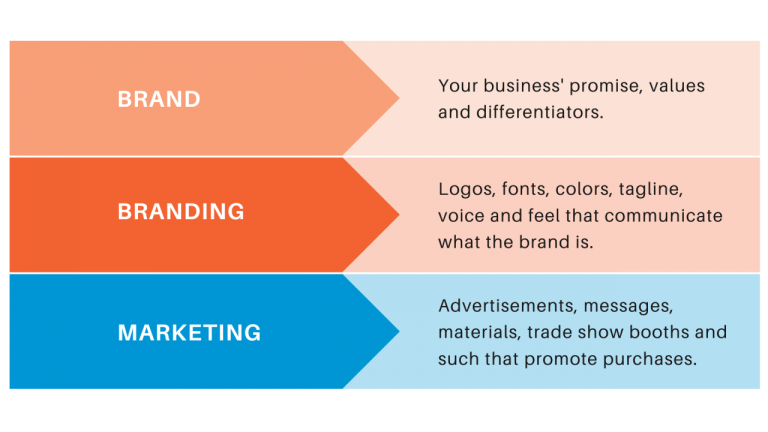
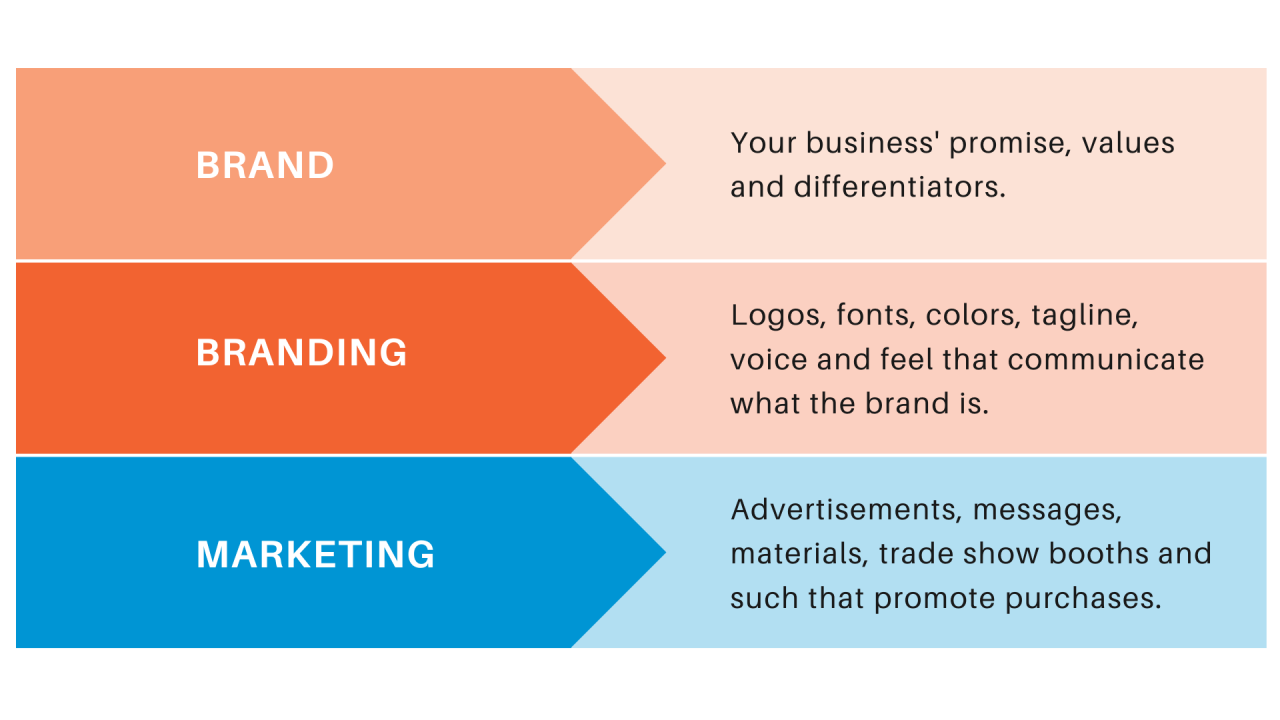
Brands and Branding – What, Why and How

Branding has become an integral part of contemporary art movements and cultural expressions, influencing how artists create and how audiences perceive their work. In today’s society, the lines between art and branding are increasingly blurred, as both realms explore themes of identity, consumerism, and self-expression. This relationship underscores the profound impact branding has on artistic and cultural narratives around the world.

Branding Influences on Contemporary Art Movements

The rise of branding has significantly influenced contemporary art movements, with artists utilizing branding strategies to convey messages and connect with audiences. Many contemporary artists have adopted commercial aesthetics and practices, integrating them into their work to critique consumer culture and societal norms. For example:

  • Pop Art: Artists like Andy Warhol leveraged branding by appropriating logos and products, transforming everyday objects into high art. This movement challenged the distinction between art and commerce.
  • Street Art: Artists such as Banksy use branding symbols to critique social issues, effectively using recognizable logos to convey powerful political statements.
  • Installation Art: Many installation artists now incorporate branding elements within their exhibits, creating immersive experiences that reflect on consumerism and identity.

Relationship Between Branding and Identity in the Digital Age

In the digital era, the relationship between branding and personal identity has evolved, leading to new forms of self-representation. Social media platforms amplify this phenomenon, allowing individuals to curate their identities through branding. This creates a culture where personal branding is essential for self-identity and social validation. For instance, influencers often blend their personal narratives with brand endorsements, blurring the lines between authentic self-expression and commercial interests.

“The digital age has transformed how individuals perceive themselves and their identities, with branding playing a pivotal role in this evolution.”

Comparisons Between Traditional and Modern Interpretations of Branding in Art

Traditional branding relied heavily on established symbols and logos associated with specific products and companies. In contrast, modern interpretations of branding in art have expanded to include broader themes of identity, culture, and social commentary.

  • Traditional Branding: Focused on logos and advertising techniques, emphasizing consumer appeal and market strategy.
  • Modern Branding: Explores deeper societal issues, using art as a medium to address identity, community, and cultural commentary.
  • Hybrid Approaches: Many contemporary artists create works that function as both art and branding, reflecting their identities while simultaneously engaging with commercial interests.

Conclusive Thoughts

In summary, branding iron on humans is not just a form of body modification; it’s a powerful expression of identity and belonging. As we reflect on the various cultural perspectives and future trends, it’s clear that branding continues to provoke thought and challenge societal norms. The journey of branding is one that intertwines art, culture, and personal narratives, inviting us all to consider what it means to leave a mark.

Top FAQs

What is the history of branding on humans?

Branding has ancient origins, used historically for ownership identification and as a rite of passage in various cultures.

Is branding safe?

When done by professionals with proper techniques and aftercare, branding can be relatively safe, though it carries risks like scarring and infection.

What types of branding techniques exist?

Common techniques include hot branding, which uses heated irons, and cold branding, which employs freezing temperatures to alter skin pigment.

Are there legal restrictions on branding?

Yes, there are legal and ethical considerations that vary by location, often involving age restrictions and consent requirements.

What motivates people to get branded?

Motivations may include personal expression, cultural significance, and a desire for community belonging.
Branding Iron La Jolla brings a unique and vibrant touch to the world of branding, making it a standout choice for businesses looking to establish a strong identity. With a rich history in the local area, this branding agency not only provides a diverse range of services but also emphasizes creativity and community engagement in all its endeavors.

From crafting compelling brand identities to executing innovative marketing strategies, Branding Iron La Jolla is committed to understanding its clients’ needs while ensuring that their offerings are tailored to the local culture. This approach not only enhances brand visibility but also fosters a strong connection with the community.

Introduction to Branding Iron La Jolla

Building a brand strategy: Essentials for long-term success

Branding Iron La Jolla is not just a restaurant; it is a culinary institution that has become a beloved fixture in the La Jolla community. Established with a vision to create a unique dining experience, Branding Iron has garnered a reputation for its high-quality food and inviting atmosphere. Its origins trace back to a time when the founders sought to blend traditional American barbecue with a contemporary twist, making it a go-to spot for both locals and visitors alike.The establishment offers a diverse menu featuring a range of products that cater to various tastes and preferences.

Guests can indulge in classic barbecue dishes, including expertly smoked meats, flavorful sides, and house-made sauces that elevate the dining experience. Beyond just food, Branding Iron La Jolla also provides a selection of craft beverages, including local beers and artisanal cocktails, perfect for pairing with meals. The restaurant prides itself on using locally sourced ingredients, ensuring freshness and supporting local farmers.

Unique Features of Branding Iron La Jolla

Branding Iron La Jolla stands out from its competitors due to its commitment to quality, community, and a unique dining atmosphere. The restaurant’s interior combines rustic charm with modern design, creating a welcoming space for diners. The open kitchen concept allows patrons to witness the cooking process, showcasing the chefs’ dedication to their craft. Additionally, Branding Iron hosts regular events like live music nights and themed dinners, fostering a sense of community and engagement.Several characteristics set Branding Iron apart, including:

  • Locally Sourced Ingredients: The restaurant emphasizes fresh, local produce, ensuring that every dish is not only delicious but also supports the local economy.
  • Signature Dishes: Iconic menu items such as the smoked brisket and house-made sausages are crafted using traditional techniques, providing a unique flavor profile.
  • Community Events: Branding Iron regularly participates in local events and hosts its own, bringing people together and enhancing its community ties.
  • Engaging Ambiance: The blend of rustic and modern decor creates a unique dining atmosphere that is both comfortable and stylish.

“At Branding Iron La Jolla, we believe that great food and community go hand in hand.”

This commitment to quality and the vibrant atmosphere make Branding Iron a standout destination in La Jolla, appealing to those seeking not just a meal, but a memorable dining experience.

The Branding Process

Creating a distinctive brand identity is essential for businesses looking to thrive in today’s competitive market. Branding Iron La Jolla understands that a successful brand goes beyond just a logo or a catchy tagline; it encompasses the essence of a business’s values, mission, and vision. The branding process at Branding Iron La Jolla is meticulously designed to capture the unique personality of each client while ensuring the brand resonates with its target audience.The process of developing a brand identity involves several key steps that are tailored to meet the needs and expectations of each client.

By employing a collaborative approach, Branding Iron La Jolla ensures that the client’s vision is effectively translated into a cohesive brand strategy. The following steps Artikel the branding process utilized by the agency:

Step-by-step Branding Process

The branding process consists of the following stages:

1. Discovery and Research

The first step involves gathering insights about the client’s business, target audience, and industry trends. This is achieved through thorough market research and client interviews, allowing Branding Iron La Jolla to understand the client’s unique position in the market.

2. Brand Strategy Development

Following the research phase, the team develops a comprehensive brand strategy. This includes defining the brand’s mission, vision, values, and personality. The brand strategy serves as a blueprint for the entire branding process.

3. Visual Identity Creation

Once the brand strategy is established, the design phase begins. This includes creating a logo, color palette, typography, and other visual elements that reflect the brand’s identity. Each design choice is made with careful consideration of how it aligns with the brand’s goals and resonates with the target audience.

4. Brand Guidelines

After the visual identity is finalized, Branding Iron La Jolla creates brand guidelines. These guidelines Artikel how the brand should be presented across various platforms, ensuring consistency in messaging and imagery.

5. Implementation and Launch

The final step involves launching the brand across multiple channels. This may include updating the client’s website, social media profiles, and marketing materials to reflect the new brand identity. The team also monitors the brand’s performance to make any necessary adjustments post-launch.

Understanding Client Needs and Expectations

To create a brand identity that truly represents a business, it is crucial to understand the client’s needs and expectations. Branding Iron La Jolla employs several methods to achieve this understanding:

Client Interviews

Engaging with clients through in-depth interviews allows the team to gather personal insights about the business, its goals, and its vision.

Surveys and Questionnaires

These tools help capture quantitative data on client preferences and perceptions, providing a broader understanding of expectations.

Competitive Analysis

By analyzing competitors, Branding Iron La Jolla can identify gaps and opportunities in the market, which can inform the branding strategy.

Successful Branding Projects

Branding Iron La Jolla has successfully completed numerous branding projects that showcase the effectiveness of their process. Notable examples include:

Local Restaurant Rebranding

A popular La Jolla eatery underwent a complete rebranding to modernize its image and attract a younger audience. The new visual identity included a fresh logo and vibrant colors, resulting in a significant increase in customer engagement and sales.

Tech Startup Branding

A technology startup approached Branding Iron La Jolla to create a brand from scratch. The agency developed a unique brand strategy that emphasized innovation and reliability, leading to successful funding and partnerships.

Retail Brand Revitalization

A local boutique sought to refresh its brand identity to better reflect its upscale offerings. Through a refined visual identity and targeted marketing strategy, the boutique experienced a noticeable boost in foot traffic and online sales.These projects illustrate the successful application of Branding Iron La Jolla’s branding process, demonstrating their ability to effectively meet client needs and exceed expectations.

Cultural Influence and Community Engagement

Branding Iron La Jolla thrives on its deep-rooted connection with the local community and culture. By actively participating in community activities and forming strategic partnerships, the brand has established itself as a vibrant part of local life. This engagement not only fosters customer loyalty but also enhances the brand’s identity through shared cultural experiences.The local culture significantly shapes the branding strategies of Branding Iron La Jolla.

The team recognizes that La Jolla is not just a picturesque coastal town; it’s a melting pot of artistic expression, culinary diversity, and a rich history. Consequently, the branding efforts are tailored to resonate with the unique characteristics of the area, ensuring that the brand feels authentic and relatable to both locals and visitors alike.

Community Events and Partnerships

Engagement with the community through events and partnerships is fundamental to Branding Iron La Jolla’s brand strategy. The brand often collaborates with local organizations and hosts various events that spotlight local talent and culture. Some examples include:

  • Art Walks: These events allow local artists to showcase their work, with Branding Iron serving as a venue. This not only supports the artists but also draws in crowds who appreciate the vibrant local art scene.
  • Food Festivals: By participating in or sponsoring food festivals, Branding Iron La Jolla highlights local cuisine while promoting its own offerings, thus reinforcing its position as a community staple.
  • Charity Events: Partnering with local charities for fundraising events helps the brand give back to the community, creating a positive brand image and strengthening community ties.

Collaborations with Local Artists and Businesses

Branding Iron La Jolla has embraced collaborations with local artists and businesses to enhance its visibility and enrich the local culture. These partnerships are crucial in creating a brand narrative that is intertwined with the local ethos. Notable collaborations include:

  • Local Artisans: Featuring works from local craftsmen and artists not only decorates the space but also tells the story of La Jolla’s creative community.
  • Co-Branding Initiatives: Collaborating with nearby businesses, such as local coffee roasters or breweries, allows Branding Iron to offer unique, locally-inspired menu items, making the dining experience more authentic.
  • Community Workshops: Hosting workshops led by local experts or artists helps build a rapport with the community while showcasing the brand as a hub for creativity and learning.

Through these efforts, Branding Iron La Jolla effectively harnesses cultural influences and fosters community engagement, solidifying its reputation as not just a brand, but as an integral part of the La Jolla community.

Marketing Strategies Employed by Branding Iron

Branding Iron La Jolla employs a variety of marketing strategies to effectively promote its services and engage with its target audience. The goal of these strategies is to enhance brand visibility, foster community relationships, and ultimately drive customer loyalty and sales. Through a combination of traditional and modern marketing tactics, Branding Iron successfully positions itself in the competitive culinary landscape of La Jolla.The diversity of marketing strategies helps Branding Iron create a comprehensive outreach approach.

Key strategies include targeted digital marketing, community involvement activities, and creative promotional campaigns. These strategies not only highlight the brand’s offerings but also resonate with the local culture and lifestyle.

Marketing Strategies Overview

Branding Iron utilizes a multi-faceted marketing approach to reach potential customers effectively. Here are some key strategies employed by the establishment:

  • Social Media Engagement: Active presence on platforms like Instagram and Facebook allows Branding Iron to share mouthwatering visuals of its menu items, engage with customers through comments, and announce special events or promotions in real time.
  • Local Collaborations: Partnering with local businesses and influencers amplifies Branding Iron’s reach within the community, fostering goodwill and attracting new customers who trust these local endorsements.
  • Event Sponsorships: Involvement in local events and festivals not only increases brand visibility but also demonstrates Branding Iron’s commitment to the La Jolla community.
  • Targeted Email Campaigns: Sending personalized emails to customers keeps them informed about new menu items, special promotions, and upcoming events, thus encouraging repeat visits.
  • Unique Promotions: Creative promotions such as ‘Happy Hour’ deals or ‘Trivia Nights’ engage customers and create a lively atmosphere, drawing in crowds looking for entertainment alongside dining.

Role of Social Media in Marketing

Social media plays a crucial role in Branding Iron’s marketing efforts, serving as a powerful tool for engagement and promotion. The visually-driven nature of platforms like Instagram allows Branding Iron to showcase its culinary creations in an appealing way, enticing potential customers to visit. Branding Iron regularly shares high-quality images and videos of its dishes, creating a visually appealing feed that reflects its brand identity.

The use of relevant hashtags expands the restaurant’s reach, making it discoverable to individuals seeking dining options in La Jolla. Engagement through social media also enhances customer relationships. Responding to comments and messages, running polls or contests, and sharing user-generated content foster a sense of community and connection with customers.

Unique Campaigns Launched by Branding Iron

Branding Iron has launched several unique campaigns aimed at attracting customers and enhancing brand loyalty. These campaigns are designed to create memorable experiences that resonate with the local community.One notable campaign is the “Dine & Donate” initiative, where a portion of proceeds from specific menu items is donated to local charities. This not only attracts customers eager to support a good cause but also reinforces Branding Iron’s commitment to social responsibility.Another creative campaign is the “Chef’s Special” series, which features a rotating menu item inspired by seasonal ingredients or local flavors.

This keeps the menu fresh and exciting, encouraging repeat visits from locals and tourists alike. With these innovative strategies and campaigns, Branding Iron La Jolla successfully differentiates itself from competitors, creating a lasting impression in the minds of its customers.

Client Experiences and Testimonials

At Branding Iron La Jolla, client satisfaction is paramount. The agency prides itself on building strong relationships with its clients, fostering a collaborative environment that facilitates creativity and innovation. This commitment to excellence is reflected in the numerous testimonials received from clients across various industries, each sharing their unique experiences and success stories.Feedback from clients is not just welcomed; it’s integral to the service enhancement process.

Branding Iron actively seeks input through surveys, follow-up meetings, and informal check-ins to understand their clients’ needs and expectations. This commitment to listening ensures that the agency evolves with its clientele, continuously improving service offerings based on real-world insights.

Client Stories of Success

The following accounts illustrate the positive impact that Branding Iron La Jolla has had on its clients. Each experience showcases how tailored strategies and collaborative efforts led to tangible results.

“Working with Branding Iron La Jolla transformed our brand image entirely. Their attention to detail and creative approach exceeded our expectations. Our customer engagement has significantly increased since the rebranding process, and we couldn’t be happier!”

— Sarah T., Owner of Coastal Boutique

“The team at Branding Iron truly understood our vision and helped us articulate it in a way that resonates with our audience. Their strategic marketing campaigns led to a 50% increase in our online sales within just three months.”

— Michael R., CEO of EcoTech Solutions

“From the initial consultation to the final execution, Branding Iron was by our side every step of the way. Their genuine commitment to our success set them apart from other agencies. We’ve seen remarkable growth and are excited for the future!”

— Emma L., Marketing Director at Fresh EatsThe feedback process at Branding Iron involves regular client check-ins and the use of post-project surveys to gather insights on the client experience. This structured approach ensures that clients feel heard and valued, allowing the agency to adapt its strategies as necessary. Key highlights from their feedback system include:

  • Monthly feedback sessions to assess ongoing projects.
  • Post-campaign surveys designed to capture client satisfaction and areas for improvement.
  • Implementation of client suggestions in future strategies to enhance service delivery.

By prioritizing client input and maintaining a proactive approach to collaboration, Branding Iron La Jolla continues to foster an environment of innovation, ensuring that both the agency and its clients achieve success together.

Future Trends in Branding

As Branding Iron La Jolla continues to evolve, the exploration of future trends in branding is essential for staying ahead in a competitive marketplace. Emerging technologies and shifting consumer behaviors are reshaping how brands connect with their audiences. This segment highlights the innovative directions that Branding Iron is pursuing, the impact of technology on branding practices, and potential challenges on the horizon.

Emerging Branding Trends

Branding Iron La Jolla is keenly aware of the dynamic landscape of branding and is actively exploring several emerging trends that hold significant potential. These trends include:

  • Personalization: Tailoring brand experiences to meet individual customer preferences is becoming increasingly important. This includes personalized content, product recommendations, and targeted marketing strategies that resonate with specific audience segments.
  • Sustainability: Brands are increasingly adopting eco-friendly practices as consumers demand more environmentally responsible options. This trend is evident in product sourcing, packaging, and corporate social responsibility initiatives.
  • Brand Activism: Consumers are looking for brands that take a stand on social issues. Branding Iron is exploring ways to authentically engage with community values and advocate for causes that matter to their audience.

Impact of Technology on Branding Practices

Technology continues to play a transformative role in branding strategies at Branding Iron La Jolla. By leveraging cutting-edge tools and platforms, the agency can enhance brand visibility and engage with consumers more effectively. Key aspects include:

  • Data-Driven Insights: Utilizing analytics and big data to understand consumer behavior helps in crafting more effective marketing strategies and predicting market trends.
  • Augmented Reality (AR) and Virtual Reality (VR): These technologies create immersive brand experiences that allow consumers to interact with products in a virtual environment, enhancing engagement and driving sales.
  • Social Media Innovations: The rise of short-form content and interactive features on platforms like TikTok and Instagram is shaping how brands communicate and engage with their audiences.

Challenges in the Evolving Branding Landscape

While the future of branding presents numerous opportunities, Branding Iron La Jolla may encounter several challenges that need to be addressed strategically. These challenges include:

  • Rapid Technological Changes: Keeping up with the fast pace of technological advancements can strain resources, requiring continuous adaptation and learning.
  • Consumer Trust and Transparency: As consumers become more aware and discerning, brands must prioritize authenticity and transparency to maintain trust.
  • Increased Competition: The branding landscape is becoming overcrowded, making it essential for Branding Iron to differentiate its offerings and maintain a unique value proposition.

“Innovation distinguishes between a leader and a follower.” – Steve Jobs

Ending Remarks

In conclusion, Branding Iron La Jolla exemplifies how effective branding can elevate a business’s presence in a competitive market. By focusing on client needs, community involvement, and emerging trends, they are well-positioned to navigate the future of branding while continuously delivering exceptional results for their clients.

Helpful Answers

What services does Branding Iron La Jolla offer?

They offer a wide range of services including brand strategy, identity design, and marketing solutions.

How does Branding Iron La Jolla engage with the community?

They participate in local events and collaborate with local artists and businesses to strengthen community ties.

What is the process for creating a brand identity?

The process involves understanding client needs, market research, and designing a unique brand identity tailored to the client’s vision.

Can I see examples of their previous work?

Yes, Branding Iron La Jolla showcases a portfolio of successful branding projects on their website.

How does technology influence their branding strategies?

They leverage the latest technology and digital marketing tools to enhance brand visibility and engagement.

Branding iron edinburg pa highlights an intriguing fusion of tradition and modern craftsmanship that shapes local businesses. As a vital tool for branding, these irons have evolved over time, becoming a mark of quality and identity in various industries. This exploration will delve into the significance of branding, the unique craftsmanship found in Edinburg, and the innovative techniques that bring brands to life.

In Edinburg, PA, the demand for custom branding irons is not just a trend; it’s a testament to the local artistry and dedication to quality. Businesses here have embraced these tools to create a lasting impression, forging connections with their customers through unique branding strategies that reflect their identity.

Branding Iron Overview

Branding plays a crucial role in establishing a business’s identity and connecting with consumers on an emotional level. It extends beyond just a logo or a catchy slogan; branding encompasses the entire perception of a business, influencing customer loyalty and market position. The use of branding irons has a rich history that reflects the evolution of branding practices through different eras, emphasizing the significance of marks in establishing ownership and quality.The history of branding irons dates back thousands of years, initially used by farmers and artisans to mark livestock and goods.

As trade expanded, branding evolved into a tool for consumer recognition, enabling businesses to distinguish their products from competitors. The evolution of branding irons transitioned from simple designs to more intricate and customized options, reflecting modern branding techniques that focus on aesthetics, quality, and consumer engagement.

Materials Used in Manufacturing Branding Irons

The production of branding irons involves various materials that contribute to their effectiveness and durability. Understanding these materials is essential for creating high-quality branding tools. The primary materials used in manufacturing branding irons include:

  • Steel: Most branding irons are made from high-quality steel due to its strength and durability. Steel can withstand high temperatures, making it suitable for the heating process required for branding.
  • Copper: Copper is another common material, particularly for smaller branding irons. It heats quickly and retains heat well, allowing for precise branding on various surfaces.
  • Brass: This material is often used for decorative branding irons because of its malleability and resistance to corrosion, providing a longer lifespan for intricate designs.
  • Aluminum: Lightweight and resistant to corrosion, aluminum branding irons are sometimes used for specific applications where weight is a concern.

The choice of material depends on the specific branding requirements and the surface to be branded. High-quality branding irons ensure a clear and lasting impression, reflecting the brand’s commitment to quality and consistency.

“Effective branding creates a lasting connection between a business and its customers, rooted in trust and recognition.”

Branding Iron Edinburg PA

Edinburg, PA, is home to a vibrant market for branding irons, attracting local businesses from various sectors that recognize the value of unique branding. Whether for livestock, artisanal crafts, or promotional materials, the demand for quality branding solutions here reflects the community’s commitment to craftsmanship and local pride. The branding irons crafted in this area are not just tools; they are representations of identity and tradition.The craftsmanship involved in creating custom branding irons in Edinburg is a blend of artistry and technical skill.

Local artisans pay meticulous attention to detail, ensuring that each branding iron meets the specific needs of their clients. The process involves selecting high-quality metals, designing custom logos or initials, and employing traditional forging techniques. This blend of modern technology and classic craftsmanship results in durable and effective branding irons that stand the test of time.

Local Businesses Utilizing Branding Irons

Many businesses in Edinburg have embraced the use of branding irons as a means to establish their identity and enhance their products. The following examples showcase the variety of applications:

  • Local Farms: Many farmers utilize branding irons to mark livestock, ensuring easy identification while enhancing the farm’s brand. This practice not only serves a practical purpose but also reinforces the farm’s heritage and reputation.
  • Artisan Crafts: Artists and craftspeople incorporate branding irons into their work, using them to add a personal touch to handmade items like furniture, pottery, and leather goods. This technique elevates the craftsmanship and adds value to the products.
  • Restaurants and Cafés: Establishments in Edinburg often use branding irons to imprint their logos on grilled items or baked goods, creating a memorable dining experience for customers. This not only serves as a marketing tool but also adds a unique flair to their offerings.

“A branding iron is not just a mark; it’s the essence of our craft, a tradition we take pride in.”

The stories of these local businesses highlight the importance of branding in building customer loyalty and recognition. A bakery in Edinburg reported that using a branding iron to mark their artisanal bread products not only set them apart but also sparked conversations among customers, enhancing their brand story. Similarly, a local craftsperson shared how their custom branding iron has become a signature of quality, creating trust and consistency in their products.

These testimonials illustrate the profound impact that branding irons have on local enterprises, reinforcing the community’s commitment to quality craftsmanship and unique identity.

Types of Branding Irons

Branding irons are essential tools for a variety of businesses looking to create a unique identity and leave a lasting impression. These tools come in different styles and materials, each serving specific purposes across various industries. Understanding the types of branding irons available can help businesses choose the one that best fits their branding needs and operational requirements.Branding irons can be broadly categorized into traditional and electric types, each offering distinct advantages.

Traditional branding irons are typically heated in a fire or another heat source, while electric branding irons use an electric heating element to achieve the desired temperature. This section will compare these types and explore their respective benefits.

Comparison of Branding Iron Styles

Choosing the right branding iron style is vital for achieving quality results. The following points summarize the various styles used by businesses today:

  • Traditional Branding Irons: These are often made of metal, requiring a heat source like a torch. They are straightforward to use and are ideal for small batches or artisanal work.
  • Electric Branding Irons: These irons heat up using electricity and provide consistent temperature control, making them suitable for larger production runs.
  • Custom Branding Irons: Some businesses opt for bespoke irons designed to their specifications, allowing for unique logos or designs that represent their brand effectively.
  • Handheld Branding Irons: These are smaller and can be used for detailed work on smaller items, perfect for artisans and small businesses.

The benefits of each type of branding iron vary significantly.

Benefits of Electric vs. Traditional Branding Irons

Comparing electric and traditional branding irons, we find several key benefits to each:

  • Electric Branding Irons:
    • Consistent Heating: They provide uniform heat distribution, reducing the risk of uneven branding.
    • Temperature Control: Easy to adjust the heat level for different materials.
    • Efficiency: Faster heating times lead to increased productivity for larger businesses.
  • Traditional Branding Irons:
    • Simplicity: No need for electricity, making them portable and usable in various settings.
    • Craftsmanship: Often preferred by artisans for their hands-on approach and unique finish.
    • Cost-Effective: Generally lower initial investment compared to electric irons.

Applications of Branding Irons Across Industries

Branding irons have diverse applications which can vary depending on the industry. The following table summarizes some of the key uses across different sectors:

Industry Application
Food & Beverage Marking items such as steaks, burgers, or wooden serving boards.
Crafts & Artisanal Goods Branding leather goods, pottery, or wooden crafts.
Retail Custom branding on packaging or promotional items.
Manufacturing Marking products for identification, quality control, or branding.
Agriculture Branding livestock for identification and ownership.

“The right branding iron not only enhances your product but also communicates your brand’s story.”

Branding Techniques

Branding irons are powerful tools that can leave a distinct mark on various materials, including wood, leather, and even food. To achieve the best results, it is essential to understand the techniques involved in using these tools effectively. Mastering these methods not only ensures high-quality branding but also enhances the longevity of your branding iron.Using a branding iron properly involves a few key steps that vary depending on the material you are working with.

Below are detailed techniques for achieving impressive results across different surfaces.

Techniques for Using a Branding Iron

The effectiveness of a branding iron largely depends on its application technique. Below are the steps tailored for different materials:

1. Preparation of the Workspace

Ensure the area is clean and well-lit. Gather all necessary materials, including the branding iron, heat source, and the item to be branded.

2. Heating the Branding Iron

For wood and leather, heat the branding iron until it reaches an optimal temperature (approximately 400°F to 500°F).

For food items, ensure the temperature is lower to avoid burning (around 350°F).

3. Testing the Iron

Before branding your final piece, test the iron on a scrap piece of the same material to check for the correct temperature and pressure.

4. Positioning

Place the branding iron firmly on the surface where you want the mark. Ensure it is positioned straight to avoid skewed branding.

5. Applying Pressure

Apply even pressure for a consistent duration. For wood, hold it for about 5-10 seconds, while for leather, around 3-5 seconds is usually sufficient.

6. Removing the Iron

Lift the branding iron straight up to avoid smearing the design.

7. Cooling and Inspection

Allow the branded item to cool completely before handling or finishing the piece.

Maintaining Quality of a Branding Iron

Proper maintenance of your branding iron is vital to ensure it remains effective over time. Regular upkeep not only prolongs the life of the tool but also maintains the quality of your branding results. Here are some key tips for maintaining your branding iron:

Cleaning After Each Use

Wipe down the branding iron with a damp cloth after it cools. This removes any residue from the material and prevents buildup.

Avoiding Abrasive Cleaners

Use gentle cleaners to avoid scratching or damaging the branding surface.

Inspecting for Damage

Regularly check for signs of wear or damage. Any irregularities can result in poorly defined brands.

Proper Storage

Store the branding iron in a safe place, away from moisture and extreme temperatures. A protective case can prevent physical damage.

Reheating and Calibration

Occasionally test the branding iron on scrap material to ensure it heats properly and maintains even heating across its surface.By following these techniques, you can achieve beautiful and consistent branding results on a variety of materials, while ensuring your branding iron remains in peak condition for years to come.

Custom Branding Solutions

Selecting the right branding iron is crucial for any business looking to establish a strong brand identity. Custom branding solutions can help ensure that your unique mark is reflected in every product, communication, and interaction your brand has with the world. This guide will provide essential insights into how businesses can effectively choose a branding iron, highlight successful strategies, and discuss the importance of branding consistency.

Guide for Selecting the Right Branding Iron

When it comes to choosing the perfect branding iron, businesses should consider several key factors that can impact the effectiveness of their branding efforts. The right branding iron should align with your vision, ensure quality, and facilitate the execution of your branding strategy.

  • Material: Select durable materials such as brass or stainless steel for longevity and consistent impression quality.
  • Design Compatibility: Ensure that the branding iron can accommodate your logo or mark’s intricacies without compromising detail.
  • Size: Consider the size of the branding iron, as it should be appropriate for the intended products or surfaces to be branded.
  • Heating Method: Choose between electric or manual heating options based on your production pace and scale.

Examples of Successful Branding Strategies Using Custom Branding Irons

Many businesses have effectively leveraged custom branding irons to create memorable impressions on their customers. Here are a few notable examples that illustrate the impact of well-executed branding strategies:

  • Artisan Food Producers: Many small-batch food brands use branding irons to imprint their logos onto products like cheese, bread, and meats, enhancing their artisanal appeal.
  • Craft Breweries: Custom branding irons are used to mark barrels and bottles, creating a unique selling point and reinforcing quality craftsmanship.
  • Woodworking Businesses: Many woodworkers use branding irons to stamp their creations, adding a professional touch while promoting brand recognition in a competitive market.

Importance of Branding Consistency and Reinforcement

Consistency in branding is essential for fostering customer loyalty and establishing a recognizable brand presence. Custom branding irons play a vital role in maintaining this consistency across various products and platforms.

“Branding consistency cultivates trust and credibility, making it easier for customers to recognize and remember a brand.”

The use of branding irons helps reinforce brand identity across different products, ensuring that every item reflects the same quality and design ethos. This not only strengthens the visual appeal of products but also creates a cohesive brand narrative that resonates with consumers. When customers encounter uniformity in branding, it fosters a sense of reliability and professionalism that can significantly influence their purchasing decisions.

The Role of Branding in Marketing

Branding is a pivotal aspect of marketing that shapes how consumers perceive products and services. It involves creating a unique image and identity that resonates with a target audience, ultimately influencing their purchasing decisions. Effective branding not only distinguishes a business from its competitors but also builds trust and loyalty among consumers, making it an essential tool in today’s competitive landscape.

Influence of Branding on Customer Perception

A strong brand can profoundly impact customer perception, shaping how consumers view a company’s products or services. This perception is often built through consistent messaging, visual elements, and customer experiences. Key factors include:

  • Consistency: Consistent branding across all platforms fosters familiarity and trust. Customers are more likely to engage with brands that present a unified image, whether in advertising, packaging, or customer service.
  • Emotion: Branding influences the emotional response of consumers. Brands that tell compelling stories or align with personal values can create a strong emotional connection, leading to increased loyalty.
  • Quality Association: Effective branding often leads to a perception of quality. If a brand is well-regarded, customers are more likely to assume its products or services are of high quality, influencing their purchasing decisions.

Relationship Between Branding and Business Identity

Branding is intrinsically linked to a business’s identity, encapsulating its values, mission, and vision. It provides a framework within which a company can communicate its purpose and connect with its audience. The interplay includes:

  • Mission Statement: A clear mission statement informs branding strategies and helps align messaging with business goals, ensuring that consumers understand what the brand stands for.
  • Visual Identity: Elements like logos, color schemes, and typography collectively create a visual identity that distinguishes a brand. This identity becomes synonymous with the business itself and can evoke recognition and loyalty.
  • Brand Voice: The tone and style of communication reflect the brand’s personality. A brand that communicates in a friendly, approachable manner is likely to attract a different audience than one that adopts a more formal tone.

Impact of Branding on Customer Loyalty and Retention

Branding plays a crucial role in fostering customer loyalty and retention, which are essential for long-term business success. A well-executed branding strategy creates a sense of belonging among customers, encouraging repeat business. Key points include:

  • Trust Building: Strong branding fosters trust. Customers are more likely to remain loyal to brands that they perceive as trustworthy and reliable, often leading to repeat purchases.
  • Community Feeling: Effective branding cultivates a sense of community. Brands that engage with their audience on social media or through events can develop a loyal customer base that feels connected to the brand.
  • Advocacy: Satisfied customers often become brand advocates, promoting the brand through word-of-mouth. This organic promotion is invaluable, as recommendations from friends and family are often trusted more than traditional advertising.

Future of Branding Irons

As the branding iron industry continues to evolve, several emerging trends and technologies are shaping its future. The shift towards personalization, sustainable practices, and technological advancements are all playing significant roles in how branding irons are designed and utilized. Understanding these changes is crucial for anyone looking to stay ahead in the branding game.One of the most important factors influencing the future of branding irons is the integration of advanced technologies.

The advent of digital tools and automation is revolutionizing the way branding is done. This includes the use of laser engraving systems, which offer precision and versatility that traditional branding irons cannot match. Additionally, the rise of 3D printing is enabling custom designs to be created quickly and efficiently, further enhancing brand personalization.

Emerging Trends in the Branding Iron Industry

Several trends are shaping the future landscape of branding irons. These trends reflect the evolving needs of businesses and consumers alike.

  • Personalization: Consumers increasingly demand products that reflect their individual tastes. Branding irons are adapting to this trend by offering customizable designs that cater to unique branding needs.
  • Sustainability: With a growing focus on environmental responsibility, many branding iron manufacturers are exploring eco-friendly materials and processes to reduce their carbon footprint.
  • Smart Technology: The integration of IoT (Internet of Things) technology into branding irons allows for real-time monitoring and adjustments, making the branding process more efficient and user-friendly.
  • Enhanced Durability: Innovations in materials are leading to the development of branding irons that can withstand higher temperatures and extended use, enhancing their longevity and reliability.

Technological Influences on Branding Techniques

New technologies are constantly redefining branding techniques, offering more flexibility and creative possibilities for businesses.The use of laser branding technology stands out for its precision and ability to create intricate designs on a variety of materials. Compared to traditional branding methods, laser branding minimizes material waste and allows for detailed customization, which is increasingly attractive to brands looking to connect with consumers on a personal level.Furthermore, the incorporation of software solutions that enable users to design their branding patterns instantly is transforming the creative process.

Businesses can now quickly iterate on designs and produce prototypes, allowing for faster time-to-market and more responsive branding strategies.

Predictions for Branding Practices in the Next Decade

Looking ahead, several predictions can be made regarding the evolution of branding practices over the next decade.The trend towards hyper-personalization is expected to accelerate, with brands increasingly utilizing data analytics to tailor branding approaches to individual consumer preferences. This could mean more dynamic branding experiences, where the branding itself changes based on user interaction or context.Additionally, as sustainability becomes a priority, we can anticipate a surge in demand for brands that practice ethical sourcing and environmentally friendly production.

Businesses that adopt these practices are likely to thrive as consumers become more aware of their purchasing choices and their impact on the planet.Finally, the future of branding irons will likely see an increased emphasis on integration with digital platforms. Brands may begin to explore augmented reality (AR) and virtual reality (VR) applications to create immersive brand experiences that engage customers in innovative ways.

The future of branding is not just about the product but the entire experience surrounding it.

Last Point

Branding Decision and its Crucial Role in Marketing | MBA TUTS

In conclusion, the journey through branding iron edinburg pa reveals a dynamic interplay between tradition and innovation. The craftsmanship found in Edinburg not only meets the needs of local businesses but also reinforces the importance of brand identity in a competitive market. As branding continues to evolve, so too will the techniques and tools that help businesses stand out, ensuring that the legacy of branding irons remains strong.

FAQ Explained

What types of materials are used in branding irons?

Common materials include steel for durability and brass for a traditional look, with heat-resistant handles for safety.

Can I create a custom branding iron?

Yes, many local artisans in Edinburg offer custom branding solutions tailored to your specific design and branding needs.

How do I maintain my branding iron?

Regular cleaning and proper storage are essential to maintain the quality and longevity of your branding iron.

What are the benefits of using electric branding irons?

Electric branding irons provide consistent heat, making them easier to use and allowing for quicker branding compared to traditional methods.

How does branding impact customer loyalty?

Effective branding creates a strong emotional connection, fostering customer loyalty and encouraging repeat business.

branding zara brings to life a fascinating narrative of how a fashion retailer transformed itself into a global icon. This story is not just about clothes; it’s about creating a distinct identity that resonates with consumers on multiple levels. As we dive into Zara’s branding strategies, we’ll uncover the intricacies that make it a standout in the competitive fashion landscape.

Zara’s approach to branding is a blend of innovation, consumer insight, and sustainability. By focusing on its core values and unique selling propositions, Zara has cultivated a brand identity that reflects its ethos in its store aesthetics and product offerings. This introduction sets the stage for a deeper understanding of how Zara has navigated the challenges and opportunities within the fashion industry.

Branding Fundamentals

Branding is the process of creating a unique identity for a product or company, deeply influencing how consumers perceive it. In the fashion industry, effective branding is crucial as it differentiates one brand from another, builds customer loyalty, and communicates the brand’s values. The significance of branding extends beyond mere recognition; it engages consumers on an emotional level, creating lasting impressions that drive purchasing decisions.Key elements of effective branding include visual identity, brand messaging, and customer experience.

Visual identity encompasses logos, color schemes, and typography, all of which must resonate with the target audience. Brand messaging involves the language and tone used in communications, reflecting the brand’s personality and values. Customer experience is the overall interaction a consumer has with the brand, from browsing and shopping to post-purchase engagement. Together, these elements create a cohesive and appealing brand image that attracts and retains customers.

Key Elements of Effective Branding

The main components of effective branding in the fashion industry significantly impact how brands connect with their customers. Each element plays a vital role in building a strong brand presence.

  • Visual Identity: This includes logos, colors, and design elements that represent the brand. A recognizable and appealing visual identity helps consumers easily identify and remember the brand.
  • Brand Messaging: The tone and language used in advertising, social media, and other communications should reflect the brand’s personality. Consistency in messaging strengthens the brand’s voice.
  • Customer Experience: Every interaction a customer has with the brand, from shopping to customer service, shapes their perception and loyalty. A positive customer experience encourages repeat business.

Major Branding Strategies Utilized by Leading Fashion Retailers

Leading fashion retailers employ various branding strategies to establish their market presence and cultivate consumer loyalty. These strategies are pivotal in maintaining relevance and competitiveness in a fast-paced industry.One prevalent strategy is luxury branding, where brands like Chanel and Gucci create an aura of exclusivity through high-quality products, limited availability, and premium pricing. This approach invokes desires for status and prestige among consumers.Another common strategy is cause marketing, where brands align themselves with social or environmental causes.

For example, Patagonia actively promotes environmental sustainability, creating a strong emotional connection with consumers who value corporate responsibility.Additionally, many fashion brands utilize collaborations and partnerships to broaden their reach and enhance brand image. For instance, the collaboration between Adidas and Kanye West’s Yeezy line has successfully attracted diverse audiences and generated significant buzz.

“Strong branding is about creating a connection that goes beyond the product.”

Zara’s Brand Identity

5 Proven Ways to Build Brand Authority on Social Media - Caylor Solutions

Zara’s brand identity is built on a foundation of core values that reflect its commitment to fast fashion, sustainability, and customer engagement. The brand has carved a niche for itself in the competitive retail landscape through its innovative approach to design and merchandising, appealing to a wide array of consumers seeking both style and affordability.Zara’s unique selling proposition lies in its ability to deliver the latest fashion trends in a timely manner, often within weeks of their emergence on the runway or in high fashion media.

This rapid turnaround is coupled with a commitment to affordability, allowing customers to access contemporary styles without breaking the bank. By leveraging an integrated supply chain and intuitive inventory management, Zara offers a constantly refreshed assortment of products that cater to evolving consumer preferences, distinguishing itself from traditional retailers who often lag in trend responsiveness.

Core Values That Define Zara’s Brand

Zara’s brand is anchored by several core values that guide its operations and resonate with its target audience. These values include:

  • Fast Fashion: Zara prioritizes speed in design and distribution, ensuring that customers receive the latest trends as quickly as possible.
  • Affordability: The brand maintains competitive pricing, making high-fashion styles accessible to a broader audience.
  • Sustainability: In recent years, Zara has made strides towards sustainable fashion, incorporating eco-friendly materials and practices into its production processes.
  • Customer-centric Approach: Zara places a strong emphasis on customer feedback and preferences, allowing it to adapt its offerings to meet market demands.

Unique Selling Proposition in Comparison to Competitors

Zara’s approach to the fashion retail industry sets it apart from competitors through its unique selling proposition, which includes:

  • Speed to Market: Unlike many traditional retailers that take several months to produce and release new collections, Zara’s design-to-shelf time is remarkably quick, often just two to three weeks.
  • Limited Production Runs: By producing limited quantities of each item, Zara creates a sense of urgency among consumers, reducing the likelihood of markdowns and promoting exclusivity.
  • In-Store Experience: Zara’s stores are strategically located in high-traffic areas and are designed to provide an inviting shopping experience, reflecting the brand’s trendy and upscale image.

Reflection of Brand Identity in Store Design and Product Offerings

Zara’s brand identity is vividly reflected in both its store design and product offerings, creating a cohesive brand experience. The store layouts are sleek and modern, often featuring minimalist decor that emphasizes the clothing rather than the surroundings. This aligns with Zara’s commitment to contemporary fashion and style.The product offerings frequently change, with new items introduced twice a week, ensuring that the collection remains fresh and relevant.

Store displays are meticulously curated to showcase the latest trends, often arranged thematically to inspire customers and encourage purchases.

Zara’s ability to combine fast fashion with a focus on customer experience is a significant factor in its ongoing success.

In summary, Zara’s brand identity is shaped by its core values of speed, affordability, sustainability, and customer engagement. This identity is further enhanced through innovative store designs and a dynamic product lineup, establishing Zara as a leader in the fast fashion sector.

Marketing Strategies

Zara employs a unique set of marketing strategies that effectively promote its brand while staying true to its identity as a leader in fast fashion. Its approach emphasizes agility, customer engagement, and a strong online presence, which are essential for maintaining competitiveness in the global fashion market. By leveraging various marketing techniques, Zara ensures that it resonates well with its target audience and remains at the forefront of fashion trends.Zara’s marketing techniques are multifaceted, combining traditional advertising with a strong focus on digital and social media platforms.

The brand invests less in traditional advertising channels and more in enhancing the customer experience. This approach allows Zara to create a sense of exclusivity and urgency, encouraging customers to visit stores frequently to see new arrivals.

Social Media Utilization

Zara effectively uses social media platforms such as Instagram, Facebook, and Twitter to connect with its audience and showcase its latest collections. The brand’s social media strategy focuses on visual storytelling, where high-quality images and videos highlight the latest trends and product launches. By curating aesthetically pleasing content that reflects its brand identity, Zara engages its audience and drives traffic to both its online and physical stores.The importance of social media in Zara’s marketing strategy can be seen in the following ways:

  • Community Engagement: Zara actively interacts with its followers, responding to comments and sharing user-generated content, which fosters a sense of community among fashion enthusiasts.
  • Trend Promotion: The brand uses social media to quickly showcase new collections and limited-edition pieces, creating buzz and anticipation among consumers.
  • Influencer Collaborations: Zara collaborates with fashion influencers and bloggers who amplify the brand’s reach and credibility among target demographics.

Successful Advertising Campaigns

Zara has launched several advertising campaigns that effectively highlight its brand image and core values. One notable campaign is the “Zara Woman” initiative, which focuses on empowering women through fashion. The campaign features diverse models and promotes body positivity, aligning with contemporary societal values.Another example is the “Zara’s Sustainable Collection” campaign, which showcases the brand’s commitment to sustainability. By highlighting the use of organic materials and eco-friendly production processes, Zara successfully positions itself as a responsible fashion choice, appealing to environmentally conscious consumers.

“The essence of Zara’s advertising lies in its ability to resonate with consumer emotions while effectively communicating its brand message.”

Overall, Zara’s marketing strategies, particularly its adept use of social media and impactful advertising campaigns, play a crucial role in reinforcing its brand identity and appealing to a diverse customer base.

Consumer Perception

Zara’s brand is not just about clothing; it’s a representation of style, speed, and accessibility that resonates with a significant portion of consumers. The way customers perceive Zara significantly influences their loyalty to the brand. This connection is often forged through the brand’s unique value proposition, its marketing strategies, and the overall shopping experience it provides. Zara’s branding plays a critical role in shaping purchasing decisions among its target demographics.

The brand’s commitment to fast fashion and its ability to quickly adapt to the latest trends foster a perception of immediacy and relevance. This quality not only attracts consumers but also encourages repeat purchases, reinforcing brand loyalty. The company’s strategic pricing, combined with its fashion-forward designs, helps create an aspirational image that appeals particularly to younger consumers.

Influence of Brand Identity on Loyalty

Consumer loyalty towards Zara can be closely linked to the brand identity it projects. Zara is well-known for its ability to deliver high-fashion styles at relatively affordable prices. This identity resonates with fashion-conscious shoppers who seek trendy items without breaking the bank.Key aspects of how Zara influences loyalty include:

  • Rapid inventory turnover: Zara’s model of releasing new collections every few weeks keeps customers engaged and coming back for more.
  • Perceived exclusivity: Limited stock on popular items creates a sense of urgency, prompting customers to purchase without delay.
  • Strong online presence: Zara’s website and social media platforms build a community around the brand, offering a space for customer interaction and engagement.

Customer Feedback and Brand Experience

Customer feedback plays an essential role in understanding Zara’s brand experience. Insights from consumers suggest that their shopping experience significantly impacts their perception of the brand. Positive feedback often emphasizes the quality of the garments, the stylish designs, and the efficient shopping experience both in-store and online.Important themes in customer feedback include:

  • Quality and value: Many consumers appreciate Zara’s ability to deliver quality clothing that feels luxurious yet remains affordable.
  • Store environment: Customers often report a pleasant shopping atmosphere, highlighting the modern and organized layout of stores.
  • Customer service: Feedback indicates that while Zara excels in many areas, there are occasional criticisms regarding in-store customer service, suggesting room for improvement.

Overall, consumer perception of Zara is heavily influenced by the brand’s identity and the experiences it provides, creating a strong foundation for loyalty and consistent purchasing behavior.

Sustainability and Ethical Branding

Sustainability in fashion has become a non-negotiable aspect of branding in today’s market. As consumers increasingly prioritize ethical practices and environmental consciousness, brands like Zara are adapting their strategies to align with these values. Zara, a global leader in fast fashion, recognizes the importance of sustainable branding not just for the planet but also for maintaining a competitive edge and consumer loyalty.Zara’s approach to sustainable branding is characterized by a commitment to reducing environmental impact and promoting ethical practices throughout its supply chain.

The brand has launched several initiatives aimed at improving sustainability, from sourcing materials responsibly to enhancing recycling programs. These efforts are not just corporate responsibility; they resonate with today’s consumers who demand transparency and accountability in their favorite brands.

Initiatives Promoting Ethical Practices

Zara has implemented various initiatives to promote ethical practices within its branding. These initiatives are crucial in establishing trust and loyalty among consumers, who are more aware of the implications of their purchasing decisions. Key initiatives include:

  • Commitment to 100% Sustainable Cotton: By 2025, Zara aims to use only organic, recycled, or otherwise sustainably sourced cotton. This commitment reduces the environmental impact of cotton production, which is known for heavy water use and pesticide application.
  • Environmental Protection Program: Zara has established a comprehensive program aimed at reducing waste and water usage across its production processes. This includes implementing water-saving technologies and recycling water used in production.
  • Use of Recycled Materials: The brand is increasingly incorporating recycled polyester and other materials into its clothing lines, significantly reducing the reliance on virgin resources and minimizing waste.
  • Garment Collection Initiatives: Zara has set up in-store collection bins for customers to return used clothing, promoting recycling and circular fashion. This initiative helps reduce textile waste and encourages consumers to think about the lifecycle of their garments.

The impact of sustainability on Zara’s brand reputation is profound. By taking concrete steps towards ethical branding and sustainability, Zara positions itself as a responsible leader in the fast fashion industry. This aligns with the growing consumer expectation for brands to not only offer stylish products but also to be dedicated to preserving the environment and promoting fair labor practices.

The brand’s transparency in its sustainability efforts has enhanced its image and has been instrumental in attracting a conscientious consumer base that values corporate responsibility as much as fashion.

Global Expansion and Adaptation

Zara has established itself as a global fashion leader, leveraging its agile business model to adapt its branding strategy across diverse international markets. This adaptability is essential in catering to the unique cultural, economic, and social dynamics of each region, allowing Zara to maintain its competitive edge while resonating with local consumers.Zara’s branding approach varies considerably depending on the target market.

The company recognizes that fashion is not just about clothing; it’s also about cultural expression. For instance, in markets like the Middle East, Zara has tailored its offerings to respect local customs and preferences, introducing collections that align with modest fashion trends. In contrast, in the vibrant urban centers of Europe and North America, Zara showcases trend-driven apparel that speaks to the fast-paced lifestyle of its consumers.

This regional differentiation illustrates Zara’s commitment to understanding and reflecting the diverse identities of its global audience.

Cultural Branding Variations

The adaptation of Zara’s branding in different cultures is crucial for its global success. The company employs various strategies to ensure its offerings resonate with local consumers:

Local Trends

Zara incorporates local fashion trends into its collections, allowing it to connect deeply with regional tastes. For instance, in East Asia, Zara often features colors and designs that align with seasonal festivals and traditions, enhancing its appeal.

Marketing Communications

The brand modifies its marketing messages to resonate with local languages and cultural references. For example, in Latin America, Zara’s advertising campaigns might focus on family and community, which are central values in these societies.

Store Experience

The design and layout of Zara stores are adapted to fit local shopping habits. In European cities, stores may be more compact, reflecting urban living, while in larger markets like the US, stores often offer more expansive layouts to accommodate diverse shopper behaviors.

Collaborations with Local Designers

In some regions, Zara has collaborated with local designers to create limited-edition collections that reflect indigenous artistry and craftsmanship, further enhancing its cultural relevance.

“Zara’s ability to adapt its branding strategies across borders has been a key driver of its international success.”

Maintaining brand consistency while embracing regional variations presents challenges for Zara. The company must balance its global brand identity with local adaptations to avoid alienating its core customer base. Key challenges include:

Cohesion vs. Customization

Striking the right balance between a unified brand image and localized marketing efforts can be tricky. Over-customization risks diluting Zara’s brand identity, while too much uniformity may fail to appeal to local markets.

Supply Chain Complexity

Adapting to various market demands increases the complexity of Zara’s supply chain. The brand must ensure that it can quickly respond to local trends without compromising its signature fast-fashion model.

Consumer Expectations

As consumers become more aware of global branding practices, their expectations evolve. Maintaining consistent quality and brand values across all markets is crucial to retain customer trust.Zara’s commitment to understanding and adapting to diverse cultural landscapes not only enhances its market presence but also solidifies its reputation as a global fashion icon.

Brand Evolution

Zara, a flagship brand of the Inditex Group, has undergone significant transformations in its branding strategy since its inception in 1974. Initially rooted in a simple, value-oriented approach to fashion, Zara has evolved into a prominent player in the global fashion industry, known for its innovative strategies and ability to adapt to ever-changing consumer demands. This evolution has been shaped by shifts in consumer culture, technological advancements, and the brand’s commitment to sustainability.The evolution of Zara’s branding can be characterized by several key phases, each marked by strategic shifts that responded to the market landscape.

From its early days, Zara’s focus was on providing affordable yet stylish clothing, but over the years, the brand has adopted a more modern and sophisticated identity, integrating aspects such as sustainability and digital engagement into its core strategy.

Significant Changes in Branding Strategy

Zara’s branding strategy has evolved significantly through various phases, each reflecting a response to market demands and industry trends. The following points highlight the most notable changes in Zara’s branding approach:

  • Shift to Fast Fashion Model: Initially centered on traditional retail, Zara embraced the fast fashion model in the late 1990s, allowing for rapid design-to-retail cycles, which enabled the brand to respond swiftly to fashion trends.
  • Introduction of Limited Collections: Zara adopted the strategy of releasing limited collections to create a sense of urgency among consumers. This not only drove foot traffic to stores but also enhanced the brand’s exclusivity.
  • Expansion of Online Presence: With the rise of e-commerce, Zara enhanced its digital platform in the 2010s, integrating online and offline shopping experiences, thus reaching a broader audience.
  • Focus on Sustainability: In recent years, Zara has committed to sustainability by introducing eco-friendly collections and setting ambitious goals, such as using 100% sustainable fabrics by 2025, reflecting a growing consumer demand for ethical practices.
  • Diverse Marketing Campaigns: Zara has also diversified its marketing strategies to include influencer collaborations and social media campaigns, which have helped the brand engage with younger audiences effectively.

Zara’s ability to adapt and evolve its branding strategy has solidified its position in the market. The brand’s future is likely to be influenced by emerging trends in consumer behavior and technology.

Future Trends Influencing Brand Development

As Zara looks ahead, various future trends will shape its brand development. The following points Artikel potential influences on Zara’s branding strategy:

  • Enhanced Digital Integration: The increasing reliance on technology will push Zara to further integrate digital experiences into retail, including augmented reality features and personalized shopping experiences.
  • Sustainability as a Core Value: The expectation for brands to adopt eco-friendly practices will continue to rise, prompting Zara to innovate in sustainable materials and transparent supply chain practices.
  • Shift Towards Inclusivity: Consumer demand for diversity and inclusivity is likely to influence Zara’s product offerings, marketing campaigns, and overall brand messaging.
  • Global Cultural Influences: As fashion becomes more globalized, Zara will need to navigate and incorporate various cultural trends into its collections, ensuring relevance across diverse markets.
  • Focus on Well-being and Comfort: The growing emphasis on lifestyle and well-being may lead to an increase in casual and comfortable clothing lines as consumers prioritize comfort in their fashion choices.

Through these future trends, Zara aims to maintain its competitive edge and continue evolving its brand, ensuring it remains at the forefront of the fashion industry while staying true to its core values.

Closure

In conclusion, the journey of branding zara reveals the essence of adaptability and consumer connection in a rapidly changing market. As we’ve explored its marketing techniques, brand identity, and commitment to sustainability, it’s clear that Zara has not only influenced fashion but also set benchmarks for branding excellence. Looking ahead, Zara’s ability to evolve while staying true to its core values will be crucial in shaping its future in the global fashion arena.

FAQs

What are the key elements of Zara’s branding?

Zara’s branding focuses on its unique design, rapid inventory turnover, and commitment to trend responsiveness, creating a strong identity in the fashion world.

How does Zara utilize social media in its branding?

Zara leverages social media platforms to engage with customers, showcase new collections, and create a community around its brand, enhancing customer loyalty.

What sustainability practices does Zara follow?

Zara is committed to sustainable practices through initiatives like the use of eco-friendly materials, waste reduction, and promoting recycling among customers.

How does consumer perception impact Zara’s branding?

Consumer perception plays a critical role in Zara’s branding, influencing loyalty and purchasing decisions, which are shaped by their experiences and feedback.

What challenges does Zara face in global branding?

Zara navigates challenges such as cultural differences, local competition, and maintaining brand consistency across diverse markets while expanding globally.

Kicking off with company law and administration notes, this area encompasses the fundamental principles that govern how companies are formed, operated, and regulated. It plays a crucial role not just in structuring businesses, but also in ensuring that the rights of stakeholders are protected while facilitating smooth operations within the corporate landscape. Understanding these concepts is essential for anyone looking to navigate the complexities of corporate governance and compliance in today’s dynamic market environment.

From the various types of companies to the intricacies of corporate governance, company law establishes the framework for ethical business practices and accountability. This knowledge not only aids in compliance but also fortifies stakeholder confidence, ultimately leading to sustainable business growth.

Introduction to Company Law

Company law serves as the foundational framework that governs the creation, operation, and dissolution of companies. It plays a crucial role in ensuring that businesses operate within the parameters of legality, thereby fostering a stable and predictable environment for commerce. Company law not only establishes the rules for company formation and governance but also protects the rights of various stakeholders, including shareholders, employees, and creditors.The principles governing company formation and registration are vital for ensuring that entities are recognized legally and can operate effectively.

When a company is formed, it must adhere to specific legal requirements, including choosing an appropriate structure, submitting necessary documents, and registering with the relevant authorities. Compliance with these principles ensures transparency and accountability in business operations.

Key Principles of Company Formation and Registration

The process of forming and registering a company involves several key principles that ensure compliance with legal standards and promote smooth operations. Understanding these principles is essential for entrepreneurs and business managers.

1. Legal Personality

Upon registration, a company gains its own legal identity, separate from its owners. This allows the company to enter into contracts, own property, and be liable for its debts independently of its shareholders.

2. Limited Liability

One of the most significant benefits of company formation is the limited liability protection offered to shareholders. Their financial liability is confined to the amount they have invested in the company, safeguarding personal assets from business debts.

3. Registration Requirements

To establish a company, various documents must be filed with the appropriate governmental body, typically including a memorandum of association and articles of association. These documents Artikel the company’s purposes, governance structure, and internal regulations.

4. Compliance with Statutory Obligations

Companies must adhere to ongoing regulatory requirements, such as holding annual general meetings (AGMs), maintaining proper accounting records, and submitting annual returns. This ensures transparency and accountability in their operations.

5. Corporate Governance

Effective corporate governance mechanisms play a crucial role in maintaining order within a company. This includes the establishment of a board of directors responsible for overseeing management and ensuring that the company acts in the best interests of its stakeholders.

Protection of Stakeholder Interests

Company law is instrumental in safeguarding the interests of various stakeholders involved in a business. By providing a legal framework, it ensures that the rights of shareholders, employees, creditors, and consumers are respected and protected.

Shareholder Rights

Shareholders have the right to vote on important company matters, receive dividends, and access financial information. Company law enforces these rights, allowing shareholders to hold management accountable.

Employee Protections

Company law includes regulations that protect employees from unfair treatment and ensure fair working conditions. Provisions related to employment contracts, health and safety standards, and minimum wage requirements are essential components.

Creditor Rights

Creditors are protected under company law through provisions that require companies to disclose financial information accurately. This transparency helps creditors assess the company’s financial health and make informed lending decisions.

Consumer Protection

Company law also seeks to protect consumers by enforcing regulations that require companies to provide accurate information about their products and services. This fosters trust and promotes fair business practices.

“Company law is not just about establishing a business; it’s about creating a framework for accountability, responsibility, and protection for all parties involved.”

Through the establishment of these principles, company law ensures a balanced approach to business operations, ultimately fostering a healthier economy and a more stable marketplace.

Types of Companies

Understanding the various types of companies is essential for anyone engaging with company law and administration. Companies can be broadly classified based on their ownership structure, liability, and the nature of their operations. This classification not only affects how they operate but also dictates their legal obligations and implications.Companies can be categorized into several types, each with distinct characteristics and legal frameworks.

Here, we will delve into the primary types of companies, highlighting their features and legal implications.

Private Companies

Private companies are characterized by their restriction on share transfers and the limitation on the number of members. Typically, they cannot invite the public to subscribe for shares or debentures, which makes them less regulated compared to public companies.

Example

A family-owned business or a startup that chooses to limit ownership to a select group of individuals often operates as a private company.

Legal Implications

Private companies enjoy less regulatory scrutiny; however, they still must adhere to basic company law requirements, such as filing annual returns and maintaining statutory records.

Public Companies

Public companies are allowed to offer their shares to the general public and can be listed on a stock exchange. This type of company must comply with strict regulatory requirements to protect investors.

Example

Well-known corporations such as Apple Inc. or Google (Alphabet Inc.) operate as public companies.

Legal Implications

Public companies are subject to significant disclosure requirements, including regular reporting of financial performance and corporate governance practices.

Limited Companies

Limited companies can be either private or public and are defined by the limitation of liability for their members. This means that shareholders are only liable for the company’s debts to the extent of their investment in the company.

Example

A limited liability company (LLC) formed for a new venture protects its owners’ personal assets from business liabilities.

Legal Implications

The concept of limited liability encourages investment as shareholders are not personally liable for debts incurred by the company.

Unlimited Companies

Unlimited companies do not limit the liability of their members. In this structure, members are personally liable for the company’s debts, which can lead to greater risk.

Example

Some professional partnerships, such as law firms, may choose to operate as unlimited companies due to the nature of their business.

Legal Implications

The unlimited liability can deter some investors, as personal assets are at risk if the company faces financial difficulties.

Comparison of Company Structures

The range of company structures presents varying degrees of liability, regulatory requirements, and operational flexibility. Here is a brief comparison of key characteristics:

Company Type Liability Members Public Offerings Regulatory Scrutiny
Private Company Limited Up to 50 No Moderate
Public Company Limited Unlimited Yes High
Limited Company Limited Varies Depends on type Moderate to High
Unlimited Company Unlimited Varies No Low

This comparison highlights the significance of selecting the appropriate company structure based on the desired level of liability and regulatory obligations. Each company type caters to different business needs and investment strategies, influencing the way businesses are formed and operated.

Corporate Governance

Corporate governance refers to the systems, principles, and processes by which corporations are directed and controlled. It plays a crucial role in maintaining the integrity of a company, ensuring accountability, and fostering transparency in its operations. The importance of effective corporate governance cannot be overstated, as it not only helps in protecting stakeholder interests but also enhances corporate reputation and performance in the long run.The principles of corporate governance are built on fairness, accountability, transparency, and responsibility.

These principles establish a framework that governs how a corporation makes decisions, manages risks, and interacts with its stakeholders. Proper governance practices are essential for sustaining investor confidence, promoting ethical behavior, and facilitating effective decision-making processes within the organization.

Roles and Responsibilities of Directors and Officers

The directors and officers of a corporation hold significant responsibilities that are vital to the success of the organization. Their roles are defined by both legal and ethical obligations, which ensure that they act in the best interests of the shareholders and stakeholders at large. The primary responsibilities include:

  • Strategic Direction: Directors are responsible for setting the company’s strategic objectives and ensuring that the management implements these strategies effectively.
  • Risk Management: They must identify potential risks to the company and ensure that appropriate measures are in place to mitigate these risks.
  • Compliance: Ensuring that the company adheres to laws, regulations, and policies is a critical obligation, thereby safeguarding the company’s integrity and reputation.
  • Financial Oversight: Directors oversee the financial performance of the company, making sure that accurate financial reporting and auditing processes are in place.
  • Stakeholder Engagement: Engaging with shareholders and stakeholders to address their concerns and interests is crucial to maintaining trust and transparency.

Accountability and Transparency Mechanisms

Mechanisms for accountability and transparency are essential in corporate governance as they promote trust among stakeholders and deter malpractice. These mechanisms help to ensure that the actions of directors and officers are aligned with the interests of the shareholders and the broader community.Key mechanisms include:

  • Board Committees: Establishing specialized committees such as audit, compensation, and governance committees can enhance oversight and accountability.
  • Performance Evaluation: Regular assessments of the board and management’s performance help in identifying areas for improvement and ensuring accountability.
  • Disclosure Policies: Transparent reporting practices, including the timely disclosure of financial and operational information, foster stakeholder trust.
  • Whistleblower Policies: Implementing systems for reporting unethical behavior encourages employees to speak up without fear of retaliation, thereby promoting a culture of integrity.
  • External Audits: Engaging independent auditors to review financial statements provides an objective assessment of the company’s financial health.

Company Administration

Proper company administration is vital for ensuring that a business operates smoothly and complies with legal requirements. This segment highlights the administrative duties necessary for maintaining a company, the essential documentation for compliance with company law, and a checklist of regular administrative tasks companies should perform.Administrative duties encompass a range of responsibilities that keep a company functioning effectively. These include maintaining accurate records, ensuring timely filings, and adhering to statutory obligations.

Each company must have a clear understanding of these duties to avoid penalties and ensure operational continuity.

Key Administrative Duties

A company must regularly perform a variety of administrative tasks to remain compliant and operational. Key duties include:

  • Maintaining company registers, including the register of members, directors, and secretaries.
  • Ensuring compliance with filings required by the company registrar, such as annual returns and financial statements.
  • Updating any changes in the company structure, such as changes in directorship or shareholding.
  • Facilitating general meetings and ensuring proper records of minutes are kept.
  • Managing communication with shareholders and stakeholders regarding company affairs.

Key Documentation for Compliance

Documentation plays a critical role in company administration. The following documents are essential for compliance with company law:

  • Articles of Association: The governing document outlining the company’s rules and regulations.
  • Memorandum of Association: This document states the company’s purpose and fundamental conditions upon which it is incorporated.
  • Annual Financial Statements: Required to provide a true and fair view of the company’s financial position.
  • Minutes of Meetings: Official records of decisions made during meetings, essential for transparency.
  • Shareholder Agreements: Contracts outlining the agreements between shareholders regarding their rights and obligations.

Regular Administrative Tasks Checklist

To ensure a company remains compliant and organized, a checklist of regular administrative tasks is beneficial. This checklist includes:

  • Reviewing and updating company registers every quarter.
  • Preparing and submitting annual returns on time.
  • Conducting regular audits of financial statements.
  • Scheduling and holding annual general meetings as required.
  • Ensuring all statutory documents are readily accessible and updated.

“The foundation of a successful company lies in its diligent administration and compliance with legal requirements.”

Compliance and Regulatory Framework

John Davison Rockefeller — Wikipédia

The compliance and regulatory framework in company law is crucial for ensuring that businesses operate within the legal boundaries set forth by various authorities. This framework not only promotes fair practices but also enhances the integrity of the corporate sector. Compliance with these regulations safeguards the interests of stakeholders, including investors, employees, and the community at large.Regulatory bodies play a significant role in overseeing company law and administration.

These bodies ensure that companies adhere to the legal requirements and provide guidance on best practices. Below are key regulatory bodies typically involved in this oversight:

Regulatory Bodies Overseeing Company Law

The primary regulatory bodies responsible for company law vary by jurisdiction but generally include government agencies and independent commissions. Their mandates include enforcing compliance, promoting corporate governance, and protecting investors.

  • Securities and Exchange Commission (SEC): In many countries, the SEC is the principal regulator of the securities industry, overseeing company disclosures and ensuring transparency in financial reporting.
  • Companies House: This is the official register of companies in the UK, where businesses must file certain documents, including annual returns and financial statements.
  • Financial Conduct Authority (FCA): In the UK, the FCA regulates financial firms to ensure the integrity of financial markets and protect consumers.
  • State Regulatory Agencies: In various regions, state agencies oversee local companies to ensure compliance with both state and federal laws.

Ensuring compliance with local and international regulations is essential for companies operating in a globalized economy. This process typically involves several key steps:

Processes for Ensuring Compliance

Organizations adopt various strategies to comply with the regulatory frameworks. These processes may include:

  • Regular Training: Conducting ongoing training sessions for employees about compliance requirements and corporate governance practices helps build a culture of compliance within the organization.
  • Compliance Audits: Regular audits conducted by internal or external auditors help identify areas of non-compliance and create action plans for remediation.
  • Reporting Mechanisms: Establishing clear channels for reporting non-compliance or unethical behavior fosters transparency and accountability.
  • Legal Consultations: Engaging legal experts helps in navigating complex regulations and ensures that the company remains compliant with evolving laws.

Failure to comply with company law can lead to severe consequences that affect the entire organization. These consequences vary in severity and can impact the company’s reputation, operational capabilities, and financial stability.

Consequences of Non-Compliance

Non-compliance with company law can lead to a range of legal and financial repercussions. It is imperative for organizations to understand these consequences to mitigate risks effectively. Examples of potential outcomes include:

  • Fines and Penalties: Regulatory bodies may impose significant fines on companies that fail to meet statutory requirements, which can strain financial resources.
  • Legal Action: Shareholders or regulatory authorities may initiate legal proceedings against non-compliant companies, resulting in costly litigation and potential settlements.
  • Reputational Damage: Non-compliance can severely damage a company’s reputation, leading to loss of customer trust and decreased market share.
  • Operational Restrictions: Regulatory authorities may impose restrictions on business operations, limiting a company’s ability to conduct its affairs effectively.

“Compliance is not just about avoiding penalties; it is about building a sustainable and ethical business.”

Financial Reporting and Transparency

Financial reporting is a crucial aspect of company law that ensures businesses maintain accurate records and disclose relevant financial information. The primary objective of financial reporting is to provide stakeholders, including investors, creditors, and regulators, with a clear view of a company’s financial health. Transparency in these reports fosters trust and accountability, contributing to the overall integrity of the corporate sector.The significance of transparency in financial disclosures cannot be overstated.

It not only helps to protect the interests of shareholders but also strengthens the confidence of the public and ensures compliance with legal standards. Companies that adhere to strict transparency standards are often viewed more favorably by the market, as they reduce the risk of fraud and mismanagement.

Requirements for Financial Reporting

Companies must adhere to specific requirements set forth by company law for their financial reporting. These requirements typically include maintaining accurate accounting records, preparing financial statements that comply with applicable accounting standards, and ensuring timely disclosures to stakeholders. The following are key components of financial reporting:

  • Annual Financial Statements: Companies must prepare and file annual financial statements, including balance sheets, income statements, and cash flow statements, which provide an overview of financial performance and position.
  • Compliance with Accounting Standards: Companies are required to follow generally accepted accounting principles (GAAP) or International Financial Reporting Standards (IFRS), depending on their jurisdiction, to ensure consistency and comparability in financial reporting.
  • Audit Requirements: Many jurisdictions require companies to have their financial statements audited by independent auditors to enhance credibility and reliability.
  • Timely Reporting: Companies must disclose financial information periodically, typically on a quarterly and annual basis, to keep stakeholders informed about their financial performance.
  • Management Discussion and Analysis (MD&A): This section provides an overview of the company’s financial condition, results of operations, and future prospects, offering context to the financial statements.

Common Financial Statements and Their Purposes

Financial statements serve various essential purposes and provide different insights into a company’s operations. Below is a table summarizing common financial statements and their respective purposes:

Financial Statement Purpose
Balance Sheet Shows the company’s financial position at a specific point in time, detailing assets, liabilities, and equity.
Income Statement Reports the company’s revenues, expenses, and profits or losses over a specified period, highlighting operational performance.
Cash Flow Statement Illustrates the inflow and outflow of cash, providing insights into the company’s liquidity and operational efficiency.
Statement of Changes in Equity Displays changes in equity components over time, including shares issued, dividends paid, and retained earnings.

“Transparency in financial reporting is paramount for fostering trust and accountability within corporate governance.”

Stakeholder Rights and Responsibilities

Stakeholder rights and responsibilities are pivotal in maintaining a balanced corporate governance framework. The interaction between stakeholders—ranging from shareholders to employees and suppliers—shapes a company’s strategic direction and ethical stance. Understanding these rights and responsibilities ensures not only compliance with legal standards but also fosters a culture of accountability and transparency within the organization.The rights of shareholders are fundamental, granting them a voice and a stake in the company’s future.

They play an essential role in major corporate decisions, influencing the governance structure and operational strategies of the company. Shareholders are entitled to vote on key issues, including changes to the company’s bylaws, mergers, and the election of board members. Their engagement is crucial for effective corporate governance, as it ensures that the management remains accountable to the owners of the company.

Rights of Shareholders

Shareholders possess specific rights that empower them to participate actively in the governance of the company. These rights include:

  • Voting Rights: Shareholders have the right to vote on significant corporate matters, including the election of directors, mergers, and amendments to the corporate charter.
  • Right to Information: Shareholders are entitled to receive accurate and timely information about the company’s financial performance and strategic direction.
  • Dividends: Shareholders have the right to receive dividends as declared by the company’s board, subject to the company’s profitability and financial health.
  • Right to Sue: Shareholders can take legal action against the company for mismanagement or breaches of fiduciary duties by the directors.
  • Right to Attend Meetings: Shareholders have the right to attend annual general meetings, providing them opportunities to engage directly with management and board members.

Responsibilities of Stakeholders

Stakeholders bear responsibilities that uphold the principles of corporate governance. Their active participation and ethical conduct are vital for the integrity and reputation of the company. Key responsibilities include:

  • Engagement: Stakeholders, including shareholders, are encouraged to participate in meetings and discussions, ensuring their voices are heard and considered in decision-making processes.
  • Transparency: Stakeholders should provide clear and accurate information related to their dealings with the company, fostering trust and accountability.
  • Support for Governance Practices: Stakeholders should advocate for sound governance practices, supporting initiatives that promote ethical behavior and compliance with regulations.
  • Collaboration: Stakeholders must work together to address issues such as sustainability and corporate responsibility, aligning their objectives with the company’s mission and values.

Rights and Obligations of Different Stakeholders

Understanding the rights and obligations of various stakeholders enhances mutual respect and collaboration. Here is a summary of these rights and obligations:

Stakeholder Type Rights Responsibilities
Shareholders Voting rights, dividend entitlement, information access Participation in governance, support for ethical practices
Employees Right to fair wages, safe working conditions, representation Adherence to company policies, commitment to performance
Customers Right to quality products, transparent pricing Providing feedback, loyalty to the brand
Suppliers Right to timely payments, fair contracts Maintaining quality standards, honoring agreements
Community Right to be informed about company impacts Support for corporate social responsibility initiatives

Dispute Resolution in Company Law

In the dynamic environment of corporate operations, disputes can arise over various matters, including contractual obligations, shareholder rights, and compliance issues. Effective dispute resolution mechanisms are essential for maintaining business relationships and ensuring organizational stability. This section explores the common methods of dispute resolution within company law, emphasizing mediation and arbitration processes and highlighting relevant legal precedents.

Common Methods of Dispute Resolution in Corporate Matters

Disputes in company law can be resolved through several methods, each with its own set of advantages. The most widely used methods include negotiation, mediation, arbitration, and litigation. Each method serves to create a resolution that ideally minimizes disruption to business operations while providing a fair outcome.

  • Negotiation: Direct discussions between parties aimed at reaching a mutually acceptable agreement.
  • Mediation: Involves a neutral third party to facilitate discussions and help parties reach a voluntary settlement.
  • Arbitration: A formal process where a neutral arbitrator hears both sides and makes a binding decision.
  • Litigation: Involves taking disputes to court, resulting in a legally enforceable verdict.

Mediation and Arbitration Processes for Company Disputes

Mediation and arbitration are popular alternative dispute resolution (ADR) methods in company law, offering parties a way to resolve conflicts without resorting to litigation. Mediation is a voluntary process where a trained mediator assists parties in reaching an agreement. The mediator does not take sides or impose a solution; instead, they guide the discussion, helping parties explore their options and interests.The process typically includes several stages:

1. Preparation

Both parties agree to mediation and select a mediator.

2. Mediation Session

The mediator facilitates the discussion, allowing each party to present their perspective.

3. Negotiation

The mediator encourages dialogue to identify common ground and potential solutions.

4. Resolution

If an agreement is reached, it may be documented in a settlement agreement, which can be legally binding.Arbitration, on the other hand, is more formal. An arbitrator acts similarly to a judge, making a decision after hearing evidence and arguments from both sides. The arbitration process generally includes:

1. Agreement to Arbitrate

Parties must agree to submit their dispute to arbitration, often specified in contracts.

2. Selection of Arbitrator

The parties select an arbitrator or a panel of arbitrators with expertise in the relevant area of law.

3. Hearing

Both parties present their cases, including witness testimony and evidence.

4. Award

The arbitrator issues a decision, known as an award, which is usually binding and enforceable in a court of law.

Legal Precedents in Company Law Disputes

Legal precedents play a significant role in shaping the landscape of company law disputes. They provide guidance on how similar cases may be resolved in the future. For example, in the case ofSalomon v Salomon & Co Ltd* (1897), the court upheld the principle of corporate personality, affirming that a company has its own legal identity, separate from its shareholders.

This case set a crucial precedent for disputes surrounding shareholder liability and corporate governance.Another notable case is

Re

A Company* (1985), where the court examined issues related to fraud and misrepresentation within companies. This case highlighted the importance of transparency and accountability, affecting how companies manage disclosures and report financial information.These precedents underscore the legal foundations upon which dispute resolution methods are based, guiding companies in navigating complex corporate challenges while protecting their interests.

Current Trends in Company Law

Recent developments in company law reflect the dynamic nature of business environments and the growing complexities of corporate governance. With the rapid evolution of technology and globalization, company legislation is undergoing significant reforms to address emerging challenges and opportunities. These trends not only shape the legal landscape but also impact how companies operate, ensuring compliance with regulatory frameworks while maintaining transparency and accountability.

Recent Developments and Reforms in Company Legislation

The landscape of company law has seen various reforms aimed at enhancing efficiency and adaptability. Key reforms include the simplification of company registration processes and the introduction of new regulatory frameworks to foster innovation and competition. For instance, some jurisdictions have adopted flexible corporate structures, allowing companies to tailor their governance to better meet their specific operational needs. These reforms facilitate easier entry for startups and promote entrepreneurship.

“Legislative reforms in company law are pivotal in fostering an environment conducive to growth and innovation.”

Furthermore, many countries are revising their corporate governance codes to address stakeholder interests more comprehensively. This includes improved disclosure requirements and enhanced shareholder rights, aiming to create a more balanced approach to corporate governance. Companies are increasingly required to demonstrate ethical practices and social responsibility, reflecting the shift towards sustainable business practices.

Impact of Technology on Company Law and Administration

The integration of technology into company law is transforming how corporations manage compliance, reporting, and governance. Digital tools like blockchain and artificial intelligence are streamlining administrative functions and enhancing transparency. For example, blockchain technology enables secure, tamper-proof record-keeping, which is crucial for compliance and auditing processes.The rise of e-governance platforms has also simplified shareholder communications and voting processes, allowing for real-time engagement and decision-making.

With these advancements, companies can efficiently manage compliance with regulatory requirements while also fostering more inclusive governance practices.

“Technology not only enhances efficiency but also serves as a catalyst for redefining corporate governance.”

However, these advancements also bring challenges, such as the need for new regulations to address data privacy concerns and cybersecurity threats. As technology continues to evolve, company law must adapt to ensure that legal frameworks remain relevant and effective in safeguarding stakeholder interests.

Global Trends Affecting Company Law Practices

The global nature of business operations has led to converging trends in company law practices across jurisdictions. One prominent trend is the increasing emphasis on corporate social responsibility (CSR). Companies worldwide are adopting policies that prioritize environmental sustainability, social equity, and ethical governance, responding to the demands of consumers and investors alike.Another significant trend is the rise of shareholder activism, where investors are more vocal about corporate governance issues, pushing for greater accountability and transparency.

This shift is prompting companies to engage more proactively with their shareholders to avoid potential conflicts and enhance their reputational standing.Additionally, international regulatory bodies are collaborating to create harmonized standards for corporate governance and compliance. Initiatives such as the OECD Principles of Corporate Governance serve as benchmarks for jurisdictions looking to improve their corporate governance frameworks, ensuring global best practices are upheld.

“The globalization of corporate governance practices underscores the need for companies to align with international standards.”

As companies navigate these trends, the evolving nature of company law continues to play a crucial role in shaping the future of business operations, ensuring that legal frameworks remain robust and relevant in an ever-changing marketplace.

Case Studies in Company Law

The analysis of landmark cases in company law provides crucial insights into the evolution of corporate governance and the ongoing implications for contemporary business practices. Through examining significant rulings, we can understand how legal precedents shape the framework within which companies operate. This section delves into notable cases that have influenced company law, highlighting their relevance and the lessons derived from them.

Landmark Cases in Company Law

Several landmark cases have greatly impacted the understanding and application of company law. The following cases exemplify key legal principles and their effects on corporate practices:

  • Salomon v. Salomon & Co. Ltd (1897): This case established the principle of corporate personality, affirming that a company is a distinct legal entity separate from its shareholders. The implications of this ruling continue to influence how liability is assessed in corporate structures.
  • Prest v. Petrodel Resources Ltd (2013): This case addressed the issue of lifting the corporate veil, where the Supreme Court held that courts can pierce the corporate structure to prevent the misuse of rights. This ruling can be seen as a critical move towards accountability in corporate governance.
  • Foss v. Harbottle (1843): This case introduced the principle of majority rule in company meetings. It emphasizes the importance of shareholder rights while also underscoring the need for minority protections.

Implications of Case Law on Current Company Practices

The implications of case law in company law are significant, influencing various aspects of corporate governance, liability, and shareholder rights. The cases reviewed above illustrate foundational principles that still guide corporate behavior today.

  • The doctrine of corporate personality from Salomon v. Salomon protects shareholders from personal liability, which encourages investment but also necessitates strict adherence to compliance and governance standards.
  • Prest v. Petrodel Resources Ltd demonstrates the judiciary’s willingness to intervene in the abuse of corporate structures, reinforcing the notion that companies must be operated with integrity and accountability.
  • Foss v. Harbottle underscores the balance required in shareholder relations, as majority rule can often overshadow minority interests, which must be safeguarded to ensure fair corporate practices.

Comparative Analysis of Different Aspects of Company Law

A detailed comparison of case studies reveals the multifaceted nature of company law. The intricacies of these cases highlight varying dimensions of legal principles and their applications.

Case Principle Established Current Relevance
Salomon v. Salomon & Co. Ltd Corporate Personality Defines shareholder liability, crucial for investment decisions.
Prest v. Petrodel Resources Ltd Lifting the Corporate Veil Highlights accountability and encourages ethical governance.
Foss v. Harbottle Majority Rule Maintains balance in shareholder rights, essential for corporate democracy.

The comparison of these landmark cases illustrates diverse aspects of company law, from liability concepts to governance principles. Understanding these principles is essential for legal practitioners, corporate managers, and investors alike.

Last Point

In summary, grasping the nuances of company law and administration notes is vital for anyone involved in corporate management or investment. As laws evolve and adapt to new challenges, staying informed about these principles ensures that businesses can operate effectively and responsibly, paving the way for future success. The insights shared in this discussion underscore the importance of adhering to legal standards while fostering a culture of transparency and integrity within organizations.

Common Queries

What is company law?

Company law encompasses the regulations governing the formation, operation, and dissolution of companies.

Why is corporate governance important?

Corporate governance ensures accountability, transparency, and ethical management within a company.

What are the different types of companies?

Types include private, public, limited, and unlimited companies, each with specific legal implications.

What are shareholder rights?

Shareholders have rights to vote, receive dividends, and access information about the company.

How does dispute resolution work in company law?

Common methods include mediation and arbitration, aimed at resolving conflicts without litigation.

With the legal marketing and management summit at the forefront, this event serves as a pivotal platform where legal professionals can converge, share insights, and explore innovative strategies that shape the future of the industry. It’s not just a gathering; it’s a dynamic space filled with discussions on best practices, emerging trends, and transformative ideas that challenge the status quo.

The summit provides a unique opportunity to delve deep into the nuances of legal marketing and management, addressing everything from the historical evolution of the industry to the latest digital marketing techniques that drive successful campaigns. Participants engage with key stakeholders and industry leaders, fostering collaboration and networking that can lead to lasting partnerships.

Overview of Legal Marketing and Management Summit

The Legal Marketing and Management Summit serves as a pivotal gathering for professionals within the legal sector, aiming to enhance the marketing and management strategies employed by law firms and legal practitioners. This summit is essential for fostering networking opportunities, sharing best practices, and discussing innovative approaches to legal marketing and management.The summit typically attracts a diverse group of key stakeholders from the legal industry, including law firm partners, marketing directors, business development professionals, legal consultants, and technology vendors.

These participants engage in collaborative discussions, workshops, and presentations that explore the latest trends and strategies shaping the future of legal services marketing.

Historical Background and Evolution of Legal Marketing Events

Legal marketing events have significantly evolved over the past few decades, reflecting the changes in both the legal landscape and marketing technologies. Initially, legal marketing focused primarily on traditional methods such as print advertisements and word-of-mouth referrals. However, as competition intensified and digital platforms emerged, the landscape began to transform.The first formal legal marketing conference emerged in the late 1980s, marking the beginning of structured discussions around marketing within the legal industry.

These early events were primarily attended by a handful of innovative firms eager to explore new ways to reach potential clients. Over time, as the importance of branding and client engagement became more apparent, the number of conferences increased, and they began to showcase a broader range of topics including digital marketing, social media strategies, and client relationship management.Today, the Legal Marketing and Management Summit exemplifies this evolution, bringing together industry leaders to address contemporary challenges and opportunities.

Key themes often include the integration of artificial intelligence in legal marketing, data analytics for client acquisition, and the role of content marketing in establishing thought leadership. As law firms increasingly recognize the necessity of strategic marketing approaches, events like the Legal Marketing and Management Summit become vital platforms for sharing insights and fostering collaboration among legal professionals.

Key Topics Addressed at the Summit

The Legal Marketing and Management Summit brought together industry leaders and professionals to discuss pivotal themes in legal marketing and management. This event served as a platform for sharing knowledge and innovative strategies specific to the legal sector. The agenda was designed to tackle contemporary challenges while fostering a spirit of collaboration among attendees.Networking and collaboration among legal professionals were emphasized as crucial components of a successful summit experience.

These events create opportunities for attendees to connect with peers, share best practices, and form partnerships that can lead to enhanced business opportunities and improved client service. The exchange of ideas during informal conversations can often inspire new approaches to existing challenges, making networking an invaluable aspect of the summit.

Emerging Trends in Legal Marketing

The summit provided insights into several emerging trends that are shaping the legal marketing landscape. Recognizing these trends is essential for law firms aiming to stay competitive in a rapidly evolving market.

  • Integration of Technology: The adoption of artificial intelligence and data analytics tools is transforming how legal services are marketed and delivered.
  • Content Marketing Strategies: Attendees learned about the significance of high-quality, informative content that addresses client needs and showcases expertise.
  • Social Media Engagement: The effective use of social media platforms was highlighted as a means to connect with clients and enhance brand visibility.

Innovative Marketing Strategies

Several innovative marketing strategies were presented at the summit, demonstrating new ways for law firms to reach potential clients. These strategies focus on personalization and engagement, essential in building lasting client relationships.

  • Client-Centric Approach: Marketing efforts that prioritize understanding client needs and tailoring services to meet those needs were showcased.
  • Utilization of Video Content: The power of video content in conveying messages and engaging clients was a focal point, with examples of successful campaigns shared.
  • Interactive Webinars: Hosting webinars as a marketing tool allows firms to educate potential clients while positioning themselves as thought leaders in their field.

“The most successful law firms are those that not only understand the law but also know how to effectively communicate their value to clients.”

Importance of Collaboration

Collaboration among legal professionals was a recurring theme, underscoring how working together can lead to successful outcomes. By sharing experiences and insights, professionals can develop more effective strategies and solutions.

  • Cross-Disciplinary Partnerships: Collaborations between different specializations can enhance service offerings and client satisfaction.
  • Networking Opportunities: Informal gatherings and structured networking sessions allow attendees to build relationships that may lead to future collaborations.
  • Shared Resources: Collaborating on projects or initiatives can lead to resource sharing, improving efficiency and reducing costs.

Best Practices in Legal Marketing

In the rapidly evolving landscape of legal marketing, it’s crucial for law firms to adopt effective strategies that resonate with potential clients. During the summit, several successful campaigns were highlighted, showcasing innovative approaches that led to impressive outcomes. These examples serve as a guide for firms looking to enhance their marketing efforts.Digital marketing has become a cornerstone in reaching a wider audience and engaging potential clients effectively.

The summit discussed how law firms can leverage various digital channels to boost their visibility and client interaction. The integration of , content marketing, and pay-per-click advertising has proven to be essential in driving traffic and generating leads.

Successful Legal Marketing Campaigns

The summit showcased several case studies of legal marketing campaigns that achieved significant results. For instance, a personal injury law firm implemented a targeted ad campaign focusing on local s, which resulted in a 50% increase in consultation requests within three months. Another firm utilized email marketing effectively by segmenting their audience and tailoring content, leading to a 30% rise in client engagement rates.

Role of Digital Marketing in the Legal Sector

Digital marketing plays a vital role in the legal sector, transforming how firms connect with clients. The summit emphasized that a strong online presence is essential for attracting new clients. Utilizing analytics tools helps firms understand client behavior, allowing for more tailored marketing strategies. Moreover, having an optimized website enhances user experience, which is critical as potential clients increasingly conduct their research online.

Effective Social Media Strategies for Law Firms

Social media platforms offer law firms unique opportunities to engage with their audience and build brand awareness. The event highlighted several effective strategies that can elevate a firm’s social media presence:

  • Consistent Posting Schedule: Regular updates keep the audience engaged and informed about legal topics, firm news, and community involvement.
  • Educational Content: Sharing informative articles, videos, and infographics can position a firm as a thought leader in its practice area.
  • Client Testimonials: Showcasing positive feedback from clients builds trust and credibility among potential clients.
  • Community Engagement: Actively participating in local events and sharing these experiences on social media fosters a strong community connection.
  • Interactive Content: Utilizing polls, Q&A sessions, and live videos encourages audience interaction and enhances engagement.

Utilizing these strategies can significantly enhance a law firm’s visibility and reputation in a competitive market.

Management Techniques for Law Firms

Free photo: Justice, Scales, Court, Law, Hammer - Free Image on Pixabay ...

Effective management is crucial for law firms to thrive in today’s competitive legal landscape. The summit highlighted a range of management strategies aimed at optimizing operations, improving client relations, and enhancing overall efficiency. By implementing these techniques, law firms can streamline their processes, foster a positive work culture, and ultimately boost profitability.One key aspect of managing a law firm involves adopting innovative operational strategies that enhance productivity and service delivery.

Attendees explored several management techniques that focus on organizational structure, resource allocation, and performance tracking.

Optimizing Operations Through Strategic Management

Strategic management techniques discussed at the summit emphasize the importance of aligning firm resources with business goals. These techniques involve regular assessment of performance metrics, ensuring that staff are effectively utilized, and that workflows are continuously improved. Among the highlighted strategies, the following stand out as essential for operational efficiency:

  • Implementing Key Performance Indicators (KPIs): KPIs are instrumental in measuring performance across different practice areas. By tracking metrics such as billable hours, client satisfaction, and case resolution times, firms can identify areas needing improvement.
  • Creating Standard Operating Procedures (SOPs): Establishing clear SOPs helps in maintaining consistency in service delivery, reduces errors, and enhances training for new staff. This is particularly vital in managing routine tasks and ensuring compliance with legal standards.
  • Engaging in Regular Training and Development: Continuous professional development for attorneys and support staff not only improves individual capabilities but also fosters a culture of learning within the firm. This can lead to a more knowledgeable workforce and improved client service.

Tools and Technologies for Management Efficiency

The summit also presented a variety of tools and technologies designed to enhance management efficiency in law firms. These resources aid in streamlining operations and improving communication within teams and with clients.Key tools and technologies include:

  • Practice Management Software: Solutions like Clio or PracticePanther offer comprehensive features for case management, billing, and document storage, which can significantly reduce administrative overhead.
  • Time Tracking Applications: Tools such as Toggl or TimeSolv facilitate accurate billing and productivity tracking, helping attorneys manage their time effectively and ensure clients are billed correctly for services rendered.
  • Client Relationship Management (CRM) Systems: CRMs like Salesforce or HubSpot are vital for managing client interactions, tracking leads, and improving client engagement through personalized communications.

Client Relationship Management Techniques

The importance of client relationship management (CRM) techniques was heavily emphasized during the discussions at the summit. Strong client relationships are foundational to a law firm’s success, as they directly impact client retention and referral rates.Highlighted CRM techniques include:

  • Proactive Communication: Regular check-ins and updates with clients about their cases foster trust and transparency, ensuring clients feel valued throughout the legal process.
  • Personalization of Services: Tailoring services to meet the unique needs of each client can greatly enhance satisfaction and loyalty. This could involve adjusting firm practices to accommodate client preferences or providing them with tailored legal advice.
  • Feedback Mechanisms: Soliciting client feedback through surveys or informal conversations can provide critical insights into client satisfaction and areas for improvement, allowing firms to adapt quickly to client needs.

Case Studies and Success Stories

The Legal Marketing and Management Summit showcased a range of impressive case studies and success stories that reflect the effective application of innovative strategies in the legal sector. These real-world examples highlight how law firms successfully navigated challenges and achieved remarkable outcomes by implementing the marketing and management techniques discussed throughout the event.One notable case presented involved a mid-sized law firm that faced stiff competition in a saturated market.

By adopting a comprehensive digital marketing strategy focusing on search engine optimization () and content marketing, they were able to significantly enhance their online presence. This strategic pivot led to a 150% increase in organic website traffic over six months, ultimately resulting in a 30% growth in new client acquisitions.

Implementation of Marketing Strategies

The successful case studies illustrated how various law firms implemented targeted marketing strategies that yielded measurable results. A few key examples include:

  • and Content Marketing: A law firm specializing in personal injury law leveraged tools and created valuable content around common legal queries. This approach resulted in a 40% increase in client inquiries within three months.
  • Social Media Engagement: A boutique firm focused on family law utilized social media platforms to engage with their audience actively. Their strategic posts and targeted ads led to a 50% rise in followers, translating to a 20% increase in consultations booked through their website.
  • Email Campaigns: A well-known corporate law firm revamped their email marketing strategy to provide regular insights and updates to clients. The new approach led to a 25% boost in client retention rates as clients felt more connected and informed.

These examples emphasize the importance of adapting marketing strategies to meet the unique needs of the firm and its clientele.

Management Techniques Adopted

In addition to marketing, several management techniques were highlighted as pivotal in achieving operational efficiency and improved client satisfaction. Noteworthy outcomes from these strategies included:

  • Client Relationship Management (CRM): A firm that implemented a CRM system saw a dramatic reduction in response time to client inquiries, improving overall client satisfaction by 35% as measured through follow-up surveys.
  • Workflow Optimization: Another firm restructured its internal workflows by adopting project management tools, which led to a 20% increase in case handling efficiency, allowing lawyers to focus more on client interaction and less on administrative tasks.
  • Performance Metrics Tracking: By establishing clear performance metrics, a firm was able to identify key areas for improvement, resulting in a 15% increase in billable hours over a year.

These management practices demonstrate how efficient operations can directly impact a law firm’s profitability and client relations.

Lessons Learned from Industry Leaders

The summit revealed several valuable lessons learned from the experiences shared by industry leaders. Key takeaways include:

  • “Consistent engagement with clients through multiple channels fosters loyalty and trust.”

  • “Investing in technology can streamline operations and enhance service delivery.”

  • “Adapting marketing strategies based on data analytics ensures relevance and efficiency.”

These insights reiterate the significance of both marketing and management in securing a competitive edge within the legal field. By embracing innovative practices and attuning to client needs, law firms can not only survive but thrive in today’s dynamic environment.

Future Trends in Legal Marketing and Management

As the legal industry evolves, so do the strategies and tools that firms employ for marketing and management. Insights shared at the summit highlighted several key trends that are poised to shape the future landscape of legal marketing and management. A combination of changing client expectations and rapid technological advancements is driving these shifts, compelling law firms to adapt and innovate in order to remain competitive.One of the most significant predictions from the summit is the continued integration of artificial intelligence (AI) in both marketing and management practices.

AI technologies are already assisting law firms in automating routine tasks, analyzing client data for insights, and even generating content. These tools are expected to become more sophisticated, allowing firms to deliver tailored services and enhance client engagement.

Emerging Technologies Impacting Legal Management

The legal sector is witnessing a technological renaissance, with several emerging technologies that are set to redefine legal management. These innovations not only streamline operations but also enhance client interactions. The following technologies are particularly noteworthy:

  • Blockchain Technology: This secure, decentralized ledger system can enhance transparency in legal transactions, reduce fraud, and streamline contract management processes.
  • Artificial Intelligence: AI tools are increasingly being used for legal research, predictive analytics, and client management systems, allowing law firms to operate more efficiently and respond to client needs proactively.
  • Cloud Computing: The shift to cloud-based solutions offers flexibility and accessibility for legal teams, enabling remote work and collaboration while ensuring data security and compliance.
  • Chatbots and Virtual Assistants: These AI-driven applications can handle client inquiries and provide instant support, significantly improving client service and engagement levels.

The adoption of these technologies not only enhances operational efficiency but also positions law firms to meet the increasingly sophisticated demands of their clients.

Evolving Client Expectations in Legal Services

Client expectations in the legal sector are evolving rapidly, with a growing emphasis on accessibility, transparency, and personalized services. The summit revealed that clients are seeking more than just legal expertise; they desire a seamless and engaging experience throughout their interactions with law firms. Key trends in client expectations include:

  • Transparency in Pricing: Clients are increasingly demanding clear and upfront pricing structures, moving away from traditional hourly billing models to more predictable pricing options.
  • Enhanced Communication: Clients expect regular updates and open lines of communication, with many preferring digital channels that facilitate quick responses.
  • Personalized Services: Clients appreciate tailored solutions that reflect their specific needs, underscoring the importance of understanding individual client circumstances.
  • Value-Added Services: Legal service providers are being pressured to offer additional resources and support beyond standard legal services to enhance client satisfaction.

These evolving expectations are reshaping how law firms market their services and manage client relationships, emphasizing the need for adaptability and client-centric approaches in legal marketing strategies.

“The future of legal marketing and management lies in understanding and meeting the nuanced demands of clients while leveraging technology to enhance service delivery.”

Takeaways and Actionable Strategies

Post-summit, it’s crucial for law firms to leverage the insights gathered during the Legal Marketing and Management Summit. Implementing effective strategies ensures that the knowledge gained translates into actionable outcomes that enhance marketing efforts and management practices within the firm. This section provides a practical checklist and follow-up activities designed to maximize the summit experience.

Actionable Strategies for Law Firms

To convert insights into action, law firms should consider the following checklist of strategies. Each item aims to enhance marketing effectiveness and operational efficiency.

  • Review and update your digital marketing strategy based on the latest trends discussed at the summit.
  • Conduct a competitor analysis to identify gaps in your current marketing approach.
  • Implement a client feedback system to gather insights on service delivery and satisfaction levels.
  • Train your staff on new technologies and tools introduced at the summit for improved workflow management.
  • Develop a content calendar that aligns with the key topics addressed during the summit.

Follow-up Activities for Participants

To ensure that the summit experience is fully realized, participants are encouraged to engage in follow-up activities. These activities will reinforce learning and foster networking opportunities.

  • Schedule a debriefing session with your team to discuss insights and implications of the summit.
  • Connect with speakers and attendees via LinkedIn to expand your professional network.
  • Join a follow-up webinar or workshop that dives deeper into specific topics covered at the summit.
  • Share your learnings with colleagues through internal presentations or newsletters.
  • Set measurable goals based on the strategies discussed and track progress regularly.

Comparison of Marketing Approaches

For quick reference, a comparative table of various marketing approaches highlighted at the summit is presented. This table Artikels key features, advantages, and target audiences for each method.

Marketing Approach Key Features Advantages Target Audience
Content Marketing Blogs, articles, videos Builds authority, attracts organic traffic General public, existing clients
Email Marketing Newsletters, promotional emails Direct engagement, high ROI Clients, leads
Social Media Marketing Posts, ads, community engagement Brand visibility, client interaction Broad audience, younger demographics
Strategies optimization, backlinking Improves search rankings, increases visibility Online searchers, potential clients
Networking Events Conferences, seminars Builds relationships, fosters partnerships Industry peers, potential clients

Effective implementation of these strategies will not only enhance your firm’s visibility but also improve client engagement and satisfaction.

Final Wrap-Up

In summary, the legal marketing and management summit offers invaluable takeaways that equip law firms with the knowledge and tools necessary to thrive in an ever-evolving landscape. As professionals reflect on the rich discussions and practical strategies shared, they leave inspired to implement actionable insights that can enhance their marketing efforts and optimize firm management, ultimately leading to greater success in their legal practices.

Detailed FAQs

What is the main purpose of the legal marketing and management summit?

The summit aims to bring together legal professionals to share best practices, insights, and innovative strategies in marketing and management within the legal industry.

Who typically attends the summit?

Key stakeholders include law firm partners, marketing professionals, business development teams, and industry leaders interested in legal marketing advancements.

Can I attend the summit if I’m not part of a law firm?

Yes, the summit is open to various professionals in the legal and marketing fields, including consultants and technology providers.

What types of topics are covered at the summit?

Topics often include digital marketing strategies, networking techniques, management practices, and case studies on successful campaigns.

Are there networking opportunities during the summit?

Absolutely! The summit emphasizes networking, allowing participants to connect with peers and industry experts to foster collaboration.

Company legal advisor job description sets the stage for this enthralling narrative, offering readers a glimpse into a story that is rich in detail and brimming with originality from the outset. The role of a company legal advisor is pivotal in today’s corporate landscape, serving as a crucial link between legal compliance and business operations. With responsibilities that range from contract drafting to ensuring regulatory adherence, the legal advisor’s expertise is indispensable for navigating the complexities of corporate law.

In this piece, we delve into the key responsibilities, qualifications, and challenges faced by legal advisors in companies, shedding light on the skills necessary for success in this dynamic field.

Overview of the Company Legal Advisor Role

The role of a company legal advisor is crucial in navigating the complex legal landscape that businesses operate within. These professionals serve as the primary legal support for organizations, ensuring compliance with laws and regulations while also providing strategic legal guidance. Their insights help shape corporate policies and protect the company’s interests in various transactions and disputes.Legal advisors are indispensable in a corporate environment due to their ability to mitigate risks and navigate potential legal pitfalls.

They play a pivotal role in contract negotiations, compliance issues, and dispute resolution, which ultimately contribute to the organization’s overall success. The presence of a legal advisor not only protects the company from legal challenges but also fosters a culture of compliance and ethical conduct.

Primary Responsibilities

The responsibilities of a company legal advisor encompass a wide range of legal activities essential for the smooth operation of a business. These responsibilities include:

  • Advising management on legal implications of business decisions and strategies, ensuring alignment with current laws.
  • Drafting, reviewing, and negotiating contracts and agreements to safeguard the company’s interests.
  • Overseeing compliance with regulatory requirements in various jurisdictions, ensuring that the organization adheres to legal standards.
  • Representing the company in legal proceedings, including litigation and arbitration, to defend the organization’s interests.
  • Conducting legal research and analysis to stay updated on new laws and regulations impacting the business.

Importance of Legal Advisors

Legal advisors are critical in preventing legal issues that could lead to substantial financial loss or reputational damage. Their proactive approach allows companies to address potential conflicts before they escalate into formal disputes. By being involved in the early stages of planning and decision-making, legal advisors help ensure that business initiatives comply with legal standards, thus reducing liability risks.

“A legal advisor is not just a problem solver; they are proactive partners in fostering sustainable business practices.”

Skills Required for Success

To thrive in the role of a legal advisor, a unique blend of skills is necessary. These skills enable legal advisors to effectively navigate the complexities of corporate law and provide valuable insights to their organizations. The essential skills include:

  • Strong analytical abilities to interpret laws and regulations and apply them to specific business scenarios.
  • Excellent communication skills, both verbal and written, to articulate complex legal concepts clearly to non-legal stakeholders.
  • Negotiation skills that facilitate successful contract discussions and conflict resolution.
  • Attention to detail, as small errors in legal documents can have significant consequences.
  • Ethical judgment and integrity to guide the organization towards lawful and ethical practices.

Key Responsibilities of a Company Legal Advisor

In the role of a legal advisor within a company, professionals are tasked with a variety of critical responsibilities that ensure the organization operates within the legal framework while safeguarding its interests. These responsibilities not only encompass legal compliance but also extend to contractual engagements, risk management, and providing strategic advice to leadership.A legal advisor plays a pivotal role in supporting compliance with applicable laws and regulations.

This involves a thorough understanding of the legal landscape relevant to the company’s operations, which can vary significantly by industry and jurisdiction. Legal advisors work closely with different departments to ensure that the company adheres to all necessary legal standards, thus preventing potential legal issues and fostering a culture of compliance throughout the organization.

Drafting and Reviewing Contracts and Agreements

One of the fundamental responsibilities of a company legal advisor is the drafting and reviewing of contracts and agreements. This process is crucial not only for protecting the interests of the company but also for ensuring clarity and mutual understanding between parties involved. The following Artikels the key aspects of this responsibility:

Drafting Contracts

Legal advisors create contracts that reflect the objectives and agreements of the parties involved. This process includes identifying key elements such as terms, obligations, rights, and performance expectations to ensure that all parties have a clear understanding of their commitments.

Reviewing Contracts

Beyond drafting, legal advisors meticulously review contracts prepared by others to identify potential legal risks, ambiguities, or unfavorable terms. This review process ensures that the contracts align with the company’s strategic goals and legal standards.

Negotiating Terms

Legal advisors often participate in negotiations to finalize contract terms. Their expertise allows them to advocate for favorable conditions while ensuring that the agreements remain legally sound and enforceable.

Ensuring Compliance

It is essential for contracts to comply with relevant laws and regulations. Legal advisors verify that all language and stipulations adhere to applicable legal frameworks, thus minimizing the risk of disputes or litigation in the future.

Updating and Amending Contracts

As business needs evolve, contracts may require amendments. Legal advisors manage this process, ensuring that changes are appropriately documented and legally enforceable.

Storage and Management

Legal advisors also oversee the proper storage and management of contracts to ensure accessibility and compliance with record-keeping regulations, which is essential for audits and future references.

“A well-drafted contract is the cornerstone of any successful business relationship.”

Qualifications and Experience Required

For aspiring legal advisors, the pathway to success in this role is paved with specific educational credentials and practical experiences. A strong foundation in law not only equips candidates with essential knowledge but also enhances their ability to navigate the complexities of legal matters within a corporate environment. A blend of formal education, certifications, and practical experience is critical for those looking to excel in the field of corporate law.

Educational Background

Typically, a Bachelor of Laws (LL.B) degree is the minimum educational requirement for a legal advisor position. Many employers prefer candidates who have also obtained a Master of Laws (LL.M) degree, which provides advanced knowledge and specialization in specific areas of law. The following educational qualifications are often deemed essential:

  • Bachelor of Laws (LL.B) from an accredited institution.
  • Master of Laws (LL.M) for advanced specialization.
  • Juris Doctor (JD) for those practicing in jurisdictions requiring a Doctorate.

Relevant Certifications

Certifications can significantly enhance a legal advisor’s qualifications, demonstrating a commitment to professional development and expertise in niche areas of law. Some of the most recognized certifications include:

  • Certified Corporate Counsel (CCC) for corporate legal experts.
  • Chartered Institute of Arbitrators (CIArb) certification for those involved in arbitration.
  • Compliance certifications such as Certified Compliance and Ethics Professional (CCEP).

These certifications not only elevate a candidate’s profile but also provide them with updated industry knowledge and best practices.

Importance of Prior Work Experience

Prior experience in a legal environment is invaluable for a company legal advisor. It enables candidates to apply their theoretical knowledge to real-world scenarios, fostering practical skills that are crucial for effective legal counsel. Employers often look for individuals with experience that showcases their ability to handle legal challenges, negotiate contracts, and navigate corporate regulations. Common forms of relevant experience include:

  • Internships or clerkships at law firms or corporate legal departments.
  • Previous roles as a paralegal or legal assistant that expose candidates to legal procedures.
  • Experience in a compliance role, which is increasingly important in today’s regulatory landscape.

This hands-on experience not only boosts a candidate’s confidence but also enhances their understanding of the legal intricacies involved in corporate operations.

Skills and Competencies

Top 6 Priorities for AEC IT Leaders to End Data Chaos - U.S. CAD, An ...

In the position of a Company Legal Advisor, possessing the right skills and competencies is crucial for success. Legal advisors are not only responsible for managing legal risks but also for fostering effective communication and relationships within a corporate environment. The following sections explore the essential soft skills that enhance communication, the significance of analytical capabilities in problem-solving, and the importance of negotiation skills in this role.

Communication Skills

Effective communication is fundamental for a legal advisor, as it ensures clarity and understanding among all stakeholders involved. The ability to convey complex legal concepts in simple terms is vital, and strong interpersonal skills further enhance these interactions. Key aspects of communication skills include:

  • Active Listening: Understanding the concerns and questions of clients and colleagues fosters trust and collaboration.
  • Clear Expression: The ability to articulate legal advice and opinions in an understandable manner helps prevent misunderstandings.
  • Empathy: Showing awareness of others’ perspectives aids in building rapport and resolving conflicts more effectively.

Analytical Skills

Analytical skills are essential for identifying problems, evaluating situations, and offering sound legal advice. In a corporate context, these skills empower legal advisors to navigate complex legal frameworks and corporate policies. The importance of analytical skills can be summarized as:

  • Problem Identification: Quickly pinpointing potential legal issues allows for proactive management and risk mitigation.
  • Data Analysis: Reviewing contracts, agreements, and historical legal cases aids in making informed decisions based on evidence.
  • Critical Thinking: Assessing multiple scenarios and outcomes is vital for developing strategic recommendations that align with business goals.

Negotiation Skills

Negotiation is a critical competency for legal advisors as they frequently engage in discussions that determine the terms of contracts, settlements, and corporate agreements. Successful negotiation leads to favorable outcomes for the company. Important elements of negotiation skills include:

  • Preparation: Thorough understanding of both legal and business contexts is necessary before entering negotiations.
  • Persuasiveness: Effectively advocating for the company’s interests while maintaining a collaborative atmosphere can lead to mutually beneficial agreements.
  • Flexibility: Adapting to new information and changing circumstances during negotiations is key to achieving successful outcomes.

Challenges Faced by Company Legal Advisors

Company legal advisors play a pivotal role in navigating the complex landscape of corporate law. However, they encounter a variety of challenges that can complicate their responsibilities. Understanding these challenges is essential for legal advisors to effectively manage their tasks while ensuring compliance and protecting the company’s interests.Changing regulations significantly impact the responsibilities of legal advisors. As laws evolve, legal advisors must stay informed and adjust their practices accordingly.

This necessitates a proactive approach to education and adaptation. The following points detail common challenges faced along with strategies to overcome them:

Common Challenges and Solutions

Legal advisors regularly face numerous hurdles in their roles. Addressing these challenges requires a strategic mindset and effective communication skills. Here are some prevalent challenges along with solutions:

  • Keeping Up with Regulatory Changes: The legal landscape is constantly shifting, with new laws and amendments emerging frequently. Legal advisors must stay updated through continuous education and professional development.
  • Managing Conflicting Interests: Often, legal advisors must juggle the interests of various stakeholders, which can lead to conflicts. Developing strong negotiation skills can help in finding a balanced solution.
  • Risk Management: Identifying and mitigating legal risks is a critical component of a legal advisor’s role. Implementing comprehensive compliance programs can aid in minimization of potential liabilities.
  • Interdepartmental Communication: Legal advisors often collaborate with multiple departments, which can lead to miscommunication. Establishing clear communication channels and regular meetings can enhance collaboration.
  • Handling Crisis Situations: In times of legal disputes or crises, advisors must act swiftly and decisively. Developing a crisis management plan can prepare legal advisors for potential challenges.

“The legal advisor’s role is not just about compliance; it’s about enabling the business to thrive within the legal framework.”

Navigating difficult situations is an inherent part of being a legal advisor. These situations may include contract disputes, regulatory investigations, or compliance failures. For instance, if a company faces a regulatory investigation, the legal advisor must quickly gather relevant information, communicate effectively with regulatory bodies, and develop a strategy to address the issue while minimizing reputational damage.Moreover, the ability to foresee potential legal challenges can help in constructing proactive measures.

For example, a legal advisor might implement regular risk assessments to identify vulnerabilities before they escalate into significant problems. By leveraging strong analytical skills and fostering a culture of compliance within the organization, legal advisors can effectively mitigate risks and ensure the company remains on solid legal ground.

Collaboration and Teamwork

The role of a legal advisor extends beyond mere compliance and risk management; it is also about fostering collaboration and teamwork across various departments. This cooperative spirit is essential in addressing legal issues effectively while supporting the overarching goals of the organization. Legal advisors serve as a bridge connecting legal insights with business strategies, ensuring that all teams work harmoniously towards a common objective.Legal advisors play a pivotal role in cross-departmental collaboration by actively engaging with different units such as finance, human resources, marketing, and operations.

Their expertise helps in identifying potential legal risks associated with business decisions and provides guidance on regulatory compliance. By being involved in strategic planning sessions, legal advisors ensure that legal considerations are integrated from the outset, reducing the likelihood of conflicts later on.

Working with External Counsel and Stakeholders

Collaboration with external counsel and stakeholders is another critical aspect of a legal advisor’s role. Legal advisors often liaise with external legal firms, consultants, and regulatory bodies to obtain specialized legal advice or to navigate complex legal landscapes. This collaboration ensures that the organization remains compliant with laws and regulations while minimizing risks associated with litigation or disputes.In this context, effective communication is paramount.

Legal advisors must articulate the organization’s legal needs clearly to external counsel while also translating complex legal jargon into understandable language for internal stakeholders. This dual communication role fosters a transparent relationship between the organization and external parties, promoting trust and efficiency.To ensure effective communication between legal and business teams, legal advisors can utilize several methods:

  • Regular briefings and updates: Scheduling periodic meetings with various departments helps keep all teams informed about ongoing legal matters and emerging risks.
  • Collaborative platforms: Utilizing software tools such as shared document repositories or project management systems facilitates seamless information sharing and tracking of legal issues across teams.
  • Training sessions: Conducting workshops or training for non-legal staff helps them understand legal principles relevant to their roles, thus enhancing their ability to work with legal advisors effectively.
  • Feedback mechanisms: Implementing a system for gathering feedback from business teams allows legal advisors to adjust their approach based on the needs and concerns of the organization.

Establishing these practices encourages a culture of collaboration, where legal advisors are viewed as partners in the organization’s success rather than solely as compliance enforcers.

Professional Development Opportunities

The field of legal advisory offers a myriad of professional development opportunities for company legal advisors looking to enhance their careers. The landscape is dynamic, shaped by ongoing changes in laws, regulations, and corporate practices, making it essential for legal advisors to stay informed and continuously improve their skill sets.Legal advisors can pursue various career advancement paths that may lead to positions such as Senior Legal Advisor, In-House Counsel, or even Chief Legal Officer (CLO).

These roles typically require a deeper understanding of not only the law but also strategic business acumen. Additionally, some may choose to specialize in certain areas such as intellectual property, compliance, or corporate governance, thereby positioning themselves as experts within those specific domains.

Importance of Continuous Education and Training

Continuous education and training are critical in the legal field to ensure advisors remain competitive and knowledgeable about current legal trends. Engaging in ongoing professional development can significantly enhance one’s career trajectory. Legal advisors often engage in:

  • Advanced degree programs, such as an LL.M. (Master of Laws), which provide deeper insights into specialized legal fields.
  • Certification courses focusing on areas like contract management or compliance, which add value to their expertise.
  • Workshops and seminars that cover recent legal developments, ensuring they are aware of any changes in legislation or regulatory practices.

Legal education not only broadens knowledge but also sharpens analytical skills, making legal advisors more effective problem solvers in complex situations.

Networking and Professional Organizations

Networking and involvement in professional organizations play a crucial role in the development of company legal advisors. Building a strong professional network can open doors to new opportunities and provide valuable resources. Key associations include:

  • The Association of Corporate Counsel (ACC), which offers resources and training specifically tailored for in-house counsel.
  • American Bar Association (ABA), which provides access to a wealth of materials, continuing legal education (CLE) opportunities, and networking events.
  • Local bar associations which often host events to connect legal professionals within specific regions, fostering local networking.

Joining these organizations not only enhances a legal advisor’s professional reputation but also creates opportunities for mentorship, collaboration, and knowledge exchange among peers.

“Continuous learning and networking are the cornerstones of a successful career as a legal advisor.”

Conclusion and Future Trends

As the corporate landscape continues to evolve, so does the role of legal advisors within companies. The intersection of technology, regulatory changes, and new business practices is shaping the future of corporate law and the responsibilities of legal professionals. This section explores the emerging trends that may influence legal advisors and provides insights into the future direction of corporate legal needs.

Emerging Trends in Corporate Law

The corporate legal environment is witnessing a range of developments driven by innovations and changes in societal expectations. Legal advisors must stay abreast of these trends to effectively support their organizations. Some key trends include:

  • Increased Regulatory Scrutiny: As governments and regulatory bodies enhance oversight, legal advisors will need to navigate complex compliance issues, particularly in sectors like finance and healthcare.
  • Digital Transformation: The adoption of artificial intelligence and blockchain technology is revolutionizing contract management and dispute resolution, requiring legal advisors to adapt to these tools.
  • Focus on ESG Compliance: Environmental, social, and governance (ESG) considerations are becoming crucial. Legal advisors will play a key role in ensuring adherence to these standards, impacting corporate reputation and sustainability initiatives.

Potential Changes in the Role of Legal Advisors

In the coming decade, the role of legal advisors is expected to shift significantly. As businesses become more globalized and interconnected, legal advisors may face new challenges and responsibilities. Noteworthy changes include:

  • Proactive Business Partners: Legal advisors will increasingly be seen as strategic partners who contribute to overall business strategy, rather than merely responding to legal issues as they arise.
  • Enhanced Technological Proficiency: Familiarity with legal tech tools will become a prerequisite, enabling legal advisors to streamline processes and enhance efficiency.
  • Greater Emphasis on Risk Management: Legal advisors will need to develop advanced risk assessment skills, helping organizations to preemptively identify and mitigate legal risks.

Evolving Landscape of Corporate Legal Needs

The corporate legal needs of organizations are continuously evolving, driven by external factors such as market trends and internal dynamics. As such, legal advisors must be prepared to adapt to these shifts. Examples of this evolving landscape include:

  • Rise of Remote Work Policies: The legal implications of flexible working arrangements necessitate advisors to provide guidance on employment law and workplace policies.
  • Globalization of Business Operations: Companies operating internationally will require legal advisors who understand cross-border regulations and international trade laws.
  • Litigation Trends: With the increase in digital communication, the types of disputes that arise may change, leading legal advisors to need innovative approaches to dispute resolution.

“The future of corporate law is not just about managing risks but also about harnessing opportunities created by change.”

Ending Remarks

In conclusion, the role of a company legal advisor is not only about managing legal risks but also about fostering collaboration and ensuring that businesses thrive within the framework of the law. As corporate legal landscapes evolve, so too will the responsibilities of legal advisors. Keeping abreast of emerging trends and continuously enhancing their skills will be crucial for these professionals as they adapt to the changing demands of the corporate world.

Top FAQs

What qualifications are needed to become a company legal advisor?

A company legal advisor typically requires a law degree, relevant certifications, and substantial experience in a legal environment.

What are the main skills required for a legal advisor?

Essential skills include analytical thinking, effective communication, negotiation abilities, and a strong understanding of corporate laws.

How does a legal advisor contribute to compliance?

Legal advisors ensure that the company adheres to regulations by advising on legal matters and reviewing compliance processes.

What challenges do legal advisors face?

Common challenges include navigating complex regulations, managing stakeholder expectations, and addressing rapid legal changes.

What is the career path for a legal advisor?

Career advancement can lead to senior legal positions, such as general counsel, or specialized roles in various legal fields.

Finance analyst resume summary serves as the first touchpoint between candidates and potential employers, playing a pivotal role in the job application process. A well-crafted summary not only highlights your professional strengths but also distinguishes you from the competition, making it essential for finance analysts to master this art.

Incorporating key elements such as analytical skills, relevant experience, and industry knowledge can significantly enhance the impact of your resume summary, ensuring that it resonates with hiring managers. By tailoring your summary to align with specific finance roles, you can further demonstrate your suitability for the position, thus increasing your chances of landing an interview.

Importance of a Resume Summary for Finance Analysts

A well-crafted resume summary serves as a crucial introduction for finance analysts, setting the stage for a compelling first impression. This brief overview encapsulates the candidate’s professional identity, highlighting their key qualifications and experiences in a concise manner. In the competitive field of finance, where analytical skills and quantitative abilities are paramount, a strong resume summary can capture the attention of hiring managers and differentiate candidates from their peers.The resume summary is vital because it provides a snapshot of the candidate’s qualifications and professional achievements, allowing recruiters to quickly assess whether the applicant aligns with the job requirements.

A finance analyst’s summary should not only showcase their skills but also convey their understanding of financial concepts and their ability to contribute effectively to the organization.

Key Elements of a Finance Analyst Resume Summary

In order to create an effective resume summary, finance analysts should include several key elements that underscore their qualifications and professional expertise. These elements help to present a comprehensive picture of the candidate’s capabilities and potential contributions to prospective employers.

  • Professional Title and Experience: Start with a clear professional title that reflects the candidate’s role, such as “Finance Analyst with 5+ years of experience.” This immediately informs the reader of the candidate’s level of expertise.
  • Core Competencies: Highlight specific skills such as financial modeling, data analysis, forecasting, and proficiency in financial software or tools. These competencies should align with the job description to demonstrate relevance.
  • Achievements and Impact: Include quantifiable achievements, such as “Increased revenue by 15% through data-driven analysis.” This illustrates the candidate’s ability to deliver measurable results.
  • Industry Expertise: Mention any specific industries of experience, such as banking, retail, or technology. This contextualizes the candidate’s background and makes it easier for recruiters to see the fit for the role.
  • Soft Skills: Incorporate relevant soft skills such as communication, teamwork, and problem-solving. These traits are invaluable in a collaborative work environment and can set a candidate apart.

The impact of a well-crafted summary on the hiring process cannot be overstated. A compelling resume summary not only grabs the attention of recruiters but also sets the tone for the rest of the resume. It can lead to increased interview invitations and ultimately contribute to a successful job placement. Furthermore, a succinct yet powerful summary showcases the candidate’s understanding of their professional journey, signaling to employers that they are well-prepared and serious about their career in finance.

Key Skills to Highlight in a Finance Analyst Resume Summary

In the competitive field of finance, a well-crafted resume summary is crucial for capturing the attention of hiring managers. Emphasizing the right skills can set a finance analyst apart from the competition. Candidates should focus on both analytical and soft skills that are essential for effective financial analysis and decision-making.Analytical skills form the backbone of a finance analyst’s role, enabling them to interpret financial data and provide valuable insights.

It is important to communicate these abilities clearly in the resume summary, showcasing proficiency in various analytical tools and methodologies. By demonstrating a strong grasp of quantitative analysis, financial modeling, and forecasting, candidates can effectively convey their capability to drive strategic financial decisions.

Essential Analytical Skills

Candidates should highlight a specific set of analytical skills that are crucial for a finance analyst role. These skills not only enhance the accuracy of financial analysis but also contribute to improved financial performance for the organization. Here are the essential analytical skills to emphasize:

  • Financial Modeling: Proficiency in creating models to forecast financial performance, assess potential investments, and evaluate risks.
  • Data Analysis: Ability to use tools like Excel, SQL, or Python to analyze large datasets and extract meaningful insights.
  • Budgeting and Forecasting: Experience in preparing budgets and financial forecasts to guide business strategies and operational planning.
  • Valuation Techniques: Understanding of various valuation methods, such as discounted cash flow (DCF) and comparable company analysis, to assess investment opportunities.
  • Financial Reporting: Skills in preparing accurate and timely financial reports to communicate the financial position of the organization.

Complementary Soft Skills

In addition to technical analytical skills, soft skills play a vital role in a finance analyst’s effectiveness. These interpersonal attributes can enhance collaboration and communication within teams and with stakeholders. Highlighting the following soft skills can provide a well-rounded picture of a candidate’s capabilities:

  • Communication: Ability to present complex financial information clearly and persuasively to non-financial stakeholders.
  • Problem-Solving: Strong critical thinking skills to identify issues and develop effective solutions in a timely manner.
  • Attention to Detail: A meticulous approach to ensure accuracy in financial analyses and reporting.
  • Teamwork: Capacity to collaborate with cross-functional teams to drive financial strategy and execution.
  • Adaptability: Flexibility to adjust to changing financial conditions and business environments.

“Effective finance analysts combine analytical prowess with strong interpersonal skills to provide insights that drive business decisions.”

Tailoring a Resume Summary for Different Finance Roles

Customizing a resume summary is essential for finance professionals seeking specific roles in the diverse landscape of finance. By highlighting relevant experience and skills tailored to the job description, candidates can create a strong impression on hiring managers. The ability to align one’s qualifications with the needs of various finance positions can significantly enhance the chances of securing an interview.For finance analysts, tailoring a resume summary requires an understanding of the unique demands of different roles.

Whether targeting positions in corporate finance, investment analysis, or financial planning, each requires a focus on specific skills and experiences that resonate with the prospective employer’s expectations. An effective strategy involves carefully reviewing job descriptions to extract key phrases and competencies, ensuring that the resume summary aligns perfectly with the job’s requirements.

Customizing for Corporate Finance

Corporate finance roles typically emphasize skills like financial modeling, budgeting, and strategic planning. A tailored summary for such a position might read:”Detail-oriented finance analyst with over five years of experience in corporate finance, specializing in financial modeling and analysis. Proven track record of developing accurate financial forecasts and budgets that support strategic decision-making. Adept at collaborating with cross-functional teams to optimize financial performance and drive growth.”

Customizing for Investment Analysis

When applying for roles in investment analysis, the focus shifts toward skills related to market research, valuation techniques, and investment strategies. An example of a tailored summary could be:”Results-driven investment analyst with a strong background in market research and financial valuation. Over seven years of experience assessing investment opportunities, utilizing quantitative and qualitative analysis to support portfolio management strategies. Committed to maximizing returns through data-driven decision-making and effective risk management.”

Aligning with Job Descriptions

To ensure that the resume summary resonates with hiring managers, it is crucial to align the summary with specific job descriptions. This can be achieved through the following strategies:

Integration

Identify and incorporate s from the job posting into the resume summary. For instance, if the role emphasizes “data analysis” or “financial reporting,” ensure these phrases are included.

Highlight Relevant Achievements

Focus on accomplishments that relate directly to the responsibilities Artikeld in the job description. Quantifying achievements with metrics can enhance credibility.

Showcase Relevant Skills

Emphasize skills that are specifically requested in the job description. If the role requires proficiency in Excel or familiarity with financial software, these should be highlighted.

Adapt Language and Tone

Mirror the language and tone of the job description. If the posting uses formal language, ensure the summary reflects that style, creating a cohesive narrative.By employing these strategies, finance professionals can craft compelling and targeted resume summaries that effectively capture the attention of potential employers in various finance roles.

Common Mistakes to Avoid in a Finance Analyst Resume Summary

Crafting a compelling resume summary is crucial for finance analysts, as it sets the tone for the rest of the document. However, there are common pitfalls that can diminish the impact of this section. By identifying these mistakes, finance professionals can enhance their resumes and improve their chances of securing interviews.Vague language can severely undermine a resume summary’s effectiveness. When finance analysts use general statements without specific details, they fail to convey their unique qualifications and the value they bring to potential employers.

A clear, concise, and focused summary is key to grabbing attention and making a strong impression.

Frequent Errors in Resume Summaries

Understanding common mistakes can help finance analysts refine their resume summaries. Here are several frequent errors to avoid:

  • Using Clichés: Phrases like “hardworking” or “team player” are overused and do not provide concrete evidence of skills or contributions.
  • Lack of Specificity: Failing to include quantifiable achievements makes it difficult for hiring managers to gauge the candidate’s impact in previous roles.
  • Ignoring Tailoring: A generic summary that does not align with the specific job requirements may lead to a lack of interest from potential employers.
  • Overly Complex Language: Using jargon or technical terms that are not widely understood can confuse the reader instead of showcasing expertise.
  • Neglecting Essential Skills: Failing to highlight key skills relevant to the finance position can result in the candidate being overlooked.

To ensure an impactful resume summary, finance analysts should review their summaries against a checklist of common pitfalls:

“A resume summary should provide a snapshot of your skills and achievements, making it easier for employers to see your potential value.”

Checklist for Reviewing a Finance Analyst Resume Summary

A thorough review of the resume summary can help finance analysts avoid common pitfalls. Consider the following checklist:

  • Is the language specific and clear, avoiding vague terms?
  • Does the summary include quantifiable achievements to demonstrate impact?
  • Is the summary tailored to the specific finance role being applied for?
  • Is the language straightforward, avoiding unnecessary jargon?
  • Does the summary highlight relevant skills and experiences that match job requirements?

By following this checklist and being mindful of frequent mistakes, finance analysts can create a powerful resume summary that effectively showcases their strengths and capabilities, ultimately increasing their chances of landing their desired finance roles.

Examples of Effective Finance Analyst Resume Summaries

A well-crafted resume summary is crucial for finance analysts, showcasing their skills and experiences succinctly. It serves as a snapshot of the candidate’s qualifications and sets the tone for the rest of the resume. Below are some effective examples of finance analyst resume summaries that highlight various styles and formats, each tailored for different aspects of the finance industry.

Sample Finance Analyst Resume Summaries

The following table presents diverse resume summaries, showcasing different writing styles and approaches that finance analysts can adopt to stand out in the competitive job market.

Summary Example Style and Focus Strengths
Detail-oriented finance analyst with 5+ years of experience in budgeting, forecasting, and financial modeling. Proven track record of delivering actionable insights to improve profitability. Direct and results-driven Highlights experience and measurable achievements, appealing to employers seeking efficiency.
Dynamic finance professional skilled in data analysis and risk management. Adept at utilizing advanced Excel functions and SQL to drive strategic financial decisions. Technical and analytical Emphasizes technical skills which are essential for finance roles, showcasing the ability to enhance decision-making.
Strategic finance analyst with expertise in investment analysis and portfolio management. Passionate about leveraging financial analytics to identify growth opportunities. Visionary and strategic Conveys a forward-thinking approach, appealing to companies looking for candidates who can contribute to long-term goals.
Results-oriented finance analyst specializing in financial reporting and compliance. Committed to maintaining accuracy and integrity in financial records. Compliance and detail-oriented Focuses on essential compliance aspects, reassuring potential employers of the candidate’s reliability and attention to detail.
Finance analyst with a strong background in financial systems and project management. Proven ability to collaborate across departments to enhance operational efficiency. Collaborative and operational Stresses interpersonal skills and teamwork, desirable traits for roles that require cross-department collaboration.

The examples provided in the table demonstrate a variety of approaches tailored to specific roles within finance. Each summary is designed to capture attention quickly by focusing on unique strengths and experiences relevant to potential employers. The standout qualities of these examples lie in their clarity, focus on measurable achievements, and the ability to convey a strong personal brand. By tailoring the resume summary to highlight specific skills and experiences, candidates can effectively differentiate themselves in the competitive finance job market.

Using Metrics in a Finance Analyst Resume Summary

In the competitive field of finance, quantifying achievements can significantly enhance the impact of a resume summary. Metrics provide a clear and concise way to demonstrate a candidate’s contributions and effectiveness, allowing hiring managers to quickly assess potential value. Including specific figures can transform vague descriptors into compelling narratives about success and proficiency.Metrics play a crucial role in showcasing accomplishments in a finance analyst resume summary.

By incorporating quantifiable data, candidates can illustrate the real impact of their work. This not only emphasizes skills but also builds credibility.

Examples of Metrics to Enhance a Finance Analyst’s Resume Summary

Incorporating metrics can provide clarity and substance to a resume summary. Here are some examples of metrics that can elevate a finance analyst’s profile:

  • Percentage improvements in financial forecasting accuracy, such as “Improved forecasting accuracy by 20% through advanced analytics.”
  • Cost savings achieved, exemplified by “Identified cost-saving opportunities of $500,000 annually through expense analysis.”
  • Increases in revenue, demonstrated by “Contributed to a 15% revenue increase by optimizing pricing strategies.”
  • Reduction in reporting time, illustrated by “Streamlined monthly reporting processes, reducing completion time by 30%.”
  • Successful project completions, such as “Led a team that successfully delivered a $1 million project under budget and ahead of schedule.”

When using metrics, it’s essential to present them in a way that is straightforward and easy to digest. Overloading the summary with figures can lead to confusion. A balanced approach is key.

Incorporating Metrics Effectively

To effectively integrate metrics into a finance analyst resume summary, follow these guidelines:

  • Prioritize the most relevant metrics: Focus on those that align closely with the role you are applying for, ensuring they demonstrate your suitability.
  • Use concise language: Keep sentences short and to the point, allowing metrics to stand out without excessive wording.
  • Provide context: Briefly explain what the metrics represent to give the reader a better understanding of their significance.
  • Highlight trends: Use metrics to indicate not just one-time achievements but also growth or improvement over time.
  • Balance quantitative and qualitative insights: While metrics are powerful, complement them with qualitative statements that convey your analytical skills and strategic thinking.

By thoughtfully incorporating metrics into your summary, you can create a compelling narrative that effectively communicates your value as a finance analyst. Metrics not only grab attention but also substantiate your qualifications, making you a standout candidate in any job application process.

Incorporating Industry Trends in a Resume Summary

Staying updated with industry trends is essential for finance analysts aiming to remain competitive in the job market. A resume summary that reflects current trends not only showcases your knowledge and adaptability but also aligns you with prospective employers’ needs. By integrating relevant industry insights, you can effectively highlight your analytical skills and strategic thinking, making your resume stand out.Researching and integrating industry trends into your resume summary is a proactive way to demonstrate your engagement with the field.

To do this, you can follow a few straightforward steps. Begin by exploring reputable financial news websites, industry reports, and professional networks like LinkedIn. These platforms provide valuable insights into emerging trends, challenges, and opportunities within the finance sector. Identify key themes that resonate with your experience, and consider how they relate directly to the roles you’re targeting.

Effective Use of Industry-Specific Jargon

Utilizing industry-specific jargon in your resume summary can effectively communicate your expertise and familiarity with current trends. However, it’s crucial to strike a balance; the jargon should enhance clarity rather than confuse potential employers. Here are some ways to incorporate terminology while maintaining impact:

  • Stay Informed: Regularly read financial publications like The Wall Street Journal or Financial Times to familiarize yourself with the language used in your industry.
  • Identify Key Terms: Look for terms that are frequently mentioned in job descriptions for positions you’re interested in, such as “data analytics,” “financial modeling,” or “risk management.”
  • Showcase Relevant Skills: For example, if the trend is about increased reliance on data analytics in finance, you might write: “Leveraged advanced data analytics tools to enhance financial forecasting and drive strategic decision-making amidst evolving market conditions.”

By incorporating these elements into your resume summary, you not only demonstrate your current knowledge of the finance industry but also position yourself as a candidate who is ready to tackle upcoming challenges and opportunities.

Formatting Tips for a Finance Analyst Resume Summary

A well-formatted resume summary is essential for making a strong impression on potential employers. It enhances readability, ensuring that key information stands out and captures attention quickly. A clear and concise summary can effectively showcase your qualifications, making it easier for hiring managers to assess your fit for the role.When structuring your finance analyst resume summary, following best practices can significantly improve its effectiveness.

Here are some key formatting tips to consider:

Best Practices for Formatting

Effective formatting can greatly enhance your resume summary. Here are some dos and don’ts to guide you in structuring your summary elements properly.

  • Do use bullet points for clarity: Bullet points help break down information, making it easier to read.
  • Do keep your summary concise: Aim for 2-4 sentences that encapsulate your skills and experience.
  • Do highlight relevant s: Align your summary with the job description to catch the employer’s eye.
  • Do use a professional font: Fonts like Arial, Calibri, or Times New Roman enhance readability.
  • Don’t use excessive jargon: Keep your language clear and understandable for a wider audience.
  • Don’t include personal pronouns: Avoid using “I” or “my” to maintain a professional tone.
  • Don’t overcrowd the summary: Ensure there is enough white space around your text for visual appeal.
  • Don’t exceed one paragraph: A concise format keeps your summary focused and impactful.

To illustrate optimal formatting, here is a sample layout using HTML table tags:

Element Description
Header Your name in a larger, bold font to stand out.
Summary Statement A brief, impactful overview of your qualifications and skills.
Key Skills Bullet points highlighting relevant finance skills (e.g., financial analysis, forecasting).
Professional Experience Highlight notable achievements in previous finance roles.

Using these formatting tips can help your finance analyst resume summary become a powerful tool in your job application process.

Final Thoughts

In conclusion, a compelling finance analyst resume summary is vital for showcasing your skills and experiences effectively. By avoiding common pitfalls and emphasizing metrics and industry trends, you can create a standout summary that not only attracts attention but also communicates your value to potential employers. Remember, this brief section of your resume can open doors to new opportunities in your finance career.

Q&A

What is a finance analyst resume summary?

A finance analyst resume summary is a brief section at the top of your resume that highlights your professional qualifications and skills relevant to finance analysis.

Why is a resume summary important for finance analysts?

It provides a snapshot of your qualifications, making it easier for hiring managers to assess your fit for the role quickly.

How long should a finance analyst resume summary be?

Typically, a resume summary should be 2-4 sentences long, concise yet impactful.

Can I use industry jargon in my resume summary?

Yes, using relevant industry jargon can demonstrate your familiarity with the field, but ensure it’s clear and understandable.

How often should I update my resume summary?

It’s best to update your resume summary for each job application to tailor it to the specific role you’re applying for.

The world of online investment platforms that pays daily in the USA is an intriguing realm where financial opportunities meet modern technology. As investors seek innovative ways to grow their wealth, these platforms offer the allure of daily returns, enabling everyone from novices to seasoned pros to engage in dynamic investment strategies.

With a variety of platforms available, each boasting unique features and benefits compared to traditional methods, it’s vital to understand the landscape. Whether it’s stocks, bonds, or cryptocurrency, the options are diverse, and the potential for profit is enticing.

Understanding Online Investment Platforms

Online investment platforms have emerged as a modern solution for investors seeking daily returns on their investments. These platforms leverage technology to provide users with convenient access to various financial instruments, allowing for real-time transactions and immediate payouts. Particularly in the USA, these platforms have gained traction due to their user-friendly interfaces and the promise of daily earnings, making them appealing to both novice and seasoned investors.The core concept of online investment platforms that pay daily revolves around pooling user funds to invest in various assets, such as stocks, bonds, or real estate.

This collective investment approach enables platforms to generate returns that are subsequently distributed to users on a daily basis. Investors benefit from the simplicity and accessibility that these platforms offer, allowing them to diversify their portfolios without the complexities often associated with traditional investing.

Key Features of Online Investment Platforms in the USA

Understanding the key features of these platforms is essential for users looking to maximize their investment experience. The following attributes are commonly associated with online investment platforms in the USA:

  • Daily Payments: One of the most attractive features is the ability to receive daily returns, which provides a steady cash flow for investors.
  • User-Friendly Interface: Most platforms are designed with intuitive navigation, allowing users to manage their investments easily and efficiently.
  • Variety of Investment Options: Users can choose from a range of investment vehicles, including stocks, ETFs, mutual funds, and alternative investments.
  • Low Minimum Investment: Many platforms require minimal initial deposits, making it easier for individuals to start investing with limited capital.
  • Real-Time Performance Tracking: Investors can monitor their portfolio’s performance in real-time through detailed analytics and reports.
  • Security Features: Reputable platforms prioritize user security through encryption and compliance with regulatory standards to protect personal and financial information.

Benefits of Investing Through Online Platforms Compared to Traditional Investment Methods

Investing through online platforms presents various advantages over conventional methods. Here are some key benefits that highlight why many investors prefer these modern solutions:

  • Accessibility: Online investment platforms allow users to invest from anywhere at any time, eliminating the constraints of traditional brokerage hours.
  • Lower Fees: Typically, these platforms have lower management and transaction fees compared to traditional brokers, enabling investors to keep more of their earnings.
  • Instant Transactions: The ability to execute trades in real-time means investors can capitalize on market opportunities immediately, enhancing potential returns.
  • Educational Resources: Many platforms offer educational materials and tools to help investors make informed decisions, which is often not as readily available in traditional brokerage settings.
  • Community Insights: Users can often engage with community forums or social trading features, where they can share strategies and insights with other investors.

“The ability to invest daily and track performance in real-time has transformed the way individuals engage with their financial futures.”

Types of Online Investment Platforms

Online investment platforms have revolutionized the way individuals manage their finances and grow their wealth. With a variety of options tailored to different investment styles and goals, these platforms have made investing accessible to the average person. Understanding the types of platforms available is crucial for investors looking to diversify their portfolios and make informed decisions.There are several categories of online investment platforms, each catering to specific asset classes.

Below is a detailed overview of these platforms, categorized by investment type, highlighting their unique features and popular examples.

Investment Type Categorization

To navigate the diverse landscape of online investment platforms, it is essential to categorize them based on the type of investments they offer. This categorization helps investors identify the right platforms suited to their investment strategies and preferences. The following table presents a breakdown of the different types of investment platforms available in the USA:

Investment Type Platform Examples
Stocks Robinhood, E*TRADE, TD Ameritrade
Bonds Fundrise, Wealthfront
Real Estate Fundrise, RealtyMogul
Cryptocurrency Coinbase, Binance, Kraken

Each category of investment platform offers unique features that cater to different investor needs. For instance, stock trading platforms like Robinhood and E*TRADE focus on providing real-time trading with minimal fees, making them popular among retail investors seeking to trade shares of publicly listed companies. On the other hand, platforms focusing on bonds, such as Wealthfront, provide options for those looking for fixed-income investments with lower risk profiles.

Real estate investment platforms like Fundrise allow individuals to invest in real estate projects without the need for large capital, making real estate investment more accessible to the general public. Cryptocurrency platforms, including Coinbase and Binance, cater to those interested in digital currencies and blockchain technology, providing a user-friendly interface for trading and managing crypto assets.

Investing through online platforms offers flexibility, lower costs, and access to a wider range of investment opportunities.

Evaluating Platform Credibility

Assessing the credibility of online investment platforms is crucial for ensuring your investment’s safety and effectiveness. With the rise of digital investment options, it’s important to discern which platforms offer genuine opportunities versus those that might expose investors to unnecessary risks. Evaluating credibility involves a thorough examination of various factors that can significantly impact your decision-making process.The credibility of an online investment platform can be assessed based on several key criteria.

These factors not only indicate the reliability of a platform but also help protect your investments from potential fraud or loss. Among these criteria, regulatory compliance and robust security measures stand out as essential components that form the backbone of a trustworthy investment environment.

Criteria for Assessing Credibility

When evaluating an online investment platform, it’s important to consider the following criteria that can help determine its credibility:

  • Regulatory Compliance: Platforms should be registered with the appropriate regulatory bodies, such as the Securities and Exchange Commission (SEC) in the USA. Compliance with regulations ensures that the platform adheres to industry standards, protecting investors against fraudulent activities.
  • Security Measures: Effective security protocols, including encryption technologies and secure payment methods, are vital. Look for platforms that implement two-factor authentication and have clear policies regarding data protection.
  • Transparency: Trustworthy platforms provide transparent information about their operations, including fees, investment strategies, and performance history. Always look for platforms that openly share their business model and performance metrics.
  • User Reviews and Ratings: Investigate feedback from existing users. Authentic reviews and ratings can reveal a lot about the platform’s reliability and service quality. Pay attention to both positive and negative reviews to get a balanced view.

Importance of Regulatory Compliance and Security Measures

Regulatory compliance is a fundamental aspect of investment platforms that cannot be overlooked. Platforms that are regulated by recognized authorities provide a level of assurance that they operate within the legal framework designed to protect investors. This compliance often includes regular audits and adherence to strict financial reporting standards.Security measures are equally crucial in safeguarding your investments. A reliable platform should demonstrate a commitment to keeping user data secure through advanced cybersecurity practices.

For instance, platforms using SSL (Secure Socket Layer) encryption create a secure connection that protects sensitive information during data transfer. Moreover, platforms that offer insurance for user funds present an extra layer of security, giving investors more confidence in their investments.

Red Flags to Watch For

While evaluating a platform, investors should be vigilant for certain red flags that may indicate potential issues. Recognizing these signs can help you avoid platforms that may pose risks to your investments.

  • Lack of Transparency: If a platform is vague about its operations, fees, or investment strategies, it’s a significant red flag. Trustworthy platforms provide clear and detailed information.
  • Promises of Guaranteed Returns: Be cautious of platforms promising high, guaranteed returns with little to no risk. These offers often indicate a potential scam.
  • No Regulatory Registration: If a platform isn’t registered with a regulatory body, it should raise concerns about its legitimacy.
  • Poor Customer Support: Lack of accessible, responsive customer service can be indicative of a platform that is not invested in providing quality service to its users.

Always prioritize platforms that demonstrate strong regulatory compliance and robust security measures to protect your investments.

Daily Payment Mechanisms

Daily payment mechanisms are a significant feature of many online investment platforms, offering investors the advantage of receiving returns on their investments every day. This structure allows for more frequent cash flow, which can be beneficial for managing personal finances or reinvesting earnings. Understanding how these payments are calculated and the various methods of disbursement can help investors make informed decisions about where to allocate their funds.The structure of daily payments on these platforms typically involves interest accrual based on the amount invested, the duration of the investment, and the platform’s specific terms and conditions.

Payments are often calculated using a formula that incorporates the principal investment and the daily interest rate. For example, if an investor puts in $1,000 at a 5% annual interest rate, the daily payment would be derived from the formula:

Daily Payment = (Principal Amount × Annual Interest Rate) / 365

. In this case, the daily payment would be approximately $0.14.

Payment Methods Offered

Various payment methods are utilized by online investment platforms to facilitate daily payments, ensuring convenience and security for users. Understanding these methods can help investors choose the platform that aligns best with their financial preferences.Platforms typically offer the following payment methods:

  • Bank Transfers: Direct transfers to linked bank accounts are common, allowing for quick access to funds.
  • e-Wallets: Services like PayPal, Skrill, or Neteller provide instant payment options and can also serve as a medium for deposits and withdrawals.
  • Cryptocurrency Payments: Some platforms allow for payments in cryptocurrencies, which can attract tech-savvy investors looking for alternatives to traditional currency.
  • Checks: While less common, some platforms still offer the option to receive payments via mailed checks, catering to those who prefer traditional banking methods.

Each payment method comes with its own set of advantages and possible fees, influencing how quickly and efficiently investors can access their daily earnings.

Implications of Daily Payments on Investment Strategies

The availability of daily payments can significantly impact an investor’s strategies and cash flow management. With the prospect of receiving daily returns, investors may adjust their approach to reinvestment and risk-taking.Daily payments enhance liquidity, allowing investors to:

  • Reinvest Earnings: Frequent payments enable quicker reinvestment opportunities, potentially compounding returns over time.
  • Manage Cash Flow: Daily access to funds aids in immediate financial needs, allowing for better personal cash flow management.
  • Adapt Strategies: Investors may choose to take on higher-risk opportunities, knowing they can quickly recover or withdraw their earnings if necessary.
  • Monitor Performance: Daily payments provide a real-time gauge of investment performance, allowing for timely strategy adjustments based on market conditions.

The implications of daily payments are profound, encouraging a more active and involved approach to investment management. Investors are not just passive recipients of their returns but can engage dynamically with their investment portfolios.

Risk Management in Daily Investments

Investing in daily-paying online platforms can be enticing for many, but it also comes with its own set of risks. Understanding these risks and implementing effective strategies for risk management is crucial to safeguarding your investment and ensuring sustainable gains. Daily-paying investment platforms often operate in a dynamic environment, which can expose investors to various financial risks. Key risks include market volatility, platform reliability, regulatory issues, and potential for fraud.

Each of these factors can significantly impact the returns on your investment. Awareness of these risks will help investors make informed decisions and navigate the online investment landscape more safely.

Identifying Risks Associated with Daily-Paying Platforms

Investors should be aware of the common risks that can arise while engaging with daily-paying online investment platforms:

  • Market Volatility: The value of investments can fluctuate wildly due to market changes, which can lead to unexpected losses.
  • Platform Reliability: Not all platforms are created equal; some may be poorly managed or lack adequate operational transparency.
  • Regulatory Compliance: The investment landscape is constantly evolving, and platforms that do not comply with regulations can pose significant risks to investors.
  • Fraud and Scams: The anonymity of online investment can attract fraudulent schemes, putting investor funds at risk.

Strategies for Mitigating Risks While Investing Online

To effectively manage risks associated with daily investments, consider employing the following strategies:

  • Diversification: Spread investments across various assets and platforms to minimize risk exposure.
  • Thorough Research: Investigate platforms before investing to ensure they have a strong track record and positive user reviews.
  • Regular Monitoring: Keep a close eye on your investments and market conditions to make timely decisions based on performance.
  • Invest Within Limits: Only invest what you can afford to lose, ensuring that you don’t jeopardize your financial stability.

Best Practices for Maintaining a Balanced Investment Portfolio

Maintaining a balanced investment portfolio is essential for long-term success. Here are some best practices to consider:

Implementing a well-rounded investment strategy can help protect your capital and enhance your growth potential. Here are key practices to maintain balance:

  • Asset Allocation: Allocate funds among different asset classes (stocks, bonds, real estate, etc.) to reduce risk.
  • Rebalancing: Regularly adjust your portfolio to maintain your desired asset allocation in response to market changes.
  • Stay Informed: Keep updated with market trends, economic indicators, and news related to your investments.
  • Set Clear Investment Goals: Define your financial objectives and timeframe to guide your investment decisions.

“Risk management is not about avoiding risks entirely, but rather about understanding and managing them effectively to achieve your investment goals.”

User Experience and Interface Design

User experience (UX) plays a pivotal role in online investment platforms, influencing how users interact with the service and their overall satisfaction. A well-designed interface can enhance usability, making it easier for investors to navigate, manage their portfolios, and make informed decisions. When investment platforms prioritize UX, they not only attract new users but also retain existing ones, fostering a loyal customer base.A user-friendly interface is characterized by intuitive navigation, clear information presentation, and responsive design.

These features contribute to a seamless investment experience, allowing users to focus on their financial goals without unnecessary distractions. An optimal investment management interface empowers users to perform critical functions such as monitoring market trends, executing trades, and analyzing portfolio performance effectively.

Key Features of User Interface Design

Several features enhance the user interface design, making online investment platforms more accessible and enjoyable for users. The following elements are essential in creating an optimal user experience:

  • Intuitive Navigation: Simple and straightforward navigation eliminates confusion, enabling users to find necessary tools and information quickly.
  • Dashboard Customization: Personalized dashboards allow users to arrange the information that matters most to them, enhancing engagement and efficiency.
  • Real-Time Data Display: Instant access to market data, stock prices, and news feeds helps users make timely investment decisions.
  • Mobile Optimization: A responsive design ensures that the platform functions well on mobile devices, allowing users to manage their investments on the go.
  • Educational Resources: Integrating tutorials, articles, and webinars can help users understand investment strategies and platform features, enhancing their overall experience.
  • Customer Support Accessibility: Easy access to support channels, such as live chat or FAQs, provides users with assistance when needed, improving user satisfaction.

Examples of platforms with notable user-friendly designs include Robinhood, known for its minimalist interface and easy navigation, which caters particularly to new investors. Similarly, E*TRADE offers a customizable dashboard that allows users to monitor their investments efficiently while providing robust educational resources. These platforms exemplify how effective user experience and interface design can lead to a more engaging and productive investment journey.

Case Studies of Successful Investors

Many individuals have found substantial financial success through daily-paying online investment platforms, utilizing various strategies to maximize their returns. These success stories serve as inspiration and a guide for both novice and experienced investors alike. By examining their methodologies, we can glean valuable insights into effective investment practices that contribute to achieving financial goals.Among the myriad strategies employed, those who thrived on daily-paying platforms focused on disciplined investing, diversification of assets, and consistent reinvestment of earnings.

Below are a few notable case studies highlighting successful investors and the tactics they used to achieve remarkable results.

Successful Investor Profiles

The following profiles Artikel the investment strategies of several successful individuals, illustrating how they navigated the world of online investment platforms. Each investor has adopted unique approaches tailored to their risk tolerance and financial objectives.

Investor Name Investment Strategy Annual Return (%) Key Takeaways
Jane Doe Balanced Portfolio with Daily Reinvestment 15% Focus on a mix of stocks and bonds, reinvesting daily earnings for compound growth.
John Smith High-Risk, High-Reward Crypto Investments 30% Investing in trending cryptocurrencies and leveraging market volatility for quick gains.
Emily Johnson Dividend Reinvestment Plan (DRIP) 12% Utilizing funds from daily payments to buy more shares in dividend-paying stocks.
Michael Brown Peer-to-Peer Lending 10% Diversifying investments across multiple borrowers to mitigate risk while earning daily interest.

These case studies demonstrate that successful investors often share common traits, such as a clear understanding of their investment goals, diligent research, and the ability to adapt to market conditions. The consistent application of these strategies not only enhances their financial growth but also builds confidence in navigating the investment landscape.

“Investing is not just about making money; it’s about making informed decisions that align with your financial objectives.”

Future Trends in Online Investments

The landscape of online investments is continually evolving, driven by technological advancements and changing investor expectations. Daily payment models are gaining traction, promising immediate returns and appealing to a generation eager for fast results. As we analyze the future of online investment platforms in the USA, it’s crucial to consider the advancements that will shape these platforms and the regulatory environment that will govern them.Technological advancements play a pivotal role in redefining how online investments operate.

With the rise of artificial intelligence (AI), machine learning, and blockchain technology, investment platforms are becoming more efficient and user-friendly. These innovations not only enhance the speed and security of transactions but also provide sophisticated analytics that help investors make informed decisions.

Impact of Technological Advancements

The integration of advanced technologies is set to transform online investment platforms significantly. Here are key advancements to watch:

  • Artificial Intelligence: AI algorithms will analyze market trends and investor behavior, enabling personalized investment strategies and predictive analytics.
  • Blockchain: This technology offers unparalleled security and transparency in transactions, reducing fraud and enhancing trust among investors.
  • Robo-Advisors: Automated investment services are expected to further democratize investing, providing access to sophisticated portfolio management tools for all investors, regardless of their financial knowledge.
  • Mobile Platforms: Enhanced mobile applications will facilitate real-time trading and transactions, allowing investors to manage their portfolios on-the-go with ease.

Governments and regulatory bodies are also likely to implement changes in response to the burgeoning popularity of online investment platforms. Potential regulatory changes could include increased scrutiny of daily payment models to protect investors from high-risk schemes. The aim would be to create a balance between encouraging innovation and ensuring investor safety.

Potential Regulatory Changes

As online investment platforms adapt to new technologies, regulatory frameworks will need to evolve. Here are some anticipated changes and their implications for investors:

  • Stricter Compliance Requirements: Platforms may face new regulations mandating greater transparency in terms of fees and risks associated with daily payment models.
  • Investor Protections: Enhanced regulations could implement measures for safeguarding investor funds, especially for platforms offering high-risk investments with daily returns.
  • Licensing and Oversight: More rigorous licensing processes for new platforms may emerge, ensuring that only those meeting specific standards can operate in the market.
  • Taxation Frameworks: As daily payment models gain popularity, tax implications on frequent transactions could lead to new tax guidelines affecting overall investment returns.

In conclusion, the future of online investments in the USA holds promise, driven by technological advancements and necessary regulatory changes. Staying ahead of these trends will be crucial for investors looking to navigate the evolving landscape effectively.

Epilogue

In conclusion, online investment platforms that pay daily present a compelling alternative for those looking to enhance their financial portfolios. By carefully evaluating these platforms, understanding payment mechanisms, and recognizing risks, investors can navigate this exciting market efficiently. As the landscape evolves, staying informed will be key to maximizing returns and ensuring a successful investing journey.

General Inquiries

What are online investment platforms that pay daily?

These are digital platforms that allow investors to earn returns on their investments on a daily basis, often through various financial instruments.

Are daily-paying investment platforms safe?

Safety varies by platform; it’s crucial to assess credibility, regulatory compliance, and security measures before investing.

How are daily payments calculated?

Daily payments are typically based on the investment amount and the platform’s specified return rate, which can vary widely.

Can anyone invest in these platforms?

Most platforms have specific requirements, but many allow general public access with minimal investment thresholds.

What should I consider before choosing a platform?

Look for regulatory compliance, user reviews, payment methods, and the overall reputation of the platform to ensure a sound investment choice.

Delving into the captivating world of hot iron on wood reveals a rich history intertwined with artistry and practicality. From ancient traditions to modern interpretations, this technique offers a unique way to transform wood into functional and beautiful pieces. This guide explores the fascinating methods, materials, and design considerations involved in crafting intricate patterns with heated irons on various wood surfaces.

This comprehensive guide provides a detailed exploration of hot iron techniques, covering everything from heating and application to design principles and preservation. Learn about the historical context, various techniques, and safety precautions to help you embark on this rewarding craft journey.

Introduction to Hot Iron on Wood

Hot iron marking on wood, a practice steeped in history, offers a fascinating glimpse into craftsmanship and artistic expression. From simple branding to intricate designs, this method of applying heat to wood has left its mark on various cultures and time periods. The process, while seemingly straightforward, reveals a deep understanding of wood’s properties and the artisan’s skill in manipulating the material.The technique involves heating a metal tool, often iron, to a high temperature and then pressing it onto the wood.

This creates a distinctive mark or design, often used for identification, decoration, or functional purposes. The use of hot irons on wood showcases the creativity and skill of artisans in different cultures and historical periods.

Historical Significance of Hot Iron Marking

Early forms of hot iron marking on wood predate recorded history, with evidence suggesting its use in ancient civilizations for various purposes. The ability to mark and decorate wood with heated tools provided a means of personalizing items and signifying ownership. This method was also instrumental in branding or identifying specific craftspeople or workshops, thus establishing a form of early copyright.

Types of Hot Irons Used

A variety of metal tools, predominantly iron, were used for marking wood. The shape and size of these tools varied significantly, depending on the intended design and the desired result. Some were simple, flat irons, while others were more complex, featuring decorative elements or specialized shapes for creating intricate patterns. The choice of iron material, such as steel or wrought iron, could also affect the mark’s appearance and durability.

Purposes of Applying Hot Iron Designs on Wood

Hot iron designs served multiple purposes, spanning aesthetic, functional, and even cultural aspects. Items were often marked to distinguish them from others or to showcase the skill and craftsmanship of the artisan. These markings could also indicate ownership, quality, or the origin of the item. Functional purposes included marking tools, identifying containers, or creating intricate designs on furniture.

Examples of Wood Items Commonly Marked with Hot Irons

Various wood items were subject to hot iron marking. Common examples included furniture, tools, household utensils, and decorative objects. These items, often carrying a personal or cultural significance, reflect the craftsmanship and aesthetic sensibilities of the era.

Table of Examples

Material Design Purpose Image Description
Wooden chest Simple, repeating geometric patterns Distinguishing ownership and craftsmanship A wooden chest with a repeating pattern of squares and triangles, applied with a hot iron, showcasing a simple but visually appealing design.
Wooden tools Simple branding marks Identifying the maker and tool’s purpose A collection of wooden tools, each with a unique hot-iron mark, possibly a letter or a simple symbol.
Wooden bowls Intricate floral or animal motifs Aesthetic decoration and potentially cultural symbolism A collection of wooden bowls, each decorated with intricate floral designs, created using a hot iron, showcasing the intricate detail and decorative aspects of the method.
Wooden spoons Simple maker’s marks Indicating the maker’s identity and potentially the quality of the item A collection of wooden spoons, each with a unique, simple maker’s mark, possibly a monogram or a stylized letter, made using a hot iron.

Techniques and Processes

Heating and working with hot irons on wood requires precision and careful consideration of various factors. This section details the methods for heating and using hot irons, the steps in creating designs, comparing heating sources, safety precautions, and a step-by-step procedure for a specific design. Understanding these techniques ensures successful and safe application of this craft.

Heating Methods and Tools

Various methods exist for heating hot irons, each with advantages and disadvantages. Electric heating elements provide consistent and controllable heat, ideal for precise temperature regulation. Gas-powered torches offer quicker heating but require more skill to manage temperature. For certain projects, charcoal braziers or other traditional methods may be used, but often require more experience. The chosen method should be appropriate for the project and the user’s experience level.

Using Hot Irons to Create Designs

Creating designs with hot irons involves careful planning and execution. The design is first transferred onto the wood using a template or directly drawn. The hot iron is then carefully applied to the wood, following the lines of the design. The pressure and duration of the iron’s contact with the wood determine the depth and intensity of the mark.

Practicing with different pressure levels and durations will enable the craftsman to achieve the desired effect.

Comparison of Heating Sources

Electric heating elements offer the most precise temperature control, making them suitable for intricate designs and detailed work. Gas torches provide faster heating, useful for larger areas or when a quicker process is desired. However, gas torches require more skill and attention to avoid scorching or uneven heating. Charcoal braziers, while traditional, can be less predictable in terms of temperature consistency.

The best heating source depends on the specific project.

Safety Precautions

Safety is paramount when working with hot irons. Always use heat-resistant gloves and protective eyewear. Work in a well-ventilated area to avoid inhaling fumes. Keep flammable materials away from the heat source. Use a heat-resistant surface to prevent damage to the work area.

Ensure the iron is securely held and not allowed to slip.

Step-by-Step Procedure for a Specific Design (Fleur-de-lis)

This procedure Artikels the steps for creating a fleur-de-lis design using a hot iron on wood.

Step Description Image Description Safety Precautions
1 Prepare the wood surface. Ensure the surface is clean, smooth, and the design is clearly marked. A piece of wood with a clearly drawn fleur-de-lis design. Wear heat-resistant gloves and protective eyewear.
2 Heat the hot iron to the appropriate temperature. Test on scrap wood to ensure the correct temperature. A hot iron being heated on an electric heating element. Keep flammable materials away from the heat source.
3 Carefully apply the hot iron to the wood, following the lines of the design. Maintain a consistent pressure and avoid excessive contact time. A person applying a hot iron to the wood, carefully following the lines of the fleur-de-lis design. Use a heat-resistant surface to prevent damage to the work area. Ensure the iron is securely held.
4 Repeat the process for each section of the design. The completed fleur-de-lis design on the wood. Ensure the area is well-ventilated to avoid inhaling fumes.
5 Cool the wood and iron, ensuring safe handling. Cooling the hot iron on a heat-resistant surface. Allow the wood to cool completely before handling.

Types of Marks and Patterns

Hot irons can create various marks and patterns, from simple lines to complex designs. The pressure and duration of contact influence the depth and intensity of the mark. Varying the temperature and the tool itself can also create different effects, allowing for a wide range of artistic possibilities. Experimentation is key to mastering the techniques.

Materials and Tools

Choosing the right materials and tools is crucial for successful hot iron marking on wood. Proper selection ensures a clean, lasting impression and prevents damage to the wood or the hot iron itself. Understanding the characteristics of different woods, irons, and inks is paramount for achieving the desired aesthetic and durability.

Suitable Wood Types

Various wood types exhibit different responses to hot iron marking. Hardwoods, with their dense structure, typically provide a sharper, more defined impression than softwoods. Hardwoods like oak, maple, walnut, and cherry are well-suited for detailed designs, while softwoods like pine and fir are more appropriate for simpler patterns or broad strokes. The grain and texture of the wood also influence the outcome, affecting the way the design is transferred.

Hot Iron Characteristics

Different hot irons offer varying levels of heat control and design capabilities. Some irons have pointed tips for intricate designs, while others have broader heads for bolder marks. The size and shape of the iron head are critical in controlling the pressure and the resulting mark on the wood. Consider the complexity of the design when selecting the appropriate iron.

For example, a small, pointed iron is ideal for delicate floral patterns, whereas a larger, flat iron is better suited for broader, more graphic designs.

Wood Preparation Tools

Proper wood preparation is essential for achieving a smooth and consistent marking surface. Tools such as sandpaper, clamps, and a marking gauge can ensure that the wood is level, free of imperfections, and ready to receive the design. Sanding the wood smooths out any irregularities, while clamps hold the wood firmly in place to prevent shifting during the marking process.

A marking gauge is used to ensure accuracy and alignment of the design.

Marking Inks and Paints

A wide range of marking inks and paints are available, each with unique characteristics and applications. Some inks are water-based and fade over time, while others are oil-based and offer greater permanence. Water-based inks are more convenient for beginners but might not endure as long in outdoor conditions. Oil-based inks, while requiring a longer drying time, often result in more durable markings.

Ink consistency and viscosity also play a significant role, affecting the transfer of the design.

Materials and Tools List

  • Wood: Select hardwoods like oak, maple, or cherry for detailed designs. Softwoods like pine or fir are suitable for simpler designs. The grain and texture of the wood will impact the final result.
  • Hot Iron: Choose irons with pointed or broad heads, based on the complexity of the design. Look for irons that offer good heat control and a stable base for even heating.
  • Sandpaper: Various grits are available for preparing the wood surface to receive the marking. A smoother surface ensures a more precise transfer of the design.
  • Clamps: Used to secure the wood piece during the marking process, preventing movement and ensuring accuracy.
  • Marking Gauge: A tool for precise marking of lines and layouts on the wood, contributing to accuracy and alignment.
  • Marking Inks/Paints: Choose water-based or oil-based inks, considering the desired permanence and drying time. The viscosity and consistency of the ink will affect the design transfer.

Material Comparison Table

Material Description Image Description Application
Oak Hardwood with a dense structure, known for its durability and strength. A close-up image of a piece of oak wood, showcasing its rich color and prominent grain patterns. Ideal for intricate designs and projects requiring lasting impressions.
Pine Softwood with a light color and a relatively straight grain. A close-up image of a piece of pine wood, showcasing its lighter color and straight grain patterns. Suitable for simple designs and projects that do not require high levels of detail.
Hot Iron with Pointed Tip A hot iron with a sharp tip designed for intricate designs. An image of a hot iron with a pointed tip, showing the pointed end and its handle. Excellent for creating detailed patterns and precise markings.
Water-Based Ink A marking ink that is water-soluble and dries quickly. A bottle of water-based ink, showcasing its color and consistency. Suitable for temporary markings or projects where quick drying is needed.

Design Considerations

The aesthetic appeal and artistic merit of hot iron work on wood are paramount. Beyond mere functionality, the design conveys a narrative, reflecting the craftsman’s skill and vision. Careful consideration of design elements shapes the final piece, imbuing it with a unique character.

Aesthetics and Artistry in Hot Iron Designs

The artistry of hot iron designs lies in the interplay of form, line, and texture. Curvilinear patterns, geometric shapes, and intricate details contribute to the visual appeal. The interplay of light and shadow on the metal’s surface further enhances the design’s beauty. The craftsman’s skill in manipulating the metal is evident in the fluid transitions between elements and the controlled application of heat.

Careful selection of metal colors, such as blackened or polished finishes, also impacts the overall aesthetic.

Symbolism and Meaning Behind Designs

Many hot iron designs hold symbolic meaning, often reflecting cultural traditions or personal beliefs. Floral patterns might symbolize growth and beauty, while geometric patterns could represent order and harmony. Certain motifs may have specific historical significance, linked to religious or social customs. Understanding these underlying meanings enriches the appreciation of the artwork.

Importance of Design Elements in Hot Iron Work

Design elements like proportion, balance, and rhythm are critical in hot iron work. Well-proportioned designs create a sense of harmony, while balanced compositions prevent visual imbalance. The use of rhythm in repeating patterns or motifs can create a sense of movement and dynamism. Careful consideration of these elements results in designs that are both visually appealing and structurally sound.

Design Principles Applicable to Hot Iron Work

Fundamental design principles, such as unity, variety, and emphasis, are equally applicable to hot iron work. Unity ensures that all elements work together to create a cohesive whole. Variety introduces visual interest, preventing monotony. Emphasis directs the viewer’s eye to specific elements, highlighting key features.

Examples of Different Design Styles and Motifs

Different design styles and motifs offer various aesthetic expressions. Traditional folk motifs, inspired by nature, often feature stylized animals, plants, and floral patterns. Contemporary designs often incorporate abstract shapes and forms, experimenting with innovative combinations of curves, lines, and textures. Geometric patterns, frequently found in historical ironwork, evoke a sense of order and structure. These designs often use repetitive patterns, creating visual interest.

Table of Design Styles and Motifs

Design Style Motifs Description Image Description
Traditional Folk Floral, animals, plants Stylized, often incorporating natural forms, frequently found in rural or historical contexts. A decorative piece showcasing a stylized floral design, possibly with an intricate interplay of curves and lines. The colors are muted, like dark gray and brown, which gives a rustic appearance.
Contemporary Abstract Geometric shapes, curves, lines Innovative combinations of shapes and lines, featuring a more modern aesthetic. An abstract piece using different geometric shapes, possibly triangles, squares, or circles, assembled in a non-traditional, non-symmetrical manner. The metal is polished to a high sheen, enhancing the contrast between the shapes.
Geometric Repeating patterns, circles, squares Employing symmetrical patterns and shapes, evoking a sense of order and structure. Often found in architectural elements or decorative screens. A large metal screen with repeating diamond patterns. The metal is black, creating a strong visual contrast against the background. The patterns are meticulously detailed, showcasing the craftsman’s skill in creating precise repeating shapes.
Victorian Elaborate scrollwork, floral elements Characterized by ornate scrollwork and elaborate floral designs, reflecting the aesthetic of the Victorian era. A decorative gate or fence featuring intricate scrollwork, incorporating detailed floral elements. The metal is polished, highlighting the intricate patterns.

Branding Strategy

Hot iron designs on wood offer a unique avenue for establishing a distinct brand identity. The personalized nature of hand-crafted designs, combined with the enduring aesthetic appeal of wood, creates a strong potential for brand recognition and customer loyalty. Crafting a cohesive branding strategy using hot iron work requires careful consideration of design choices, target audience, and overall brand identity.A consistent brand identity, conveyed through the design of hot iron work, fosters trust and familiarity with customers.

A well-defined brand personality, reflected in the chosen designs, creates a memorable experience for the customer. This approach distinguishes the brand from competitors and strengthens its market position. Successful branding is not just about aesthetics; it’s about creating a story that resonates with the target audience.

Brand Identity Considerations

A well-defined brand identity, communicated through consistent design choices, is crucial for building brand recognition and customer loyalty. This includes selecting designs that reflect the brand’s personality and values. A cohesive visual language across all branded materials is paramount, ensuring the brand is easily recognizable and instantly communicates its essence.

Choosing the Right Designs for Branding

The design choices for hot iron work significantly impact brand perception. Designs should align with the brand’s target audience and desired image. For instance, intricate, detailed designs might appeal to a sophisticated clientele, while simpler, bolder designs might resonate with a younger, more active audience. The level of detail and complexity in the design should reflect the brand’s commitment to quality and craftsmanship.

Comparing Branding Approaches

Different approaches to branding using hot iron work can yield varying results. A minimalist design approach can project a modern, sleek brand image, while a more elaborate design style might convey a sense of tradition and artistry. The choice of design style directly impacts the brand’s overall perception and should be carefully considered based on the target audience.

For example, a company specializing in eco-friendly products might use designs featuring natural motifs, whereas a luxury furniture brand might employ more elaborate, classical designs.

Identifying Target Audience

Identifying the target audience is essential for crafting effective hot iron designs. Consider demographics, lifestyle preferences, and aesthetic sensibilities when choosing designs. Understanding the values and aspirations of the target audience allows for the creation of designs that genuinely resonate with them. For instance, designs with a rustic appeal might be more attractive to customers seeking a cozy, homey atmosphere.

Branding Strategies Using Hot Iron Work

Effective branding strategies utilize the unique characteristics of hot iron work to create a memorable brand experience. These strategies include:

  • Developing a unique design language: This involves creating a distinctive style that reflects the brand’s personality and values, using a consistent color palette and design elements.
  • Maintaining consistency in design elements: Using similar fonts, color palettes, and design motifs across all branded materials, including the hot iron work, enhances brand recognition and memorability.
  • Creating a narrative: The hot iron work can be designed to convey a story or message that aligns with the brand’s values and resonates with the target audience.
  • Utilizing a consistent brand name: The brand name should be easy to remember and reflect the brand’s values. The name, along with the designs, should be easily identifiable.

Example Branding Table

The following table provides examples of branding strategies using hot iron designs on wood.

Brand Name Design Target Audience Description
“Artisan Hearth” Intricate floral patterns, warm color palette Sophisticated homeowners, collectors High-end furniture brand focused on handcrafted quality and timeless aesthetics.
“Rustic Roots” Simple, geometric designs, natural wood tones Nature lovers, environmentally conscious individuals Brand emphasizing sustainability and connection with nature through rustic, handcrafted furniture.
“Modern Forge” Bold, geometric shapes, industrial color palette Young professionals, design-conscious individuals Brand focused on contemporary design and functionality with a strong emphasis on modern aesthetic.
“Cozy Corner” Whimsical animal designs, warm color palette Families, children Brand aiming for a friendly, approachable image for family furniture, especially children’s furniture.

Preservation and Maintenance

Proper preservation and maintenance are crucial for the longevity and aesthetic appeal of hot iron designs on wood. Careful handling and preventative measures can significantly extend the lifespan of these artistic creations, ensuring their beauty for generations to come. Ignoring these aspects can lead to the deterioration of the markings, potentially requiring costly restoration or replacement.

Importance of Preserving Wood Marked with Hot Irons

Preserving wood marked with hot irons is essential for maintaining the integrity of the artwork and its historical or artistic value. These markings often serve as unique pieces of craftsmanship, and their preservation is important for cultural heritage. Furthermore, well-preserved markings enhance the overall aesthetic appeal of the wood item. Proper care ensures the intricate details and textures of the design remain intact, maintaining the artistic intent of the creator.

Methods for Maintaining Marking Integrity

Maintaining the integrity of hot iron markings requires a combination of preventative measures and reactive actions. Regular inspection for any signs of damage is critical. Avoid exposing the wood to extreme temperature fluctuations, humidity, and direct sunlight. Proper storage in a controlled environment is also important. Using appropriate cleaning methods is crucial for maintaining the surface finish without damaging the markings.

Protecting Markings from Damage

Protecting hot iron markings from damage is a multi-faceted approach. Encapsulation, using protective coatings like varnish or sealant, can create a barrier against environmental factors like dust, moisture, and UV rays. Proper handling techniques, such as avoiding contact with abrasive materials or rough surfaces, are essential. Storage in climate-controlled environments, away from direct sunlight and excessive heat or cold, is highly recommended.

Restoring or Repairing Damaged Markings

Restoring or repairing damaged markings often involves careful assessment and specialized techniques. For minor surface scratches, a gentle sanding followed by a touch-up using a similar hot iron can often be effective. Deep gouges or significant damage may require the intervention of a professional conservator or restorer. Their expertise in specialized techniques, such as in-painting or applying suitable fillers, will help to restore the marking to its original condition.

The use of high-quality materials and meticulous execution is critical in such restoration work.

Lifespan of Hot Iron Designs

The lifespan of hot iron designs is influenced by several factors. The quality of the wood, the technique used for applying the iron, and the environmental conditions to which the piece is exposed all play a role. High-quality, well-seasoned wood, coupled with meticulous application of the hot iron, can significantly increase the lifespan. Proper preservation methods, as discussed earlier, can extend the lifespan of these designs by several decades or even centuries, depending on the care and environment.

Maintenance Schedule

Regular maintenance is key to preserving the integrity of hot iron markings. A structured approach helps ensure that the designs remain in excellent condition for years to come.

Method Description Image Description Frequency
Regular Inspection Visually inspect the wood for any signs of damage, such as cracks, scratches, or discoloration. Close-up view of a wooden surface with hot iron markings, showing no visible damage. Weekly
Dusting and Cleaning Use a soft brush or cloth to remove dust and debris from the surface, avoiding harsh chemicals or abrasive materials. Person gently dusting a wooden surface with hot iron markings using a soft brush. Monthly
Environmental Control Maintain a stable environment with controlled temperature and humidity to prevent warping or cracking of the wood. Wooden object displayed in a climate-controlled display case, protected from dust and light. Quarterly
Protective Coating Application Apply a protective coating (e.g., varnish or sealant) to prevent moisture damage and UV degradation, if needed. Application of a protective varnish coating to a wooden surface with hot iron markings. Every 2-3 years

Wrap-Up

In conclusion, hot iron on wood is a captivating craft that blends artistry, history, and practicality. This guide has explored the essential elements of this technique, offering a practical framework for enthusiasts and professionals alike. From the historical context to modern design applications, this method showcases the beauty and versatility of wood craftsmanship. Hopefully, this guide inspires you to embark on your own hot iron journey.

Clarifying Questions

What types of wood are best suited for hot iron marking?

Hardwoods like maple, oak, and walnut are generally preferred due to their density and resistance to warping. Softwoods can be used, but they may require more care and precision.

What safety precautions should be taken when working with hot irons?

Always use a heat-resistant surface, keep flammable materials away, and never leave the hot iron unattended. Wear appropriate protective gear like gloves and eye protection.

What are some common design styles used in hot iron work?

Common styles include geometric patterns, floral designs, and stylized animal figures. Consider the intended use and aesthetic when choosing a design.

How can I preserve the markings created with a hot iron?

Proper sealing and finishing techniques can enhance the longevity of the markings. Applying a clear coat or varnish can protect the design from damage and environmental factors.