May 18, 2026

admin

As crypto oriented meaning takes center stage, this discussion invites readers into an intriguing domain where digital currencies reshape our understanding of value and transactions. It’s more than just jargon; it reflects a transformative concept that underpins the cryptocurrency revolution.

This article delves into the definition of crypto oriented meaning, tracing its historical evolution, examining its practical applications, and highlighting its societal implications. With cryptocurrencies gaining traction, grasping this term is essential for anyone looking to navigate the contemporary financial landscape.

Definition of Crypto Oriented Meaning

The term “crypto oriented meaning” revolves around the significance and implications of cryptocurrencies within the digital currency landscape. It encapsulates how digital currencies are perceived, understood, and utilized in various contexts, particularly in financial transactions and asset management. For instance, Bitcoin’s emergence as a decentralized currency reshaped the perception of what money can be, while Ethereum introduced concepts like smart contracts, fundamentally altering how agreements are executed.In understanding this term, one must appreciate its relevance in an evolving financial landscape.

As cryptocurrencies gain traction, comprehending their meanings and applications becomes essential for individuals and businesses alike, shaping investment strategies and financial philosophies.

Historical Context

The evolution of cryptocurrencies began with Bitcoin’s creation in 2009, marking the start of a new financial paradigm. Initially perceived as a niche interest for tech enthusiasts, cryptocurrencies have gradually gained mainstream acceptance. Key milestones include the launch of Ethereum in 2015, which introduced programmable money, and the ICO boom of 2017, where projects raised millions in minutes, changing the narrative around fundraising and investment.Notable events, such as regulatory crackdowns and major hacks, have influenced the public’s perception of cryptocurrencies.

For example, the Mt. Gox hack in 2014 raised significant concerns about security, altering how investors viewed the safety of their digital assets.

Applications of Crypto Oriented Meaning

Businesses are increasingly adopting crypto oriented practices as part of their blockchain strategies. This shift reflects a growing recognition of the value cryptocurrencies bring to various sectors. Below is a table that compares different sectors utilizing crypto oriented meaning:

Sector Application Examples
Finance Decentralized finance (DeFi) services UniSwap, Aave
Retail Cryptocurrency payment processing Overstock, Newegg
Gaming In-game assets as NFTs Axie Infinity, Decentraland
Supply Chain Tracking provenance of goods VeChain, Ambrosus

Case studies of companies like Microsoft, which accepts Bitcoin for Xbox purchases, demonstrate the practical implementation of crypto oriented meaning in enhancing customer experience and expanding payment options.

Impacts on Society

The societal implications of adopting technologies related to crypto oriented meaning are profound. Privacy, security, and user autonomy are often enhanced through decentralized systems, allowing individuals more control over their financial transactions. However, there are also concerns regarding the potential for illicit activity and data breaches.The benefits and drawbacks of engaging with cryptocurrencies can be summarized as follows:

  • Benefits:
    • Increased financial inclusion for unbanked populations.
    • Lower transaction fees compared to traditional banking.
    • Empowerment through decentralized finance options.
  • Drawbacks:
    • High volatility leading to potential financial losses.
    • Regulatory uncertainties affecting market stability.
    • Risks of scams and cyber theft.

Future Trends

Emerging trends are likely to shape the future interpretation of crypto oriented meaning significantly. The rise of central bank digital currencies (CBDCs) illustrates how governments are exploring digital currency solutions, which may coexist with decentralized cryptocurrencies. Additionally, developments such as improved scalability solutions could enhance transaction speeds and lower costs.Potential technological advancements, like quantum computing, could challenge existing cryptography used in blockchain technology, necessitating new approaches to security.

Industries such as real estate, healthcare, and logistics might evolve through the integration of cryptocurrencies, providing innovative solutions for transactions and data management.

Comparative Analysis

Crypto oriented meaning stands in contrast with traditional financial concepts, presenting distinctive characteristics. Key features distinguishing cryptocurrencies from fiat currencies include:

  • Decentralization: Cryptocurrencies operate on peer-to-peer networks, whereas fiat currencies are controlled by central banks.
  • Supply Limitations: Many cryptocurrencies have capped supplies, unlike fiat currencies subject to inflationary pressures.
  • Transparency: Blockchain technology provides a transparent ledger of transactions, enhancing trust.

This comparison can inform investment decisions as individuals weigh the benefits of cryptocurrencies’ unique attributes against the stability of traditional financial systems.

Challenges and Controversies

Common challenges in adopting crypto oriented technologies include regulatory hurdles, technological barriers, and the volatility of cryptocurrency markets. Regulatory bodies worldwide grapple with establishing frameworks that accommodate innovation while ensuring consumer protection.Controversies surrounding cryptocurrencies often center on ethical dilemmas, such as environmental concerns related to mining operations and the use of cryptocurrencies for illicit activities. Perspectives on these issues vary widely, with advocates highlighting the transformative potential of cryptocurrencies and critics emphasizing the risks and uncertainties they present.

Closing Summary

In conclusion, understanding crypto oriented meaning is not just an intellectual exercise; it is a necessary tool for navigating the future of finance. As we embrace new technologies and methods of value exchange, being informed about this concept will empower individuals and businesses alike to make strategic decisions in an increasingly digital world.

FAQs

What exactly is crypto oriented meaning?

Crypto oriented meaning refers to the significance and implications of cryptocurrencies in the financial landscape, shaping how we perceive value, transactions, and security.

How has the meaning of cryptocurrencies changed over time?

The meaning of cryptocurrencies has evolved from being a niche interest to a significant component of the global economy, influenced by technological advancements and regulatory developments.

Why is understanding crypto oriented meaning important?

It is crucial for making informed decisions in investments, managing risks, and understanding the broader impacts of digital currencies on society.

What challenges are associated with crypto oriented technologies?

Common challenges include regulatory hurdles, market volatility, security issues, and public skepticism regarding the legitimacy of cryptocurrencies.

How do businesses apply crypto oriented meaning in practice?

Businesses leverage crypto oriented meaning by integrating blockchain technologies into their operations, enhancing transparency, and adopting innovative financial strategies.

With the rise of digital currency, the crypto coins app is revolutionizing how we manage and invest in cryptocurrencies. These apps not only simplify transactions but also provide users with a gateway to the world of blockchain technology.

From tracking market trends to executing trades, crypto coins apps are designed to meet the diverse needs of both novice and experienced users. Understanding their features, security measures, and user experiences can empower individuals to make informed decisions in the evolving landscape of digital assets.

Overview of Crypto Coins Apps

Cryptocurrency Mobile App :: Behance

The world of cryptocurrency has seen tremendous growth in recent years, and with this rise comes the importance of crypto coins apps. These applications serve as gateways for users to interact with the complex world of blockchain and digital currencies. They enable users to buy, sell, trade, and manage their crypto assets conveniently from their mobile devices or computers.Crypto coins apps come in various forms to cater to different user needs.

Some are focused on trading, while others provide wallets for storage or news aggregators that keep users updated on market trends. The primary types include trading platforms, wallet apps, and portfolio trackers, each serving a specific purpose in the cryptocurrency ecosystem.Key features often found in these apps include real-time price tracking, user-friendly interfaces, security measures, and the ability to execute trades quickly.

Most apps also offer educational resources to help users navigate the crypto landscape, making them essential tools for both novice and experienced traders alike.

User Experience and Interface Design

User experience is a critical factor in the success of crypto coins apps. A well-designed app ensures that users can navigate easily, find essential features, and manage their investments without unnecessary friction. Essential elements of user experience in crypto coins apps include intuitive navigation, clear visuals of data, and seamless transaction processes.Effective user interface designs often employ minimalistic layouts, with a focus on important data like current prices and portfolio performance.

For example, apps that use a color-coded system for price fluctuations (green for gains, red for losses) can help users quickly assess their investments. Additionally, incorporating touch gestures can enhance the overall experience, making interactions more engaging.The design of a crypto coins app significantly impacts user engagement and retention. A visually appealing and functional interface can encourage users to return regularly, while a complicated or outdated design might drive them away.

Security Measures

Security is paramount in the world of crypto coins apps due to the risks associated with digital assets. Effective security protocols should include end-to-end encryption, two-factor authentication (2FA), and regular security audits to protect user data and funds. These protocols help to mitigate potential breaches and ensure that users’ investments remain secure.Users can enhance their security while using crypto coins apps by following best practices such as using strong, unique passwords and enabling 2FA whenever possible.

Regular updates to the app should be observed, as developers often release patches to address vulnerabilities.Common security threats faced by these apps include phishing attacks, malware, and unauthorized access to accounts. Mitigating these threats requires both users and developers to remain vigilant and proactive in adopting security measures.

Popular Crypto Coins Apps

Several crypto coins apps stand out in the market for their features, usability, and security. A comparison of the top five apps reveals valuable insights for users looking to invest in cryptocurrencies.

App Name Features Usability Security
Coinbase User-friendly interface, educational resources High; ideal for beginners Robust security protocols, insurance for user funds
Binance Advanced trading options, various crypto listings Moderate; may be complex for new users Strong security measures, including cold storage
Kraken Spot trading, futures trading High; comprehensive support Advanced security features, regular audits
Gemini Regulated exchange, user-friendly High; strong focus on compliance Strong security protocols, FDIC insurance for USD
eToro Social trading features, copy trading High; engaging community Standard security measures, but less focus on crypto-specific

User reviews and ratings for different crypto coins apps vary significantly. Many users appreciate the ease of use and the educational resources provided by platforms like Coinbase, while others prefer the advanced features offered by Binance and Kraken.

Integration with Financial Services

Crypto coins apps have begun to integrate with traditional financial services, bridging the gap between fiat currency and digital assets. This integration often includes functionalities like direct bank transfers, debit cards linked to crypto wallets, and access to investment accounts.Using crypto coins apps for transactions offers numerous advantages, including lower fees compared to traditional financial institutions, faster transaction times, and the ability to trade 24/7 without the constraints of regular banking hours.

Users can also receive real-time updates on market conditions, allowing for informed decision-making.Accessing and managing funds through these apps typically involves linking a bank account or credit card, making it easy for users to deposit or withdraw funds as needed. This level of convenience has increased the appeal of crypto coins apps among a broader audience.

Future Trends in Crypto Coins Apps

The development of crypto coins apps is continually evolving, influenced by emerging technologies such as AI, machine learning, and blockchain advancements. These technologies could enhance the features and capabilities of future apps, creating more personalized user experiences.Potential regulatory changes may significantly impact the operation of crypto coins apps. As governments around the world begin to draft and implement regulations, apps may need to adjust their features to comply with new laws, affecting accessibility and security measures.Predictions for user adoption rates and market growth suggest a continued upward trend as more individuals recognize the benefits of cryptocurrency investments.

The increasing integration of crypto coins apps into mainstream finance reflects a growing acceptance of digital currencies in everyday transactions.

User Education and Resources

How to Make Withdrawals and Deposits in the Crypto.com App

For users looking to learn more about effectively using crypto coins apps, numerous resources are available. Educational platforms, online courses, and webinars provide insights into cryptocurrency trading, investment strategies, and security best practices.Educating users about the risks and benefits associated with crypto coins is crucial, given the volatility of the market. Awareness of potential pitfalls, such as scams and market fluctuations, empowers users to make informed decisions.Community forums and support networks for crypto coins app users serve as platforms for sharing experiences and advice.

These communities foster a sense of belonging and provide users with valuable insights from fellow crypto enthusiasts, enhancing their overall understanding and engagement within the space.

Epilogue

In summary, crypto coins apps are transforming the financial landscape, offering innovative solutions for managing cryptocurrencies. As technology advances and user adoption grows, these apps promise to enhance the accessibility and security of digital currency transactions, paving the way for a brighter financial future.

Essential Questionnaire

What is a crypto coins app?

A crypto coins app is a mobile or web application that allows users to buy, sell, and manage their cryptocurrency investments.

Are crypto coins apps safe to use?

Yes, but safety depends on the app’s security measures and how users manage their private keys and passwords.

How do I choose the best crypto coins app?

Consider factors such as security features, user interface, available cryptocurrencies, and user reviews before choosing an app.

Can I use crypto coins apps for trading?

Yes, many crypto coins apps offer trading features that allow users to buy and sell cryptocurrencies at current market prices.

Do I need prior experience to use a crypto coins app?

No previous experience is required, but having basic knowledge of cryptocurrencies can enhance the user experience.

As crypto courses lahore takes center stage, this opening passage beckons readers into a world crafted with essential knowledge, ensuring an absorbing reading experience. Cryptocurrency has become a buzzword globally, and Lahore is no exception to this trend. With the rise of digital currencies, a growing number of individuals are eager to understand the intricacies of cryptocurrency, making education in this field increasingly important.

In Lahore, various courses are tailored to meet this demand, catering to beginners and advanced learners alike.

From online classes to hands-on workshops, the options available are diverse, allowing interested individuals to choose a format that suits their learning style and schedule. These courses typically cover essential topics, including blockchain technology, trading strategies, and investment principles. With a focus on practical knowledge, participants can expect to gain valuable insights that can enhance their career prospects in the evolving cryptocurrency landscape.

Overview of Crypto Courses in Lahore

The rise of cryptocurrency has created a significant demand for education in this field, especially in emerging markets like Lahore. As digital currencies gain traction, understanding their underlying technology and principles has become crucial for investors, entrepreneurs, and tech enthusiasts alike. Lahore has witnessed a surge in interest in cryptocurrencies over the past few years, leading to the establishment of numerous educational programs aimed at demystifying this complex subject.

In Lahore, a variety of courses are available that cater to different levels of expertise. These courses range from introductory sessions for beginners to advanced workshops designed for professionals looking to deepen their knowledge. The inclusion of practical applications and real-world scenarios makes these courses increasingly relevant to current market needs.

Types of Crypto Courses Offered

A diverse array of crypto courses is on offer in Lahore, providing options that suit various learning preferences. These courses can be broadly categorized into the following formats:

  • Online Courses: Flexible and accessible, allowing students to learn at their own pace.
  • In-Person Classes: Traditional classroom settings that facilitate direct interaction with instructors and peers.
  • Workshops: Intensive sessions focused on specific topics, often featuring hands-on activities and real-world applications.

The curriculum of these courses typically covers key topics such as blockchain technology, cryptocurrency trading strategies, regulatory issues, and security best practices. Target audiences vary, with offerings aimed at beginners, IT professionals, entrepreneurs, and investors seeking to navigate the cryptocurrency landscape.

Key Institutions Providing Crypto Education

10 Best Institutes for Short Courses in Lahore - Locally Lahore

Several leading institutions in Lahore are at the forefront of cryptocurrency education. These include universities, private training centers, and online platforms that specialize in fintech and blockchain technology. When comparing the credentials of instructors across different institutions, many are found to be industry veterans with extensive experience in finance, technology, and blockchain innovations. Some institutions have also formed partnerships with leading crypto firms to enhance the practical relevance of their courses, providing students with access to cutting-edge knowledge and resources.

Benefits of Taking Crypto Courses

Enrolling in crypto courses offers numerous advantages, including the acquisition of essential skills and knowledge. Students can expect to learn about the fundamentals of cryptocurrency, the intricacies of blockchain, and investment strategies that could lead to potential career opportunities in the burgeoning crypto market. Testimonials from past students highlight the transformative experiences they had during their courses. Many report increased confidence in trading and investing, a deeper understanding of the technology, and enhanced career prospects in a field that is rapidly evolving.

Cost and Accessibility of Crypto Courses

Crypto Courses Every Beginner Should Consider - LA Progressive

To provide prospective students with a clear understanding of the financial commitment involved, here’s a detailed comparison of course costs in Lahore:

Course Type Duration Cost (PKR)
Online Course 6 Weeks 15,000
In-Person Class 8 Weeks 25,000
Workshop 2 Days 5,000

Many institutions also offer financial aid or scholarships to assist students in overcoming financial barriers. Enrollment procedures are generally straightforward, often requiring prospective students to fill out an application and meet certain prerequisites such as basic computer literacy or a keen interest in financial technology.

Challenges and Limitations

Despite the growing interest, there are several misconceptions surrounding cryptocurrency education. Many individuals believe that it’s too complex or only for tech experts, which can deter potential learners. Additionally, students may face challenges in grasping intricate topics such as smart contracts or decentralized finance, leading to frustration.Educational institutions are actively working to address these challenges by simplifying course content and offering additional support resources, such as tutoring and mentorship programs, to enhance student understanding and engagement.

Future Trends in Crypto Education

Looking ahead, the landscape of crypto courses in Lahore is expected to evolve significantly. As the demand for skilled professionals in the crypto sector continues to rise, educational offerings will likely expand to include more specialized programs addressing advanced topics such as tokenomics and regulatory compliance.Emerging technologies like artificial intelligence and machine learning are also poised to influence crypto education, providing innovative tools for teaching and learning.

Experts suggest that as the industry matures, the focus will shift toward practical applications, preparing students for real-world challenges in the cryptocurrency space.

Ultimate Conclusion

In conclusion, crypto courses in Lahore offer an invaluable opportunity for those looking to delve into the world of digital currencies. As the interest in cryptocurrency continues to grow, so does the need for comprehensive education that equips individuals with the skills necessary to succeed. By engaging with these courses, learners not only enhance their knowledge but also position themselves advantageously for future career opportunities in this dynamic field.

Question Bank

What are the prerequisites for enrolling in crypto courses?

Prerequisites vary by course, but generally, a basic understanding of finance and technology is beneficial.

Are these courses suitable for beginners?

Yes, many courses are designed specifically for beginners, offering foundational knowledge in cryptocurrency.

How long do the courses typically last?

Course duration can range from a few weeks to several months, depending on the format and depth of content.

Is there any certification provided after completion?

Most courses offer a certificate upon successful completion, which can be useful for career advancement.

Can I take these courses online?

Yes, many institutions offer online versions of their crypto courses for flexible learning.

Kicking off with cryptocurrency asset class, this emerging sector is reshaping the landscape of investment and finance, captivating investors and tech enthusiasts alike. As digital currencies continue to gain traction, understanding their distinct characteristics and market dynamics is crucial for anyone looking to navigate this innovative realm.

From the evolution of Bitcoin to the rise of decentralized finance, cryptocurrencies have transformed from niche interests to a legitimate asset class. With their unique blend of security, innovation, and volatility, they present both opportunities and challenges that investors must consider in today’s fast-paced market.

Overview of Cryptocurrency as an Asset Class

Business Word Cloud Bitcoin · Free vector graphic on Pixabay

Cryptocurrency, a term that has rapidly gained prominence over the past decade, refers to digital or virtual currencies that use cryptography for security. Unlike traditional currencies, cryptocurrencies operate on decentralized networks based on blockchain technology. This unique characteristic not only secures transactions but also ensures transparency and resistance to censorship. As a distinct asset class, cryptocurrencies have evolved from niche digital tokens to a significant component of global financial markets.The historical evolution of cryptocurrencies began with the introduction of Bitcoin in 2009 by an anonymous entity known as Satoshi Nakamoto.

Initially viewed as a novelty or a means of facilitating online transactions, Bitcoin’s success laid the groundwork for thousands of alternative cryptocurrencies, collectively known as altcoins. As of now, the cryptocurrency market has witnessed exponential growth, with a market capitalization reaching into the trillions, showcasing increasing adoption and interest from both retail and institutional investors worldwide.

Comparison with Traditional Asset Classes

Cryptocurrency Ethereum Blockchain Bitcoin Altcoins HQ Image Free PNG ...

Cryptocurrencies present a stark contrast to traditional asset classes such as stocks, bonds, and commodities. Here are some of the key differences:

  • Volatility: Cryptocurrencies tend to exhibit higher volatility compared to traditional assets. While stocks may fluctuate due to market conditions, cryptocurrencies can experience sharp price swings based on sentiment, technology news, or regulatory developments.
  • Liquidity: Many cryptocurrencies are traded 24/7 on multiple exchanges, providing greater liquidity compared to stock markets, which operate during specific hours.
  • Access: Cryptocurrencies enable fractional ownership, meaning investors can buy portions of a coin, unlike traditional assets that may require significant capital to invest.

Investing in cryptocurrencies also brings unique benefits and risks. The potential for high returns, especially during bull markets, attracts many investors. However, the risks associated with market manipulation, regulatory changes, and security concerns cannot be overlooked. Historical performance metrics reveal that, despite their volatility, cryptocurrencies have outperformed traditional assets over certain periods, particularly during market upswings.

Investment Strategies for Cryptocurrency

Adopting effective investment strategies is crucial for navigating the cryptocurrency market. Some popular strategies include:

  • HODLing: This strategy involves buying and holding cryptocurrencies for the long term, based on the belief that their value will increase over time.
  • Day Trading: Active traders buy and sell cryptocurrencies on a daily basis to capitalize on short-term price fluctuations.
  • Dollar-Cost Averaging (DCA): Investors purchase a fixed dollar amount of cryptocurrency at regular intervals, reducing the impact of volatility on the overall investment.

Here’s a table that Artikels the risk levels and potential returns associated with these strategies:

Strategy Risk Level Potential Returns
HODLing Low to Medium High (Long-term growth)
Day Trading High Variable
DCA Medium Moderate (Steady growth)

Diversification within a cryptocurrency portfolio is essential to mitigate risks. Including a mix of established coins and emerging altcoins can help balance potential losses and capitalize on growth opportunities.

Regulatory Environment and Impact

The regulatory landscape for cryptocurrencies is evolving, with various countries adopting different approaches. Some nations have embraced cryptocurrencies, establishing clear frameworks that encourage innovation and investment, while others impose strict regulations or outright bans. Regulations can significantly impact the investment and trading of cryptocurrencies by influencing market access, investor protection, and tax obligations. As the market matures, future regulatory trends are likely to focus on consumer protection, anti-money laundering (AML) measures, and the integration of cryptocurrencies into traditional financial systems, which may further legitimize the asset class.

Technological Innovations in Cryptocurrencies

At the core of cryptocurrencies lies blockchain technology, which ensures transparent and secure transaction records. Smart contracts, self-executing contracts with the terms directly written into code, are another significant innovation that enhances the functionality of blockchain networks. Emerging trends such as Decentralized Finance (DeFi) and Non-Fungible Tokens (NFTs) are reshaping the cryptocurrency landscape. DeFi allows users to access financial services without intermediaries, while NFTs represent unique digital assets that have taken the art and gaming industries by storm.To illustrate the differences between various blockchain technologies used in cryptocurrencies, consider the following table:

Blockchain Technology Key Features Use Cases
Bitcoin First cryptocurrency, secure and decentralized Digital gold, value transfer
Ethereum Smart contracts, programmable DApps, DeFi, NFTs
Binance Smart Chain Fast transactions, low fees DeFi projects, token creation

Risks and Challenges of Cryptocurrency Investment

Investing in cryptocurrencies entails several risks, including:

  • Market Volatility: The prices of cryptocurrencies can fluctuate wildly within short periods, leading to significant gains or losses.
  • Security Concerns: Hacking incidents and scams pose serious threats to investors’ funds, making security a top priority.
  • Lack of Regulation: The absence of comprehensive regulations creates uncertainties regarding the legal status of cryptocurrencies and investor protection.

Entering the cryptocurrency market presents challenges such as the steep learning curve, the need for robust security measures, and navigating a rapidly changing landscape. To mitigate these risks, investors can adopt strategies such as using reputable exchanges, enabling two-factor authentication, and setting investment limits to avoid overexposure to volatility.

Future of Cryptocurrency as an Asset Class

The future of cryptocurrencies as an established asset class appears promising, with predictions of continued growth and evolution. Factors such as technological advancements, increased acceptance by institutions, and the development of regulatory frameworks are expected to drive mainstream adoption.As more institutional investors enter the market, the potential for cryptocurrencies to become a standard part of investment portfolios increases. Economic factors, including inflation concerns and the quest for digital alternatives to traditional banking systems, may further influence the trajectory of cryptocurrencies.

In conclusion, while the journey of cryptocurrencies as an asset class is still unfolding, their impact on the financial landscape is undeniable.

End of Discussion

In conclusion, the cryptocurrency asset class represents a significant shift in how we view and engage with investments. While the road ahead may be fraught with challenges, the potential for growth and innovation is undeniable. As digital currencies continue to evolve, staying informed and adaptable will be key for both new and seasoned investors alike.

FAQ Guide

What is a cryptocurrency?

A cryptocurrency is a digital or virtual currency that uses cryptography for security and operates on a technology called blockchain.

How do cryptocurrencies differ from traditional currencies?

Cryptocurrencies are decentralized and not controlled by any central authority, unlike traditional currencies which are issued and regulated by governments.

What are the risks associated with investing in cryptocurrencies?

Investing in cryptocurrencies carries risks such as market volatility, regulatory uncertainties, and security concerns regarding digital wallets and exchanges.

Can cryptocurrencies be used for everyday transactions?

Yes, many cryptocurrencies can be used for everyday transactions at various retailers and service providers that accept digital currencies as payment.

What does HODL mean in cryptocurrency investing?

HODL is a slang term that means “Hold On for Dear Life,” which refers to a long-term investment strategy where investors keep their assets rather than selling during market fluctuations.

With crypto companies uae at the forefront, the region is experiencing a fascinating transformation in the financial landscape. The UAE has become a notable hub for cryptocurrency innovation, attracting startups and established firms alike as they navigate the evolving digital economy.

This enticing environment is fueled by a robust regulatory framework that encourages growth while ensuring security for investors. With an increasing number of crypto startups and a commitment from the government to foster a crypto-friendly ecosystem, the UAE is poised to lead the charge in the global crypto arena.

Overview of Crypto Companies in the UAE

The UAE has emerged as a significant player in the global cryptocurrency landscape, attracting a multitude of crypto companies looking to establish their presence in the region. The crypto sector in the UAE is characterized by a diverse array of startups and established firms that are innovating and pushing the boundaries of blockchain technology. The growth trends in the UAE’s crypto sector are notable, with an increasing number of startups launching and gaining traction.

In a recent report, it was found that the number of crypto startups in the UAE increased by over 50% in the past year, indicating a robust entrepreneurial spirit in the region. This growth is being fueled by a combination of favorable regulations, a tech-savvy population, and significant investments from both local and international investors.

Regulatory Environment for Crypto Companies in the UAE

The legal landscape governing cryptocurrency operations in the UAE is designed to foster innovation while ensuring consumer protection. The UAE government has implemented various regulations that aim to create a safe environment for crypto businesses to thrive. Key regulations include the Financial Services and Markets Act (FSMA), which provides a comprehensive framework for crypto asset activities and the issuance of digital assets.

These regulations positively impact crypto businesses by providing clear guidelines for compliance and operational practices. The UAE government actively supports the growth of the crypto sector, promoting initiatives that encourage investment and technological advancement.

Major Crypto Companies Operating in the UAE

UAE Could Become a Potential International Crypto Hub: Coinbase ...

There are several prominent crypto companies based in the UAE, each offering unique services that cater to diverse market needs.

Company Name Services Offered
BitOasis Cryptocurrency exchange and wallet services
Rain Crypto trading platform, focusing on compliance and security
Abu Dhabi Global Market Regulatory framework for crypto businesses and blockchain innovation
Binance Global cryptocurrency exchange with a wide range of services

These companies stand out due to their commitment to security, regulatory compliance, and innovation. Collaborations among crypto firms in the UAE are also growing, as companies recognize the benefits of pooling resources and expertise to enhance their offerings in the competitive market.

Investment Opportunities in UAE’s Crypto Market

The UAE’s crypto market presents various investment opportunities for both local and international investors. These opportunities include investing in cryptocurrencies, initial coin offerings (ICOs), and blockchain projects that are gaining traction in the region. Potential returns on investment in the crypto landscape can be significant, particularly for those who engage in early-stage projects. For instance, several successful investment stories have emerged from the UAE, including projects that have scaled quickly and attracted substantial venture capital funding, showcasing the promise of the local crypto market.

Challenges Facing Crypto Companies in the UAE

Why the UAE Is Becoming a Hub for Crypto Business | Community Crypto ...

Despite the favorable environment, crypto companies in the UAE face several common challenges. Regulatory compliance is one of the primary concerns, as businesses must navigate complex legal frameworks while ensuring they remain compliant with evolving regulations.Additionally, the competitive landscape necessitates ongoing innovation to maintain market relevance. Companies must continually adapt to changing technologies and consumer preferences, which can be a demanding endeavor in such a fast-paced industry.

Future Trends for Crypto Companies in the UAE

The future of cryptocurrency in the UAE looks promising, with several predictions pointing toward continued growth and technological advancement. Emerging technologies such as artificial intelligence and the Internet of Things are expected to intersect with blockchain, creating new opportunities for crypto companies.Blockchain technology will play a crucial role in enhancing business operations for crypto firms, streamlining processes, and improving transparency.

As these trends unfold, companies that leverage innovative solutions are likely to thrive in the evolving crypto landscape.

Community and Educational Initiatives in the UAE

Community engagement is vital for the growth of the crypto sector in the UAE. Crypto companies have initiated various programs aimed at promoting cryptocurrency knowledge and fostering a supportive community. Educational initiatives include workshops, seminars, and online courses designed to equip individuals with the skills needed to navigate the crypto space. Upcoming crypto events and conferences in the UAE provide platforms for networking and learning, further enhancing community involvement within the industry.

International Collaboration of UAE Crypto Companies

UAE crypto firms are increasingly collaborating with international partners, which brings a host of benefits, including access to new markets and expertise. These global partnerships enable local companies to scale their operations and enhance their service offerings.Successful international ventures initiated by UAE firms highlight the potential for cross-border collaborations in the crypto space, showcasing the strength of the UAE as a hub for innovation and investment.

Final Review

In summary, the landscape for crypto companies in the UAE is vibrant and full of potential. As the sector continues to evolve, challenges will arise, but with a supportive regulatory environment and an emphasis on innovation, the future looks promising for both businesses and investors in this thrilling market.

Expert Answers

What is the current number of crypto startups in the UAE?

The UAE currently hosts numerous crypto startups, with the number continuing to grow as the sector gains momentum.

How does the UAE government support crypto companies?

The UAE government offers a favorable regulatory environment and initiatives aimed at fostering innovation and attracting global talent.

What investment opportunities exist in the UAE’s crypto market?

Investors can explore various opportunities ranging from cryptocurrencies to blockchain projects and related technologies.

What challenges do crypto companies face in the UAE?

Common challenges include regulatory compliance, competitive pressures, and the necessity for continuous innovation.

Are there educational programs for cryptocurrency in the UAE?

Yes, there are several educational initiatives aimed at increasing awareness and understanding of cryptocurrencies and blockchain technology.

Exploring the crypto company owned by Trump reveals a fascinating intersection of politics and finance, where traditional business acumen meets the innovative world of cryptocurrency. This venture not only showcases Trump’s interest in the evolving financial landscape but also underscores the increasing relevance of crypto companies in today’s economy.

With a backdrop of rapid technological advancement and shifting market dynamics, this crypto company aims to carve out a unique position. From the inception of cryptocurrency to its current state, Trump’s entry into this market reflects a broader trend of influential figures embracing digital currencies and the opportunities they present.

Overview of Crypto Companies

The rise of cryptocurrency has given birth to a new breed of financial institutions known as crypto companies. These entities engage in various activities, including trading, investing, and developing blockchain technology. Their primary role in finance is to facilitate transactions using digital currencies, providing an alternative to traditional banking systems. Over the past decade, the evolution of crypto companies has been remarkable.

Initially viewed with skepticism, they have gained legitimacy and traction, becoming integral to the financial landscape.Successful crypto companies like Coinbase, Binance, and Kraken have showcased diverse business models. Coinbase operates as a user-friendly exchange, while Binance offers a wide range of services, including trading, lending, and staking. Kraken is known for its advanced trading features and security measures. The growth trajectory of these companies highlights the increasing acceptance and adoption of cryptocurrencies globally.

Trump’s Business Background

Prior to his venture into the crypto space, Donald Trump was known for his extensive portfolio of business ventures, ranging from real estate to entertainment. His brand has been synonymous with luxury and ambition, often leveraging his celebrity status to bolster his business endeavors. The impact of Trump’s brand on any new venture is significant, as it brings both recognition and controversy, shaping public perception and investor confidence.Trump’s interest in the crypto market can be attributed to several factors.

The growing popularity of digital currencies may present lucrative opportunities, appealing to his entrepreneurial spirit. Moreover, the potential for innovation and disruption in the finance sector aligns with his history of capitalizing on emerging trends.

Trump’s Crypto Company: Details and Operations

Trump’s entry into the cryptocurrency market is marked by the establishment of a company named Trump Coin, founded in early 2023. This venture aims to provide a unique platform for users to engage with digital currencies while promoting the values associated with Trump’s brand. The company offers services ranging from a cryptocurrency wallet to trading options and educational resources for new investors.The technology behind Trump Coin employs blockchain principles to ensure secure transactions and transparency.

Unique features, such as a loyalty program tied to Trump’s businesses, differentiate it from other cryptocurrencies. This integration of brand loyalty with digital currency use emphasizes the innovative approach the company takes in the crypto space.

Market Position and Competition

In the competitive landscape of crypto companies, Trump Coin faces a myriad of challenges. Established players like Coinbase and Binance dominate the market with their extensive user bases and robust service offerings. An analysis reveals that Trump’s company must carve out a niche to gain significant traction among crypto enthusiasts.Key competitors include Bitfinex and Gemini, both known for their unique selling propositions.

Bitfinex offers advanced trading options for seasoned traders, while Gemini emphasizes regulatory compliance and security. By comparing their offerings, it’s clear that Trump Coin must focus on branding and user experience to improve its market share and growth potential.

Regulatory Considerations

Donald Trump and the crypto bros - Arabian Business: Latest News on the ...

The regulatory environment surrounding cryptocurrencies is complex and evolving, significantly impacting Trump’s company. Navigating these regulations is crucial for ensuring compliance and avoiding potential pitfalls that have plagued other crypto businesses. Trump’s company must adhere to Know Your Customer (KYC) and Anti-Money Laundering (AML) regulations to operate legally.Compliance measures involve thorough identity verification processes and transparent reporting practices. The crypto market has witnessed numerous legal challenges, with cases highlighting the importance of adhering to regulatory standards.

These legal precedents underscore the necessity for Trump Coin to establish a strong compliance framework early in its operations.

Public Perception and Controversy

Public opinion regarding Trump’s involvement in the crypto industry is polarized. Supporters view this venture as a forward-thinking initiative, while critics raise concerns about the potential for exploitation and volatility. Controversies surrounding Trump’s business dealings often cast a shadow on new ventures, including his crypto company.Media coverage plays a significant role in shaping public perception. Reports of Trump’s past controversies can influence investor confidence and user engagement with Trump Coin.

As the company seeks to establish itself, understanding and addressing these public sentiments will be key to its success.

Future Prospects and Innovations

Trump Coin is exploring innovative strategies for growth, including partnerships with established financial institutions and initiatives aimed at expanding its user base. Collaborations with tech firms could enhance its technological infrastructure, making it more competitive in the crypto landscape. The future of cryptocurrency is anticipated to be marked by increased integration with traditional finance. Trump’s company plans to adapt by continuously evolving its services and exploring new market opportunities.

Emphasizing user education and engagement can further strengthen its position in a rapidly changing environment.

Case Studies and Examples

Other influential figures entering the crypto market provide valuable lessons for Trump’s venture. For instance, celebrities like Elon Musk and Mark Cuban have successfully leveraged their public personas to promote cryptocurrencies. Their marketing strategies often include social media engagement and partnerships with crypto platforms.Learning from past ventures, Trump’s crypto company can benefit from targeted marketing campaigns that resonate with potential users.

Successful campaigns in the industry often emphasize community building and user loyalty, aspects that can be mirrored in Trump Coin’s promotional efforts.

Final Wrap-Up

Trump Family-Backed Crypto Project Makes M Gain in ETH Following Tame ...

As we anticipate the future of the crypto company owned by Trump, it’s clear that this venture holds the potential to disrupt conventional finance while navigating the complexities of regulation and public perception. The integration of innovative strategies and collaborations will be crucial as the company seeks to establish its footprint in the competitive crypto landscape.

User Queries

What services does Trump’s crypto company offer?

Trump’s crypto company provides a range of services, including cryptocurrency exchanges, digital wallets, and investment platforms aimed at making crypto accessible to a broader audience.

How does Trump’s brand influence his crypto company?

Trump’s brand can attract a specific demographic of investors who may feel more comfortable engaging with a company associated with a well-known public figure.

What regulatory challenges might Trump’s company face?

The company must navigate a complex regulatory environment that varies by region, including compliance with anti-money laundering laws and potential scrutiny from financial authorities.

How does public perception affect Trump’s crypto company?

Public opinion can significantly influence investor confidence and market performance, with any controversies potentially impacting the company’s reputation and operations.

What future innovations is Trump’s crypto company exploring?

The company is looking into advancements in blockchain technology, partnerships with other crypto platforms, and new financial products that cater to evolving consumer needs.

Today’s business news in the Philippines presents a dynamic landscape shaped by recent economic developments, emerging investment opportunities, and evolving consumer behaviors. As the country navigates through critical economic trends and regulatory changes, businesses must stay informed to thrive in this competitive environment.

From promising GDP growth rates to significant events that foster networking, the current state of business in the Philippines reveals a lot about the sectors driving progress. Furthermore, understanding the implications of new government policies and technological advancements is essential for businesses aiming to adapt and succeed.

Current Economic Overview

The Philippine economy has shown resilience amid various challenges, including global inflation and supply chain disruptions. Recent data indicates a steady recovery as businesses adapt to the post-pandemic landscape. The country is projected to achieve a GDP growth rate of around 6.5% in the coming months, driven by robust consumer spending and infrastructure investments.

Recent Economic Developments

Recent developments impacting businesses include an uptick in foreign investments and government initiatives aimed at enhancing economic stability. Key sectors such as manufacturing, real estate, and information technology continue to drive economic activity, reflecting positive performance trends.

Key Sectors Driving Economic Activity

  • Manufacturing: This sector has rebounded with increasing local and foreign demand, contributing significantly to GDP growth.
  • Information Technology: The BPO industry remains a strong pillar, showcasing growth in both revenue and employment.
  • Tourism: With travel restrictions easing, the tourism sector is witnessing a gradual recovery, bolstering local economies.

Major Business Events

The Philippines hosts numerous business conferences and trade shows which are pivotal for networking and industry insights. These events present platforms for local and international businesses to connect and collaborate.

Significant Conferences and Trade Shows

Some notable events include the Philippine Business and Entrepreneurs Summit and the PhilConstruct trade show. These gatherings have seen key announcements that may influence business operations nationally and internationally.

Networking Opportunities

Networking at these events allows businesses to forge strategic partnerships. Attendees can benefit from:

  • Workshops aimed at skill enhancement and knowledge sharing.
  • Panel discussions featuring industry leaders and experts.
  • Exhibit areas showcasing new products and technologies.

Government Policies and Regulations

Recent legislative changes are shaping the operational landscape for businesses in the Philippines. New laws have been introduced to streamline business processes and enhance regulatory frameworks.

New Laws Impacting Business Operations

The government has enacted laws aimed at fostering ease of doing business, including the ease of doing business act which mandates quicker processing times for business permits.

Taxation Policies on SMEs

Tax reforms have been introduced to alleviate the burden on small and medium enterprises, encouraging growth and sustainability. The reduction in corporate tax rates aims to enhance competitiveness.

Labor Law Changes

Recent amendments to labor laws have introduced new regulations concerning working hours and benefits, significantly affecting employment practices within the business sector.

Investment Opportunities

Emerging sectors in the Philippines are drawing significant foreign investment, showcasing the country’s growth potential and attractive business environment.

Emerging Sectors Attracting Investment

Sectors such as renewable energy, e-commerce, and agribusiness are particularly appealing for foreign investors looking to capitalize on the Philippines’ strategic location and market potential.

Risks and Rewards of Investing

Investing in these sectors comes with potential risks, including regulatory challenges and market volatility. However, the rewards can be substantial, given the country’s economic growth trajectory.

Government Incentives for Investors

The Philippine government provides a range of incentives for investors, including tax holidays and investment grants, which significantly enhance the business climate.

Technology and Innovation

Technological advancements are reshaping industries across the Philippines, driving innovation and competitiveness in the market.

Recent Technological Advancements

Innovative technologies such as artificial intelligence and automation are increasingly being adopted by local businesses, enhancing efficiency and productivity.

Successful Startups Utilizing Innovation

Startups like Lazada and Grab have successfully utilized innovative solutions, revolutionizing e-commerce and transportation in the Philippines.

Importance of Digital Transformation

Digital transformation is crucial for traditional businesses seeking to remain competitive. Embracing technology not only improves operations but also enhances customer engagement and satisfaction.

Market Trends and Consumer Behavior

Understanding market trends and consumer behavior is essential for businesses aiming to thrive in the competitive landscape of the Philippines.

Current Consumer Trends

Consumers are increasingly leaning towards online shopping and sustainable products, reflecting a shift in purchasing decisions influenced by convenience and environmental concerns.

Demographic Changes Affecting Market Demands

Demographic Group Preferred Products Influencing Factors
Millennials Tech gadgets, sustainable goods Convenience, eco-awareness
Gen Z Fashion, online services Trends, social media influence

Challenges Faced by Businesses

Businesses in the Philippines face several challenges that require strategic responses to navigate the current economic landscape effectively.

Top Challenges for Businesses

Key challenges include fluctuating market conditions, supply chain disruptions, and workforce management issues.

Strategies to Overcome Challenges

Companies are employing various strategies, such as diversifying supply chains and investing in employee training programs, to combat these hurdles.

Successful Case Studies

Businesses like Jollibee and BPI have successfully navigated economic challenges by innovating their service offerings and improving operational efficiencies.

Corporate Social Responsibility (CSR)

CSR plays a significant role in shaping the reputation and impact of businesses in the Philippines, as companies increasingly focus on giving back to the community.

Role of CSR in Business Reputation

Companies that actively engage in CSR initiatives often enjoy enhanced brand loyalty and customer trust.

Leading Companies in CSR Initiatives

Firms such as Ayala Corporation and Globe Telecom are recognized for their impactful CSR projects, which aim to address social issues and contribute to sustainable development.

Framework for Integrating CSR

Businesses looking to integrate CSR effectively should consider:

  • Identifying community needs through stakeholder engagement.
  • Aligning CSR strategies with core business values and goals.
  • Measuring impact and reporting outcomes transparently.

Ultimate Conclusion

In conclusion, keeping up with business news today in the Philippines is crucial for any stakeholder looking to make informed decisions. With a blend of opportunities and challenges on the horizon, businesses that remain adaptable and proactive will likely pave the way for success in an ever-evolving market landscape.

User Queries

What are the current major economic trends in the Philippines?

Current major economic trends include a steady GDP growth, increasing foreign investments, and shifts in consumer behavior driven by technological advancements.

How does government policy impact businesses in the Philippines?

Government policy affects businesses through new regulations, tax laws, and labor laws, directly influencing operations and market dynamics.

What are the key sectors driving growth in the Philippines?

Key sectors driving growth include technology, agriculture, and tourism, each showing significant promise for future development.

How can businesses leverage corporate social responsibility?

Businesses can enhance their reputation and community relations by integrating CSR initiatives that align with their values and objectives.

What investment opportunities are currently attracting foreign investors?

Emerging sectors such as renewable energy, digital technology, and e-commerce are particularly attractive to foreign investors looking to enter the Philippine market.

Exploring crypto company ka reveals a complex and dynamic sector that is redefining financial transactions and investment strategies. From blockchain technology to regulatory frameworks, crypto companies play a pivotal role in the modern economy, offering innovative services that cater to a diverse range of users.

These companies encompass a variety of entities, including exchanges, wallet providers, and blockchain developers, each contributing uniquely to the broader financial ecosystem. As the market evolves, understanding these companies is crucial for anyone interested in the future of finance.

Overview of Crypto Companies

The rise of cryptocurrency has led to the emergence of various crypto companies that operate in different capacities within the financial ecosystem. Crypto companies are businesses that utilize blockchain technology to offer services related to digital currencies, such as trading, investing, and secure transactions. They encompass a wide range of operations, from cryptocurrency exchanges to wallet providers and blockchain technology developers.

Types of Crypto Companies

In the evolving landscape of cryptocurrencies, several types of companies have emerged, each with distinct roles. Understanding these categories is vital for anyone interested in the crypto market.

  • Cryptocurrency Exchanges: Platforms that facilitate the buying, selling, and trading of cryptocurrencies. Examples include Binance and Coinbase.
  • Wallet Providers: Companies that offer digital wallets for storing cryptocurrencies securely, such as Ledger and Trezor.
  • Blockchain Developers: Firms focused on creating blockchain solutions for various applications, enhancing operational efficiency across industries.
  • Payment Processors: Services that enable businesses to accept cryptocurrency payments, like BitPay and CoinGate.
  • Mining Companies: Organizations that provide the infrastructure and resources for cryptocurrency mining, contributing to network security and transaction processing.

These companies play a significant role in integrating cryptocurrencies into the broader financial ecosystem, promoting innovation and financial inclusivity.

Services Offered by Crypto Companies

Cryptocurrency Exchange App 3d Illustration 13391043 PNG

Crypto companies provide a wide array of services that cater to the needs of both individual users and institutional clients. The services offered are essential for fostering a robust crypto economy.

Range of Services

The variety of services provided by crypto companies can significantly influence user experience and adoption rates. Key services include:

  • Trading Services: Enabling users to buy or sell cryptocurrencies through exchanges with various trading pairs and market conditions.
  • Storage Solutions: Offering secure wallets for safeguarding digital assets, with options such as hardware and software wallets.
  • Educational Resources: Providing tutorials, webinars, and articles to help users understand cryptocurrencies and their market dynamics.
  • API Services: Allowing third-party developers to integrate crypto functionalities into their applications or platforms.
  • Staking and Lending: Opportunities for users to earn passive income by participating in staking programs or lending their cryptocurrencies to others.

Popular Platforms and Security Measures

Several platforms stand out in the crypto industry due to their unique offerings and user-centric features. Security is a paramount consideration for these companies to build trust and protect user assets.

Security measures implemented by crypto companies include two-factor authentication, cold storage for digital assets, and regular security audits to prevent breaches.

Some notable platforms include:

  • Coinbase: Known for its user-friendly interface and robust security features.
  • Binance: Offers a wide range of cryptocurrencies and advanced trading options.
  • Kraken: Renowned for its strong security protocols and regulatory compliance.
  • Gemini: Features a highly regulated platform that emphasizes security and compliance.

Regulatory Environment for Crypto Companies

The regulatory landscape for crypto companies varies significantly across different regions, influencing how these entities operate. Understanding this environment is crucial for stakeholders.

Global Legal Framework

Crypto companies must navigate a complex and often fragmented legal framework that evolves rapidly. The regulations can differ widely, impacting operational strategies.

  • United States: A mix of federal and state regulations, with agencies like the SEC and CFTC overseeing aspects of cryptocurrency trading and investing.
  • European Union: Efforts towards a unified regulatory framework, notably through the Markets in Crypto-Assets (MiCA) proposal.
  • Asia: Varies significantly, with countries like Japan adopting a favorable stance while China imposes stringent regulations on crypto activities.

Future Regulatory Changes

As the industry matures, potential future changes in regulations could have far-reaching effects. Ongoing discussions about digital asset taxation, anti-money laundering (AML) laws, and consumer protection regulations are likely to reshape the industry.

Challenges Faced by Crypto Companies

Despite their growth, crypto companies encounter numerous challenges that can hinder their operations. Analyzing these challenges provides insights into the industry’s dynamics.

Common Challenges

Crypto companies face a variety of common challenges, often interconnected and complex. These include:

  • Market Volatility: The inherent price volatility of cryptocurrencies can affect trading volumes and user participation.
  • Regulatory Uncertainty: Changing laws and regulations can create a challenging environment for compliance and planning.
  • Technological Vulnerabilities: The risk of hacking and security breaches remains a significant concern for all crypto companies.

Successful Navigation of Challenges

Many companies have successfully navigated these challenges by implementing innovative solutions and strategic pivots. For example, firms often enhance their security measures, diversify their service offerings, or engage with regulatory bodies to stay compliant.

Market Trends and Innovations in Crypto Companies

The crypto industry continues to evolve, with emerging trends and innovations shaping its future. Staying informed about these developments is critical for stakeholders.

Latest Trends

Several trends are currently shaping the crypto landscape, influencing how companies operate and engage with customers. Key trends include:

  • Decentralized Finance (DeFi): The rise of DeFi platforms is transforming traditional financial services by offering decentralized alternatives.
  • NFTs (Non-Fungible Tokens): Increasing popularity for digital art and collectibles, creating new revenue streams for crypto companies.
  • Institutional Adoption: Growing participation of institutional investors is bringing legitimacy and stability to the market.

Innovative Technologies

Innovative technologies such as smart contracts, layer-2 solutions, and cross-chain interoperability are being adopted to enhance functionality and user experience in the crypto space.

Investment Strategies in Crypto Companies

Investing in crypto companies requires a strategic approach due to the unique characteristics of the market. Understanding different strategies can help investors make informed decisions.

Diverse Investment Strategies

Investors can adopt various strategies when investing in crypto companies, each with its associated risks and rewards:

  • Buy-and-Hold: A long-term strategy focused on holding cryptocurrencies for extended periods, capitalizing on potential appreciation.
  • Day Trading: Engaging in short-term trading to capitalize on price fluctuations, requiring a keen understanding of market trends.
  • Diversification: Spreading investments across multiple crypto assets to mitigate risks associated with individual assets.

Evaluating Crypto Companies

When evaluating the potential of different crypto companies, investors should consider factors such as market position, technology, team expertise, and regulatory compliance to make informed investment decisions.

Future of Crypto Companies

The future of crypto companies holds significant promise, shaped by technological advancements and evolving market dynamics. Predictions suggest a vibrant and transformative landscape ahead.

Predicted Developments

Download Crypto Coin Png 2 | Wallpapers.com

Emerging technologies such as artificial intelligence and machine learning are expected to reshape how crypto companies operate, enhancing their efficiency and customer engagement. Innovations like quantum computing may also impact encryption and security protocols.

Long-term Viability

Expert opinions indicate that as regulatory clarity improves and technology advances, crypto companies may become integral to the global financial system, driving further adoption and innovation.

Case Studies of Successful Crypto Companies

Analyzing successful crypto companies offers valuable lessons for others in the industry. Notable examples illustrate effective strategies and innovative approaches.

In-depth Case Studies

Companies such as Binance and Coinbase have achieved remarkable success through strategic positioning and continuous innovation.

  • Binance: Emphasized user experience and a wide array of services, establishing itself as a leading global exchange.
  • Coinbase: Focused on regulatory compliance and user education, making it accessible for newcomers to the crypto space.

These case studies highlight the importance of adaptability, user focus, and strategic growth in achieving success within the competitive crypto landscape.

Ultimate Conclusion

In conclusion, the journey through crypto company ka highlights the challenges and opportunities within this burgeoning industry. As technological advancements continue to shape the landscape, staying informed about market trends, regulatory changes, and investment strategies will empower consumers and investors alike to navigate this exciting frontier.

Detailed FAQs

What is a crypto company?

A crypto company is a business that operates in the cryptocurrency sector, providing services such as trading, investing, and blockchain development.

How do crypto companies ensure security?

Crypto companies implement various security measures, including encryption, two-factor authentication, and regular audits to protect user data and assets.

What are the main challenges faced by crypto companies?

Common challenges include regulatory compliance, cybersecurity threats, and technological barriers that can impact operational efficiency.

How can investors evaluate crypto companies?

Investors can evaluate crypto companies by analyzing their business models, market position, regulatory compliance, and technological innovations.

What does the future hold for crypto companies?

The future may involve increased regulatory clarity, technological advancements, and broader adoption of cryptocurrencies in mainstream finance.

When it comes to the fast-paced world of cryptocurrency, crypto exchange companies in the USA play a pivotal role in bridging the gap between traditional finance and digital assets. They serve as platforms where individuals can buy, sell, and trade a myriad of cryptocurrencies, all while navigating a complex regulatory landscape that shapes their operations. With advancements in technology and a growing user base, these exchanges are not only transforming how we perceive money but are also becoming integral to the financial ecosystem.

Understanding the different types of exchanges, their unique features, and the security measures they implement is crucial for anyone looking to get involved in crypto trading. From centralized exchanges that offer high liquidity to decentralized platforms promoting user autonomy, each type has its own set of advantages and challenges. This exploration will provide insights into the leading players in the market and the future trends that may redefine the crypto exchange landscape.

Closing Notes

In summary, crypto exchange companies in the USA are at the forefront of a financial revolution, offering diverse options for traders and investors alike. As technology evolves and regulations tighten, the landscape of these exchanges will undoubtedly change, presenting new opportunities and challenges. Staying informed about their features, security protocols, and fee structures can empower users to make better trading decisions and adapt to the ever-evolving crypto market.

FAQ Insights

What are the main types of crypto exchanges?

The main types of crypto exchanges are centralized exchanges, decentralized exchanges, and hybrid exchanges. Each type has distinct features, with centralized exchanges offering more liquidity and ease of use, while decentralized exchanges prioritize security and user control.

How do security measures vary among exchanges?

Security measures can vary significantly; leading exchanges typically implement multi-factor authentication, cold storage for assets, and regular security audits, whereas others may have fewer protections in place, increasing risks for users.

What should I consider when choosing a crypto exchange?

When choosing a crypto exchange, consider factors such as security features, fee structures, user experience, and the range of cryptocurrencies offered. It’s also important to check the exchange’s reputation and compliance with regulations.

Are there any tax implications for trading crypto?

Yes, trading cryptocurrencies can have tax implications. In the USA, profits from crypto trading are generally subject to capital gains tax, so it’s important to keep accurate records of transactions for tax reporting.

How can I mitigate risks when using a crypto exchange?

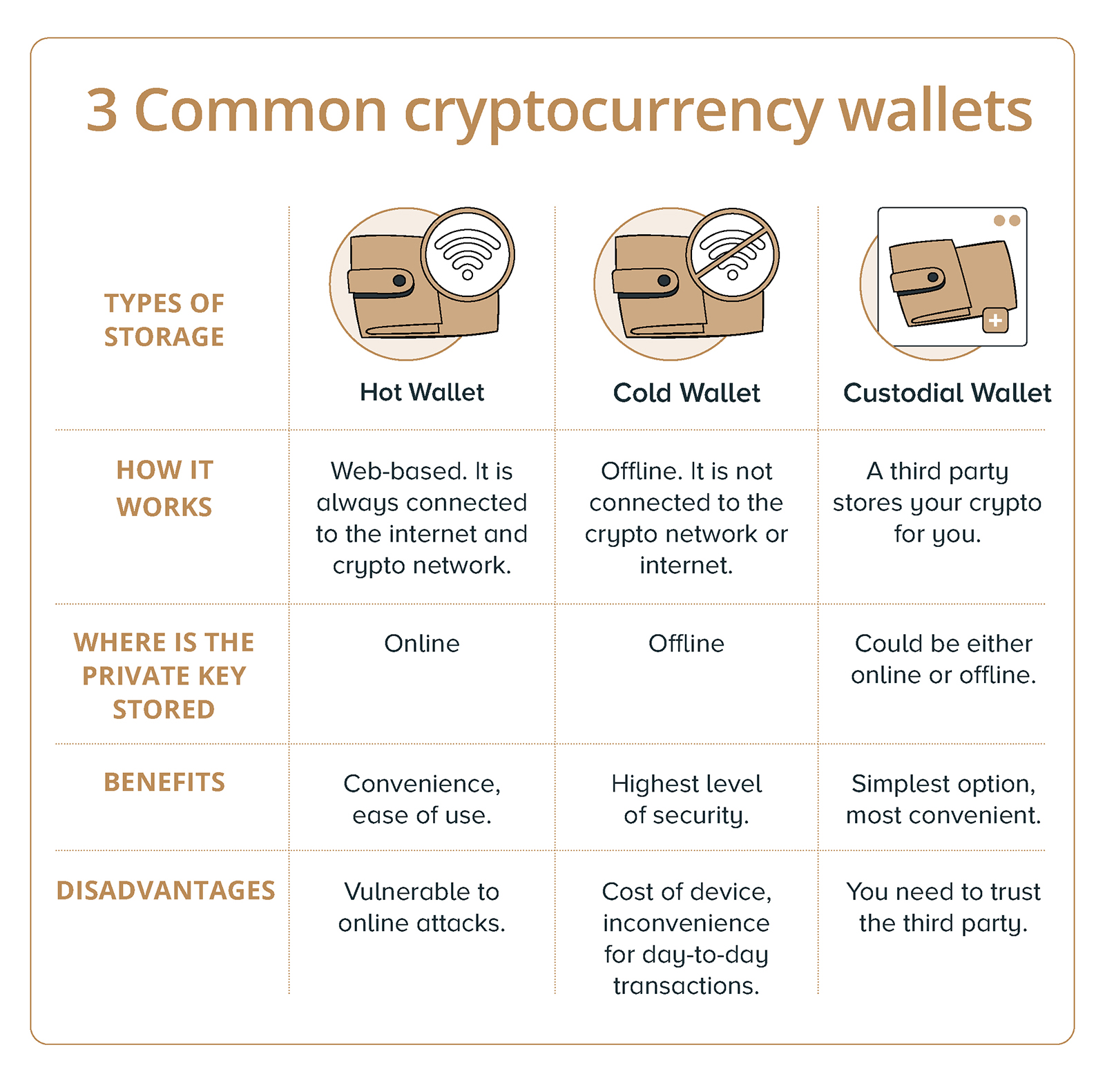
To mitigate risks, use strong passwords, enable two-factor authentication, research the exchange’s security practices, and consider keeping significant amounts of cryptocurrency in cold wallets rather than on the exchange.

Beginning with bitcoin meaning kya hai, the narrative unfolds in a compelling and distinctive manner, drawing readers into a story that promises to be both engaging and uniquely memorable.

Bitcoin, a revolutionary digital currency, originated in 2009 and has since transformed the financial landscape. It operates on a decentralized network called blockchain, allowing peer-to-peer transactions without the need for intermediaries. This groundbreaking concept has not only paved the way for cryptocurrencies but has also influenced traditional financial systems around the world.

Introduction to Bitcoin

Bitcoin is a revolutionary digital currency that emerged in 2009, created by an anonymous entity known as Satoshi Nakamoto. This cryptocurrency is built on a decentralized framework, allowing peer-to-peer transactions without the need for intermediaries like banks. Bitcoin’s significance in the financial landscape is monumental, as it has paved the way for alternative forms of currency and investment, challenging traditional financial systems.The basic principles of cryptocurrency lie in the utilization of blockchain technology.

Blockchain serves as a public ledger that records all transactions, ensuring transparency and security. Each block in the chain contains a list of transactions and is linked to the previous one, creating an immutable record. This innovative technology has not only revolutionized currency but has also opened doors for various applications across different sectors.

Bitcoin Meaning in Hindi

The term ‘Bitcoin’ translates to ‘बिटकॉइन’ in Hindi, maintaining its global identity while being embraced by Hindi-speaking communities. The significance of Bitcoin within these communities is growing, particularly as awareness about cryptocurrency increases. Cultural perspectives on cryptocurrency often reflect a mix of intrigue and skepticism, as people weigh the potential benefits against the risks involved.In popular media, Bitcoin is often discussed in the context of investment opportunities and technological advancements.

Hindi news outlets and blogs frequently cover Bitcoin trends, educating the public on how this digital currency can impact their financial future. The representation of Bitcoin in media helps demystify the concept and fosters a dialogue around its implications.

How Bitcoin Works

The technology behind Bitcoin is underpinned by blockchain mechanisms, which facilitate secure and transparent transactions. Each transaction is verified by a network of nodes, ensuring that the integrity of the blockchain is maintained. Bitcoin mining plays a crucial role in this process, where miners utilize powerful computers to solve complex mathematical problems, validating transactions and adding new blocks to the blockchain.The implications of Bitcoin mining extend beyond transaction verification; it incentivizes participants in the network by rewarding them with newly minted bitcoins.

Nodes in the Bitcoin network are responsible for maintaining the blockchain, relaying transaction information, and ensuring the system operates seamlessly. The collaboration between miners and nodes fosters a decentralized environment, enhancing Bitcoin’s resilience.

Uses of Bitcoin

Bitcoin has a myriad of applications in everyday life, transcending its original purpose as a digital currency. One of the most notable uses is as a payment method, with businesses increasingly adopting Bitcoin for transactions. This integration allows for faster and cheaper cross-border payments, which is particularly beneficial in today’s globalized economy.Several industries have recognized the advantages of Bitcoin transactions, including:

  • Retail: E-commerce platforms are now accepting Bitcoin, providing customers with more payment options.
  • Real Estate: Property investors can use Bitcoin to purchase properties, streamlining transactions and reducing fees.
  • Travel: Travel agencies are beginning to accept Bitcoin, allowing travelers to book flights and accommodations with cryptocurrency.

These examples illustrate how Bitcoin is reshaping various sectors, creating new opportunities for businesses and consumers alike.

Bitcoin Market Dynamics

The Bitcoin market operates through various trading platforms and exchanges, allowing users to buy, sell, and trade bitcoins. Factors influencing Bitcoin prices include market demand, investor sentiment, regulatory news, and macroeconomic trends. Understanding these dynamics is essential for anyone looking to engage in Bitcoin trading.Methods for tracking Bitcoin market trends effectively involve utilizing analytical tools and platforms that provide real-time data.

Traders can analyze historical price charts, news feeds, and market sentiment indicators to make informed decisions. Staying updated on market developments is crucial for successful trading.

Bitcoin Security

Ensuring the security of Bitcoin transactions is paramount, with multiple measures in place to protect users. Each transaction is encrypted and recorded on the blockchain, providing a high level of security. However, common security threats, such as phishing attacks and hacking attempts, pose risks to Bitcoin users.To safeguard Bitcoin wallets and assets, users should implement strategies such as:

  • Using hardware wallets for offline storage.
  • Enabling two-factor authentication for exchanges.
  • Regularly updating software to protect against vulnerabilities.

By adopting these security practices, Bitcoin users can minimize risks and protect their investments.

Future of Bitcoin

Speculating on the potential developments in the Bitcoin ecosystem reveals a landscape ripe for innovation. As technology evolves, we may witness advancements in transaction speeds, scalability solutions, and enhanced privacy features. These trends will likely shape how Bitcoin is used and accepted globally.Furthermore, regulatory changes are anticipated to affect Bitcoin’s acceptance, with various countries exploring frameworks to integrate cryptocurrencies into their economies.

Examples of such developments include central bank digital currencies (CBDCs) and comprehensive regulations aimed at consumer protection and market stability. These shifts could significantly impact the future trajectory of Bitcoin and other cryptocurrencies in the financial market.

Conclusion

In conclusion, understanding bitcoin meaning kya hai is essential for navigating the evolving world of digital finance. As we continue to explore its implications and future trends, it becomes clear that Bitcoin is more than just a currency; it’s a symbol of innovation and change in the modern economy.

FAQ Summary

What is Bitcoin?

Bitcoin is a decentralized digital currency that allows for peer-to-peer transactions without the need for a central authority.

How is Bitcoin created?

Bitcoin is created through a process called mining, where powerful computers solve complex mathematical problems to validate transactions on the blockchain.

Is Bitcoin safe to use?

While Bitcoin transactions are secure due to cryptography, users must take precautions to protect their wallets from hacking and fraud.

Can I use Bitcoin for everyday purchases?

Yes, many businesses accept Bitcoin as a form of payment, allowing users to make everyday purchases with this digital currency.

What impacts Bitcoin’s price?

Bitcoin’s price is influenced by factors such as market demand, investor sentiment, regulatory news, and overall economic conditions.