Kicking off with cryptocurrency asset class, this emerging sector is reshaping the landscape of investment and finance, captivating investors and tech enthusiasts alike. As digital currencies continue to gain traction, understanding their distinct characteristics and market dynamics is crucial for anyone looking to navigate this innovative realm.
From the evolution of Bitcoin to the rise of decentralized finance, cryptocurrencies have transformed from niche interests to a legitimate asset class. With their unique blend of security, innovation, and volatility, they present both opportunities and challenges that investors must consider in today’s fast-paced market.
Overview of Cryptocurrency as an Asset Class
Cryptocurrency, a term that has rapidly gained prominence over the past decade, refers to digital or virtual currencies that use cryptography for security. Unlike traditional currencies, cryptocurrencies operate on decentralized networks based on blockchain technology. This unique characteristic not only secures transactions but also ensures transparency and resistance to censorship. As a distinct asset class, cryptocurrencies have evolved from niche digital tokens to a significant component of global financial markets.The historical evolution of cryptocurrencies began with the introduction of Bitcoin in 2009 by an anonymous entity known as Satoshi Nakamoto.
Initially viewed as a novelty or a means of facilitating online transactions, Bitcoin’s success laid the groundwork for thousands of alternative cryptocurrencies, collectively known as altcoins. As of now, the cryptocurrency market has witnessed exponential growth, with a market capitalization reaching into the trillions, showcasing increasing adoption and interest from both retail and institutional investors worldwide.
Comparison with Traditional Asset Classes

Cryptocurrencies present a stark contrast to traditional asset classes such as stocks, bonds, and commodities. Here are some of the key differences:
- Volatility: Cryptocurrencies tend to exhibit higher volatility compared to traditional assets. While stocks may fluctuate due to market conditions, cryptocurrencies can experience sharp price swings based on sentiment, technology news, or regulatory developments.
- Liquidity: Many cryptocurrencies are traded 24/7 on multiple exchanges, providing greater liquidity compared to stock markets, which operate during specific hours.
- Access: Cryptocurrencies enable fractional ownership, meaning investors can buy portions of a coin, unlike traditional assets that may require significant capital to invest.
Investing in cryptocurrencies also brings unique benefits and risks. The potential for high returns, especially during bull markets, attracts many investors. However, the risks associated with market manipulation, regulatory changes, and security concerns cannot be overlooked. Historical performance metrics reveal that, despite their volatility, cryptocurrencies have outperformed traditional assets over certain periods, particularly during market upswings.
Investment Strategies for Cryptocurrency
Adopting effective investment strategies is crucial for navigating the cryptocurrency market. Some popular strategies include:
- HODLing: This strategy involves buying and holding cryptocurrencies for the long term, based on the belief that their value will increase over time.
- Day Trading: Active traders buy and sell cryptocurrencies on a daily basis to capitalize on short-term price fluctuations.
- Dollar-Cost Averaging (DCA): Investors purchase a fixed dollar amount of cryptocurrency at regular intervals, reducing the impact of volatility on the overall investment.
Here’s a table that Artikels the risk levels and potential returns associated with these strategies:
| Strategy | Risk Level | Potential Returns |
|---|---|---|
| HODLing | Low to Medium | High (Long-term growth) |
| Day Trading | High | Variable |
| DCA | Medium | Moderate (Steady growth) |
Diversification within a cryptocurrency portfolio is essential to mitigate risks. Including a mix of established coins and emerging altcoins can help balance potential losses and capitalize on growth opportunities.
Regulatory Environment and Impact
The regulatory landscape for cryptocurrencies is evolving, with various countries adopting different approaches. Some nations have embraced cryptocurrencies, establishing clear frameworks that encourage innovation and investment, while others impose strict regulations or outright bans. Regulations can significantly impact the investment and trading of cryptocurrencies by influencing market access, investor protection, and tax obligations. As the market matures, future regulatory trends are likely to focus on consumer protection, anti-money laundering (AML) measures, and the integration of cryptocurrencies into traditional financial systems, which may further legitimize the asset class.
Technological Innovations in Cryptocurrencies
At the core of cryptocurrencies lies blockchain technology, which ensures transparent and secure transaction records. Smart contracts, self-executing contracts with the terms directly written into code, are another significant innovation that enhances the functionality of blockchain networks. Emerging trends such as Decentralized Finance (DeFi) and Non-Fungible Tokens (NFTs) are reshaping the cryptocurrency landscape. DeFi allows users to access financial services without intermediaries, while NFTs represent unique digital assets that have taken the art and gaming industries by storm.To illustrate the differences between various blockchain technologies used in cryptocurrencies, consider the following table:
| Blockchain Technology | Key Features | Use Cases |
|---|---|---|
| Bitcoin | First cryptocurrency, secure and decentralized | Digital gold, value transfer |
| Ethereum | Smart contracts, programmable | DApps, DeFi, NFTs |
| Binance Smart Chain | Fast transactions, low fees | DeFi projects, token creation |
Risks and Challenges of Cryptocurrency Investment
Investing in cryptocurrencies entails several risks, including:
- Market Volatility: The prices of cryptocurrencies can fluctuate wildly within short periods, leading to significant gains or losses.
- Security Concerns: Hacking incidents and scams pose serious threats to investors’ funds, making security a top priority.
- Lack of Regulation: The absence of comprehensive regulations creates uncertainties regarding the legal status of cryptocurrencies and investor protection.
Entering the cryptocurrency market presents challenges such as the steep learning curve, the need for robust security measures, and navigating a rapidly changing landscape. To mitigate these risks, investors can adopt strategies such as using reputable exchanges, enabling two-factor authentication, and setting investment limits to avoid overexposure to volatility.
Future of Cryptocurrency as an Asset Class
The future of cryptocurrencies as an established asset class appears promising, with predictions of continued growth and evolution. Factors such as technological advancements, increased acceptance by institutions, and the development of regulatory frameworks are expected to drive mainstream adoption.As more institutional investors enter the market, the potential for cryptocurrencies to become a standard part of investment portfolios increases. Economic factors, including inflation concerns and the quest for digital alternatives to traditional banking systems, may further influence the trajectory of cryptocurrencies.
In conclusion, while the journey of cryptocurrencies as an asset class is still unfolding, their impact on the financial landscape is undeniable.
End of Discussion
In conclusion, the cryptocurrency asset class represents a significant shift in how we view and engage with investments. While the road ahead may be fraught with challenges, the potential for growth and innovation is undeniable. As digital currencies continue to evolve, staying informed and adaptable will be key for both new and seasoned investors alike.
FAQ Guide
What is a cryptocurrency?
A cryptocurrency is a digital or virtual currency that uses cryptography for security and operates on a technology called blockchain.
How do cryptocurrencies differ from traditional currencies?
Cryptocurrencies are decentralized and not controlled by any central authority, unlike traditional currencies which are issued and regulated by governments.
What are the risks associated with investing in cryptocurrencies?
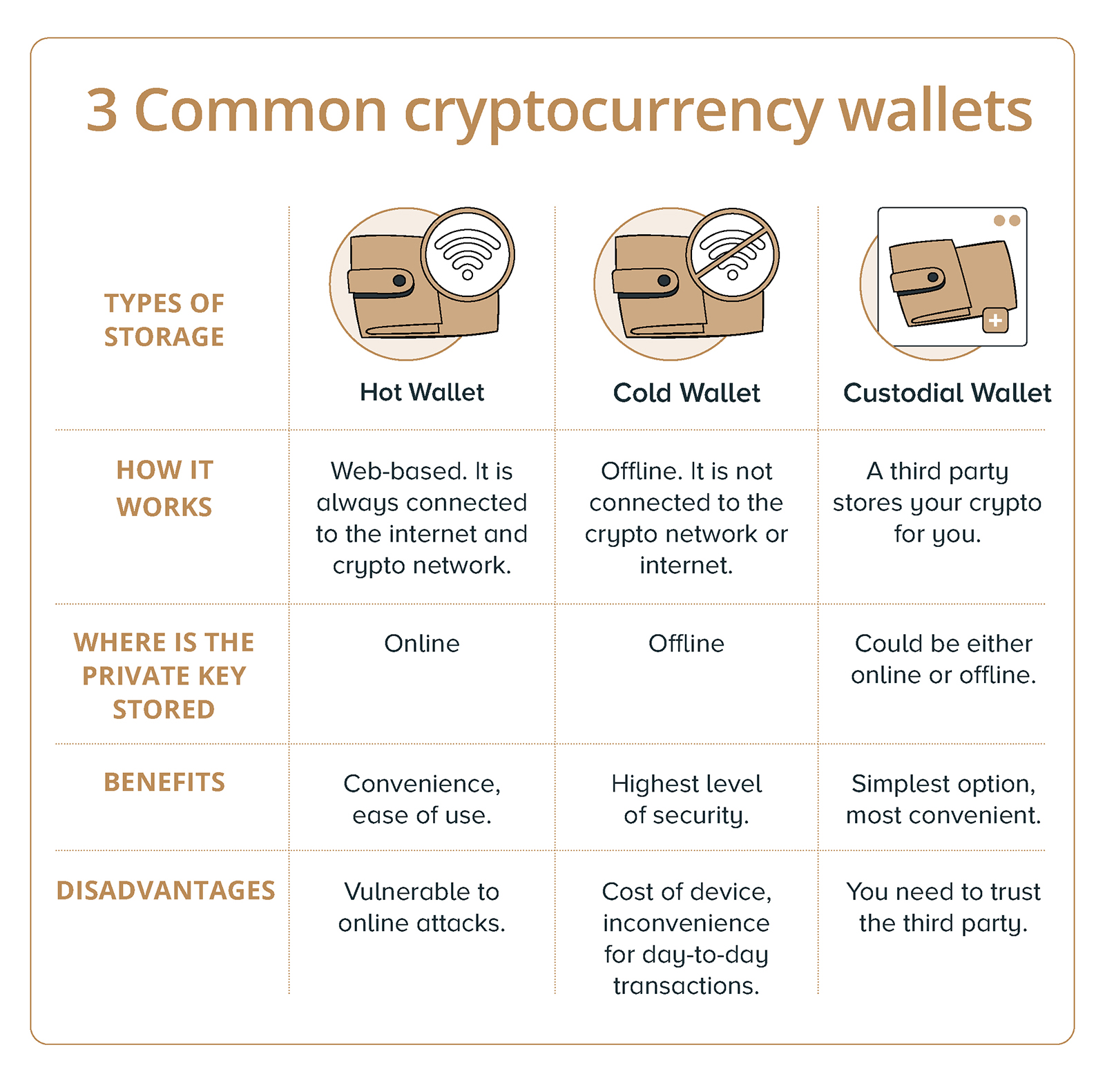
Investing in cryptocurrencies carries risks such as market volatility, regulatory uncertainties, and security concerns regarding digital wallets and exchanges.
Can cryptocurrencies be used for everyday transactions?
Yes, many cryptocurrencies can be used for everyday transactions at various retailers and service providers that accept digital currencies as payment.
What does HODL mean in cryptocurrency investing?
HODL is a slang term that means “Hold On for Dear Life,” which refers to a long-term investment strategy where investors keep their assets rather than selling during market fluctuations.