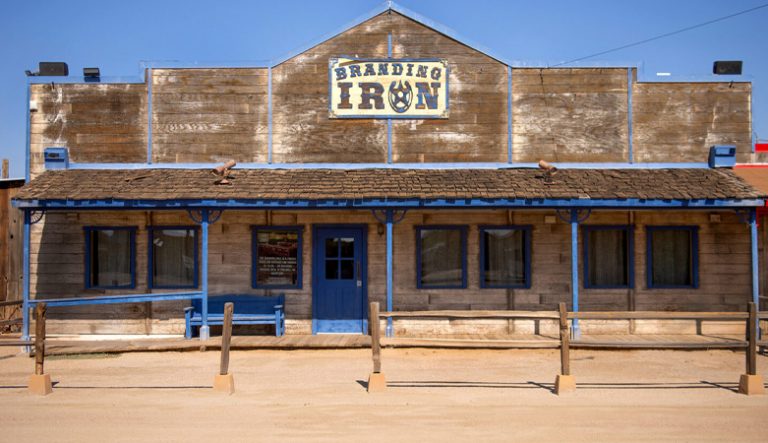
Branding Iron Restaurant in Conrad, MT, is poised to captivate diners with its unique offerings. This comprehensive overview delves into the restaurant’s profile, competitive landscape, and local market analysis, providing a deep understanding of its success factors.
From its culinary style to its target audience, this exploration examines the key ingredients of Branding Iron’s identity. The analysis also includes an examination of its digital marketing strategies, customer experience, brand storytelling, and future trends, ultimately offering valuable insights for those seeking to understand the restaurant’s approach.
Restaurant Profile
Branding Iron Restaurant in Conrad, Montana, offers a hearty, down-home dining experience. It’s a popular spot for locals and tourists alike, known for its genuine Montana hospitality and delicious, classic American fare. The restaurant aims to provide a comfortable and welcoming atmosphere, perfect for families, groups, or a solo meal.
Restaurant Ambiance and Atmosphere
The restaurant boasts a rustic yet inviting ambiance. Exposed beams, comfortable seating arrangements, and warm lighting create a cozy atmosphere, perfect for a relaxed dining experience. The overall design evokes a sense of warmth and familiarity, making guests feel at home. Large windows provide natural light and offer views of the surrounding area, enhancing the overall experience.
Cuisine Type and Style
Branding Iron specializes in American cuisine, featuring hearty portions and classic dishes. The menu highlights fresh, locally sourced ingredients whenever possible, reflecting the restaurant’s commitment to the Montana region. The style leans towards comfort food, with an emphasis on quality ingredients and traditional preparation methods.
Target Audience
The target audience for Branding Iron includes families, couples, and individuals seeking a satisfying and enjoyable dining experience. The restaurant caters to a wide range of tastes, with options to appeal to both adventurous eaters and those seeking familiar favorites.
Unique Selling Propositions (USPs)
Branding Iron distinguishes itself through its commitment to high-quality ingredients, locally sourced whenever possible, and its focus on creating a welcoming atmosphere. The restaurant’s commitment to hospitality and hearty portions further contributes to its unique appeal.
History and Evolution
The restaurant’s history is rooted in the desire to provide a quality dining experience in Conrad, Montana. It has evolved to become a local favorite, adapting its menu and service to reflect changing tastes while maintaining its core values. Early reviews and feedback from customers have shaped the restaurant’s current menu and offerings.
Menu Categories
The restaurant’s menu offers a variety of options to satisfy diverse palates. It features classic American dishes with a modern twist.
| Menu Category | Dish Examples |
|---|---|
| Appetizers | Chips and Salsa, Spinach and Artichoke Dip, Fried Pickles |
| Salads | Caesar Salad, House Salad, Grilled Chicken Salad |
| Main Courses | Grilled Ribeye Steak, Chicken Fried Steak, Baked Salmon |
| Sides | Mashed Potatoes, French Fries, Green Beans Almondine |
| Desserts | Chocolate Chip Cookie, Apple Pie, Ice Cream Sundae |
Competitive Landscape
Branding Iron Restaurant in Conrad, MT, operates within a defined competitive landscape shaped by the local dining scene. Understanding the strengths and weaknesses of competitors is crucial for developing a successful strategy. Direct competitors offer similar cuisine, while indirect competitors provide alternative dining experiences.
Direct Competitors
Several restaurants in Conrad, MT, cater to similar clientele and offer comparable dining options. Local establishments like the “Cozy Corner Cafe” and “The Montana Grill” are direct competitors. These restaurants typically focus on familiar comfort food, similar pricing models, and approachable service styles. The comparative quality of ingredients and preparation methods, alongside service levels, differentiate these establishments.
Indirect Competitors
Indirect competitors are establishments outside the restaurant industry but serve the same customer needs. These include local cafes, grocery stores with prepared foods, and even picnic areas within Conrad’s parks. These options offer a range of alternatives, sometimes at lower prices, potentially attracting customers seeking budget-friendly or casual dining experiences. Understanding these alternative options is vital for positioning Branding Iron Restaurant strategically.
Pricing Strategies of Competitors
Competitor pricing strategies generally fall within a predictable range. “Cozy Corner Cafe” tends to offer lower-priced options, while “The Montana Grill” presents a slightly higher price point. Branding Iron Restaurant’s pricing strategy should reflect the quality of its ingredients and services, aiming for a competitive edge without sacrificing affordability. Analysis of competitor menus reveals varied price points for similar items, showcasing a range of options for different customer segments.
Quality and Service Levels of Competing Restaurants
Observed quality and service levels demonstrate variations among competing restaurants. “Cozy Corner Cafe” is known for its friendly, efficient service, although the quality of ingredients may be less upscale. “The Montana Grill” offers a more refined dining experience, reflecting in its service approach and menu selections. Branding Iron Restaurant should focus on providing a level of quality that meets or exceeds customer expectations, fostering a positive dining experience.
Strengths and Weaknesses of Competitors
Competitors’ strengths and weaknesses are key factors to consider. “Cozy Corner Cafe” excels in providing quick and affordable meals, but may lack the specialized dishes or ambiance of “The Montana Grill.” “The Montana Grill,” on the other hand, benefits from a more sophisticated atmosphere and potentially higher-quality ingredients but might be less accessible to a broader range of budget-conscious diners.
This analysis helps to identify niche opportunities for Branding Iron Restaurant.
SWOT Analysis for Branding Iron Restaurant
| Factor | Description |
|---|---|
| Strengths | High-quality ingredients, focus on local sourcing, unique menu offerings, experienced chefs, commitment to customer service. |
| Weaknesses | Limited brand recognition in the local market, potentially higher price point compared to some competitors, lack of extensive online presence. |
| Opportunities | Develop strong local partnerships, participate in community events, create a strong social media presence, introduce loyalty programs. |
| Threats | Economic downturns, fluctuating food costs, emergence of new competitors, changes in consumer preferences. |
Local Market Analysis
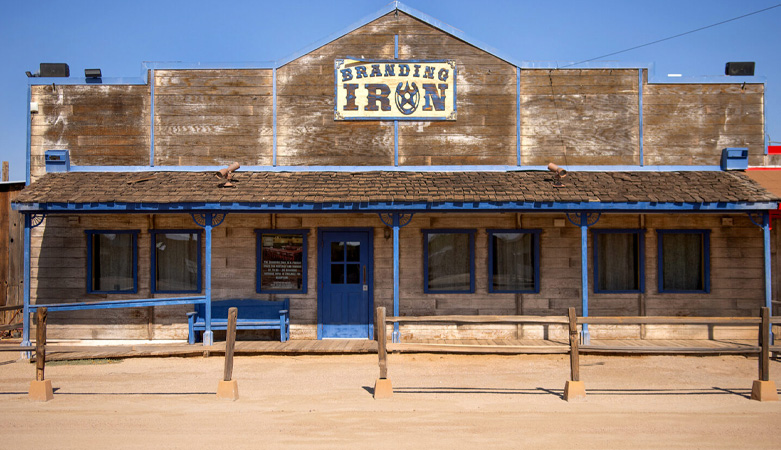
Conrad, Montana, presents a unique market opportunity for a restaurant like Branding Iron. Understanding the demographics, culinary preferences, and economic realities of the area is crucial for developing a successful business strategy. This analysis examines the factors that will impact the restaurant’s success in this specific community.
Demographic Overview of Conrad, MT
Conrad, MT, is a relatively small town, primarily composed of residents who are engaged in agriculture, local business ownership, and potentially employment in nearby industries. Understanding the demographics allows for targeted marketing and service provision.
| Demographic Category | Description | Relevance to Branding Iron |
|---|---|---|
| Age | Predominantly middle-aged and older adults, with a growing number of young families. | Catering to diverse age groups with family-friendly options and menu items suitable for various preferences will be crucial. |
| Household Income | Likely to be a mix of moderate to above-moderate income levels, reflecting the prevalence of agriculture and local businesses. | Pricing strategies should reflect the average income levels to attract customers while remaining competitive. |
| Occupation | Predominantly employed in agriculture, small businesses, and possibly in industries in the surrounding area. | Understanding the occupations and working habits will inform the restaurant’s operating hours and menu options. |
| Education | Likely to reflect the regional average, with a significant portion having completed high school or higher education levels. | Menu descriptions and service style can reflect the level of education and sophistication of the local community. |
Culinary Trends and Preferences
Local culinary trends often reflect the region’s agricultural heritage and proximity to natural resources. Expect a preference for fresh, locally sourced ingredients, as well as hearty, traditional dishes. This trend is particularly notable in Montana’s culinary landscape.
- Emphasis on local produce: Local farms and farmers’ markets are likely strong sources for fresh produce, highlighting the importance of sourcing ingredients from local suppliers.
- Preference for hearty meals: Considering the cold climate and active lifestyle of Conrad residents, hearty meals and comfort foods are likely to be popular choices.
- Traditional Montana Cuisine: Expect interest in classic Montana dishes, including steaks, burgers, and hearty soups, reflecting the state’s history and culture.
Economic Climate of Conrad, MT
The economic climate in Conrad, MT, is closely tied to the local agricultural sector. Fluctuations in agricultural commodity prices and market conditions can influence the local economy. While stable, it’s crucial to understand the potential impact of these factors on consumer spending.
Tourism and Events in Conrad, MT
Conrad’s tourism is primarily driven by outdoor recreation and events tied to local agricultural and cultural celebrations. These opportunities should be leveraged for increased visibility and customer engagement.
- Outdoor recreation: Conrad’s proximity to scenic landscapes and outdoor activities attracts tourists seeking adventure and relaxation, creating opportunities for special promotions and partnerships.
- Local events: Understanding the timing and nature of local events will allow the restaurant to leverage these occasions for marketing and customer engagement.
Community Engagement
Building strong relationships with the local community is essential for the success of Branding Iron Restaurant. This includes participating in local events, supporting local organizations, and fostering a sense of belonging.
- Sponsoring local events: Partnerships with local organizations and events are valuable opportunities for community engagement and brand visibility.
- Supporting local charities: Contributing to local charities and initiatives demonstrates the restaurant’s commitment to the community.
- Creating a welcoming atmosphere: Fostering a welcoming environment that encourages customers to feel a sense of belonging is crucial.
Digital Marketing Strategies
Restaurant branding in the digital age hinges on effective digital marketing strategies. A strong online presence is crucial for attracting customers, building brand loyalty, and ultimately driving revenue. This section explores various digital marketing strategies specifically tailored for the restaurant industry.Effective digital marketing for restaurants goes beyond simply having a website. It encompasses a multifaceted approach utilizing various online channels to connect with the target audience.
This involves understanding customer preferences, tailoring messaging, and consistently engaging through various platforms.
Different Digital Marketing Strategies for Restaurants
A comprehensive digital marketing strategy for restaurants includes multiple approaches, each playing a vital role in achieving marketing goals. These strategies encompass various online channels, from social media platforms to search engines and email marketing.
Examples of Effective Online Marketing Tactics
Several online marketing tactics can significantly boost a restaurant’s visibility and customer engagement. Utilizing user-generated content, running targeted advertising campaigns, and actively participating in relevant online communities are effective ways to enhance brand recognition and attract new customers. For example, partnering with local influencers to promote special offers or running contests on social media platforms can generate considerable buzz and attract potential customers.
Creating a Social Media Strategy for the Restaurant
A robust social media strategy is vital for restaurants to engage with their audience. The strategy should align with the restaurant’s brand identity and target audience. Consistent posting of high-quality images and videos, engaging with followers, and running targeted ads are key elements of a successful social media strategy. For instance, sharing behind-the-scenes content, showcasing chef creations, and highlighting customer testimonials can boost brand engagement and foster loyalty.
Using Online Reviews and Ratings
Online reviews and ratings are a critical aspect of restaurant marketing. Actively managing online reviews is crucial for maintaining a positive reputation. Responding to reviews, both positive and negative, is essential. Responding promptly and professionally can turn negative reviews into opportunities for improvement and highlight customer service excellence. Moreover, encouraging customers to leave reviews is important for building a strong online presence and reputation.
Potential Online Advertising Platforms
Various online advertising platforms offer tailored options for restaurant marketing. These platforms enable restaurants to target specific demographics and geographic areas. For example, Google Ads allows for precise targeting based on s and location, enabling restaurants to reach potential customers actively searching for restaurants in their area. Other platforms, like social media advertising, allow for more visual and engaging advertisements.
Mobile Optimization for the Restaurant’s Website
Mobile optimization is essential for restaurants in today’s mobile-first world. A mobile-friendly website ensures a seamless user experience across various devices. This leads to higher engagement and conversions, ultimately benefiting the restaurant’s bottom line. For instance, a restaurant website that’s difficult to navigate on a mobile phone will likely result in fewer customer interactions and missed sales opportunities.
Search Engine Optimization () in Restaurant Marketing
Search engine optimization () is crucial for driving organic traffic to a restaurant’s website. Optimizing website content for relevant s related to the restaurant’s offerings, location, and services can improve its visibility in search engine results pages (SERPs). For example, including relevant s in website content, meta descriptions, and image alt tags is crucial for improving .
Email Marketing and Newsletters
Email marketing remains a valuable tool for restaurants to engage with customers. Email newsletters can be used to announce new menu items, promotions, special events, or exclusive offers. Personalization and segmentation are key to successful email marketing campaigns. For example, segmenting subscribers based on their preferences can allow for more tailored communication.
Comparing and Contrasting Social Media Platforms
Different social media platforms cater to distinct audiences and offer varying features. Instagram, with its visual focus, is ideal for showcasing dishes and restaurant ambiance. Facebook allows for more comprehensive engagement, including targeted advertising and community building. Twitter is beneficial for quick updates and interacting with customers in real time.
Digital Marketing Channels and Potential ROI
| Digital Marketing Channel | Potential ROI | Description |
|---|---|---|
| Social Media Marketing | High | Engaging content, targeted advertising, community building |
| Search Engine Optimization () | Medium to High | Improved organic search visibility, driving traffic to website |
| Pay-Per-Click (PPC) Advertising | High | Targeted ads, precise audience reach, measurable results |
| Email Marketing | Medium | Direct communication, promotion of offers, newsletters |
| Online Reviews and Reputation Management | High | Building trust, enhancing brand image, attracting customers |
Customer Experience
A strong customer experience is paramount to the success of any restaurant, particularly in a competitive market like Conrad Mountain. It’s not just about the food; it’s about the entire journey a customer undertakes from initial interest to post-dining reflection. A positive experience fosters repeat business and positive word-of-mouth referrals, which are invaluable assets in building a thriving establishment.Excellent customer service goes beyond simply fulfilling orders; it involves anticipating needs, providing personalized attention, and addressing concerns promptly and professionally.
This proactive approach strengthens customer loyalty and satisfaction, ultimately driving revenue and brand recognition.
Importance of Excellent Customer Service
Exceptional customer service builds trust and loyalty, translating into repeat business and positive word-of-mouth marketing. Happy customers are more likely to recommend the restaurant to friends and family, creating a powerful organic marketing channel. Furthermore, positive experiences create a strong brand image, attracting new customers and increasing profitability.
Role of Staff Training in Customer Experience
Staff training plays a critical role in shaping the overall customer experience. Well-trained staff are equipped to handle various situations, from addressing customer complaints to providing personalized recommendations. Training should encompass not only product knowledge but also customer service etiquette, communication skills, and conflict resolution techniques. This comprehensive approach empowers staff to deliver exceptional service, fostering a positive and memorable dining experience.
Effective training programs should include practical exercises, role-playing, and ongoing feedback to reinforce learned skills and encourage continuous improvement.
Framework for Gathering Customer Feedback
Implementing a structured system for gathering customer feedback is crucial for understanding and addressing areas for improvement. This system should be accessible and user-friendly, encouraging customers to share their experiences openly and honestly. Simple methods such as feedback cards, online surveys, and social media polls can be highly effective. Regularly reviewing this feedback is essential to identify trends, pinpoint areas of strength and weakness, and make informed decisions to enhance the customer experience.
Implementation of Customer Loyalty Programs
Loyalty programs can incentivize repeat business and foster stronger customer relationships. Rewarding loyal customers with exclusive discounts, early access to reservations, or special offers creates a sense of appreciation and encourages continued patronage. Effective loyalty programs should be tailored to the target customer base and should offer a clear value proposition. For example, a tiered system that offers progressively better rewards as customer spend increases can be a motivating factor.
Importance of a Memorable Dining Experience
A memorable dining experience goes beyond just the food. It encompasses the ambiance, service, and overall atmosphere. Creating a unique and welcoming environment, whether through carefully curated music, a visually appealing presentation of dishes, or a warm and engaging staff interaction, can significantly impact the customer’s perception of the restaurant. A memorable experience fosters positive emotions and encourages customers to revisit the establishment.
Ways to Improve the Restaurant’s Customer Experience
Improving the customer experience involves several key areas. Firstly, optimizing the wait time for ordering and receiving food can significantly enhance satisfaction. Implementing a streamlined ordering system, such as using digital ordering kiosks or mobile apps, can greatly reduce wait times and improve the overall flow of the dining experience. Secondly, providing clear and concise menus, along with detailed descriptions of dishes, can assist customers in making informed choices.
This, combined with knowledgeable staff who can provide tailored recommendations, can enhance the overall dining experience.
Steps to Improve Customer Satisfaction
| Step | Action | Expected Outcome |
|---|---|---|
| 1 | Implement a feedback system (e.g., online survey, comment cards). | Identify areas for improvement in service and food quality. |
| 2 | Train staff on active listening and conflict resolution. | Enhance communication skills and improve customer handling. |
| 3 | Streamline the ordering process (e.g., mobile ordering, kiosks). | Reduce wait times and improve efficiency. |
| 4 | Ensure staff are well-informed about menu items. | Provide accurate information and recommendations to customers. |
| 5 | Create a welcoming and comfortable atmosphere. | Enhance the overall dining experience. |
| 6 | Develop a customer loyalty program. | Increase customer retention and encourage repeat visits. |
Brand Storytelling
Branding Iron Restaurant’s story centers on a dedication to exceptional, locally-sourced cuisine, combined with a warm and inviting atmosphere. The brand aims to connect with customers who appreciate quality ingredients, regional pride, and a welcoming dining experience.The narrative highlights the restaurant’s commitment to using fresh, seasonal produce and locally-sourced meats, showcasing the bounty of the Conrad, MT area. This focus on the community and quality ingredients forms the core of the brand story, resonating with customers seeking authentic, flavorful food.
Brand Story Connection with Customers
The brand story connects with customers by emphasizing the restaurant’s values of freshness, community, and quality. This is achieved through clear communication, both in the restaurant’s decor and its marketing materials. Customers appreciate the connection to the local area, recognizing the commitment to sustainability and supporting local farmers. By showcasing the origin of ingredients and the dedication to the community, the restaurant cultivates a loyal customer base.
Visuals and Imagery in Brand Storytelling
Visuals are crucial in conveying the brand story. High-quality images of fresh produce, locally-raised livestock, and the restaurant’s inviting interior space will visually communicate the brand’s values. Photographs of staff interacting with customers and showcasing the preparation of dishes can further emphasize the restaurant’s friendly atmosphere and culinary expertise. Color palettes and design elements should reflect the warmth and authenticity of the brand’s story.
Framework for Compelling Brand Narrative
A compelling brand narrative should clearly articulate the restaurant’s mission, values, and unique selling points. It should emphasize the restaurant’s commitment to quality ingredients, community involvement, and customer satisfaction. The story should be authentic, engaging, and memorable, resonating with the target audience. A strong narrative will create a lasting impression and foster brand loyalty. Consider the following elements:
- Origin Story: Begin with the restaurant’s origins, highlighting the inspiration and vision behind its creation.
- Values and Mission: Explicitly state the restaurant’s core values and its commitment to customers, community, and quality ingredients.
- Unique Selling Proposition: Clearly articulate what sets the restaurant apart from its competitors. This could be its focus on local ingredients, its commitment to sustainability, or its unique dining atmosphere.
- Customer Journey: Describe the customer experience, from the initial interaction to the final impression. This highlights the restaurant’s dedication to hospitality and customer satisfaction.
Community Engagement Strategies
Engaging with the local community strengthens the brand story and fosters a sense of belonging. These efforts demonstrate the restaurant’s commitment to the region and build positive relationships.
- Partnerships: Collaborate with local businesses, farmers’ markets, and community organizations.
- Events: Host cooking demonstrations, food festivals, and local fundraising events.
- Sponsorships: Support local sports teams, schools, or community initiatives.
- Social Media Campaigns: Share stories about local farmers, ingredients, and community members.
- Volunteer Opportunities: Encourage staff and customers to participate in community volunteering.
Summary of Brand Story Elements
| Element | Description |
|---|---|
| Mission | To provide exceptional, locally-sourced cuisine in a warm and inviting atmosphere, supporting the Conrad, MT community. |
| Values | Freshness, Quality, Community, Sustainability, Hospitality. |
| Target Audience | Individuals and families who appreciate quality ingredients, local products, and a welcoming dining experience. |
| Unique Selling Proposition | Commitment to locally-sourced ingredients, exceptional flavor profiles, and a vibrant community atmosphere. |
Future Trends
The restaurant industry is constantly evolving, driven by technological advancements, changing consumer preferences, and a growing emphasis on sustainability. Understanding these trends is crucial for Conrad Mountain’s Branding Iron to maintain its competitiveness and adapt to the evolving needs of its clientele. Staying ahead of the curve allows for strategic planning and a proactive approach to meet future demands.The restaurant landscape is dynamic and demands a forward-thinking approach.
Recognizing emerging trends and adapting to evolving consumer expectations are key factors for long-term success. Innovative restaurant concepts, technological integration, and sustainable practices are shaping the future of dining.
Emerging Trends in the Restaurant Industry
The restaurant industry is experiencing a rapid evolution, driven by changing consumer preferences and technological advancements. This section highlights some of the emerging trends impacting the industry. These trends are not isolated events, but rather, a complex interplay of factors that influence the future of dining experiences.
- Focus on Experiential Dining: Customers are increasingly seeking unique and memorable dining experiences beyond simply consuming food. This includes immersive environments, interactive elements, and curated narratives around the food. Examples include farm-to-table restaurants with interactive cooking demonstrations or restaurants that feature themed dining rooms and events.
- Rise of Sustainable and Ethical Practices: Consumers are more aware of environmental and social issues, demanding restaurants that prioritize sustainability. Ethical sourcing of ingredients, reducing food waste, and minimizing environmental impact are becoming critical factors for restaurant success. Restaurants that implement these practices can build a strong brand identity around sustainability and appeal to environmentally conscious customers.
- Customization and Personalization: The trend towards personalization is extending to the dining experience. This can involve customizable menus, ingredient choices, and even tailored dining recommendations based on individual preferences. For example, restaurants can use technology to collect customer data and preferences to offer personalized recommendations for dishes, wine pairings, or even seating arrangements.
Innovative Restaurant Concepts
Innovation is a cornerstone of the restaurant industry. Restaurants are exploring new concepts and ideas to cater to evolving consumer needs and preferences.
- The “Omakase” Experience (Elevated): This concept of chef-driven, curated dining experiences is becoming more prevalent, even in non-Japanese settings. It’s about trusting the chef’s expertise and allowing them to guide the dining journey with unique and unexpected combinations of flavors. An example could be a multi-course tasting menu featuring locally sourced ingredients, where the chef guides guests through the journey of the dish.
- Restaurant-Tech Integration: Technology is reshaping the dining experience, from order placement to table management. Restaurants are using technology to streamline operations, improve customer service, and provide a more interactive experience. This could involve interactive menus on tablets, digital order tracking, and online reservation systems.
- “Farm-to-Table” Restaurants with a Focus on Community: The “farm-to-table” trend is still relevant. Restaurants are partnering with local farms and suppliers, fostering relationships within the community and highlighting the origin of ingredients. This builds a sense of connection and trust with customers. This concept emphasizes the provenance and quality of the ingredients.
Impact of Technology on the Dining Experience
Technology is profoundly impacting the dining experience, from ordering to payment. This transformation is altering how restaurants interact with their customers.
- Online Ordering and Reservations: Online ordering platforms and reservation systems are becoming standard practice for most modern restaurants. This enables customers to manage their dining experience from the convenience of their device. This improves efficiency and provides better customer service.
- Mobile Ordering and Payment: Mobile ordering and payment options are rapidly gaining popularity. Customers can place orders and pay directly through their smartphones, streamlining the process and reducing wait times. It is a convenient and efficient way to handle transactions.
- Interactive Menus and Table Management Systems: Restaurants are increasingly using technology to enhance the dining experience. Interactive menus on tablets and digital table management systems offer greater flexibility and efficiency for both staff and customers.
Sustainability and Ethical Sourcing
Sustainability and ethical sourcing are no longer optional; they are crucial for a restaurant’s success.
- Reducing Food Waste: Restaurants are implementing strategies to reduce food waste, both in preparation and by utilizing leftovers creatively. This involves efficient inventory management and careful portion control. This demonstrates a commitment to minimizing environmental impact.
- Ethical Sourcing of Ingredients: Restaurants are increasingly prioritizing ethical sourcing of ingredients. This includes partnering with local farmers and suppliers who uphold sustainable farming practices. This demonstrates a commitment to supporting local communities and ethical production methods.
- Minimizing Environmental Impact: Restaurants are seeking ways to reduce their carbon footprint through energy efficiency, waste reduction, and responsible water usage. This can include using renewable energy sources, implementing water conservation measures, and optimizing waste disposal.
Adapting to Future Market Demands
Understanding future market demands requires a proactive approach. Restaurants must adapt to evolving customer preferences and trends.
- Embrace Innovation: Embrace technological advancements and new dining concepts to enhance the customer experience. This includes using technology to streamline operations, personalize customer interactions, and improve efficiency.
- Prioritize Customer Experience: Focus on delivering exceptional customer service and creating a positive and memorable dining experience. This involves creating a welcoming atmosphere, providing attentive service, and addressing customer needs promptly.
- Stay Agile and Flexible: Be prepared to adapt to changing market conditions and customer preferences. Flexibility is essential for navigating the ever-evolving landscape of the restaurant industry.
Food Delivery Services
Food delivery services have become an integral part of the restaurant industry. Adapting to this trend is crucial for success.
- Partnering with Delivery Platforms: Collaborating with popular food delivery platforms allows restaurants to reach a wider customer base and streamline the ordering process.
- Optimizing for Delivery: Restaurants need to optimize their processes for food preparation and packaging to ensure quality and efficiency during delivery.
- Ensuring Quality Control: Maintaining consistent quality and service is paramount for delivery orders, as it reflects the restaurant’s reputation.
Online Ordering and Reservations
Online ordering and reservations are now essential tools for modern restaurants. Leveraging these tools effectively is crucial.
- User-Friendly Platforms: Employing user-friendly online ordering and reservation platforms is crucial to attract customers and streamline the process.
- Streamlined Operations: Integrating these systems into existing operations is essential to ensure efficient order fulfillment and reservation management.
- Data Collection and Analysis: Leveraging data collected through online platforms can provide insights into customer preferences and help tailor offerings.
Ending Remarks
In conclusion, Branding Iron Restaurant in Conrad, MT, stands as a compelling example of a successful establishment. By combining a strong brand identity with innovative strategies, the restaurant demonstrates its commitment to the local community and provides a memorable dining experience for its patrons. The restaurant’s future looks promising, as it adapts to evolving trends and customer expectations.
Question & Answer Hub
What are Branding Iron Restaurant’s unique selling propositions (USPs)?
Branding Iron Restaurant differentiates itself through its focus on high-quality local ingredients, a welcoming atmosphere, and a commitment to exceptional customer service.
What are some of the local culinary trends in Conrad, MT?
Current trends suggest a growing demand for locally sourced, fresh, and innovative cuisine, along with a preference for sustainable and environmentally conscious dining practices.
What are the potential online advertising platforms for Branding Iron Restaurant?
Potential platforms include Google Ads, social media advertising, and local online directories. Targeted advertising campaigns on platforms like Facebook and Instagram are also viable options.
How can Branding Iron Restaurant gather customer feedback effectively?
Implementing online surveys, encouraging reviews on platforms like Yelp and Google My Business, and using feedback forms at the table are effective ways to gather valuable insights.