April 17, 2026

brand identity

Branding Iron La Jolla brings a unique and vibrant touch to the world of branding, making it a standout choice for businesses looking to establish a strong identity. With a rich history in the local area, this branding agency not only provides a diverse range of services but also emphasizes creativity and community engagement in all its endeavors.

From crafting compelling brand identities to executing innovative marketing strategies, Branding Iron La Jolla is committed to understanding its clients’ needs while ensuring that their offerings are tailored to the local culture. This approach not only enhances brand visibility but also fosters a strong connection with the community.

Introduction to Branding Iron La Jolla
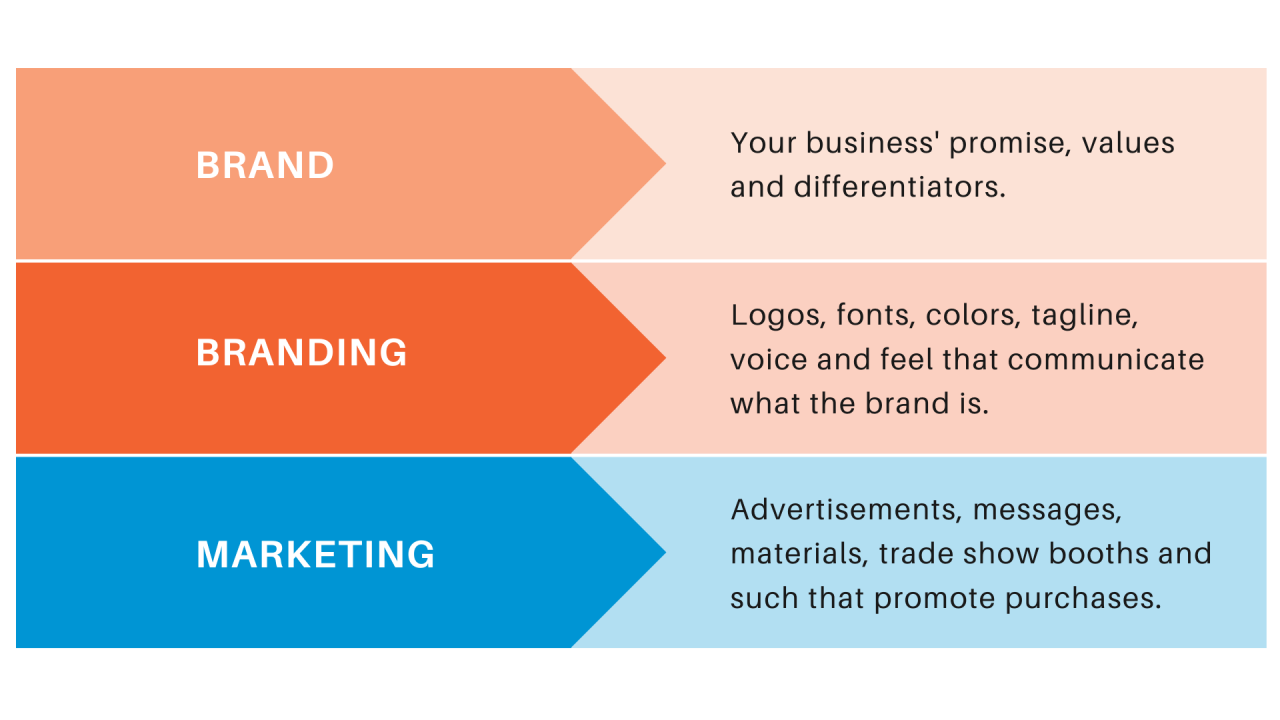
Building a brand strategy: Essentials for long-term success

Branding Iron La Jolla is not just a restaurant; it is a culinary institution that has become a beloved fixture in the La Jolla community. Established with a vision to create a unique dining experience, Branding Iron has garnered a reputation for its high-quality food and inviting atmosphere. Its origins trace back to a time when the founders sought to blend traditional American barbecue with a contemporary twist, making it a go-to spot for both locals and visitors alike.The establishment offers a diverse menu featuring a range of products that cater to various tastes and preferences.

Guests can indulge in classic barbecue dishes, including expertly smoked meats, flavorful sides, and house-made sauces that elevate the dining experience. Beyond just food, Branding Iron La Jolla also provides a selection of craft beverages, including local beers and artisanal cocktails, perfect for pairing with meals. The restaurant prides itself on using locally sourced ingredients, ensuring freshness and supporting local farmers.

Unique Features of Branding Iron La Jolla

Branding Iron La Jolla stands out from its competitors due to its commitment to quality, community, and a unique dining atmosphere. The restaurant’s interior combines rustic charm with modern design, creating a welcoming space for diners. The open kitchen concept allows patrons to witness the cooking process, showcasing the chefs’ dedication to their craft. Additionally, Branding Iron hosts regular events like live music nights and themed dinners, fostering a sense of community and engagement.Several characteristics set Branding Iron apart, including:

  • Locally Sourced Ingredients: The restaurant emphasizes fresh, local produce, ensuring that every dish is not only delicious but also supports the local economy.
  • Signature Dishes: Iconic menu items such as the smoked brisket and house-made sausages are crafted using traditional techniques, providing a unique flavor profile.
  • Community Events: Branding Iron regularly participates in local events and hosts its own, bringing people together and enhancing its community ties.
  • Engaging Ambiance: The blend of rustic and modern decor creates a unique dining atmosphere that is both comfortable and stylish.

“At Branding Iron La Jolla, we believe that great food and community go hand in hand.”

This commitment to quality and the vibrant atmosphere make Branding Iron a standout destination in La Jolla, appealing to those seeking not just a meal, but a memorable dining experience.

The Branding Process

Creating a distinctive brand identity is essential for businesses looking to thrive in today’s competitive market. Branding Iron La Jolla understands that a successful brand goes beyond just a logo or a catchy tagline; it encompasses the essence of a business’s values, mission, and vision. The branding process at Branding Iron La Jolla is meticulously designed to capture the unique personality of each client while ensuring the brand resonates with its target audience.The process of developing a brand identity involves several key steps that are tailored to meet the needs and expectations of each client.

By employing a collaborative approach, Branding Iron La Jolla ensures that the client’s vision is effectively translated into a cohesive brand strategy. The following steps Artikel the branding process utilized by the agency:

Step-by-step Branding Process

The branding process consists of the following stages:

1. Discovery and Research

The first step involves gathering insights about the client’s business, target audience, and industry trends. This is achieved through thorough market research and client interviews, allowing Branding Iron La Jolla to understand the client’s unique position in the market.

2. Brand Strategy Development

Following the research phase, the team develops a comprehensive brand strategy. This includes defining the brand’s mission, vision, values, and personality. The brand strategy serves as a blueprint for the entire branding process.

3. Visual Identity Creation

Once the brand strategy is established, the design phase begins. This includes creating a logo, color palette, typography, and other visual elements that reflect the brand’s identity. Each design choice is made with careful consideration of how it aligns with the brand’s goals and resonates with the target audience.

4. Brand Guidelines

After the visual identity is finalized, Branding Iron La Jolla creates brand guidelines. These guidelines Artikel how the brand should be presented across various platforms, ensuring consistency in messaging and imagery.

5. Implementation and Launch

The final step involves launching the brand across multiple channels. This may include updating the client’s website, social media profiles, and marketing materials to reflect the new brand identity. The team also monitors the brand’s performance to make any necessary adjustments post-launch.

Understanding Client Needs and Expectations

To create a brand identity that truly represents a business, it is crucial to understand the client’s needs and expectations. Branding Iron La Jolla employs several methods to achieve this understanding:

Client Interviews

Engaging with clients through in-depth interviews allows the team to gather personal insights about the business, its goals, and its vision.

Surveys and Questionnaires

These tools help capture quantitative data on client preferences and perceptions, providing a broader understanding of expectations.

Competitive Analysis

By analyzing competitors, Branding Iron La Jolla can identify gaps and opportunities in the market, which can inform the branding strategy.

Successful Branding Projects

Branding Iron La Jolla has successfully completed numerous branding projects that showcase the effectiveness of their process. Notable examples include:

Local Restaurant Rebranding

A popular La Jolla eatery underwent a complete rebranding to modernize its image and attract a younger audience. The new visual identity included a fresh logo and vibrant colors, resulting in a significant increase in customer engagement and sales.

Tech Startup Branding

A technology startup approached Branding Iron La Jolla to create a brand from scratch. The agency developed a unique brand strategy that emphasized innovation and reliability, leading to successful funding and partnerships.

Retail Brand Revitalization

A local boutique sought to refresh its brand identity to better reflect its upscale offerings. Through a refined visual identity and targeted marketing strategy, the boutique experienced a noticeable boost in foot traffic and online sales.These projects illustrate the successful application of Branding Iron La Jolla’s branding process, demonstrating their ability to effectively meet client needs and exceed expectations.

Cultural Influence and Community Engagement

Branding Iron La Jolla thrives on its deep-rooted connection with the local community and culture. By actively participating in community activities and forming strategic partnerships, the brand has established itself as a vibrant part of local life. This engagement not only fosters customer loyalty but also enhances the brand’s identity through shared cultural experiences.The local culture significantly shapes the branding strategies of Branding Iron La Jolla.

The team recognizes that La Jolla is not just a picturesque coastal town; it’s a melting pot of artistic expression, culinary diversity, and a rich history. Consequently, the branding efforts are tailored to resonate with the unique characteristics of the area, ensuring that the brand feels authentic and relatable to both locals and visitors alike.

Community Events and Partnerships

Engagement with the community through events and partnerships is fundamental to Branding Iron La Jolla’s brand strategy. The brand often collaborates with local organizations and hosts various events that spotlight local talent and culture. Some examples include:

  • Art Walks: These events allow local artists to showcase their work, with Branding Iron serving as a venue. This not only supports the artists but also draws in crowds who appreciate the vibrant local art scene.
  • Food Festivals: By participating in or sponsoring food festivals, Branding Iron La Jolla highlights local cuisine while promoting its own offerings, thus reinforcing its position as a community staple.
  • Charity Events: Partnering with local charities for fundraising events helps the brand give back to the community, creating a positive brand image and strengthening community ties.

Collaborations with Local Artists and Businesses

Branding Iron La Jolla has embraced collaborations with local artists and businesses to enhance its visibility and enrich the local culture. These partnerships are crucial in creating a brand narrative that is intertwined with the local ethos. Notable collaborations include:

  • Local Artisans: Featuring works from local craftsmen and artists not only decorates the space but also tells the story of La Jolla’s creative community.
  • Co-Branding Initiatives: Collaborating with nearby businesses, such as local coffee roasters or breweries, allows Branding Iron to offer unique, locally-inspired menu items, making the dining experience more authentic.
  • Community Workshops: Hosting workshops led by local experts or artists helps build a rapport with the community while showcasing the brand as a hub for creativity and learning.

Through these efforts, Branding Iron La Jolla effectively harnesses cultural influences and fosters community engagement, solidifying its reputation as not just a brand, but as an integral part of the La Jolla community.

Marketing Strategies Employed by Branding Iron

Branding Iron La Jolla employs a variety of marketing strategies to effectively promote its services and engage with its target audience. The goal of these strategies is to enhance brand visibility, foster community relationships, and ultimately drive customer loyalty and sales. Through a combination of traditional and modern marketing tactics, Branding Iron successfully positions itself in the competitive culinary landscape of La Jolla.The diversity of marketing strategies helps Branding Iron create a comprehensive outreach approach.

Key strategies include targeted digital marketing, community involvement activities, and creative promotional campaigns. These strategies not only highlight the brand’s offerings but also resonate with the local culture and lifestyle.

Marketing Strategies Overview

Branding Iron utilizes a multi-faceted marketing approach to reach potential customers effectively. Here are some key strategies employed by the establishment:

  • Social Media Engagement: Active presence on platforms like Instagram and Facebook allows Branding Iron to share mouthwatering visuals of its menu items, engage with customers through comments, and announce special events or promotions in real time.
  • Local Collaborations: Partnering with local businesses and influencers amplifies Branding Iron’s reach within the community, fostering goodwill and attracting new customers who trust these local endorsements.
  • Event Sponsorships: Involvement in local events and festivals not only increases brand visibility but also demonstrates Branding Iron’s commitment to the La Jolla community.
  • Targeted Email Campaigns: Sending personalized emails to customers keeps them informed about new menu items, special promotions, and upcoming events, thus encouraging repeat visits.
  • Unique Promotions: Creative promotions such as ‘Happy Hour’ deals or ‘Trivia Nights’ engage customers and create a lively atmosphere, drawing in crowds looking for entertainment alongside dining.

Role of Social Media in Marketing

Social media plays a crucial role in Branding Iron’s marketing efforts, serving as a powerful tool for engagement and promotion. The visually-driven nature of platforms like Instagram allows Branding Iron to showcase its culinary creations in an appealing way, enticing potential customers to visit. Branding Iron regularly shares high-quality images and videos of its dishes, creating a visually appealing feed that reflects its brand identity.

The use of relevant hashtags expands the restaurant’s reach, making it discoverable to individuals seeking dining options in La Jolla. Engagement through social media also enhances customer relationships. Responding to comments and messages, running polls or contests, and sharing user-generated content foster a sense of community and connection with customers.

Unique Campaigns Launched by Branding Iron

Branding Iron has launched several unique campaigns aimed at attracting customers and enhancing brand loyalty. These campaigns are designed to create memorable experiences that resonate with the local community.One notable campaign is the “Dine & Donate” initiative, where a portion of proceeds from specific menu items is donated to local charities. This not only attracts customers eager to support a good cause but also reinforces Branding Iron’s commitment to social responsibility.Another creative campaign is the “Chef’s Special” series, which features a rotating menu item inspired by seasonal ingredients or local flavors.

This keeps the menu fresh and exciting, encouraging repeat visits from locals and tourists alike. With these innovative strategies and campaigns, Branding Iron La Jolla successfully differentiates itself from competitors, creating a lasting impression in the minds of its customers.

Client Experiences and Testimonials

At Branding Iron La Jolla, client satisfaction is paramount. The agency prides itself on building strong relationships with its clients, fostering a collaborative environment that facilitates creativity and innovation. This commitment to excellence is reflected in the numerous testimonials received from clients across various industries, each sharing their unique experiences and success stories.Feedback from clients is not just welcomed; it’s integral to the service enhancement process.

Branding Iron actively seeks input through surveys, follow-up meetings, and informal check-ins to understand their clients’ needs and expectations. This commitment to listening ensures that the agency evolves with its clientele, continuously improving service offerings based on real-world insights.

Client Stories of Success

The following accounts illustrate the positive impact that Branding Iron La Jolla has had on its clients. Each experience showcases how tailored strategies and collaborative efforts led to tangible results.

“Working with Branding Iron La Jolla transformed our brand image entirely. Their attention to detail and creative approach exceeded our expectations. Our customer engagement has significantly increased since the rebranding process, and we couldn’t be happier!”

— Sarah T., Owner of Coastal Boutique

“The team at Branding Iron truly understood our vision and helped us articulate it in a way that resonates with our audience. Their strategic marketing campaigns led to a 50% increase in our online sales within just three months.”

— Michael R., CEO of EcoTech Solutions

“From the initial consultation to the final execution, Branding Iron was by our side every step of the way. Their genuine commitment to our success set them apart from other agencies. We’ve seen remarkable growth and are excited for the future!”

— Emma L., Marketing Director at Fresh EatsThe feedback process at Branding Iron involves regular client check-ins and the use of post-project surveys to gather insights on the client experience. This structured approach ensures that clients feel heard and valued, allowing the agency to adapt its strategies as necessary. Key highlights from their feedback system include:

  • Monthly feedback sessions to assess ongoing projects.
  • Post-campaign surveys designed to capture client satisfaction and areas for improvement.
  • Implementation of client suggestions in future strategies to enhance service delivery.

By prioritizing client input and maintaining a proactive approach to collaboration, Branding Iron La Jolla continues to foster an environment of innovation, ensuring that both the agency and its clients achieve success together.

Future Trends in Branding

As Branding Iron La Jolla continues to evolve, the exploration of future trends in branding is essential for staying ahead in a competitive marketplace. Emerging technologies and shifting consumer behaviors are reshaping how brands connect with their audiences. This segment highlights the innovative directions that Branding Iron is pursuing, the impact of technology on branding practices, and potential challenges on the horizon.

Emerging Branding Trends

Branding Iron La Jolla is keenly aware of the dynamic landscape of branding and is actively exploring several emerging trends that hold significant potential. These trends include:

  • Personalization: Tailoring brand experiences to meet individual customer preferences is becoming increasingly important. This includes personalized content, product recommendations, and targeted marketing strategies that resonate with specific audience segments.
  • Sustainability: Brands are increasingly adopting eco-friendly practices as consumers demand more environmentally responsible options. This trend is evident in product sourcing, packaging, and corporate social responsibility initiatives.
  • Brand Activism: Consumers are looking for brands that take a stand on social issues. Branding Iron is exploring ways to authentically engage with community values and advocate for causes that matter to their audience.

Impact of Technology on Branding Practices

Technology continues to play a transformative role in branding strategies at Branding Iron La Jolla. By leveraging cutting-edge tools and platforms, the agency can enhance brand visibility and engage with consumers more effectively. Key aspects include:

  • Data-Driven Insights: Utilizing analytics and big data to understand consumer behavior helps in crafting more effective marketing strategies and predicting market trends.
  • Augmented Reality (AR) and Virtual Reality (VR): These technologies create immersive brand experiences that allow consumers to interact with products in a virtual environment, enhancing engagement and driving sales.
  • Social Media Innovations: The rise of short-form content and interactive features on platforms like TikTok and Instagram is shaping how brands communicate and engage with their audiences.

Challenges in the Evolving Branding Landscape

While the future of branding presents numerous opportunities, Branding Iron La Jolla may encounter several challenges that need to be addressed strategically. These challenges include:

  • Rapid Technological Changes: Keeping up with the fast pace of technological advancements can strain resources, requiring continuous adaptation and learning.
  • Consumer Trust and Transparency: As consumers become more aware and discerning, brands must prioritize authenticity and transparency to maintain trust.
  • Increased Competition: The branding landscape is becoming overcrowded, making it essential for Branding Iron to differentiate its offerings and maintain a unique value proposition.

“Innovation distinguishes between a leader and a follower.” – Steve Jobs

Ending Remarks

In conclusion, Branding Iron La Jolla exemplifies how effective branding can elevate a business’s presence in a competitive market. By focusing on client needs, community involvement, and emerging trends, they are well-positioned to navigate the future of branding while continuously delivering exceptional results for their clients.

Helpful Answers

What services does Branding Iron La Jolla offer?

They offer a wide range of services including brand strategy, identity design, and marketing solutions.

How does Branding Iron La Jolla engage with the community?

They participate in local events and collaborate with local artists and businesses to strengthen community ties.

What is the process for creating a brand identity?

The process involves understanding client needs, market research, and designing a unique brand identity tailored to the client’s vision.

Can I see examples of their previous work?

Yes, Branding Iron La Jolla showcases a portfolio of successful branding projects on their website.

How does technology influence their branding strategies?

They leverage the latest technology and digital marketing tools to enhance brand visibility and engagement.
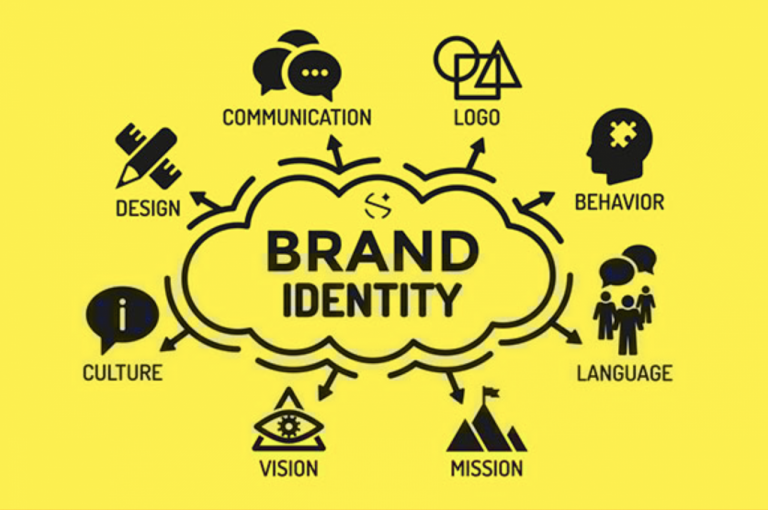
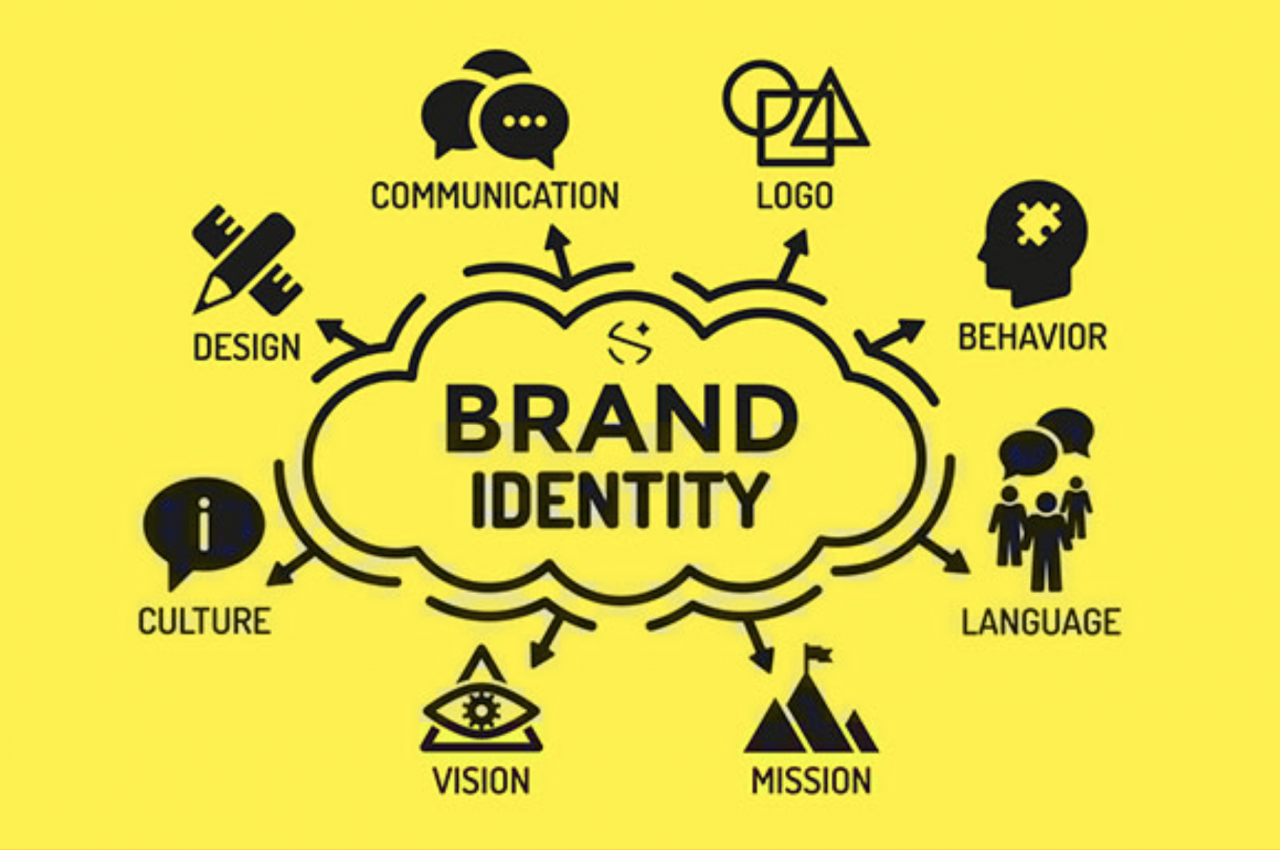
branding zara brings to life a fascinating narrative of how a fashion retailer transformed itself into a global icon. This story is not just about clothes; it’s about creating a distinct identity that resonates with consumers on multiple levels. As we dive into Zara’s branding strategies, we’ll uncover the intricacies that make it a standout in the competitive fashion landscape.

Zara’s approach to branding is a blend of innovation, consumer insight, and sustainability. By focusing on its core values and unique selling propositions, Zara has cultivated a brand identity that reflects its ethos in its store aesthetics and product offerings. This introduction sets the stage for a deeper understanding of how Zara has navigated the challenges and opportunities within the fashion industry.

Branding Fundamentals

Branding is the process of creating a unique identity for a product or company, deeply influencing how consumers perceive it. In the fashion industry, effective branding is crucial as it differentiates one brand from another, builds customer loyalty, and communicates the brand’s values. The significance of branding extends beyond mere recognition; it engages consumers on an emotional level, creating lasting impressions that drive purchasing decisions.Key elements of effective branding include visual identity, brand messaging, and customer experience.

Visual identity encompasses logos, color schemes, and typography, all of which must resonate with the target audience. Brand messaging involves the language and tone used in communications, reflecting the brand’s personality and values. Customer experience is the overall interaction a consumer has with the brand, from browsing and shopping to post-purchase engagement. Together, these elements create a cohesive and appealing brand image that attracts and retains customers.

Key Elements of Effective Branding

The main components of effective branding in the fashion industry significantly impact how brands connect with their customers. Each element plays a vital role in building a strong brand presence.

  • Visual Identity: This includes logos, colors, and design elements that represent the brand. A recognizable and appealing visual identity helps consumers easily identify and remember the brand.
  • Brand Messaging: The tone and language used in advertising, social media, and other communications should reflect the brand’s personality. Consistency in messaging strengthens the brand’s voice.
  • Customer Experience: Every interaction a customer has with the brand, from shopping to customer service, shapes their perception and loyalty. A positive customer experience encourages repeat business.

Major Branding Strategies Utilized by Leading Fashion Retailers

Leading fashion retailers employ various branding strategies to establish their market presence and cultivate consumer loyalty. These strategies are pivotal in maintaining relevance and competitiveness in a fast-paced industry.One prevalent strategy is luxury branding, where brands like Chanel and Gucci create an aura of exclusivity through high-quality products, limited availability, and premium pricing. This approach invokes desires for status and prestige among consumers.Another common strategy is cause marketing, where brands align themselves with social or environmental causes.

For example, Patagonia actively promotes environmental sustainability, creating a strong emotional connection with consumers who value corporate responsibility.Additionally, many fashion brands utilize collaborations and partnerships to broaden their reach and enhance brand image. For instance, the collaboration between Adidas and Kanye West’s Yeezy line has successfully attracted diverse audiences and generated significant buzz.

“Strong branding is about creating a connection that goes beyond the product.”

Zara’s Brand Identity

5 Proven Ways to Build Brand Authority on Social Media - Caylor Solutions

Zara’s brand identity is built on a foundation of core values that reflect its commitment to fast fashion, sustainability, and customer engagement. The brand has carved a niche for itself in the competitive retail landscape through its innovative approach to design and merchandising, appealing to a wide array of consumers seeking both style and affordability.Zara’s unique selling proposition lies in its ability to deliver the latest fashion trends in a timely manner, often within weeks of their emergence on the runway or in high fashion media.

This rapid turnaround is coupled with a commitment to affordability, allowing customers to access contemporary styles without breaking the bank. By leveraging an integrated supply chain and intuitive inventory management, Zara offers a constantly refreshed assortment of products that cater to evolving consumer preferences, distinguishing itself from traditional retailers who often lag in trend responsiveness.

Core Values That Define Zara’s Brand

Zara’s brand is anchored by several core values that guide its operations and resonate with its target audience. These values include:

  • Fast Fashion: Zara prioritizes speed in design and distribution, ensuring that customers receive the latest trends as quickly as possible.
  • Affordability: The brand maintains competitive pricing, making high-fashion styles accessible to a broader audience.
  • Sustainability: In recent years, Zara has made strides towards sustainable fashion, incorporating eco-friendly materials and practices into its production processes.
  • Customer-centric Approach: Zara places a strong emphasis on customer feedback and preferences, allowing it to adapt its offerings to meet market demands.

Unique Selling Proposition in Comparison to Competitors

Zara’s approach to the fashion retail industry sets it apart from competitors through its unique selling proposition, which includes:

  • Speed to Market: Unlike many traditional retailers that take several months to produce and release new collections, Zara’s design-to-shelf time is remarkably quick, often just two to three weeks.
  • Limited Production Runs: By producing limited quantities of each item, Zara creates a sense of urgency among consumers, reducing the likelihood of markdowns and promoting exclusivity.
  • In-Store Experience: Zara’s stores are strategically located in high-traffic areas and are designed to provide an inviting shopping experience, reflecting the brand’s trendy and upscale image.

Reflection of Brand Identity in Store Design and Product Offerings

Zara’s brand identity is vividly reflected in both its store design and product offerings, creating a cohesive brand experience. The store layouts are sleek and modern, often featuring minimalist decor that emphasizes the clothing rather than the surroundings. This aligns with Zara’s commitment to contemporary fashion and style.The product offerings frequently change, with new items introduced twice a week, ensuring that the collection remains fresh and relevant.

Store displays are meticulously curated to showcase the latest trends, often arranged thematically to inspire customers and encourage purchases.

Zara’s ability to combine fast fashion with a focus on customer experience is a significant factor in its ongoing success.

In summary, Zara’s brand identity is shaped by its core values of speed, affordability, sustainability, and customer engagement. This identity is further enhanced through innovative store designs and a dynamic product lineup, establishing Zara as a leader in the fast fashion sector.

Marketing Strategies

Zara employs a unique set of marketing strategies that effectively promote its brand while staying true to its identity as a leader in fast fashion. Its approach emphasizes agility, customer engagement, and a strong online presence, which are essential for maintaining competitiveness in the global fashion market. By leveraging various marketing techniques, Zara ensures that it resonates well with its target audience and remains at the forefront of fashion trends.Zara’s marketing techniques are multifaceted, combining traditional advertising with a strong focus on digital and social media platforms.

The brand invests less in traditional advertising channels and more in enhancing the customer experience. This approach allows Zara to create a sense of exclusivity and urgency, encouraging customers to visit stores frequently to see new arrivals.

Social Media Utilization

Zara effectively uses social media platforms such as Instagram, Facebook, and Twitter to connect with its audience and showcase its latest collections. The brand’s social media strategy focuses on visual storytelling, where high-quality images and videos highlight the latest trends and product launches. By curating aesthetically pleasing content that reflects its brand identity, Zara engages its audience and drives traffic to both its online and physical stores.The importance of social media in Zara’s marketing strategy can be seen in the following ways:

  • Community Engagement: Zara actively interacts with its followers, responding to comments and sharing user-generated content, which fosters a sense of community among fashion enthusiasts.
  • Trend Promotion: The brand uses social media to quickly showcase new collections and limited-edition pieces, creating buzz and anticipation among consumers.
  • Influencer Collaborations: Zara collaborates with fashion influencers and bloggers who amplify the brand’s reach and credibility among target demographics.

Successful Advertising Campaigns

Zara has launched several advertising campaigns that effectively highlight its brand image and core values. One notable campaign is the “Zara Woman” initiative, which focuses on empowering women through fashion. The campaign features diverse models and promotes body positivity, aligning with contemporary societal values.Another example is the “Zara’s Sustainable Collection” campaign, which showcases the brand’s commitment to sustainability. By highlighting the use of organic materials and eco-friendly production processes, Zara successfully positions itself as a responsible fashion choice, appealing to environmentally conscious consumers.

“The essence of Zara’s advertising lies in its ability to resonate with consumer emotions while effectively communicating its brand message.”

Overall, Zara’s marketing strategies, particularly its adept use of social media and impactful advertising campaigns, play a crucial role in reinforcing its brand identity and appealing to a diverse customer base.

Consumer Perception

Zara’s brand is not just about clothing; it’s a representation of style, speed, and accessibility that resonates with a significant portion of consumers. The way customers perceive Zara significantly influences their loyalty to the brand. This connection is often forged through the brand’s unique value proposition, its marketing strategies, and the overall shopping experience it provides. Zara’s branding plays a critical role in shaping purchasing decisions among its target demographics.

The brand’s commitment to fast fashion and its ability to quickly adapt to the latest trends foster a perception of immediacy and relevance. This quality not only attracts consumers but also encourages repeat purchases, reinforcing brand loyalty. The company’s strategic pricing, combined with its fashion-forward designs, helps create an aspirational image that appeals particularly to younger consumers.

Influence of Brand Identity on Loyalty

Consumer loyalty towards Zara can be closely linked to the brand identity it projects. Zara is well-known for its ability to deliver high-fashion styles at relatively affordable prices. This identity resonates with fashion-conscious shoppers who seek trendy items without breaking the bank.Key aspects of how Zara influences loyalty include:

  • Rapid inventory turnover: Zara’s model of releasing new collections every few weeks keeps customers engaged and coming back for more.
  • Perceived exclusivity: Limited stock on popular items creates a sense of urgency, prompting customers to purchase without delay.
  • Strong online presence: Zara’s website and social media platforms build a community around the brand, offering a space for customer interaction and engagement.

Customer Feedback and Brand Experience

Customer feedback plays an essential role in understanding Zara’s brand experience. Insights from consumers suggest that their shopping experience significantly impacts their perception of the brand. Positive feedback often emphasizes the quality of the garments, the stylish designs, and the efficient shopping experience both in-store and online.Important themes in customer feedback include:

  • Quality and value: Many consumers appreciate Zara’s ability to deliver quality clothing that feels luxurious yet remains affordable.
  • Store environment: Customers often report a pleasant shopping atmosphere, highlighting the modern and organized layout of stores.
  • Customer service: Feedback indicates that while Zara excels in many areas, there are occasional criticisms regarding in-store customer service, suggesting room for improvement.

Overall, consumer perception of Zara is heavily influenced by the brand’s identity and the experiences it provides, creating a strong foundation for loyalty and consistent purchasing behavior.

Sustainability and Ethical Branding

Sustainability in fashion has become a non-negotiable aspect of branding in today’s market. As consumers increasingly prioritize ethical practices and environmental consciousness, brands like Zara are adapting their strategies to align with these values. Zara, a global leader in fast fashion, recognizes the importance of sustainable branding not just for the planet but also for maintaining a competitive edge and consumer loyalty.Zara’s approach to sustainable branding is characterized by a commitment to reducing environmental impact and promoting ethical practices throughout its supply chain.

The brand has launched several initiatives aimed at improving sustainability, from sourcing materials responsibly to enhancing recycling programs. These efforts are not just corporate responsibility; they resonate with today’s consumers who demand transparency and accountability in their favorite brands.

Initiatives Promoting Ethical Practices

Zara has implemented various initiatives to promote ethical practices within its branding. These initiatives are crucial in establishing trust and loyalty among consumers, who are more aware of the implications of their purchasing decisions. Key initiatives include:

  • Commitment to 100% Sustainable Cotton: By 2025, Zara aims to use only organic, recycled, or otherwise sustainably sourced cotton. This commitment reduces the environmental impact of cotton production, which is known for heavy water use and pesticide application.
  • Environmental Protection Program: Zara has established a comprehensive program aimed at reducing waste and water usage across its production processes. This includes implementing water-saving technologies and recycling water used in production.
  • Use of Recycled Materials: The brand is increasingly incorporating recycled polyester and other materials into its clothing lines, significantly reducing the reliance on virgin resources and minimizing waste.
  • Garment Collection Initiatives: Zara has set up in-store collection bins for customers to return used clothing, promoting recycling and circular fashion. This initiative helps reduce textile waste and encourages consumers to think about the lifecycle of their garments.

The impact of sustainability on Zara’s brand reputation is profound. By taking concrete steps towards ethical branding and sustainability, Zara positions itself as a responsible leader in the fast fashion industry. This aligns with the growing consumer expectation for brands to not only offer stylish products but also to be dedicated to preserving the environment and promoting fair labor practices.

The brand’s transparency in its sustainability efforts has enhanced its image and has been instrumental in attracting a conscientious consumer base that values corporate responsibility as much as fashion.

Global Expansion and Adaptation

Zara has established itself as a global fashion leader, leveraging its agile business model to adapt its branding strategy across diverse international markets. This adaptability is essential in catering to the unique cultural, economic, and social dynamics of each region, allowing Zara to maintain its competitive edge while resonating with local consumers.Zara’s branding approach varies considerably depending on the target market.

The company recognizes that fashion is not just about clothing; it’s also about cultural expression. For instance, in markets like the Middle East, Zara has tailored its offerings to respect local customs and preferences, introducing collections that align with modest fashion trends. In contrast, in the vibrant urban centers of Europe and North America, Zara showcases trend-driven apparel that speaks to the fast-paced lifestyle of its consumers.

This regional differentiation illustrates Zara’s commitment to understanding and reflecting the diverse identities of its global audience.

Cultural Branding Variations

The adaptation of Zara’s branding in different cultures is crucial for its global success. The company employs various strategies to ensure its offerings resonate with local consumers:

Local Trends

Zara incorporates local fashion trends into its collections, allowing it to connect deeply with regional tastes. For instance, in East Asia, Zara often features colors and designs that align with seasonal festivals and traditions, enhancing its appeal.

Marketing Communications

The brand modifies its marketing messages to resonate with local languages and cultural references. For example, in Latin America, Zara’s advertising campaigns might focus on family and community, which are central values in these societies.

Store Experience

The design and layout of Zara stores are adapted to fit local shopping habits. In European cities, stores may be more compact, reflecting urban living, while in larger markets like the US, stores often offer more expansive layouts to accommodate diverse shopper behaviors.

Collaborations with Local Designers

In some regions, Zara has collaborated with local designers to create limited-edition collections that reflect indigenous artistry and craftsmanship, further enhancing its cultural relevance.

“Zara’s ability to adapt its branding strategies across borders has been a key driver of its international success.”

Maintaining brand consistency while embracing regional variations presents challenges for Zara. The company must balance its global brand identity with local adaptations to avoid alienating its core customer base. Key challenges include:

Cohesion vs. Customization

Striking the right balance between a unified brand image and localized marketing efforts can be tricky. Over-customization risks diluting Zara’s brand identity, while too much uniformity may fail to appeal to local markets.

Supply Chain Complexity

Adapting to various market demands increases the complexity of Zara’s supply chain. The brand must ensure that it can quickly respond to local trends without compromising its signature fast-fashion model.

Consumer Expectations

As consumers become more aware of global branding practices, their expectations evolve. Maintaining consistent quality and brand values across all markets is crucial to retain customer trust.Zara’s commitment to understanding and adapting to diverse cultural landscapes not only enhances its market presence but also solidifies its reputation as a global fashion icon.

Brand Evolution

Zara, a flagship brand of the Inditex Group, has undergone significant transformations in its branding strategy since its inception in 1974. Initially rooted in a simple, value-oriented approach to fashion, Zara has evolved into a prominent player in the global fashion industry, known for its innovative strategies and ability to adapt to ever-changing consumer demands. This evolution has been shaped by shifts in consumer culture, technological advancements, and the brand’s commitment to sustainability.The evolution of Zara’s branding can be characterized by several key phases, each marked by strategic shifts that responded to the market landscape.

From its early days, Zara’s focus was on providing affordable yet stylish clothing, but over the years, the brand has adopted a more modern and sophisticated identity, integrating aspects such as sustainability and digital engagement into its core strategy.

Significant Changes in Branding Strategy

Zara’s branding strategy has evolved significantly through various phases, each reflecting a response to market demands and industry trends. The following points highlight the most notable changes in Zara’s branding approach:

  • Shift to Fast Fashion Model: Initially centered on traditional retail, Zara embraced the fast fashion model in the late 1990s, allowing for rapid design-to-retail cycles, which enabled the brand to respond swiftly to fashion trends.
  • Introduction of Limited Collections: Zara adopted the strategy of releasing limited collections to create a sense of urgency among consumers. This not only drove foot traffic to stores but also enhanced the brand’s exclusivity.
  • Expansion of Online Presence: With the rise of e-commerce, Zara enhanced its digital platform in the 2010s, integrating online and offline shopping experiences, thus reaching a broader audience.
  • Focus on Sustainability: In recent years, Zara has committed to sustainability by introducing eco-friendly collections and setting ambitious goals, such as using 100% sustainable fabrics by 2025, reflecting a growing consumer demand for ethical practices.
  • Diverse Marketing Campaigns: Zara has also diversified its marketing strategies to include influencer collaborations and social media campaigns, which have helped the brand engage with younger audiences effectively.

Zara’s ability to adapt and evolve its branding strategy has solidified its position in the market. The brand’s future is likely to be influenced by emerging trends in consumer behavior and technology.

Future Trends Influencing Brand Development

As Zara looks ahead, various future trends will shape its brand development. The following points Artikel potential influences on Zara’s branding strategy:

  • Enhanced Digital Integration: The increasing reliance on technology will push Zara to further integrate digital experiences into retail, including augmented reality features and personalized shopping experiences.
  • Sustainability as a Core Value: The expectation for brands to adopt eco-friendly practices will continue to rise, prompting Zara to innovate in sustainable materials and transparent supply chain practices.
  • Shift Towards Inclusivity: Consumer demand for diversity and inclusivity is likely to influence Zara’s product offerings, marketing campaigns, and overall brand messaging.
  • Global Cultural Influences: As fashion becomes more globalized, Zara will need to navigate and incorporate various cultural trends into its collections, ensuring relevance across diverse markets.
  • Focus on Well-being and Comfort: The growing emphasis on lifestyle and well-being may lead to an increase in casual and comfortable clothing lines as consumers prioritize comfort in their fashion choices.

Through these future trends, Zara aims to maintain its competitive edge and continue evolving its brand, ensuring it remains at the forefront of the fashion industry while staying true to its core values.

Closure

In conclusion, the journey of branding zara reveals the essence of adaptability and consumer connection in a rapidly changing market. As we’ve explored its marketing techniques, brand identity, and commitment to sustainability, it’s clear that Zara has not only influenced fashion but also set benchmarks for branding excellence. Looking ahead, Zara’s ability to evolve while staying true to its core values will be crucial in shaping its future in the global fashion arena.

FAQs

What are the key elements of Zara’s branding?

Zara’s branding focuses on its unique design, rapid inventory turnover, and commitment to trend responsiveness, creating a strong identity in the fashion world.

How does Zara utilize social media in its branding?

Zara leverages social media platforms to engage with customers, showcase new collections, and create a community around its brand, enhancing customer loyalty.

What sustainability practices does Zara follow?

Zara is committed to sustainable practices through initiatives like the use of eco-friendly materials, waste reduction, and promoting recycling among customers.

How does consumer perception impact Zara’s branding?

Consumer perception plays a critical role in Zara’s branding, influencing loyalty and purchasing decisions, which are shaped by their experiences and feedback.

What challenges does Zara face in global branding?

Zara navigates challenges such as cultural differences, local competition, and maintaining brand consistency across diverse markets while expanding globally.

Understanding your brand vision is crucial for long-term success. It’s not just a mission statement; it’s the overarching aspiration that guides your entire organization. This guide dives deep into defining, developing, and communicating a compelling brand vision, covering everything from core components to practical application.

From identifying key factors to crafting a compelling vision statement, we’ll explore the entire process. We’ll also examine how a strong brand vision impacts your branding strategy, internal communication, and ultimately, your bottom line.

Defining Brand Vision

A brand vision articulates a company’s aspirational future, painting a picture of what the brand wants to become and accomplish in the long term. It serves as a guiding star, illuminating the path toward realizing the company’s ultimate potential. It transcends immediate goals and focuses on the enduring impact the brand seeks to have on the world.A well-defined brand vision provides a roadmap for decision-making, ensuring alignment across all departments and projects.

It inspires employees to strive for excellence and fosters a shared sense of purpose, thus enhancing employee engagement and loyalty. Furthermore, it provides a compelling narrative for attracting and retaining customers who resonate with the brand’s long-term aspirations.

Defining Brand Vision Concisely

A brand vision is a future-oriented declaration that describes the desired state of a brand. It Artikels the brand’s aspirations, values, and the impact it aims to achieve in the market. Key components include the brand’s desired position in the market, its core values, and its envisioned customer relationships.

Distinguishing Brand Vision from Mission

A brand vision focuses on the future aspiration, while the mission Artikels the present-day actions needed to achieve that vision. The vision answers “Where do we want to be?” while the mission answers “How do we get there?”. The vision is the long-term destination, while the mission is the ongoing journey.

Importance of a Clear Brand Vision

A clear brand vision is critical for long-term success. It provides a framework for strategic decision-making, ensuring consistency and alignment across all business activities. It guides resource allocation, product development, and marketing efforts towards a shared objective, optimizing resource utilization.

Inspiring Employees and Customers

A strong brand vision inspires employees by providing a sense of purpose and direction. It motivates them to contribute to something bigger than themselves. A compelling vision resonates with customers, fostering loyalty and a sense of shared identity with the brand. This shared vision cultivates a deeper connection, enhancing brand equity.

Framework for a Compelling Brand Vision

A compelling brand vision should incorporate several key elements:

  • Aspirational Goal: A clear and ambitious statement of what the brand wants to achieve.
  • Target Audience: A well-defined understanding of the ideal customer the brand seeks to attract and serve.
  • Core Values: The fundamental principles that guide the brand’s actions and decisions.
  • Unique Selling Proposition (USP): What makes the brand different and desirable compared to competitors.
  • Desired Future State: A detailed picture of the future market landscape and the brand’s position within it.

Comparing Brand Vision Types

Different types of brand visions cater to specific market needs and company strategies. The table below illustrates common categories.

Brand Vision Type Focus Example
Product-Centric Innovation and advancement in product offerings. Developing the next generation of sustainable energy solutions.
Customer-Centric Creating exceptional customer experiences. Becoming the leading provider of personalized customer support.
Market-Dominance Establishing a strong market presence and leadership. To become the undisputed market leader in sustainable fashion.
Social Impact Making a positive impact on society. To be a leading force in environmental conservation through sustainable practices.

Developing a Brand Vision

Crafting a compelling brand vision is crucial for a company’s long-term success. It provides a roadmap for future growth and guides decision-making across all departments. A well-defined brand vision inspires employees, attracts customers, and positions the company for sustained competitive advantage.A robust brand vision goes beyond simply stating a desired future state. It meticulously Artikels the aspirations, values, and the specific target outcomes the company aims to achieve.

This framework acts as a guiding star, ensuring that all actions and strategies are aligned with the overarching brand purpose.

Key Factors for Crafting a Brand Vision

Several key factors are instrumental in developing a robust brand vision. These elements include understanding the company’s core values, analyzing market trends, and identifying target customer needs. Furthermore, considering the competitive landscape and assessing the company’s unique strengths and weaknesses is vital for formulating a realistic and impactful vision.

Envisioning a Future for a Company

Envisioning a future for a company involves a multifaceted approach. It begins with a deep understanding of the current market landscape and the company’s current position. Next, thorough research into potential future trends and industry dynamics is critical. Anticipating and adapting to these trends are essential for a forward-looking strategy. Finally, a creative process of imagining different scenarios and possibilities for the company’s future is crucial.

Step-by-Step Guide for Creating a Brand Vision Statement

Developing a brand vision statement requires a structured process. A well-defined procedure will guarantee the vision’s effectiveness and its ability to steer the company’s trajectory.

  1. Initial Research and Analysis: This phase involves a deep dive into the company’s history, mission, values, and current performance. Conducting market research to understand the competitive landscape and identifying potential opportunities is critical. Thoroughly assessing the company’s strengths and weaknesses is crucial.
  2. Brainstorming and Ideation: Gather key stakeholders to brainstorm various possibilities for the company’s future. Encourage creative thinking and the exploration of diverse perspectives. Consider innovative technologies, emerging market trends, and potential customer needs.
  3. Defining the Vision Statement: Translate the brainstorming sessions into a concise and impactful brand vision statement. Ensure the statement clearly articulates the company’s aspirations, values, and the specific target outcomes. It should resonate with employees, customers, and investors.
  4. Refinement and Validation: Seek feedback from various stakeholders, including employees, customers, and investors. Refine the vision statement based on the feedback received, ensuring it aligns with the company’s overall strategic direction.
  5. Communication and Implementation: Communicate the brand vision to all stakeholders to ensure everyone understands and is aligned with the company’s goals. Develop strategies and initiatives to implement the vision across all departments.

Examples of Effective Brand Vision Statements

Various companies have successfully articulated their brand vision in compelling ways. These statements provide valuable insights into how to effectively communicate aspirations.

  • Tesla: To accelerate the world’s transition to sustainable energy.
  • Netflix: To be the world’s leading internet entertainment company.
  • Amazon: To be Earth’s most customer-centric company, where customers can find and discover anything they might want to buy online.

Involving Key Stakeholders in the Vision-Building Process

Involving key stakeholders in the vision-building process is crucial. Their participation ensures that the vision reflects diverse perspectives and is aligned with the company’s overall goals.

Stage Description
Research Gather data on the company, market, and competitors.
Brainstorming Generate ideas and explore different possibilities for the company’s future.
Refinement Develop a clear and concise vision statement based on feedback and input.

Brand Vision and Branding Strategy

A brand vision serves as a guiding star for a company’s branding efforts. It Artikels the desired future state of the brand and provides a roadmap for achieving that aspiration. This vision directly influences the overall branding strategy, shaping the brand’s positioning, messaging, and ultimately, the brand experience. The interplay between vision and strategy is crucial for long-term brand success.A well-defined brand vision is not just a lofty aspiration, but a practical blueprint.

It dictates the choices made in branding decisions, from the tone of voice in marketing materials to the design elements of the brand identity. The vision ensures consistency and focus across all touchpoints, strengthening the brand’s overall perception.

Relationship Between Brand Vision and Branding Strategy

The relationship between brand vision and branding strategy is symbiotic. A strong brand vision provides the overarching direction for the branding strategy, ensuring all actions align with the desired brand identity and future. The strategy then translates the vision into actionable steps, tactics, and measurable goals. This connection guarantees a cohesive and consistent brand experience.

Role of Brand Vision in Different Branding Strategies

The significance of brand vision varies based on the chosen branding strategy. For example, a brand pursuing a premium positioning strategy requires a vision that resonates with luxury and exclusivity. A brand focusing on a value-driven approach will likely have a vision centered around affordability and accessibility. Differentiation strategies necessitate a clear vision outlining unique brand attributes and values.

Influence of Brand Vision on Brand Positioning and Messaging

A brand vision significantly impacts how a brand positions itself in the market and how it communicates with its target audience. The vision guides the selection of key messages that effectively convey the brand’s essence and differentiate it from competitors. For instance, a vision focused on innovation will dictate messaging emphasizing cutting-edge technology and forward-thinking solutions.

Examples of Brand Vision Translated into Specific Branding Strategies

Consider a company with a vision to become the leading sustainable apparel brand. This vision could translate into a branding strategy focused on eco-friendly materials, ethical manufacturing practices, and transparent supply chains. This strategy would be reflected in the brand’s communication, product design, and retail partnerships. Another example could be a tech company with a vision to simplify complex technologies.

Their strategy might involve user-friendly interfaces, intuitive design, and clear communication of complex concepts.

Connection Between Brand Vision and Various Branding Strategies

Brand Vision Premium Branding Strategy Value-Driven Branding Strategy Differentiation Branding Strategy
Become the most trusted and innovative technology provider. Offer high-quality products with a focus on craftsmanship and exclusivity. Provide affordable and reliable products with excellent value. Focus on unique product features and services that cater to niche needs.
Lead the industry in sustainable solutions. Position products as status symbols and highlight superior craftsmanship. Offer competitive pricing and emphasize the practical utility of products. Highlight specialized expertise and unique customer service.

Impact of Brand Vision on Brand Identity and Brand Experience

A strong brand vision is the bedrock for a compelling brand identity. It guides the design choices, color palettes, typography, and visual elements that collectively create the brand’s visual identity. The vision also influences the brand experience, shaping customer interactions, service quality, and overall brand perception. For instance, a vision emphasizing customer service excellence will translate into a customer-centric brand experience.

Impact of External Factors on Brand Vision and Branding Strategy

External factors, such as economic shifts, technological advancements, and changing consumer preferences, can significantly impact a brand’s vision and subsequently influence its branding strategy. A company might need to adapt its vision to meet new market demands or technological innovations. For example, if consumers shift towards eco-friendly products, a company’s vision and strategy must adapt to incorporate sustainability principles.

The adaptability and responsiveness of the brand vision to these changes are key to its long-term success.

Communicating Brand Vision

Effective communication of a brand vision is crucial for its successful implementation and shared understanding across the organization and external stakeholders. This involves more than just stating the vision; it necessitates tailoring the message to resonate with diverse audiences and ensuring consistent delivery across all platforms.A well-communicated brand vision fosters alignment, motivates employees, and builds a shared sense of purpose, ultimately driving positive outcomes.

Clear articulation and consistent messaging are essential for maintaining brand integrity and fostering customer loyalty.

Internal Communication Methods

Internal communication of the brand vision should be multifaceted, employing various channels to reach all employees and ensure understanding. Regular team meetings, intranet updates, and internal newsletters can be utilized to disseminate information. In addition, presentations and town hall meetings provide opportunities for Q&A and interactive discussion.

  • Regular Team Meetings: These meetings provide a platform for discussing the brand vision, its implications for specific teams, and addressing any concerns.
  • Intranet Updates: Dedicated sections on the intranet can be used to post updates, news, and relevant materials relating to the brand vision.
  • Internal Newsletters: A regularly published newsletter can keep employees informed about the brand vision’s progress, achievements, and future plans.
  • Presentations: Formal presentations, led by senior leadership, can clearly Artikel the brand vision and its strategic goals.
  • Town Hall Meetings: These events offer a more interactive platform for employees to ask questions, share insights, and discuss the vision’s impact on their roles.

Tailoring Communication to Different Audiences

Understanding the specific needs and perspectives of various audiences is paramount. Tailoring the communication style, language, and content to each audience ensures effective engagement and fosters a sense of ownership. Different audiences might need different levels of detail and different formats for information consumption.

  • Executive Leadership: Present the vision in a concise, strategic manner, emphasizing the overall business impact and potential returns.
  • Mid-Level Managers: Provide a more detailed overview of how the vision aligns with their specific department goals and responsibilities.
  • Employees: Focus on how the vision impacts their daily work, highlighting the individual contributions and the personal value proposition.
  • Customers: Convey the vision through marketing materials that showcase the brand’s values and purpose.

Ensuring Consistent Communication

Consistency is key to establishing a strong brand identity and building trust with stakeholders. All communication channels should align with the core values and messaging of the brand vision. A style guide can help ensure uniformity.

  • Brand Style Guide: A document outlining the brand’s tone of voice, visual identity, and communication principles.
  • Key Messaging Framework: A framework that provides consistent language and messaging across all platforms and interactions.
  • Cross-Functional Collaboration: Encourage communication and alignment among teams responsible for different aspects of brand communication.

Utilizing Storytelling to Convey Vision

Storytelling is a powerful tool to connect with audiences on an emotional level and effectively convey the brand vision. Sharing stories that illustrate the vision’s impact, challenges overcome, and future aspirations fosters a deeper understanding and inspires engagement. This can be achieved through narratives, case studies, and testimonials.

  • Narratives: Share the history of the brand and its evolution to illustrate how the vision has shaped its trajectory.
  • Case Studies: Highlight success stories and demonstrate how the brand vision has been implemented and yielded positive outcomes.
  • Testimonials: Incorporate quotes and testimonials from employees, customers, and partners to showcase the vision’s impact.

Communication Channels for Disseminating Brand Vision

Different communication channels cater to various needs and preferences. Choosing the right channel ensures that the message reaches the intended audience effectively. A well-defined communication strategy is crucial for effective dissemination.

Communication Channel Description Target Audience
Internal Newsletters Regular updates on brand vision progress All employees
Intranet Detailed information and resources All employees
Team Meetings Discussions and Q&A sessions Specific teams
Presentations Formal communication of strategic plans Executive leadership, managers
Social Media Brand messaging for external audiences Customers, potential customers
Website Brand vision statement and related information General public, stakeholders

Visual Elements for Effective Vision Communication

Visual elements such as logos, imagery, and typography significantly contribute to the overall impact of brand vision communication. Consistent and well-designed visuals reinforce the brand’s identity and make the message more memorable.

  • Logos: A strong logo acts as a visual representation of the brand vision, conveying its values and personality.
  • Imagery: High-quality images and graphics can evoke emotions and illustrate the brand vision’s impact and values.
  • Typography: Choosing the right fonts reinforces the brand’s identity and enhances the readability of communication materials.

Measuring the Impact of Brand Vision

A well-defined brand vision isn’t just a lofty aspiration; it’s a roadmap for achieving tangible business results. Measuring its impact provides crucial feedback, enabling adjustments and ensuring the vision aligns with the company’s performance. This process isn’t just about tracking progress; it’s about fostering a dynamic relationship between the vision and the realities of the market.Understanding the impact of a brand vision requires a systematic approach to evaluating its effect on key performance indicators (KPIs).

This involves establishing measurable goals, tracking progress, and analyzing data to identify areas where the vision needs adaptation.

Key Metrics for Measuring Brand Vision Impact

Defining the metrics used to measure brand vision impact is paramount. This process should align with the specific goals Artikeld in the vision statement. The chosen metrics should reflect the desired outcomes and provide a clear picture of progress. For instance, if the vision centers on customer loyalty, metrics like customer retention rates and Net Promoter Scores (NPS) become critical.

  • Financial Performance: Revenue growth, profit margins, market share, and return on investment (ROI) are crucial indicators of financial success driven by the brand vision. Analysis of these metrics reveals whether the vision is contributing to the company’s financial well-being.
  • Customer-Centric Metrics: Customer satisfaction, customer lifetime value (CLTV), brand awareness, and customer retention rates are essential to gauge the impact on customer relationships. A strong brand vision often translates into increased customer loyalty and advocacy.
  • Market Share and Competitiveness: Tracking market share and comparing the company’s performance against competitors provides a valuable perspective on the brand’s position in the market. This helps identify areas where the brand vision is successfully differentiating the company and areas where improvement is needed.
  • Employee Engagement and Retention: A strong brand vision can foster a sense of purpose and shared values among employees, leading to increased engagement and lower turnover. Tracking employee satisfaction and retention rates gives insight into the vision’s impact on the internal environment.

Tracking Progress Toward the Brand Vision

Implementing a robust tracking system is essential for monitoring progress. This involves establishing clear benchmarks and regularly assessing performance against those benchmarks. Regular reporting and analysis are key to understanding the effectiveness of the brand vision.

  • Establish Baseline Metrics: Before implementing any changes, identify baseline data for all relevant metrics. This provides a crucial starting point for comparison and allows for objective assessment of progress.
  • Set Realistic Goals: Develop realistic and measurable goals aligned with the brand vision. These goals should be specific, measurable, achievable, relevant, and time-bound (SMART).
  • Regular Reporting: Implement a regular reporting system to track progress against the set goals. This ensures consistent monitoring and allows for timely adjustments.
  • Data Visualization: Visualize data using graphs and charts to highlight trends and patterns. This facilitates easier comprehension and faster identification of potential issues or areas for improvement.

Adapting the Brand Vision Based on Performance Data

Regular evaluation of performance data is essential for adapting the brand vision. This involves recognizing trends, analyzing data to understand their impact, and making adjustments as needed. The process should be iterative, with constant refinement and improvement.

  • Analyzing Trends: Identify trends and patterns in the collected data. For instance, if customer satisfaction scores are declining, this signals a need for investigation.
  • Identify Root Causes: Determine the root causes behind observed trends. If customer satisfaction is declining, it might be due to changes in competitor strategies, shifts in consumer preferences, or internal process inefficiencies.
  • Iterative Adjustments: Based on the analysis, adapt the brand vision or its associated strategies. This may involve adjustments to marketing campaigns, product development, or internal processes.

System for Measuring and Evaluating Brand Vision Success

Metric Target Baseline Current Value Trend Action Plan
Customer Satisfaction (NPS) 70 65 68 Slight increase Refine customer service training, analyze feedback for areas for improvement.
Website Traffic 100,000 80,000 95,000 Positive Maintain current marketing strategies.
Employee Turnover Rate 10% 15% 12% Decreasing Continue employee engagement initiatives.

Methods for Adjusting Brand Vision Based on Feedback

Feedback from customers and stakeholders provides crucial insights into the effectiveness of the brand vision. Actively seeking and incorporating this feedback is essential for ongoing improvement.

  • Customer Surveys: Conduct regular customer surveys to gauge their perception of the brand and its alignment with their needs.
  • Stakeholder Interviews: Conduct interviews with key stakeholders to understand their perspectives on the brand vision and its implementation.
  • Social Media Monitoring: Monitor social media conversations to identify emerging trends and understand public perception of the brand.

Outcome Summary

In conclusion, a well-defined brand vision is the cornerstone of a successful organization. It inspires employees, attracts customers, and shapes the long-term trajectory of your brand. By understanding the elements of a strong vision, the process of development, and how to effectively communicate it, you’re equipping your company for sustainable growth and market leadership.

Common Queries

What’s the difference between brand vision and mission?

Brand vision describes the aspirational future state of the company, while the mission Artikels the actions needed to achieve that vision. The vision is broader and more future-oriented, whereas the mission is more focused on the present and how to get there.

How can I involve stakeholders in the vision-building process?

Involve key stakeholders by organizing workshops, surveys, and feedback sessions. Actively solicit their input and perspectives to create a vision that resonates with the entire team.

What are some key metrics to measure brand vision impact?

Track metrics like employee engagement, customer satisfaction, market share growth, and brand awareness to assess the impact of your brand vision on performance.

How do external factors influence brand vision?

External factors like market trends, economic conditions, and competitive landscape should be carefully considered when defining your brand vision. Adapt your vision as needed to stay relevant and competitive.