April 17, 2026

branding

Branding iron on humans is a fascinating topic that dives deep into the intersection of culture, identity, and art. Historically, branding has been used for a variety of purposes, from marking livestock to expressing personal identity through body modification. As we navigate through this subject, we’ll uncover how branding practices have evolved and the significance they hold in modern society.

From artists who creatively incorporate branding into their work to the safety protocols that are crucial when applying these heated tools on human skin, the discussion encompasses a broad spectrum of perspectives. This exploration highlights the emotional, psychological, and cultural dimensions of branding, enriching our understanding of its impact.

Introduction to Branding Irons

Branding irons have a rich history that dates back thousands of years, serving as tools for marking ownership or identity on livestock and later extending their use to various crafts and industries. Originating from the need to signify ownership, these tools have transformed over time, finding their place in both functional and artistic expressions.The significance of branding is deeply woven into the cultural fabric of societies around the world.

In ancient times, branding was essential for identifying livestock, preventing theft, and establishing ownership, particularly in agrarian communities. Each symbol or mark carried its own meaning, often conveying information about the owner’s clan or lineage. Over time, branding has evolved from its agricultural roots into modern applications, including business branding, where companies use logos and trademarks to establish their identity in the marketplace.

Historical Usage of Branding Irons

Branding irons were traditionally made from iron and heated in a fire before being pressed onto the skin of livestock. This method of marking not only left a lasting impression but also acted as a deterrent against theft. The designs varied widely, with some cultures favoring complex symbols that represented family lineage or regional affiliations. In addition to livestock, branding was used in various contexts, such as:

  • Human Branding: In some cultures, branding was applied to individuals as a form of punishment or as a rite of passage, signifying status or achievement.
  • Artisan Crafts: Blacksmiths and woodworkers often used branding irons to mark their creations with unique identifiers, ensuring recognition of their craftsmanship.
  • Military Use: Soldiers were branded to indicate their allegiance or to prevent desertion, serving as a powerful identity marker.

With the rise of industrialization, the use of branding irons shifted significantly. The introduction of electrical heating elements allowed for more intricate designs and consistent heating, enhancing the quality of the branding process. Today, branding irons are used not only in livestock management but also in culinary arts, such as branding steak or cheese, adding a visual element that enhances presentation and value.

“Branding is not just a name; it’s a declaration of identity and purpose.”

Over the years, branding has transitioned into a vital aspect of marketing and business identity, encompassing logos, slogans, and overall company philosophy. This evolution reflects a broader understanding of brand identity and consumer loyalty, emphasizing the importance of a strong, recognizable mark in the crowded marketplace.

Branding Irons in Modern Society

Branding irons have evolved from their historical roots into a contemporary medium of expression, particularly in the realms of art and body modification. Today, artists and body modifiers utilize branding techniques to create distinctive marks that symbolize identity, rebellion, or artistic expression. The resurgence of branding in modern culture demonstrates a blend of traditional methods with innovative interpretations, carving out a unique space in personal and artistic narratives.

Current Applications of Branding Irons in Art and Body Modification

The applications of branding irons in modern society are diverse, ranging from tattoo studios to art galleries. Artists use branding as a technique to craft unique pieces that make a statement about individuality and emotional experiences. In the body modification community, branding is often used to create permanent symbols of identity or group affiliation. Unlike tattoos, branding involves burning the skin to create a scar, which might be seen as more intimate or intense.The importance of branding in this context can be illustrated through various applications, such as:

  • Art Installations: Some contemporary artists incorporate branding into their installations, using live models to create a visceral connection with the audience. For instance, artist J. J. H. uses branding in performances that blur the lines between art and personal experience.

  • Body Modification: Practitioners in body modification use branding as a form of personal expression, often marking significant life events with custom designs. This practice is seen as a rite of passage or a way to embody personal growth.
  • Fashion Statements: Certain fashion designers experiment with branding techniques as a form of wearable art, where the scars become part of the outfit’s narrative, challenging conventional beauty standards.

Safety Considerations When Using Branding Irons on Human Skin

When engaging in branding, safety is paramount. The process involves specific risks, including infection and scarring. Proper hygiene, equipment sterilization, and aftercare are crucial to minimizing these risks. Artists and practitioners must adhere to strict safety protocols to ensure the well-being of individuals undergoing branding.Key safety considerations include:

  • Hygiene Practices: Ensuring all equipment is properly sanitized before use helps prevent infection. Workspaces should be clean, and artists must wear gloves during the procedure.
  • Skin Preparation: The area to be branded should be cleaned thoroughly, and it’s advisable to conduct a patch test on less sensitive skin to gauge the individual’s reaction.
  • Aftercare: Following the branding, appropriate aftercare is crucial. This includes keeping the area clean, applying antibiotic ointments, and monitoring for signs of infection.

Examples of Artists Incorporating Branding into Their Work

Several artists have gained recognition for their innovative use of branding in their work, often challenging societal norms and exploring themes of identity and transformation. Their methods not only push the boundaries of traditional art but also evoke powerful emotional responses from their audiences.Notable examples include:

  • Tim Patch (Timothy H. Patch): Known for his provocative performances, Patch uses branding as a means to explore themes of pain and beauty, often collaborating with participants to create intimate experiences.
  • Fiona Hall: In her installations, Hall incorporates branding to comment on cultural identity and consumerism, using the practice to create impactful visual narratives.
  • Kat Von D: The tattoo artist and television personality has incorporated elements of branding in her artistic approach, further normalizing the practice within the tattoo community.

In conclusion, branding irons in modern society represent much more than mere tools; they serve as a canvas for personal and artistic expression. The safety considerations and the work of contemporary artists highlight the evolving nature of branding as it continues to find relevance in our lives today.

Techniques for Branding on Skin

Branding on skin is an ancient practice that has evolved over time, merging artistry with personal significance. Modern techniques ensure that this form of body modification is performed safely and with the utmost care. Understanding the methods and precautions involved is essential for those considering this unique expression of identity.Different techniques exist for applying a branding iron to human skin, each method requiring careful planning and execution.

It is crucial to prioritize safety to minimize risks of infection and ensure the desired aesthetic outcome. The overall experience is a blend of artistry, technique, and aftercare.

Methods for Safe Application

When using a branding iron on human skin, the following methods and precautions should be considered to ensure safety and effectiveness:

1. Preparation of the Branding Iron

Before starting, the branding iron must be thoroughly sanitized. Heating it to the appropriate temperature is essential; typically, a temperature of 1,200°F (650°C) is effective. The iron should glow red to indicate readiness.

2. Skin Preparation

The area of the skin to be branded should be cleaned with antiseptic wipes to eliminate any surface bacteria. Shaving the area may also be necessary for a smoother branding process.

3. Skin Type Consideration

Different skin types may react differently to branding. Individuals with darker skin tones may require more caution as the healing process can vary. Conducting a patch test on a small, inconspicuous area can help gauge how the skin will react.

4. Positioning and Technique

The branding iron should be applied firmly but not excessively hard against the skin. It is typically in place for about 5 to 10 seconds, depending on the desired depth of the brand. Consistency in pressure and timing is crucial.

5. Cooling and Aftercare

After branding, it is vital to cool the area down to prevent excessive damage. Apply a sterile bandage and follow up with strict aftercare steps to promote healing.

Precautions and Aftercare

Taking necessary precautions and following aftercare procedures can significantly affect the branding outcome. Here are essential points to consider:

Hygiene

All equipment, including gloves and the branding iron, must be sterile to prevent infection.

Pain Management

Branding is painful; discussing pain management options, such as topical anesthetics, can help ease the process.

Monitoring for Infection

Keep the branded area clean and watch for signs of infection, such as increased redness, swelling, or discharge.

Moisturizing the Area

Applying antimicrobial ointment and keeping the area moist can assist in healing.

Avoiding Sun Exposure

Protecting the branded area from sunlight during the healing process will help maintain the clarity of the brand.

Types of Branding Techniques

Branding techniques can be categorized primarily into two methods: hot branding and cold branding. Each technique has its unique attributes and effects on the skin.

Hot Branding

This method involves the use of a heated branding iron to create a scar. The heat destroys the skin’s upper layers, leading to a deeper, more defined mark. Hot branding may create a more pronounced texture but requires careful execution to avoid excessive burns.

Cold Branding

This technique involves applying a cooled branding iron or a cryogenic device. Cold branding causes the skin cells to freeze, resulting in a less intense scar formation. It is often less painful than hot branding and can be a preferred choice for those concerned about the intensity of the experience.

Healing Times

The healing time for hot branding is generally longer due to the deeper skin penetration, while cold branding may lead to quicker recovery.

Choosing between hot and cold branding depends on personal preference, pain tolerance, and desired aesthetic outcome.

Cultural Perspectives on Branding

Branding, particularly in the context of human skin, varies widely across cultures, reflecting deep-seated beliefs, values, and historical contexts. This practice often intertwines with identity, tradition, and rites of passage, offering a rich tapestry of meanings and significance that differ from one society to another. Understanding these cultural perspectives helps illuminate the complex relationship humans have with branding, as well as the implications it has in modern society.

Attitudes Toward Branding in Various Cultures

Different cultures exhibit unique attitudes towards the act of branding on the skin. In some societies, branding is a revered tradition, while in others, it can be met with controversy.

  • In Indigenous cultures, such as among certain tribes in Africa and the Americas, branding is often viewed as a rite of passage. It signifies maturity, belonging, and identity within the community. For instance, the branding of cattle is mirrored in human practices as a mark of kinship and status.
  • Conversely, in many Western societies, branding may evoke negative connotations related to ownership or slavery. The historical context of branding in these cultures often colors current perceptions, leading to debates about autonomy and consent.
  • In East Asian cultures, particularly in Japan, there are historical instances where branding has been linked to punishment. However, contemporary perspectives have shifted, and certain forms of body art, including branding, are increasingly accepted as expressions of individuality.

Symbolism Behind Branding in Different Societies

Branding carries various symbolic meanings across different cultures, often tied to a group’s beliefs and traditions.

  • In some African tribes, branding serves as a symbol of bravery, strength, and community loyalty. The designs and patterns can convey lineage and tribal affiliations, acting as visual representations of one’s heritage.
  • In the context of spirituality, certain Native American tribes use branding as a form of spiritual marking, representing a connection to the earth and ancestral spirits. It can be seen as a way to honor one’s history and maintain cultural continuity.
  • Conversely, in modern consumer culture, branding has become synonymous with identity and self-expression. The adoption of branded tattoos or scars often reflects personal beliefs, affiliations, and lifestyle choices, intertwining personal narratives with visual identity.

Legal and Ethical Considerations Regarding Branding Humans

The practice of branding on human skin not only raises cultural questions but also ethical and legal considerations that vary across regions.

  • Consent is a paramount issue; legal frameworks in many countries require explicit, informed consent before any form of body modification, including branding. This is particularly significant when considering vulnerable populations.
  • Regulatory bodies in some nations impose restrictions on branding practices to prevent abuse and exploitation. These laws can protect individuals from harmful practices that may arise from cultural misunderstandings or coercion.
  • Ethically, the practice challenges the boundaries of personal autonomy. Advocates argue for the right to self-expression through branding, while critics express concerns about the potential for societal pressure to conform to branding trends.

Case Studies of Branding Practices

Branding has evolved significantly as a form of self-expression, transcending its traditional use in livestock to now encompass personal identity and community belonging. Individuals and groups around the world have embraced branding as a potent symbol of their values, beliefs, and affiliations. This section explores various case studies that illustrate the diverse practices and meanings associated with branding in contemporary society.

Examples of Individuals Choosing Branding

Many individuals have chosen branding as a powerful means of self-expression, often using it to convey personal narratives or artistic intentions. Notable examples include:

  • Kate McKinnon: This artist gained recognition for her intricate branding designs, which she uses as a form of body art. Each brand she has created tells a story, representing different phases of her life and experiences.
  • Tommy P: A known figure in the subculture of body modification, Tommy has branded various symbols on his skin that reflect his journey through addiction recovery, transforming pain into a canvas of hope.

Branding in these cases serves not just as a form of body modification but as a testament to resilience and personal growth.

Branding Practices in Specific Communities

Branding often holds particular significance within certain communities, such as indigenous tribes or contemporary subcultures. These practices can be deeply rooted in cultural heritage and collective identity.

  • The Maori of New Zealand: Traditional tattoos, or ta moko, serve as a form of branding that signifies social status, lineage, and personal achievements. Each design is unique to the individual and carries profound meanings.
  • The Hmong Tribe: In Hmong culture, branding is sometimes used to mark the transition into adulthood, where young individuals undergo branding rituals that symbolize their readiness to take on adult responsibilities.

These community-specific practices highlight how branding can function as a rite of passage and a means of reinforcing communal ties.

Impact of Branding on Personal Identity and Social Perception

Branding can significantly influence personal identity and how individuals are perceived by society. The choices made in branding often reflect broader social narratives and can alter perceptions in various ways.

  • Social Stigma: Individuals who choose to brand their skin might face societal judgment or stigma, often being viewed as outsiders or rebels. This perception can lead to challenges in personal and professional relationships.
  • Empowerment: Conversely, for many, branding represents empowerment and a reclaiming of personal narratives, allowing individuals to present their stories on their skin proudly. This can foster a sense of community among those who share similar experiences.

Branding practices, therefore, are not merely physical alterations but are imbued with complex social meanings that can shape one’s identity and the way they are viewed within society.

Emotional and Psychological Aspects of Branding

Branding on the skin transcends mere aesthetics; it delves deep into the emotional and psychological realms of human experience. Individuals who choose to be branded often do so not just for the mark itself but for the profound meaning attached to it. This practice can serve as a rite of passage, a reflection of identity, or a symbol of commitment to a community or belief system.

Understanding the motivations behind this choice reveals much about human nature and the desire for connection, identity, and expression.The psychological impact of branding is multifaceted. For many, the act of branding can evoke feelings of empowerment, transformation, and ownership over one’s body. It can also serve as a coping mechanism or a way to externalize internal struggles. The marks left on the skin tell a story—an embodiment of personal experiences, triumphs, or tribulations.

Furthermore, branding can engender a strong sense of belonging and community among individuals who share similar experiences or cultural ties.

Motivations Behind Choosing to be Branded

Several motivations drive individuals to undergo the branding process. These motivations can be deeply personal and vary widely among different groups. Understanding these factors can provide insights into the significance of branding in contemporary society.

Cultural Identity

For some, branding is a way to connect with their heritage or cultural practices, serving as a reminder of their roots and identity.

Personal Empowerment

Many individuals view branding as a means of reclaiming control over their bodies and narratives, expressing autonomy and individuality.

Ritualistic Significance

In various cultures, branding acts as a rite of passage, symbolizing maturity or commitment to a community or belief.

Artistic Expression

Branding can also be seen as a form of body art, where individuals seek to convey their personality and creativity through a unique mark.

Solidarity and Bonding

Some people choose branding to symbolize solidarity with a group or movement, creating a visible mark of unity.

Psychological Effects of Branding

The psychological ramifications of being branded can be profound, influencing one’s self-esteem, identity, and social interactions. The experience of branding can elicit a range of emotions and lead to long-lasting effects on an individual’s psyche.

Enhancement of Self-Identity

Branding can strengthen one’s sense of self, allowing individuals to express their uniqueness and personal narrative. This act can foster a deeper understanding of oneself.

Social Connection

Those who share branding experiences often find camaraderie and a sense of belonging within their communities, which can enhance overall well-being and reduce feelings of isolation.

Emotional Release

For some, the branding process can act as a cathartic release—transforming pain into a positive experience that signifies personal growth or healing.

Stigma and Acceptance

While branding can foster community, it can also lead to stigma from those outside the community. This complexity can influence individuals’ perceptions of their own self-worth and acceptance by society.

Community and Belonging Aspects of Branding

Branding can create strong communal ties, linking individuals through shared experiences and values. The process fosters a unique sense of belonging that transcends mere physical appearance.

Shared Experiences

Individuals often bond over the shared experience of branding, building relationships based on mutual understanding and empathy.

Cultural Movements

Branding can serve as a rallying point for cultural movements, where marks symbolize solidarity for a cause or belief system.

Support Networks

Communities formed around branding practices often provide emotional support, helping members navigate the emotional landscape associated with their choices.

Identity Affirmation

For many, being branded is an affirmation of identity within a community, reinforcing connections to shared values, beliefs, or histories.

“Branding is not just about the mark on the skin; it’s about the stories we carry with us and the communities we build around those stories.”

Future Trends in Branding Practices

As society evolves, so too does the practice of body branding. Emerging trends are reshaping how branding irons are perceived and utilized, suggesting a future that blends tradition with innovation. The integration of technology into branding practices is paving the way for more refined techniques and broader acceptance, transforming the landscape of human branding.Technological advancements are set to revolutionize branding techniques, making the process safer, more precise, and widely accepted.

One notable trend is the development of digital branding tools that allow for customizable designs, enhancing the aesthetic appeal and personal significance of a brand. Additionally, advances in skin-safe materials for branding irons could lead to less invasive methods, promoting a more ethical approach to body branding.

Emerging Trends in Human Branding

The landscape of human branding is shifting with several emerging trends that reflect cultural changes, personal expression, and technological innovation. The following points Artikel key trends shaping the future of branding practices:

  • Personalization: There is a growing emphasis on unique, individualized designs that reflect personal stories or identities, moving beyond traditional logos to more meaningful representations.
  • Minimalism: A trend towards simpler, more subtle branding is emerging, where individuals may choose smaller, less conspicuous brands that carry personal significance without overwhelming visibility.
  • Cross-cultural influences: Globalization is leading to a blending of branding practices from various cultures, increasing interest in styles and techniques from different regions, and enhancing diversity in branding methods.
  • Health and safety considerations: Increased awareness of skin health is driving demand for safer, non-toxic branding options, potentially reducing the risks associated with traditional branding techniques.
  • Integration with modern art: The intersection of body branding with contemporary artistry is gaining traction, with artists exploring branding as a legitimate form of body art, elevating its status in creative communities.

Technological Advancements in Branding Techniques

Innovative technologies are shaping the future of branding practices, enhancing precision and safety in the process. Various advancements are being explored, which could significantly alter how branding is approached:

  • Laser branding technology: This advancement allows for more precise and less painful branding compared to traditional methods, minimizing skin damage and recovery time.
  • 3D printing: Custom branding irons can be produced through 3D printing, allowing for intricate designs and personalized shapes tailored to individual preferences.
  • Smart branding: The incorporation of microchip technology into branding could enable interactive designs, where the brand could convey information or connect to digital platforms.
  • Augmented reality (AR): AR applications could allow individuals to visualize how a brand would appear on their skin before the actual branding takes place, enhancing decision-making.

Predictions for Future Acceptance of Body Branding

As societal norms shift, the acceptance of body branding is expected to evolve, reflecting broader cultural acceptance of body modifications. The following predictions Artikel potential future trajectories:

  • Increased mainstream acceptance: As more individuals share their branding stories on social media, body branding may become more normalized, moving from subcultures into the mainstream.
  • Integration into fashion: Collaborations between branding artists and fashion designers could lead to branded fashion statements, further merging personal branding with personal style.
  • Legal and ethical frameworks: As body branding practices expand, it is likely that legal regulations and ethical guidelines will emerge, focusing on consent, safety, and cultural sensitivity.
  • Corporate branding on personal bodies: Partnerships between brands and individuals could rise, where people voluntarily brand themselves as a form of advertisement or sponsorship, blurring lines between personal and commercial branding.

Creating a Branding Iron

Creating a custom branding iron involves a combination of creativity and craftsmanship. This process not only allows for personal expression but also ensures that the branding iron effectively represents the individual’s or organization’s identity. Understanding the necessary materials and tools, alongside the crafting process, is essential for achieving a high-quality branding iron.The materials and tools required to create a custom branding iron are fundamental to the crafting process.

Here’s a detailed list of what you’ll need:

Materials and Tools Needed

An assortment of materials and tools is necessary to design and craft a branding iron successfully. Each component plays a vital role in ensuring the final product meets quality standards and personal preferences.

  • Metal Rod: A durable metal rod, typically made of steel or brass, serves as the base for the branding iron design.
  • Design Template: A sketch or digital design of the logo or symbol to be branded. This can be created using graphic design software.
  • Heat Source: A reliable heat source, such as a propane torch or electric branding machine, is needed to heat the branding iron.
  • Vice or Clamp: These tools are essential for securely holding the branding iron during the crafting process.
  • Engraving Tools: Tools like chisels or rotary engravers help carve the design into the metal rod.
  • Safety Gear: Safety goggles and gloves protect the craftsman from potential hazards.

The step-by-step process of designing and crafting a branding iron requires careful planning and execution. Below is a structured overview of the steps involved:

Step-by-Step Process

The process of creating a branding iron can be broken down into several key steps. Following this approach ensures precision and quality in the final product.

  1. Design Creation: Start by creating a detailed design, ensuring it is clear and suitable for branding. Use graphic design software if needed.
  2. Transfer the Design: Transfer the design onto the metal rod, either by hand-sketching or using an engraving technique.
  3. Engraving the Design: Use engraving tools to carve the design into the metal, ensuring that the details are sharp and well-defined.
  4. Heating the Branding Iron: Use the heat source to heat the branding iron evenly until it reaches the desired temperature.
  5. Testing the Brand: Perform a test brand on a sample material to check the quality and detail of the branding.
  6. Final Adjustments: Make any necessary adjustments to the engraving based on the test results to ensure clarity and effectiveness.

Personalization plays a crucial role in branding design. A well-crafted branding iron should reflect the unique identity of the individual or organization it represents. This personalization can be achieved through various aspects of the design, including:

Importance of Personalization

The significance of personalization in branding design cannot be overstated. It enhances the emotional connection and ensures the branding resonates with its intended audience.

  • Unique Identity: Personalization helps create a distinctive mark that sets the brand apart from competitors.
  • Emotional Resonance: A personalized design can evoke emotions, fostering a stronger relationship with customers or clients.
  • Brand Storytelling: The design can incorporate elements that tell a story about the brand’s values, mission, or heritage.
  • Custom Use Cases: Personalized branding irons can be tailored for specific uses, such as for artisans, businesses, or events, enhancing their relevance and appeal.

Creating a branding iron is an intricate process that blends art and functionality. By paying attention to detail and embracing personalization, one can produce a branding iron that is not only effective but also meaningful.

Impact of Branding on Art and Culture
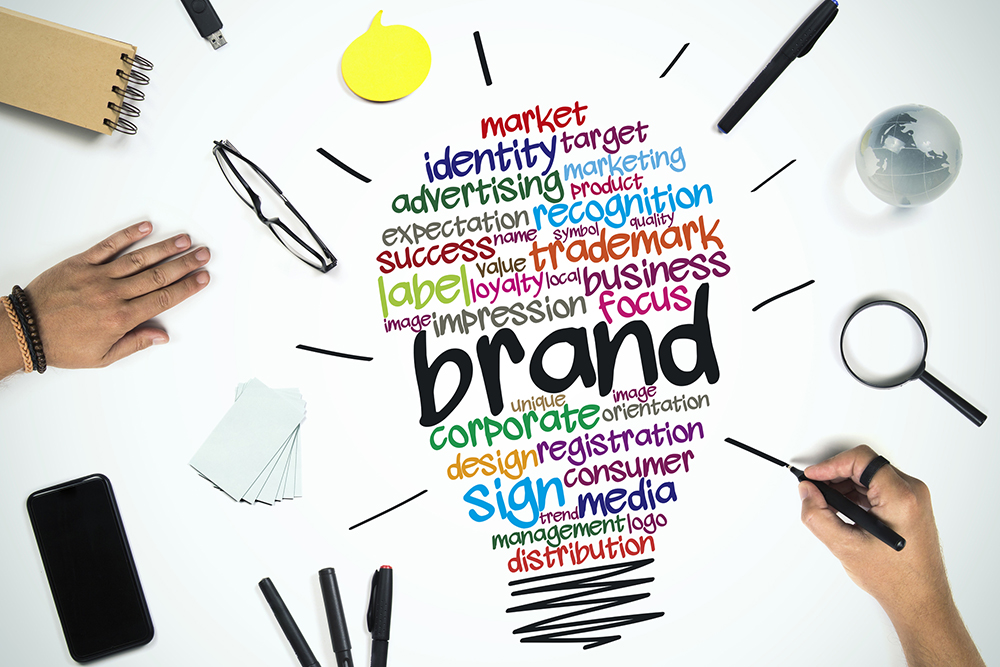
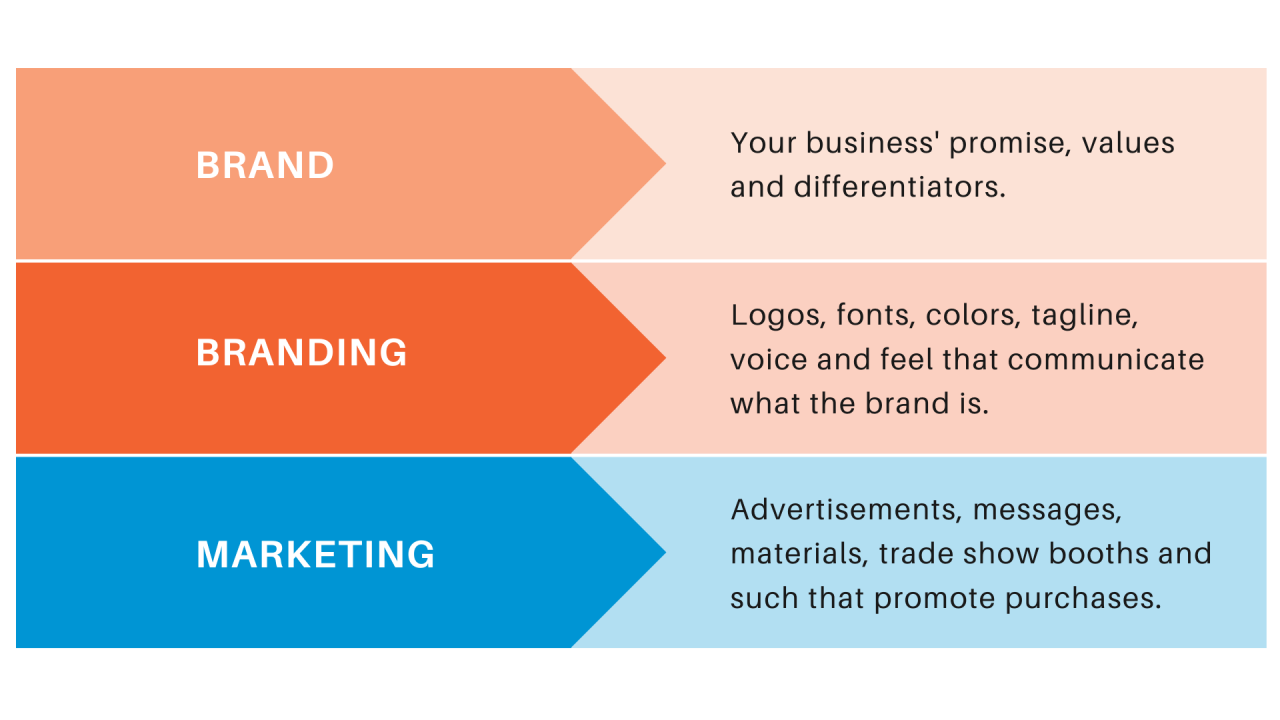
Brands and Branding – What, Why and How

Branding has become an integral part of contemporary art movements and cultural expressions, influencing how artists create and how audiences perceive their work. In today’s society, the lines between art and branding are increasingly blurred, as both realms explore themes of identity, consumerism, and self-expression. This relationship underscores the profound impact branding has on artistic and cultural narratives around the world.

Branding Influences on Contemporary Art Movements

The rise of branding has significantly influenced contemporary art movements, with artists utilizing branding strategies to convey messages and connect with audiences. Many contemporary artists have adopted commercial aesthetics and practices, integrating them into their work to critique consumer culture and societal norms. For example:

  • Pop Art: Artists like Andy Warhol leveraged branding by appropriating logos and products, transforming everyday objects into high art. This movement challenged the distinction between art and commerce.
  • Street Art: Artists such as Banksy use branding symbols to critique social issues, effectively using recognizable logos to convey powerful political statements.
  • Installation Art: Many installation artists now incorporate branding elements within their exhibits, creating immersive experiences that reflect on consumerism and identity.

Relationship Between Branding and Identity in the Digital Age

In the digital era, the relationship between branding and personal identity has evolved, leading to new forms of self-representation. Social media platforms amplify this phenomenon, allowing individuals to curate their identities through branding. This creates a culture where personal branding is essential for self-identity and social validation. For instance, influencers often blend their personal narratives with brand endorsements, blurring the lines between authentic self-expression and commercial interests.

“The digital age has transformed how individuals perceive themselves and their identities, with branding playing a pivotal role in this evolution.”

Comparisons Between Traditional and Modern Interpretations of Branding in Art

Traditional branding relied heavily on established symbols and logos associated with specific products and companies. In contrast, modern interpretations of branding in art have expanded to include broader themes of identity, culture, and social commentary.

  • Traditional Branding: Focused on logos and advertising techniques, emphasizing consumer appeal and market strategy.
  • Modern Branding: Explores deeper societal issues, using art as a medium to address identity, community, and cultural commentary.
  • Hybrid Approaches: Many contemporary artists create works that function as both art and branding, reflecting their identities while simultaneously engaging with commercial interests.

Conclusive Thoughts

In summary, branding iron on humans is not just a form of body modification; it’s a powerful expression of identity and belonging. As we reflect on the various cultural perspectives and future trends, it’s clear that branding continues to provoke thought and challenge societal norms. The journey of branding is one that intertwines art, culture, and personal narratives, inviting us all to consider what it means to leave a mark.

Top FAQs

What is the history of branding on humans?

Branding has ancient origins, used historically for ownership identification and as a rite of passage in various cultures.

Is branding safe?

When done by professionals with proper techniques and aftercare, branding can be relatively safe, though it carries risks like scarring and infection.

What types of branding techniques exist?

Common techniques include hot branding, which uses heated irons, and cold branding, which employs freezing temperatures to alter skin pigment.

Are there legal restrictions on branding?

Yes, there are legal and ethical considerations that vary by location, often involving age restrictions and consent requirements.

What motivates people to get branded?

Motivations may include personal expression, cultural significance, and a desire for community belonging.
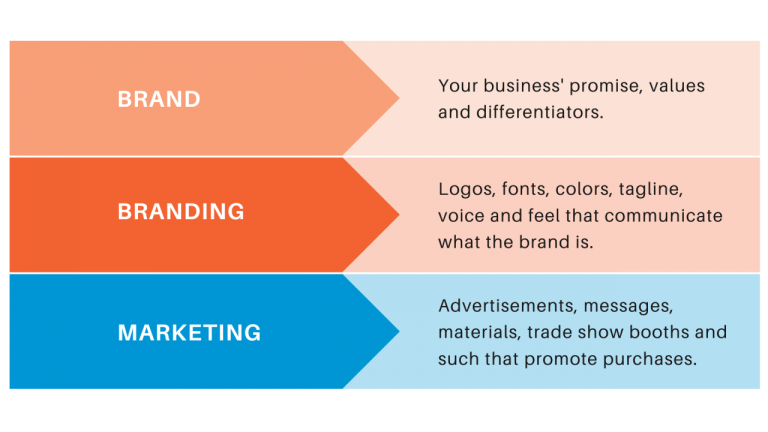
Branding Iron La Jolla brings a unique and vibrant touch to the world of branding, making it a standout choice for businesses looking to establish a strong identity. With a rich history in the local area, this branding agency not only provides a diverse range of services but also emphasizes creativity and community engagement in all its endeavors.

From crafting compelling brand identities to executing innovative marketing strategies, Branding Iron La Jolla is committed to understanding its clients’ needs while ensuring that their offerings are tailored to the local culture. This approach not only enhances brand visibility but also fosters a strong connection with the community.

Introduction to Branding Iron La Jolla

Building a brand strategy: Essentials for long-term success

Branding Iron La Jolla is not just a restaurant; it is a culinary institution that has become a beloved fixture in the La Jolla community. Established with a vision to create a unique dining experience, Branding Iron has garnered a reputation for its high-quality food and inviting atmosphere. Its origins trace back to a time when the founders sought to blend traditional American barbecue with a contemporary twist, making it a go-to spot for both locals and visitors alike.The establishment offers a diverse menu featuring a range of products that cater to various tastes and preferences.

Guests can indulge in classic barbecue dishes, including expertly smoked meats, flavorful sides, and house-made sauces that elevate the dining experience. Beyond just food, Branding Iron La Jolla also provides a selection of craft beverages, including local beers and artisanal cocktails, perfect for pairing with meals. The restaurant prides itself on using locally sourced ingredients, ensuring freshness and supporting local farmers.

Unique Features of Branding Iron La Jolla

Branding Iron La Jolla stands out from its competitors due to its commitment to quality, community, and a unique dining atmosphere. The restaurant’s interior combines rustic charm with modern design, creating a welcoming space for diners. The open kitchen concept allows patrons to witness the cooking process, showcasing the chefs’ dedication to their craft. Additionally, Branding Iron hosts regular events like live music nights and themed dinners, fostering a sense of community and engagement.Several characteristics set Branding Iron apart, including:

  • Locally Sourced Ingredients: The restaurant emphasizes fresh, local produce, ensuring that every dish is not only delicious but also supports the local economy.
  • Signature Dishes: Iconic menu items such as the smoked brisket and house-made sausages are crafted using traditional techniques, providing a unique flavor profile.
  • Community Events: Branding Iron regularly participates in local events and hosts its own, bringing people together and enhancing its community ties.
  • Engaging Ambiance: The blend of rustic and modern decor creates a unique dining atmosphere that is both comfortable and stylish.

“At Branding Iron La Jolla, we believe that great food and community go hand in hand.”

This commitment to quality and the vibrant atmosphere make Branding Iron a standout destination in La Jolla, appealing to those seeking not just a meal, but a memorable dining experience.

The Branding Process

Creating a distinctive brand identity is essential for businesses looking to thrive in today’s competitive market. Branding Iron La Jolla understands that a successful brand goes beyond just a logo or a catchy tagline; it encompasses the essence of a business’s values, mission, and vision. The branding process at Branding Iron La Jolla is meticulously designed to capture the unique personality of each client while ensuring the brand resonates with its target audience.The process of developing a brand identity involves several key steps that are tailored to meet the needs and expectations of each client.

By employing a collaborative approach, Branding Iron La Jolla ensures that the client’s vision is effectively translated into a cohesive brand strategy. The following steps Artikel the branding process utilized by the agency:

Step-by-step Branding Process

The branding process consists of the following stages:

1. Discovery and Research

The first step involves gathering insights about the client’s business, target audience, and industry trends. This is achieved through thorough market research and client interviews, allowing Branding Iron La Jolla to understand the client’s unique position in the market.

2. Brand Strategy Development

Following the research phase, the team develops a comprehensive brand strategy. This includes defining the brand’s mission, vision, values, and personality. The brand strategy serves as a blueprint for the entire branding process.

3. Visual Identity Creation

Once the brand strategy is established, the design phase begins. This includes creating a logo, color palette, typography, and other visual elements that reflect the brand’s identity. Each design choice is made with careful consideration of how it aligns with the brand’s goals and resonates with the target audience.

4. Brand Guidelines

After the visual identity is finalized, Branding Iron La Jolla creates brand guidelines. These guidelines Artikel how the brand should be presented across various platforms, ensuring consistency in messaging and imagery.

5. Implementation and Launch

The final step involves launching the brand across multiple channels. This may include updating the client’s website, social media profiles, and marketing materials to reflect the new brand identity. The team also monitors the brand’s performance to make any necessary adjustments post-launch.

Understanding Client Needs and Expectations

To create a brand identity that truly represents a business, it is crucial to understand the client’s needs and expectations. Branding Iron La Jolla employs several methods to achieve this understanding:

Client Interviews

Engaging with clients through in-depth interviews allows the team to gather personal insights about the business, its goals, and its vision.

Surveys and Questionnaires

These tools help capture quantitative data on client preferences and perceptions, providing a broader understanding of expectations.

Competitive Analysis

By analyzing competitors, Branding Iron La Jolla can identify gaps and opportunities in the market, which can inform the branding strategy.

Successful Branding Projects

Branding Iron La Jolla has successfully completed numerous branding projects that showcase the effectiveness of their process. Notable examples include:

Local Restaurant Rebranding

A popular La Jolla eatery underwent a complete rebranding to modernize its image and attract a younger audience. The new visual identity included a fresh logo and vibrant colors, resulting in a significant increase in customer engagement and sales.

Tech Startup Branding

A technology startup approached Branding Iron La Jolla to create a brand from scratch. The agency developed a unique brand strategy that emphasized innovation and reliability, leading to successful funding and partnerships.

Retail Brand Revitalization

A local boutique sought to refresh its brand identity to better reflect its upscale offerings. Through a refined visual identity and targeted marketing strategy, the boutique experienced a noticeable boost in foot traffic and online sales.These projects illustrate the successful application of Branding Iron La Jolla’s branding process, demonstrating their ability to effectively meet client needs and exceed expectations.

Cultural Influence and Community Engagement

Branding Iron La Jolla thrives on its deep-rooted connection with the local community and culture. By actively participating in community activities and forming strategic partnerships, the brand has established itself as a vibrant part of local life. This engagement not only fosters customer loyalty but also enhances the brand’s identity through shared cultural experiences.The local culture significantly shapes the branding strategies of Branding Iron La Jolla.

The team recognizes that La Jolla is not just a picturesque coastal town; it’s a melting pot of artistic expression, culinary diversity, and a rich history. Consequently, the branding efforts are tailored to resonate with the unique characteristics of the area, ensuring that the brand feels authentic and relatable to both locals and visitors alike.

Community Events and Partnerships

Engagement with the community through events and partnerships is fundamental to Branding Iron La Jolla’s brand strategy. The brand often collaborates with local organizations and hosts various events that spotlight local talent and culture. Some examples include:

  • Art Walks: These events allow local artists to showcase their work, with Branding Iron serving as a venue. This not only supports the artists but also draws in crowds who appreciate the vibrant local art scene.
  • Food Festivals: By participating in or sponsoring food festivals, Branding Iron La Jolla highlights local cuisine while promoting its own offerings, thus reinforcing its position as a community staple.
  • Charity Events: Partnering with local charities for fundraising events helps the brand give back to the community, creating a positive brand image and strengthening community ties.

Collaborations with Local Artists and Businesses

Branding Iron La Jolla has embraced collaborations with local artists and businesses to enhance its visibility and enrich the local culture. These partnerships are crucial in creating a brand narrative that is intertwined with the local ethos. Notable collaborations include:

  • Local Artisans: Featuring works from local craftsmen and artists not only decorates the space but also tells the story of La Jolla’s creative community.
  • Co-Branding Initiatives: Collaborating with nearby businesses, such as local coffee roasters or breweries, allows Branding Iron to offer unique, locally-inspired menu items, making the dining experience more authentic.
  • Community Workshops: Hosting workshops led by local experts or artists helps build a rapport with the community while showcasing the brand as a hub for creativity and learning.

Through these efforts, Branding Iron La Jolla effectively harnesses cultural influences and fosters community engagement, solidifying its reputation as not just a brand, but as an integral part of the La Jolla community.

Marketing Strategies Employed by Branding Iron

Branding Iron La Jolla employs a variety of marketing strategies to effectively promote its services and engage with its target audience. The goal of these strategies is to enhance brand visibility, foster community relationships, and ultimately drive customer loyalty and sales. Through a combination of traditional and modern marketing tactics, Branding Iron successfully positions itself in the competitive culinary landscape of La Jolla.The diversity of marketing strategies helps Branding Iron create a comprehensive outreach approach.

Key strategies include targeted digital marketing, community involvement activities, and creative promotional campaigns. These strategies not only highlight the brand’s offerings but also resonate with the local culture and lifestyle.

Marketing Strategies Overview

Branding Iron utilizes a multi-faceted marketing approach to reach potential customers effectively. Here are some key strategies employed by the establishment:

  • Social Media Engagement: Active presence on platforms like Instagram and Facebook allows Branding Iron to share mouthwatering visuals of its menu items, engage with customers through comments, and announce special events or promotions in real time.
  • Local Collaborations: Partnering with local businesses and influencers amplifies Branding Iron’s reach within the community, fostering goodwill and attracting new customers who trust these local endorsements.
  • Event Sponsorships: Involvement in local events and festivals not only increases brand visibility but also demonstrates Branding Iron’s commitment to the La Jolla community.
  • Targeted Email Campaigns: Sending personalized emails to customers keeps them informed about new menu items, special promotions, and upcoming events, thus encouraging repeat visits.
  • Unique Promotions: Creative promotions such as ‘Happy Hour’ deals or ‘Trivia Nights’ engage customers and create a lively atmosphere, drawing in crowds looking for entertainment alongside dining.

Role of Social Media in Marketing

Social media plays a crucial role in Branding Iron’s marketing efforts, serving as a powerful tool for engagement and promotion. The visually-driven nature of platforms like Instagram allows Branding Iron to showcase its culinary creations in an appealing way, enticing potential customers to visit. Branding Iron regularly shares high-quality images and videos of its dishes, creating a visually appealing feed that reflects its brand identity.

The use of relevant hashtags expands the restaurant’s reach, making it discoverable to individuals seeking dining options in La Jolla. Engagement through social media also enhances customer relationships. Responding to comments and messages, running polls or contests, and sharing user-generated content foster a sense of community and connection with customers.

Unique Campaigns Launched by Branding Iron

Branding Iron has launched several unique campaigns aimed at attracting customers and enhancing brand loyalty. These campaigns are designed to create memorable experiences that resonate with the local community.One notable campaign is the “Dine & Donate” initiative, where a portion of proceeds from specific menu items is donated to local charities. This not only attracts customers eager to support a good cause but also reinforces Branding Iron’s commitment to social responsibility.Another creative campaign is the “Chef’s Special” series, which features a rotating menu item inspired by seasonal ingredients or local flavors.

This keeps the menu fresh and exciting, encouraging repeat visits from locals and tourists alike. With these innovative strategies and campaigns, Branding Iron La Jolla successfully differentiates itself from competitors, creating a lasting impression in the minds of its customers.

Client Experiences and Testimonials

At Branding Iron La Jolla, client satisfaction is paramount. The agency prides itself on building strong relationships with its clients, fostering a collaborative environment that facilitates creativity and innovation. This commitment to excellence is reflected in the numerous testimonials received from clients across various industries, each sharing their unique experiences and success stories.Feedback from clients is not just welcomed; it’s integral to the service enhancement process.

Branding Iron actively seeks input through surveys, follow-up meetings, and informal check-ins to understand their clients’ needs and expectations. This commitment to listening ensures that the agency evolves with its clientele, continuously improving service offerings based on real-world insights.

Client Stories of Success

The following accounts illustrate the positive impact that Branding Iron La Jolla has had on its clients. Each experience showcases how tailored strategies and collaborative efforts led to tangible results.

“Working with Branding Iron La Jolla transformed our brand image entirely. Their attention to detail and creative approach exceeded our expectations. Our customer engagement has significantly increased since the rebranding process, and we couldn’t be happier!”

— Sarah T., Owner of Coastal Boutique

“The team at Branding Iron truly understood our vision and helped us articulate it in a way that resonates with our audience. Their strategic marketing campaigns led to a 50% increase in our online sales within just three months.”

— Michael R., CEO of EcoTech Solutions

“From the initial consultation to the final execution, Branding Iron was by our side every step of the way. Their genuine commitment to our success set them apart from other agencies. We’ve seen remarkable growth and are excited for the future!”

— Emma L., Marketing Director at Fresh EatsThe feedback process at Branding Iron involves regular client check-ins and the use of post-project surveys to gather insights on the client experience. This structured approach ensures that clients feel heard and valued, allowing the agency to adapt its strategies as necessary. Key highlights from their feedback system include:

  • Monthly feedback sessions to assess ongoing projects.
  • Post-campaign surveys designed to capture client satisfaction and areas for improvement.
  • Implementation of client suggestions in future strategies to enhance service delivery.

By prioritizing client input and maintaining a proactive approach to collaboration, Branding Iron La Jolla continues to foster an environment of innovation, ensuring that both the agency and its clients achieve success together.

Future Trends in Branding

As Branding Iron La Jolla continues to evolve, the exploration of future trends in branding is essential for staying ahead in a competitive marketplace. Emerging technologies and shifting consumer behaviors are reshaping how brands connect with their audiences. This segment highlights the innovative directions that Branding Iron is pursuing, the impact of technology on branding practices, and potential challenges on the horizon.

Emerging Branding Trends

Branding Iron La Jolla is keenly aware of the dynamic landscape of branding and is actively exploring several emerging trends that hold significant potential. These trends include:

  • Personalization: Tailoring brand experiences to meet individual customer preferences is becoming increasingly important. This includes personalized content, product recommendations, and targeted marketing strategies that resonate with specific audience segments.
  • Sustainability: Brands are increasingly adopting eco-friendly practices as consumers demand more environmentally responsible options. This trend is evident in product sourcing, packaging, and corporate social responsibility initiatives.
  • Brand Activism: Consumers are looking for brands that take a stand on social issues. Branding Iron is exploring ways to authentically engage with community values and advocate for causes that matter to their audience.

Impact of Technology on Branding Practices

Technology continues to play a transformative role in branding strategies at Branding Iron La Jolla. By leveraging cutting-edge tools and platforms, the agency can enhance brand visibility and engage with consumers more effectively. Key aspects include:

  • Data-Driven Insights: Utilizing analytics and big data to understand consumer behavior helps in crafting more effective marketing strategies and predicting market trends.
  • Augmented Reality (AR) and Virtual Reality (VR): These technologies create immersive brand experiences that allow consumers to interact with products in a virtual environment, enhancing engagement and driving sales.
  • Social Media Innovations: The rise of short-form content and interactive features on platforms like TikTok and Instagram is shaping how brands communicate and engage with their audiences.

Challenges in the Evolving Branding Landscape

While the future of branding presents numerous opportunities, Branding Iron La Jolla may encounter several challenges that need to be addressed strategically. These challenges include:

  • Rapid Technological Changes: Keeping up with the fast pace of technological advancements can strain resources, requiring continuous adaptation and learning.
  • Consumer Trust and Transparency: As consumers become more aware and discerning, brands must prioritize authenticity and transparency to maintain trust.
  • Increased Competition: The branding landscape is becoming overcrowded, making it essential for Branding Iron to differentiate its offerings and maintain a unique value proposition.

“Innovation distinguishes between a leader and a follower.” – Steve Jobs

Ending Remarks

In conclusion, Branding Iron La Jolla exemplifies how effective branding can elevate a business’s presence in a competitive market. By focusing on client needs, community involvement, and emerging trends, they are well-positioned to navigate the future of branding while continuously delivering exceptional results for their clients.

Helpful Answers

What services does Branding Iron La Jolla offer?

They offer a wide range of services including brand strategy, identity design, and marketing solutions.

How does Branding Iron La Jolla engage with the community?

They participate in local events and collaborate with local artists and businesses to strengthen community ties.

What is the process for creating a brand identity?

The process involves understanding client needs, market research, and designing a unique brand identity tailored to the client’s vision.

Can I see examples of their previous work?

Yes, Branding Iron La Jolla showcases a portfolio of successful branding projects on their website.

How does technology influence their branding strategies?

They leverage the latest technology and digital marketing tools to enhance brand visibility and engagement.

Branding iron edinburg pa highlights an intriguing fusion of tradition and modern craftsmanship that shapes local businesses. As a vital tool for branding, these irons have evolved over time, becoming a mark of quality and identity in various industries. This exploration will delve into the significance of branding, the unique craftsmanship found in Edinburg, and the innovative techniques that bring brands to life.

In Edinburg, PA, the demand for custom branding irons is not just a trend; it’s a testament to the local artistry and dedication to quality. Businesses here have embraced these tools to create a lasting impression, forging connections with their customers through unique branding strategies that reflect their identity.

Branding Iron Overview

Branding plays a crucial role in establishing a business’s identity and connecting with consumers on an emotional level. It extends beyond just a logo or a catchy slogan; branding encompasses the entire perception of a business, influencing customer loyalty and market position. The use of branding irons has a rich history that reflects the evolution of branding practices through different eras, emphasizing the significance of marks in establishing ownership and quality.The history of branding irons dates back thousands of years, initially used by farmers and artisans to mark livestock and goods.

As trade expanded, branding evolved into a tool for consumer recognition, enabling businesses to distinguish their products from competitors. The evolution of branding irons transitioned from simple designs to more intricate and customized options, reflecting modern branding techniques that focus on aesthetics, quality, and consumer engagement.

Materials Used in Manufacturing Branding Irons

The production of branding irons involves various materials that contribute to their effectiveness and durability. Understanding these materials is essential for creating high-quality branding tools. The primary materials used in manufacturing branding irons include:

  • Steel: Most branding irons are made from high-quality steel due to its strength and durability. Steel can withstand high temperatures, making it suitable for the heating process required for branding.
  • Copper: Copper is another common material, particularly for smaller branding irons. It heats quickly and retains heat well, allowing for precise branding on various surfaces.
  • Brass: This material is often used for decorative branding irons because of its malleability and resistance to corrosion, providing a longer lifespan for intricate designs.
  • Aluminum: Lightweight and resistant to corrosion, aluminum branding irons are sometimes used for specific applications where weight is a concern.

The choice of material depends on the specific branding requirements and the surface to be branded. High-quality branding irons ensure a clear and lasting impression, reflecting the brand’s commitment to quality and consistency.

“Effective branding creates a lasting connection between a business and its customers, rooted in trust and recognition.”

Branding Iron Edinburg PA

Edinburg, PA, is home to a vibrant market for branding irons, attracting local businesses from various sectors that recognize the value of unique branding. Whether for livestock, artisanal crafts, or promotional materials, the demand for quality branding solutions here reflects the community’s commitment to craftsmanship and local pride. The branding irons crafted in this area are not just tools; they are representations of identity and tradition.The craftsmanship involved in creating custom branding irons in Edinburg is a blend of artistry and technical skill.

Local artisans pay meticulous attention to detail, ensuring that each branding iron meets the specific needs of their clients. The process involves selecting high-quality metals, designing custom logos or initials, and employing traditional forging techniques. This blend of modern technology and classic craftsmanship results in durable and effective branding irons that stand the test of time.

Local Businesses Utilizing Branding Irons

Many businesses in Edinburg have embraced the use of branding irons as a means to establish their identity and enhance their products. The following examples showcase the variety of applications:

  • Local Farms: Many farmers utilize branding irons to mark livestock, ensuring easy identification while enhancing the farm’s brand. This practice not only serves a practical purpose but also reinforces the farm’s heritage and reputation.
  • Artisan Crafts: Artists and craftspeople incorporate branding irons into their work, using them to add a personal touch to handmade items like furniture, pottery, and leather goods. This technique elevates the craftsmanship and adds value to the products.
  • Restaurants and Cafés: Establishments in Edinburg often use branding irons to imprint their logos on grilled items or baked goods, creating a memorable dining experience for customers. This not only serves as a marketing tool but also adds a unique flair to their offerings.

“A branding iron is not just a mark; it’s the essence of our craft, a tradition we take pride in.”

The stories of these local businesses highlight the importance of branding in building customer loyalty and recognition. A bakery in Edinburg reported that using a branding iron to mark their artisanal bread products not only set them apart but also sparked conversations among customers, enhancing their brand story. Similarly, a local craftsperson shared how their custom branding iron has become a signature of quality, creating trust and consistency in their products.

These testimonials illustrate the profound impact that branding irons have on local enterprises, reinforcing the community’s commitment to quality craftsmanship and unique identity.

Types of Branding Irons

Branding irons are essential tools for a variety of businesses looking to create a unique identity and leave a lasting impression. These tools come in different styles and materials, each serving specific purposes across various industries. Understanding the types of branding irons available can help businesses choose the one that best fits their branding needs and operational requirements.Branding irons can be broadly categorized into traditional and electric types, each offering distinct advantages.

Traditional branding irons are typically heated in a fire or another heat source, while electric branding irons use an electric heating element to achieve the desired temperature. This section will compare these types and explore their respective benefits.

Comparison of Branding Iron Styles

Choosing the right branding iron style is vital for achieving quality results. The following points summarize the various styles used by businesses today:

  • Traditional Branding Irons: These are often made of metal, requiring a heat source like a torch. They are straightforward to use and are ideal for small batches or artisanal work.
  • Electric Branding Irons: These irons heat up using electricity and provide consistent temperature control, making them suitable for larger production runs.
  • Custom Branding Irons: Some businesses opt for bespoke irons designed to their specifications, allowing for unique logos or designs that represent their brand effectively.
  • Handheld Branding Irons: These are smaller and can be used for detailed work on smaller items, perfect for artisans and small businesses.

The benefits of each type of branding iron vary significantly.

Benefits of Electric vs. Traditional Branding Irons

Comparing electric and traditional branding irons, we find several key benefits to each:

  • Electric Branding Irons:
    • Consistent Heating: They provide uniform heat distribution, reducing the risk of uneven branding.
    • Temperature Control: Easy to adjust the heat level for different materials.
    • Efficiency: Faster heating times lead to increased productivity for larger businesses.
  • Traditional Branding Irons:
    • Simplicity: No need for electricity, making them portable and usable in various settings.
    • Craftsmanship: Often preferred by artisans for their hands-on approach and unique finish.
    • Cost-Effective: Generally lower initial investment compared to electric irons.

Applications of Branding Irons Across Industries

Branding irons have diverse applications which can vary depending on the industry. The following table summarizes some of the key uses across different sectors:

Industry Application
Food & Beverage Marking items such as steaks, burgers, or wooden serving boards.
Crafts & Artisanal Goods Branding leather goods, pottery, or wooden crafts.
Retail Custom branding on packaging or promotional items.
Manufacturing Marking products for identification, quality control, or branding.
Agriculture Branding livestock for identification and ownership.

“The right branding iron not only enhances your product but also communicates your brand’s story.”

Branding Techniques

Branding irons are powerful tools that can leave a distinct mark on various materials, including wood, leather, and even food. To achieve the best results, it is essential to understand the techniques involved in using these tools effectively. Mastering these methods not only ensures high-quality branding but also enhances the longevity of your branding iron.Using a branding iron properly involves a few key steps that vary depending on the material you are working with.

Below are detailed techniques for achieving impressive results across different surfaces.

Techniques for Using a Branding Iron

The effectiveness of a branding iron largely depends on its application technique. Below are the steps tailored for different materials:

1. Preparation of the Workspace

Ensure the area is clean and well-lit. Gather all necessary materials, including the branding iron, heat source, and the item to be branded.

2. Heating the Branding Iron

For wood and leather, heat the branding iron until it reaches an optimal temperature (approximately 400°F to 500°F).

For food items, ensure the temperature is lower to avoid burning (around 350°F).

3. Testing the Iron

Before branding your final piece, test the iron on a scrap piece of the same material to check for the correct temperature and pressure.

4. Positioning

Place the branding iron firmly on the surface where you want the mark. Ensure it is positioned straight to avoid skewed branding.

5. Applying Pressure

Apply even pressure for a consistent duration. For wood, hold it for about 5-10 seconds, while for leather, around 3-5 seconds is usually sufficient.

6. Removing the Iron

Lift the branding iron straight up to avoid smearing the design.

7. Cooling and Inspection

Allow the branded item to cool completely before handling or finishing the piece.

Maintaining Quality of a Branding Iron

Proper maintenance of your branding iron is vital to ensure it remains effective over time. Regular upkeep not only prolongs the life of the tool but also maintains the quality of your branding results. Here are some key tips for maintaining your branding iron:

Cleaning After Each Use

Wipe down the branding iron with a damp cloth after it cools. This removes any residue from the material and prevents buildup.

Avoiding Abrasive Cleaners

Use gentle cleaners to avoid scratching or damaging the branding surface.

Inspecting for Damage

Regularly check for signs of wear or damage. Any irregularities can result in poorly defined brands.

Proper Storage

Store the branding iron in a safe place, away from moisture and extreme temperatures. A protective case can prevent physical damage.

Reheating and Calibration

Occasionally test the branding iron on scrap material to ensure it heats properly and maintains even heating across its surface.By following these techniques, you can achieve beautiful and consistent branding results on a variety of materials, while ensuring your branding iron remains in peak condition for years to come.

Custom Branding Solutions

Selecting the right branding iron is crucial for any business looking to establish a strong brand identity. Custom branding solutions can help ensure that your unique mark is reflected in every product, communication, and interaction your brand has with the world. This guide will provide essential insights into how businesses can effectively choose a branding iron, highlight successful strategies, and discuss the importance of branding consistency.

Guide for Selecting the Right Branding Iron

When it comes to choosing the perfect branding iron, businesses should consider several key factors that can impact the effectiveness of their branding efforts. The right branding iron should align with your vision, ensure quality, and facilitate the execution of your branding strategy.

  • Material: Select durable materials such as brass or stainless steel for longevity and consistent impression quality.
  • Design Compatibility: Ensure that the branding iron can accommodate your logo or mark’s intricacies without compromising detail.
  • Size: Consider the size of the branding iron, as it should be appropriate for the intended products or surfaces to be branded.
  • Heating Method: Choose between electric or manual heating options based on your production pace and scale.

Examples of Successful Branding Strategies Using Custom Branding Irons

Many businesses have effectively leveraged custom branding irons to create memorable impressions on their customers. Here are a few notable examples that illustrate the impact of well-executed branding strategies:

  • Artisan Food Producers: Many small-batch food brands use branding irons to imprint their logos onto products like cheese, bread, and meats, enhancing their artisanal appeal.
  • Craft Breweries: Custom branding irons are used to mark barrels and bottles, creating a unique selling point and reinforcing quality craftsmanship.
  • Woodworking Businesses: Many woodworkers use branding irons to stamp their creations, adding a professional touch while promoting brand recognition in a competitive market.

Importance of Branding Consistency and Reinforcement

Consistency in branding is essential for fostering customer loyalty and establishing a recognizable brand presence. Custom branding irons play a vital role in maintaining this consistency across various products and platforms.

“Branding consistency cultivates trust and credibility, making it easier for customers to recognize and remember a brand.”

The use of branding irons helps reinforce brand identity across different products, ensuring that every item reflects the same quality and design ethos. This not only strengthens the visual appeal of products but also creates a cohesive brand narrative that resonates with consumers. When customers encounter uniformity in branding, it fosters a sense of reliability and professionalism that can significantly influence their purchasing decisions.

The Role of Branding in Marketing

Branding is a pivotal aspect of marketing that shapes how consumers perceive products and services. It involves creating a unique image and identity that resonates with a target audience, ultimately influencing their purchasing decisions. Effective branding not only distinguishes a business from its competitors but also builds trust and loyalty among consumers, making it an essential tool in today’s competitive landscape.

Influence of Branding on Customer Perception

A strong brand can profoundly impact customer perception, shaping how consumers view a company’s products or services. This perception is often built through consistent messaging, visual elements, and customer experiences. Key factors include:

  • Consistency: Consistent branding across all platforms fosters familiarity and trust. Customers are more likely to engage with brands that present a unified image, whether in advertising, packaging, or customer service.
  • Emotion: Branding influences the emotional response of consumers. Brands that tell compelling stories or align with personal values can create a strong emotional connection, leading to increased loyalty.
  • Quality Association: Effective branding often leads to a perception of quality. If a brand is well-regarded, customers are more likely to assume its products or services are of high quality, influencing their purchasing decisions.

Relationship Between Branding and Business Identity

Branding is intrinsically linked to a business’s identity, encapsulating its values, mission, and vision. It provides a framework within which a company can communicate its purpose and connect with its audience. The interplay includes:

  • Mission Statement: A clear mission statement informs branding strategies and helps align messaging with business goals, ensuring that consumers understand what the brand stands for.
  • Visual Identity: Elements like logos, color schemes, and typography collectively create a visual identity that distinguishes a brand. This identity becomes synonymous with the business itself and can evoke recognition and loyalty.
  • Brand Voice: The tone and style of communication reflect the brand’s personality. A brand that communicates in a friendly, approachable manner is likely to attract a different audience than one that adopts a more formal tone.

Impact of Branding on Customer Loyalty and Retention

Branding plays a crucial role in fostering customer loyalty and retention, which are essential for long-term business success. A well-executed branding strategy creates a sense of belonging among customers, encouraging repeat business. Key points include:

  • Trust Building: Strong branding fosters trust. Customers are more likely to remain loyal to brands that they perceive as trustworthy and reliable, often leading to repeat purchases.
  • Community Feeling: Effective branding cultivates a sense of community. Brands that engage with their audience on social media or through events can develop a loyal customer base that feels connected to the brand.
  • Advocacy: Satisfied customers often become brand advocates, promoting the brand through word-of-mouth. This organic promotion is invaluable, as recommendations from friends and family are often trusted more than traditional advertising.

Future of Branding Irons

As the branding iron industry continues to evolve, several emerging trends and technologies are shaping its future. The shift towards personalization, sustainable practices, and technological advancements are all playing significant roles in how branding irons are designed and utilized. Understanding these changes is crucial for anyone looking to stay ahead in the branding game.One of the most important factors influencing the future of branding irons is the integration of advanced technologies.

The advent of digital tools and automation is revolutionizing the way branding is done. This includes the use of laser engraving systems, which offer precision and versatility that traditional branding irons cannot match. Additionally, the rise of 3D printing is enabling custom designs to be created quickly and efficiently, further enhancing brand personalization.

Emerging Trends in the Branding Iron Industry

Several trends are shaping the future landscape of branding irons. These trends reflect the evolving needs of businesses and consumers alike.

  • Personalization: Consumers increasingly demand products that reflect their individual tastes. Branding irons are adapting to this trend by offering customizable designs that cater to unique branding needs.
  • Sustainability: With a growing focus on environmental responsibility, many branding iron manufacturers are exploring eco-friendly materials and processes to reduce their carbon footprint.
  • Smart Technology: The integration of IoT (Internet of Things) technology into branding irons allows for real-time monitoring and adjustments, making the branding process more efficient and user-friendly.
  • Enhanced Durability: Innovations in materials are leading to the development of branding irons that can withstand higher temperatures and extended use, enhancing their longevity and reliability.

Technological Influences on Branding Techniques

New technologies are constantly redefining branding techniques, offering more flexibility and creative possibilities for businesses.The use of laser branding technology stands out for its precision and ability to create intricate designs on a variety of materials. Compared to traditional branding methods, laser branding minimizes material waste and allows for detailed customization, which is increasingly attractive to brands looking to connect with consumers on a personal level.Furthermore, the incorporation of software solutions that enable users to design their branding patterns instantly is transforming the creative process.

Businesses can now quickly iterate on designs and produce prototypes, allowing for faster time-to-market and more responsive branding strategies.

Predictions for Branding Practices in the Next Decade

Looking ahead, several predictions can be made regarding the evolution of branding practices over the next decade.The trend towards hyper-personalization is expected to accelerate, with brands increasingly utilizing data analytics to tailor branding approaches to individual consumer preferences. This could mean more dynamic branding experiences, where the branding itself changes based on user interaction or context.Additionally, as sustainability becomes a priority, we can anticipate a surge in demand for brands that practice ethical sourcing and environmentally friendly production.

Businesses that adopt these practices are likely to thrive as consumers become more aware of their purchasing choices and their impact on the planet.Finally, the future of branding irons will likely see an increased emphasis on integration with digital platforms. Brands may begin to explore augmented reality (AR) and virtual reality (VR) applications to create immersive brand experiences that engage customers in innovative ways.

The future of branding is not just about the product but the entire experience surrounding it.

Last Point

Branding Decision and its Crucial Role in Marketing | MBA TUTS

In conclusion, the journey through branding iron edinburg pa reveals a dynamic interplay between tradition and innovation. The craftsmanship found in Edinburg not only meets the needs of local businesses but also reinforces the importance of brand identity in a competitive market. As branding continues to evolve, so too will the techniques and tools that help businesses stand out, ensuring that the legacy of branding irons remains strong.

FAQ Explained

What types of materials are used in branding irons?

Common materials include steel for durability and brass for a traditional look, with heat-resistant handles for safety.

Can I create a custom branding iron?

Yes, many local artisans in Edinburg offer custom branding solutions tailored to your specific design and branding needs.

How do I maintain my branding iron?

Regular cleaning and proper storage are essential to maintain the quality and longevity of your branding iron.

What are the benefits of using electric branding irons?

Electric branding irons provide consistent heat, making them easier to use and allowing for quicker branding compared to traditional methods.

How does branding impact customer loyalty?

Effective branding creates a strong emotional connection, fostering customer loyalty and encouraging repeat business.

Coca-Cola’s brand style guide is more than just a set of rules; it’s a roadmap for consistency, reflecting the iconic brand’s journey across decades. This guide unveils the secrets behind their enduring visual identity and communication strategies. From the iconic red to the distinctive typography, we’ll explore how Coca-Cola maintains its global appeal.

This comprehensive look at Coca-Cola’s brand style guide delves into the intricate details that underpin the brand’s visual and communication strategy. It explores the evolution of the brand, from its origins to its modern iteration, highlighting the key elements that have shaped its enduring success. This analysis provides insights into the meticulous planning behind their marketing and design choices.

Introduction to Coca-Cola’s Brand Style Guide

Coca-Cola’s brand style guide serves as a crucial document, meticulously outlining the visual and verbal elements that define the iconic brand. It ensures consistent representation across all platforms, maintaining a unified brand identity and message that resonates with consumers worldwide. This guide establishes the fundamental principles and visual language that underpin all Coca-Cola marketing efforts, from product packaging to advertising campaigns.The style guide meticulously details the brand’s visual identity, encompassing colors, typography, imagery, and tone of voice.

This consistent application of the brand guidelines is paramount for reinforcing Coca-Cola’s brand recognition, building customer trust, and projecting a cohesive message that promotes brand loyalty and drives sales. The document serves as a reference for all internal and external stakeholders, guaranteeing the seamless execution of brand messaging.

Key Elements Defining Coca-Cola’s Visual Identity

The visual identity of Coca-Cola is instantly recognizable and has been meticulously crafted over decades. The red and white color scheme, the distinctive script font, and the imagery associated with happiness and togetherness are integral parts of the brand’s enduring appeal. These visual cues are meticulously defined within the brand style guide, ensuring consistent application across all touchpoints.

Importance of Consistency in Brand Communication

Consistency in brand communication is paramount for a global brand like Coca-Cola. It reinforces brand recognition, builds customer trust, and ensures a cohesive message across all platforms. A unified brand presence strengthens the emotional connection with consumers, fostering brand loyalty and driving sales. Inconsistency can lead to confusion and a diluted brand image, thus jeopardizing the brand’s value and recognition.

Components of a Comprehensive Brand Style Guide

A comprehensive brand style guide encompasses several key components, each meticulously crafted to maintain the integrity of the brand’s identity. These elements collectively shape the brand’s visual language and tone of voice.

Component Description Example Usage
Brand Colors Defines the specific shades and color combinations that represent the brand. Pantone 1837 C (Red), White Used consistently across all marketing materials, including packaging, advertising, and digital platforms.
Brand Typography Specifies the fonts and their usage, ensuring a consistent visual hierarchy and brand feel. Coca-Cola Script, Arial Ensures the consistent use of specific fonts in all communications, reflecting the brand’s personality and history.
Brand Imagery Defines the type of imagery, including photography styles, graphic elements, and illustrative styles that represent the brand. Images featuring happy people, celebration, and togetherness Used in advertising campaigns, social media posts, and product packaging to evoke specific emotions and convey brand values.
Brand Voice Artikels the tone and style of communication, defining the brand’s personality. Friendly, approachable, optimistic Guides the language used in marketing materials, from website copy to social media posts, to maintain a consistent brand personality.

Visual Identity Elements

Coca-Cola’s visual identity is a cornerstone of its enduring brand recognition. This section details the key elements that contribute to this enduring appeal, tracing the evolution of the logo and highlighting consistent visual cues.The brand’s visual language, encompassing logo design, color palettes, typography, and imagery, has consistently conveyed a message of refreshment, joy, and community. These elements have been meticulously crafted and refined over decades to resonate with consumers worldwide.

Evolution of the Coca-Cola Logo

The Coca-Cola logo has undergone several subtle but significant transformations throughout its history. Early iterations focused on a more stylized, script-based logo, which was progressively refined to emphasize readability and brand recognition. The evolution demonstrates a commitment to maintaining brand identity while adapting to evolving design trends and technological capabilities. Key design elements, such as the distinctive script font and the color red, have remained constant, embodying the core values of the brand.

Color Palette Guidelines

Coca-Cola’s color palette is predominantly characterized by the iconic red. This color is often paired with complementary colors such as white, gold, and black, creating a visual balance and a consistent visual identity. The specific shade of red, known as Coca-Cola Red, is meticulously defined to maintain a recognizable and consistent visual impact across all marketing materials.

Typography Guidelines

The brand’s typography is characterized by a unique script font for the logo and supporting typography. The specific typeface is crucial to maintaining brand consistency and recall. The brand style guide will specify font families, weights, and sizes for various applications, ensuring a unified visual language across all marketing materials.

Imagery Guidelines

Imagery employed by Coca-Cola consistently depicts moments of joy, celebration, and community. The style of imagery often features bright, vibrant colors, cheerful expressions, and settings that evoke feelings of refreshment and togetherness. This imagery reinforces the brand’s positive associations. Images are meticulously selected and used to convey the essence of the brand and its values.

Visual Cues and Consistency

Key visual cues associated with Coca-Cola include the distinctive red color, the recognizable script logo, and the consistent use of celebratory imagery. These elements are consistently implemented across all marketing channels, from product packaging to advertisements and social media content. Maintaining this consistency is crucial for building brand recognition and reinforcing the brand’s message.

Logo Variations Across Product Lines

Product Line Logo Variation Description
Coca-Cola Classic Standard Coca-Cola Logo The classic script logo in red, often presented on a white or light-colored background.
Diet Coke Diet Coke Logo Similar script logo, often in a slightly different shade of red or with a subtle variation in the script style, indicating the product’s unique identity while still maintaining the core brand cues.
Sprite Sprite Logo A different logo, often in a more stylized or bold font, typically with a distinct color palette and imagery to reflect the brand’s unique characteristics, while still maintaining a connection to the Coca-Cola family of brands.

Communication Style and Voice

Coca-Cola’s brand voice is a cornerstone of its enduring success. This section delves into the specific tone and voice employed in Coca-Cola’s marketing and communication strategies, demonstrating how this consistency is maintained across various media platforms. It also examines the personality conveyed by the brand and contrasts it with a prominent competitor.The brand voice of Coca-Cola is characterized by warmth, approachability, and a sense of joy.

This friendly and inviting approach resonates with a broad audience, fostering a positive association with the brand. The brand consistently strives to evoke feelings of happiness, community, and shared experiences. This is meticulously crafted to align with the brand’s core values and mission.

Tone and Voice Characteristics

Coca-Cola’s marketing materials typically adopt a lighthearted and optimistic tone. This is evident in advertising campaigns that often feature upbeat music, vibrant imagery, and narratives centered around positive emotions and social connections. The voice is approachable, inclusive, and frequently utilizes inclusive language, avoiding jargon and technical terms. The tone and voice are carefully selected to evoke positive feelings and associations with the brand.

Consistency Across Media Channels

Coca-Cola maintains a consistent brand voice across diverse media platforms, from television commercials and social media posts to in-store displays and packaging design. The brand’s visual identity, including color palettes and imagery, is meticulously aligned with the overall message and tone, ensuring a cohesive and recognizable brand experience across all touchpoints. This unified presentation reinforces brand recognition and builds a strong emotional connection with consumers.

Brand Personality

The brand personality reflected in the style guide is one of happiness, togetherness, and optimism. This personality embodies the feeling of sharing a moment of joy with friends and family, fostering a sense of community. The brand seeks to promote feelings of nostalgia, family, and shared experiences, which are central to its marketing strategy.

Comparison with a Competitor (PepsiCo)

Feature Coca-Cola PepsiCo
Tone Lighthearted, optimistic, approachable Energetic, youthful, bold
Voice Friendly, inclusive, aspirational Trendy, edgy, competitive
Language Simple, relatable, evocative Modern, concise, direct

The table above highlights key differences in the communication style between Coca-Cola and PepsiCo. Coca-Cola prioritizes creating a sense of community and shared experience through warmth and approachability, whereas PepsiCo tends to focus on creating a more dynamic and competitive image.

Brand Style Guide and Branding Strategy

Coca-Cola’s brand style guide is not merely a collection of visual elements; it’s a living embodiment of its overarching branding strategy. This document meticulously Artikels the brand’s personality, visual identity, and communication principles, ensuring consistent messaging across all platforms and touchpoints. It acts as a crucial roadmap for maintaining brand integrity and fostering a cohesive brand experience for consumers.The style guide directly supports Coca-Cola’s positioning as a refreshing and universally appealing beverage, resonating with diverse target audiences.

It carefully crafts the brand’s image and voice to appeal to those who seek moments of joy, connection, and shared experiences. By adhering to the guidelines, Coca-Cola maintains a recognizable and trusted identity across its various product lines and marketing initiatives.

Connection to Branding Strategy

The Coca-Cola brand style guide is intrinsically linked to the overall branding strategy. It translates strategic brand objectives into actionable visual and communication guidelines. The style guide ensures all marketing materials, from advertisements to packaging, reflect the core brand values and positioning. This unified approach builds brand equity and strengthens consumer recognition.

Positioning and Target Audience

The style guide actively supports Coca-Cola’s positioning by defining the brand’s tone, language, and visual elements. The consistent application of these elements reinforces the brand’s target audience’s perception of Coca-Cola as a symbol of happiness, togetherness, and refreshment. This is further exemplified by the meticulous attention to detail in the brand’s packaging and advertising campaigns, which invariably reflect the brand’s core values and resonate with the target demographic.

Key Elements of Branding Strategy

Coca-Cola’s branding strategy is multifaceted, encompassing several key elements:

  • Emotional Connection: The brand cultivates a strong emotional connection with consumers through imagery, messaging, and experiences that evoke feelings of happiness, nostalgia, and togetherness. This is reflected in advertisements and product packaging.
  • Universality: Coca-Cola aims to resonate with a global audience, achieving this through a consistent brand identity that transcends cultural boundaries. This includes adaptable marketing campaigns and product adaptations for different regions, while retaining core brand values.
  • Heritage and Tradition: The brand leverages its rich history and established reputation, often highlighting its enduring legacy in its marketing campaigns. This emphasizes trust and reliability.
  • Innovation and Modernity: While rooted in tradition, Coca-Cola continually innovates to remain relevant in contemporary society. This includes the development of new product lines and marketing approaches that maintain a strong brand image, while appealing to modern tastes.

Implementing a New Product Line

A new product line’s implementation within Coca-Cola’s branding framework necessitates a carefully orchestrated process. This ensures the product seamlessly integrates with existing brand elements and resonates with the target audience.

  1. Brand Alignment Assessment: Evaluate the new product’s compatibility with the core brand values and target audience. This assessment should involve considering the emotional connection the new product should evoke.
  2. Style Guide Adaptation: Adapt the brand style guide to incorporate new elements specific to the new product line. This involves adjusting color palettes, typography, imagery, and messaging to maintain consistency.
  3. Product Positioning Definition: Define the product’s unique positioning within the broader Coca-Cola portfolio. This includes identifying its target audience and key differentiators. A clear positioning statement is essential.
  4. Marketing Campaign Development: Develop a targeted marketing campaign that leverages the style guide to communicate the product’s unique attributes and value proposition. This includes advertising, social media engagement, and promotional activities.
  5. Feedback and Iteration: Gather consumer feedback on the new product and marketing campaign to continuously refine the strategy and ensure it resonates with the intended audience.

Application and Implementation

Coca-Cola’s brand style guide is not merely a document; it’s a living, breathing embodiment of the brand’s identity. Its effective implementation across diverse marketing campaigns and company-wide operations is crucial for maintaining brand consistency and maximizing impact. This section details how Coca-Cola enforces and maintains this consistency, offering examples of successful and less successful applications.The successful application of the style guide relies on a robust system for enforcement and a commitment to ongoing review and adaptation.

Coca-Cola employs a multi-faceted approach, encompassing training, internal review processes, and consistent communication channels.

Implementation Across Marketing Campaigns

Coca-Cola leverages its style guide in every facet of its marketing endeavors. From product packaging and advertising campaigns to social media engagement and in-store displays, the brand’s visual identity and communication style are meticulously adhered to. This ensures a cohesive and recognizable experience for consumers across all touchpoints. For instance, the consistent use of the iconic Coca-Cola red and the distinct typography in all advertisements, regardless of the specific campaign, creates immediate brand recognition.

Enforcement and Maintenance Procedures

Coca-Cola’s style guide isn’t just a static document; it’s a dynamic resource regularly updated to reflect evolving market trends and consumer preferences. This ensures the brand remains fresh and relevant. Internal training programs equip employees across all departments with a deep understanding of the brand’s visual identity and communication guidelines. Regular audits and reviews ensure consistent application across various teams and locations.

Successful Applications

One notable example of successful application is the “Share a Coke” campaign. By personalizing the iconic bottle with diverse names, the campaign maintained the core Coca-Cola brand identity while simultaneously connecting with a broader audience. The campaign’s success highlights how a style guide can be adapted to create new, engaging experiences without sacrificing brand recognition. Similarly, the consistent use of specific colors and fonts in all Coca-Cola packaging across various product lines (e.g., Diet Coke, Coca-Cola Zero Sugar) reinforces the brand’s core identity while allowing for product differentiation.

Unsuccessful Applications

While Coca-Cola has a strong track record, occasional instances of deviation from the style guide can occur. For example, a past campaign using a drastically different color palette than the traditional red may have confused consumers or diminished brand recognition. Thorough pre-campaign reviews and approvals by designated brand management teams can mitigate these issues.

Brand Consistency Across Departments

To ensure brand consistency across various departments, a comprehensive process is implemented.

Department Role in Brand Consistency
Marketing Develops and implements marketing campaigns adhering to the style guide. Ensures all visual and textual elements align with brand identity.
Sales Utilizes brand materials, such as point-of-sale displays, in line with the style guide, maintaining a consistent brand presence in retail environments.
Product Development Consults the style guide during the design and development phases of new products, ensuring all packaging and branding elements reflect the established brand identity.
Public Relations Ensures all press releases, media kits, and public statements are consistent with the brand’s voice and visual identity.
Customer Service Utilizes the brand’s tone of voice and visual elements in all customer interactions, ensuring a unified brand experience.

This structured approach guarantees a cohesive and consistent brand experience for all stakeholders. The consistent application of brand guidelines is crucial to maintain a unified brand image.

Evolution and Adaptation

Coca-Cola’s enduring success stems from its ability to adapt its brand identity to evolving consumer preferences and cultural shifts. This constant evolution, while maintaining core brand values, is crucial for maintaining relevance across generations and diverse markets. The company’s brand style guide reflects this ongoing process of refinement and adaptation.The brand style guide isn’t a static document; it’s a dynamic framework that allows for adjustments and innovations while keeping the core Coca-Cola brand identity intact.

This adaptability is critical for the company’s continued success in a rapidly changing marketplace.

Historical Evolution of the Brand Style Guide

Coca-Cola’s brand style guide has undergone numerous revisions throughout its history. Early versions focused primarily on visual elements like the iconic bottle shape and color palette. Subsequent iterations have incorporated evolving communication styles and brand messaging, responding to shifts in consumer sentiment and marketing trends. For example, the introduction of new marketing campaigns often led to updated brand guidelines that emphasized the campaign’s unique message and aesthetic.

This highlights the direct correlation between marketing strategies and brand style guide revisions. Each iteration reflected a careful consideration of the target audience and the desired brand perception.

Maintaining Brand Consistency in a Dynamic Market

Maintaining brand consistency is a significant challenge in a dynamic market. Coca-Cola, with its global presence and diverse customer base, faces the task of balancing localized adaptations with maintaining the core brand identity. Strategies such as creating regional variations of campaigns while adhering to the core brand identity help achieve this delicate balance. This is demonstrated by the diverse product offerings and marketing strategies tailored to different cultural preferences, such as limited-edition flavors or unique promotional partnerships.

This approach underscores the importance of balancing standardization and adaptation.

Adapting to Different Generations and Cultures

Coca-Cola’s ability to adapt its brand style guide to different generations and cultures is critical for maintaining relevance. The brand has successfully utilized diverse imagery and messaging to connect with various demographics, while upholding the core values of the brand. Examples include incorporating diverse representations in advertising campaigns and tailoring marketing messages to specific cultural contexts. The brand has also successfully addressed different cultural sensitivities and beliefs through careful consideration of local contexts.

This demonstrates a commitment to cultural inclusivity while upholding brand values.

Updating and Revising the Brand Style Guide

The process for updating and revising the Coca-Cola brand style guide is a complex undertaking that involves input from various departments, including marketing, design, and legal. It’s an iterative process, typically beginning with an analysis of market trends and consumer feedback. A comprehensive review of current performance and customer perception data, along with analysis of competitive activities, is a critical component.

This data informs the strategic direction for future campaigns and updates. This analysis guides the selection of new visual elements and communication strategies, ensuring they align with the brand’s overall objectives. Subsequent revisions and implementations occur in stages, with careful monitoring and feedback loops to gauge the effectiveness of changes.

Ultimate Conclusion

In conclusion, Coca-Cola’s brand style guide is a testament to the power of consistent branding. It showcases how a strong visual identity, coupled with a well-defined communication strategy, can contribute to a brand’s longevity and global recognition. The guide’s adaptability and evolution highlight its enduring relevance in a dynamic market.

FAQ Guide

What are some examples of successful applications of the Coca-Cola brand style guide?

Coca-Cola frequently uses consistent color palettes and typography across their campaigns, and their product packaging. The consistent application of their brand elements helps build immediate brand recognition.

How does Coca-Cola adapt its brand style guide to different cultures?

Coca-Cola’s global reach necessitates adapting to diverse cultural contexts. While maintaining core brand elements, they’ve tailored their marketing and design strategies to resonate with local preferences, ensuring that their messaging remains meaningful and relevant across markets.

What are the key elements of Coca-Cola’s overall branding strategy?

Coca-Cola’s branding strategy emphasizes a focus on happiness, community, and shared experiences. This is often evident in their marketing campaigns, which emphasize positive emotions and social connections.

How does the brand style guide support Coca-Cola’s positioning and target audience?

The style guide ensures that all communications reflect the brand’s intended positioning, ensuring consistency in tone and imagery. This consistency in messaging aims to resonate with the intended target audience and reinforce their brand perception.

Branding and advertising are crucial for success in today’s competitive landscape. This guide dives deep into effective strategies for NMIMS students, exploring everything from personal branding to digital marketing techniques. We’ll also examine case studies of successful NMIMS alumni and future trends in the field.

From crafting compelling advertisements to building a strong online presence, this comprehensive resource equips NMIMS students with the tools they need to excel. We’ll explore the unique aspects of branding and advertising within the NMIMS environment and analyze how it differs from other institutions.

Introduction to Branding and Advertising

Branding and advertising are crucial components of a successful business strategy in today’s competitive market. They shape consumer perception, build loyalty, and ultimately drive sales. Understanding the nuances of both is vital for businesses aiming to thrive in the modern landscape.Branding, at its core, is the process of creating a unique identity for a product, service, or company.

It involves crafting a consistent image, message, and personality that resonates with the target audience. Advertising, conversely, is a set of techniques employed to promote a product or service through various channels. Effective branding and advertising work in tandem to build a strong and recognizable brand presence.

Defining Branding and Advertising

Branding encompasses the totality of a company’s image, including its logo, colors, design elements, and overall messaging. It aims to create a lasting impression and foster brand loyalty. Advertising, on the other hand, is a subset of marketing activities focused on communicating the value proposition of a brand or product to a specific audience, employing various media to reach the desired demographic.

The objective of advertising is to generate immediate interest and drive sales.

Importance of Branding and Advertising in Modern Business

In today’s saturated marketplace, strong branding and advertising are essential for differentiation and success. They help establish a brand’s unique position in the competitive landscape, build trust and recognition among customers, and drive brand loyalty. Consistent branding and targeted advertising campaigns create a clear and recognizable image for the brand, enabling customers to identify and differentiate the product or service from competitors.

This, in turn, leads to increased customer engagement and, ultimately, enhanced profitability.

Relationship Between Branding and Advertising

Branding and advertising are interconnected and interdependent elements of a successful marketing strategy. Branding provides the foundation, establishing the core values, personality, and identity of a company. Advertising acts as a crucial tool to communicate and reinforce the brand’s message to the target audience, effectively leveraging various media channels to amplify brand recognition and engagement. Effective advertising campaigns often rely on a pre-established brand identity and message, making branding a critical prerequisite for successful advertising.

Examples of Successful Branding and Advertising Campaigns

Numerous successful campaigns have effectively utilized branding and advertising to achieve significant results. Nike’s “Just Do It” campaign, for example, has become synonymous with motivation and athleticism, effectively associating the brand with a specific set of values. Similarly, Apple’s focus on sleek design and user-friendly interfaces has created a powerful brand identity, reflected in its highly effective advertising campaigns emphasizing innovation and user experience.

Key Differences Between Branding and Advertising

Feature Branding Advertising
Focus Creating a unique identity and image Communicating the brand’s message and value proposition
Duration Long-term, ongoing process Short-term, focused campaigns
Goal Building brand recognition, loyalty, and equity Generating immediate interest, driving sales, and increasing brand awareness
Scope Encompasses all aspects of the brand’s image Specific channels and media to reach a target audience
Measurement Brand equity, market share, customer loyalty Return on ad spend (ROAS), website traffic, sales conversions

Branding Strategies for NMIMS Students

Crafting a compelling personal brand is crucial for NMIMS students, setting them apart in a competitive landscape. A strong personal brand allows you to showcase your skills, experiences, and aspirations, making you more attractive to potential employers, collaborators, and mentors. This section Artikels effective strategies for NMIMS students to build and leverage their personal brand.Effective personal branding requires a strategic approach.

It’s not just about creating a visually appealing profile; it’s about aligning your online presence with your professional goals and demonstrating value to others. By understanding and applying these strategies, NMIMS students can position themselves for success in their chosen fields.

Building a Strong Personal Brand

A strong personal brand begins with self-awareness. Students need to identify their unique skills, interests, and values. Understanding these aspects allows for a targeted approach in presenting themselves to the world. This process should involve reflecting on past achievements, analyzing career aspirations, and defining personal strengths.

Leveraging NMIMS Resources

NMIMS provides a wealth of resources for students to enhance their personal branding. These include workshops, seminars, and networking opportunities. Participating actively in these programs allows students to gain practical experience, build connections, and showcase their commitment to professional development. Attending events hosted by the university, actively participating in clubs, and utilizing university career services are vital steps in leveraging these resources effectively.

Social Media for Personal Branding

Social media platforms are powerful tools for personal branding. Students should create professional profiles on relevant platforms like LinkedIn, showcasing their skills, experiences, and accomplishments. Posting engaging content, sharing insights, and interacting with others on these platforms allows students to build a strong online presence and showcase their expertise. Consistency in posting and engagement is key to building a following and establishing thought leadership.

The Importance of Networking

Networking is fundamental to career advancement and personal branding. NMIMS fosters a vibrant student community, providing ample opportunities for networking. Actively participating in university events, attending industry meetups, and reaching out to alumni are key strategies for expanding one’s professional network. Building meaningful relationships with peers, professors, and professionals within the industry can open doors to future opportunities.

Table of Personal Branding Strategies

Strategy Description Example
Self-Assessment Identify your unique skills, interests, and values. Analyze your past achievements, academic performance, and extracurricular activities.
Resource Utilization Actively participate in NMIMS workshops, seminars, and networking events. Attend career fairs, join industry-specific clubs, and leverage university career services.
Social Media Engagement Develop professional profiles on LinkedIn and other relevant platforms. Showcase your skills, experiences, and accomplishments through engaging content. Share industry insights, participate in relevant discussions, and build a professional network.
Strategic Networking Actively participate in university events, attend industry meetups, and connect with alumni. Attend career fairs, join industry-specific clubs, and reach out to alumni for mentorship and guidance.

Advertising Techniques for NMIMS Students

Effective advertising is crucial for promoting NMIMS events, projects, and initiatives to a target audience within the campus community. Understanding and applying various advertising techniques can significantly enhance the reach and impact of these endeavors. This section delves into practical strategies that NMIMS students can leverage for successful campaigns.Advertising is more than just creating eye-catching visuals. It involves a strategic approach to messaging, targeting, and execution to resonate with the intended audience.

A well-crafted advertisement can spark interest, drive participation, and ultimately achieve the desired outcome.

Identifying Effective Advertising Channels

A crucial aspect of advertising is choosing the right channels to reach the intended audience. Students at NMIMS utilize various platforms and methods. Leveraging these channels effectively is key to campaign success.

  • Campus Bulletin Boards and Notice Boards: These remain a cornerstone of communication within the NMIMS campus. Utilizing these boards effectively involves concise messaging, clear call-to-actions, and visually appealing designs. Placement in high-traffic areas ensures maximum visibility.
  • Social Media Platforms (e.g., Instagram, Facebook, WhatsApp Groups): Social media offers a vast potential audience within the NMIMS community. Engaging posts, visually appealing content, and targeted advertising campaigns can be particularly effective in reaching a large number of students.
  • Email Marketing: Targeted email campaigns can effectively disseminate information to specific groups of students. These campaigns should adhere to proper email etiquette, ensure clear subject lines, and provide concise and valuable information.
  • Internal NMIMS Platforms: Utilizing the existing communication networks within NMIMS, such as internal messaging platforms or student portals, allows for direct communication and efficient dissemination of information.

Creating Compelling Advertisements

Designing advertisements that capture attention and communicate the message effectively is vital. Consider the following factors:

  • Visual Appeal: Use high-quality images, graphics, and videos to make advertisements visually engaging. A well-designed advertisement is more likely to be noticed and remembered.
  • Clear Messaging: Clearly state the purpose and value proposition of the event or project. Use concise and compelling language to effectively convey the key message. Concisely highlighting the key benefits of the advertised item or event is essential.
  • Call to Action: Include a clear call to action, such as a specific date, time, or location for the event, or a website for more information. A clear and concise call to action motivates engagement.
  • Target Audience Awareness: Understand the preferences and interests of the target audience within NMIMS. Tailoring the advertisement to resonate with this specific audience significantly enhances the campaign’s impact.

Example Advertisement for an NMIMS Event

Imagine an NMIMS event promoting a workshop on “Effective Time Management.” The advertisement might include:

  • Headline: Conquer Your To-Do List: Time Management Workshop.
  • Image: A visually appealing image or graphic illustrating effective time management strategies.
  • Body Text: Highlight the benefits of attending the workshop, such as improved productivity and stress reduction.
  • Call to Action: Provide the date, time, location, and registration details.

Comparing Advertising Channels

The effectiveness of different advertising channels can vary depending on the specific event or project. The following table provides a comparative overview:

Advertising Channel Reach Cost Effectiveness
Campus Bulletin Boards High Low Moderate to High (depending on visibility)
Social Media High Low to Moderate High (with targeted campaigns)
Email Marketing Targeted Low High (for specific segments)
Internal NMIMS Platforms Targeted Low High (for internal announcements)

Digital Marketing for NMIMS Students

NMIMS School of Branding and Advertising | NMIMS SOBA

Digital marketing has become an indispensable aspect of modern business strategies, significantly impacting how companies connect with their target audiences. This evolution has created a wealth of opportunities for students to develop valuable skills and build practical experience in a dynamic and ever-evolving field. NMIMS students can leverage digital marketing expertise to excel in their future careers and contribute to innovative marketing initiatives.Digital marketing encompasses a wide array of tools and techniques designed to promote products or services online.

Understanding these methods is crucial for NMIMS students to gain a competitive edge in the job market. This includes mastering online advertising, social media management, search engine optimization, and more.

Significance of Digital Marketing

The current market is highly competitive, and digital marketing provides a cost-effective and targeted approach to reach potential customers. Businesses are increasingly relying on online channels to engage with their audience, making digital marketing expertise highly sought after. Companies utilize online platforms to build brand awareness, generate leads, and drive sales, all of which require skilled individuals who understand digital marketing principles.

Digital Marketing Tools and Techniques

A diverse range of tools and techniques support effective digital marketing strategies. These include search engine optimization () for enhancing website visibility, search engine marketing (SEM) for targeted advertising, social media marketing for audience engagement, email marketing for personalized communication, and content marketing for building brand authority. Each tool plays a crucial role in reaching specific goals, from driving website traffic to boosting conversions.

Digital Marketing Strategies for Student Projects and Initiatives

Various digital marketing strategies are adaptable for student projects and initiatives. For example, a student-run campaign might utilize social media to create awareness about a cause, utilize to increase visibility of the campaign website, or leverage email marketing to solicit donations or support. The selection of the most suitable strategies hinges on the specific project goals and the target audience.

Choosing the right strategy for a project will help the team reach its objectives effectively.

Role of and SEM in NMIMS Student Marketing Efforts

and SEM are vital components of digital marketing strategies. focuses on improving organic search engine rankings, while SEM utilizes paid advertising to increase visibility in search engine results pages (SERPs). Students can apply these techniques to their projects, such as creating -friendly content for a campaign website or running targeted SEM ads to promote the campaign to a specific audience.

Optimizing a website for search engines and running targeted advertisements are essential tools for successful online campaigns.

Social Media Marketing Best Practices for NMIMS Students

Effective social media marketing involves consistent engagement with the target audience. Students should develop engaging content, respond to comments and messages promptly, and utilize relevant hashtags. Understanding platform-specific best practices, like visual content optimization on Instagram or video marketing on YouTube, is crucial for success. Creating high-quality content and interacting with followers are key aspects of successful social media marketing.

Key Metrics for Evaluating Digital Marketing Campaigns

Evaluating digital marketing campaigns requires tracking key performance indicators (KPIs). These metrics can include website traffic, conversion rates, engagement metrics on social media, and return on investment (ROI). Analyzing these metrics helps assess campaign effectiveness and identify areas for improvement. Tracking these KPIs will allow students to measure the success of their campaigns.

Table of Digital Marketing Channels and Uses

Digital Marketing Channel Uses
Search Engine Optimization () Improving organic search engine rankings, increasing website visibility, driving targeted traffic
Search Engine Marketing (SEM) Utilizing paid advertising for targeted visibility in search results, driving immediate traffic
Social Media Marketing Engaging with target audiences, building brand awareness, promoting content, running contests and giveaways
Email Marketing Personalized communication with leads and customers, promoting offers, driving traffic to website
Content Marketing Creating and distributing valuable content to attract and engage target audiences, establishing brand authority
Paid Advertising (PPC, Social Media Ads) Targeted advertising across various platforms, driving traffic and conversions

Case Studies of NMIMS Branding and Advertising

NMIMS, renowned for its academic excellence, has cultivated a strong brand identity through consistent efforts in branding and advertising. This section delves into successful case studies of NMIMS alumni who have leveraged these strategies to achieve significant professional milestones. By examining their experiences, we can identify key lessons applicable to current and future NMIMS students.Alumni often find that their NMIMS education provides a solid foundation for successful careers.

By effectively applying branding and advertising principles, they can further enhance their personal and professional brand, leading to greater opportunities. The case studies below illustrate how NMIMS alumni have capitalized on these principles.

Successful Alumni Brand Building Strategies

Alumni have effectively leveraged their NMIMS network and reputation to build personal brands. This often involves crafting a strong online presence, highlighting relevant skills and experiences, and actively participating in professional networking events. This targeted approach distinguishes them from other candidates and showcases their commitment to professional development.

Challenges Encountered

Alumni often face challenges in the initial stages of building their brands. Balancing academics, extracurricular activities, and the demands of creating a compelling brand identity can be demanding. Furthermore, navigating the complexities of the job market and competing with other talented individuals can be challenging. However, persistence and a strategic approach are crucial in overcoming these hurdles.

Success Metrics of Case Studies

The table below summarizes the success metrics of several NMIMS alumni case studies. This data provides tangible evidence of the impact of branding and advertising strategies in achieving professional goals.

Alumni Name Branding Strategy Advertising Tactics Key Success Metrics (e.g., Job Offers, Salary, Recognition)
Anika Sharma Developed a strong online presence through LinkedIn and a professional website, showcasing her project experience and skills in data analysis. Actively participated in industry events, networked with professionals, and targeted her job search towards companies specializing in data analytics. Secured multiple job offers from leading data analytics firms with competitive salaries. Received recognition for her project work from industry experts.
Rajesh Kumar Leveraged NMIMS’s strong reputation in finance by emphasizing his expertise in financial modeling and investment strategies in his online portfolio. Targeted his job search towards investment banking and financial institutions, presenting his skills and experience in a clear and concise manner. Secured a position as an investment analyst at a top-tier investment bank.
Priyanka Patel Emphasized her strong communication skills and leadership qualities through her LinkedIn profile and resume. Networked actively with professionals in the hospitality industry, showcasing her skills and experiences through presentations and participation in industry forums. Secured a management position in a renowned hotel chain.

Key Lessons Learned

The successful alumni demonstrate that consistent branding and targeted advertising efforts are crucial for career advancement. They showcase the importance of networking, online presence, and effective communication in today’s competitive job market. The table highlights quantifiable metrics, providing a tangible demonstration of the strategies’ impact.

Branding and Advertising in the Context of NMIMS

NMIMS, a prominent institution in higher education, requires a distinct branding and advertising strategy to effectively communicate its value proposition and appeal to its target audience. This strategy must differentiate NMIMS from other institutions while leveraging its strengths and resources. The approach must consider the diverse programs offered and the evolving needs of the student body.

Unique Aspects of NMIMS Branding and Advertising

NMIMS boasts a diverse portfolio of programs, from undergraduate to postgraduate courses, encompassing various specializations. This diversity necessitates a nuanced branding strategy that resonates with different student segments. The institution’s emphasis on practical learning, industry connections, and global perspectives forms a core part of its identity. Effective advertising must highlight these unique aspects to attract the right candidates.

NMIMS’ strong alumni network, successful placements, and focus on experiential learning are key differentiators that must be prominently featured.

Differentiation from Other Institutions

NMIMS distinguishes itself through its strong industry connections, specialized programs, and emphasis on practical application. While other institutions may focus on theoretical knowledge, NMIMS emphasizes real-world experience. This practical orientation is a critical element of the institution’s branding. Highlighting NMIMS’ commitment to experiential learning, industry collaborations, and global exposure will effectively position it against competitors. Furthermore, NMIMS’ alumni network and successful placement records can be highlighted to build trust and credibility.

Target Audiences for NMIMS Branding and Advertising

The target audiences for NMIMS branding and advertising efforts are multifaceted. The primary target comprises prospective undergraduate and postgraduate students, each with specific academic interests and career aspirations. A secondary audience includes working professionals seeking to upskill or change careers. The institution must tailor its communication to effectively engage these diverse groups. Students seeking specialized programs will respond to different messages compared to students looking for general management degrees.

Challenges in Branding and Advertising for NMIMS

Effective branding and advertising for NMIMS face several challenges. Maintaining consistency across various programs and specializations requires a strategic approach. Staying relevant in a dynamic educational landscape necessitates continuous adaptation and innovation. Competition from other esteemed institutions necessitates a robust marketing strategy that highlights NMIMS’ unique strengths. Furthermore, the institution must adapt to evolving communication channels and student preferences to ensure the messages resonate.

Market Segments for NMIMS Branding

Market Segment Description Key Messaging Points
Prospective Undergraduate Students High school graduates seeking undergraduate programs in various disciplines. Focus on career paths, practical learning, and industry connections. Highlight faculty expertise and the institution’s global presence.
Prospective Postgraduate Students Graduates seeking specialization or advanced knowledge in their chosen field. Emphasize advanced programs, industry collaborations, and career advancement opportunities.
Working Professionals Individuals seeking to upskill or change careers. Highlight flexible learning options, practical training, and career transition support. Demonstrate how programs can advance their careers.
International Students Students seeking international learning opportunities. Promote the institution’s global reputation, international faculty, and diverse learning environment. Highlight the international recognition of degrees.

Future Trends in Branding and Advertising

The landscape of branding and advertising is constantly evolving, driven by technological advancements and shifting consumer expectations. Understanding these future trends is crucial for NMIMS students to navigate the dynamic marketplace and develop effective strategies. This section explores emerging trends, their impact, and their implications for NMIMS.

Impact of Emerging Technologies

Emerging technologies are revolutionizing how brands interact with consumers. Mobile-first strategies, augmented reality (AR), and virtual reality (VR) experiences are becoming increasingly prevalent. Brands are leveraging these technologies to create immersive and engaging experiences that resonate with target audiences. For instance, interactive AR filters on social media allow consumers to virtually try on products, significantly enhancing the shopping experience.

Artificial Intelligence in Branding and Advertising

Artificial intelligence (AI) is rapidly transforming branding and advertising strategies. AI-powered tools analyze vast datasets to understand consumer behavior, preferences, and needs, enabling highly personalized marketing campaigns. Chatbots and AI-driven content creation tools are becoming integral components of many marketing strategies, streamlining processes and enhancing customer engagement. This personalization extends to targeted ad placement, allowing brands to reach the right audience with the right message at the right time.

Predictions for the Future of Branding and Advertising at NMIMS

NMIMS students graduating in the future will likely find a market saturated with AI-powered personalization, immersive AR/VR experiences, and a greater emphasis on data-driven strategies. The need for professionals with deep understanding of these emerging technologies will be paramount. NMIMS’s curriculum, therefore, must equip students with the necessary skills to leverage these technologies effectively.

Emerging Trends and Applications

Understanding the practical applications of emerging trends is essential for strategic decision-making. This table highlights some key trends and their corresponding applications in branding and advertising:

Emerging Trend Application
AI-Powered Personalization Tailoring marketing messages and product recommendations based on individual consumer data. This allows for more effective and relevant engagement with customers.
Augmented Reality (AR) Creating interactive experiences that allow customers to virtually try on products, visualize products in their homes, or engage in immersive brand storytelling. This enhances engagement and drives conversions.
Virtual Reality (VR) Developing immersive brand experiences that transport consumers to different worlds, fostering emotional connections and brand loyalty.
Influencer Marketing with Micro-Influencers Leveraging the trust and authenticity of micro-influencers, who often have a more niche and engaged audience, for more targeted and effective marketing.
Short-Form Video Marketing Creating compelling and engaging video content for platforms like TikTok and Instagram Reels to capture attention and build brand awareness through concise and visually appealing formats.

Final Conclusion

In conclusion, mastering branding and advertising is vital for NMIMS students aiming for success. By understanding the strategies and techniques Artikeld in this guide, you can effectively leverage your skills and resources to stand out in the competitive job market. The unique opportunities presented by NMIMS provide a solid foundation for creating a powerful personal brand, and this guide equips you with the tools to make the most of it.

Common Queries

What are some specific examples of successful branding campaigns by NMIMS alumni?

Unfortunately, specific examples of campaigns are not included in the Artikel. However, case studies of successful alumni are detailed in section 5, which may offer inspiration.

How can NMIMS students leverage social media for personal branding?

The Artikel mentions using social media for personal branding in section 2. It suggests creating a professional online presence, showcasing relevant skills and experiences, and engaging with relevant communities.

What are the key differences between branding and advertising?

The Artikel details the key differences in a table in section 1. It highlights that branding builds a long-term identity while advertising focuses on short-term promotions.

What are the future trends in branding and advertising relevant to NMIMS students?

Section 7 provides insights into future trends and innovations, including the potential impact of emerging technologies on branding and advertising strategies.

This branding and marketing PDF dives deep into the world of successful brand building and strategic marketing. It explores the intricate relationship between these two critical elements for modern businesses, offering practical advice and actionable strategies.

From defining core brand identity to understanding diverse marketing channels, the guide provides a detailed roadmap for creating a compelling brand presence and achieving marketing objectives. It’s a valuable resource for entrepreneurs, marketers, and anyone looking to elevate their understanding of branding and marketing.

Introduction to Branding and Marketing

Branding and marketing are fundamental aspects of any successful business in today’s competitive landscape. They are not simply about selling products or services; they are about creating a unique identity and experience for customers, fostering loyalty, and driving sustainable growth. Effective branding and marketing strategies build trust and recognition, differentiating a company from its competitors.Branding encompasses the creation of a distinctive identity that resonates with target audiences.

Marketing is the process of communicating that identity and promoting products or services to generate interest and drive sales. These two concepts are intrinsically linked; strong branding provides the foundation for effective marketing efforts, while successful marketing activities enhance brand awareness and loyalty.

Defining Branding and Marketing

Branding is the process of creating a unique identity for a company, product, or service. This identity is conveyed through various elements, including a logo, color palette, typography, and messaging. A well-defined brand fosters recognition, trust, and positive associations in the minds of consumers. Marketing, conversely, encompasses all activities aimed at promoting and selling a product or service.

This includes market research, advertising, public relations, sales, and distribution. Marketing aims to generate interest, create demand, and drive sales.

Relationship Between Branding and Marketing

Branding and marketing are inextricably linked. A strong brand identity provides a framework for all marketing efforts. It acts as a guide, ensuring consistency in messaging, visual elements, and overall customer experience. Marketing activities, in turn, reinforce and amplify the brand identity, building brand awareness and driving customer engagement. For instance, consistent use of brand colors and typography across all marketing materials reinforces brand recognition.

Conversely, inconsistent marketing messages can weaken a brand’s identity.

Importance of Branding and Marketing in Today’s Business Environment

In today’s highly competitive marketplace, branding and marketing are more crucial than ever. Customers are bombarded with choices, and differentiation is paramount. Companies that effectively communicate their value proposition through strong branding and targeted marketing strategies are more likely to attract and retain customers. Furthermore, building a strong brand fosters customer loyalty and advocacy, creating a sustainable competitive advantage.

This is evident in companies like Apple, which has successfully cultivated a powerful brand identity that resonates with consumers worldwide.

Key Elements of a Strong Brand Identity

A strong brand identity is multifaceted, encompassing several key elements. These elements work in concert to create a cohesive and compelling brand image.

  • Visual Identity: This encompasses the logo, color palette, typography, and imagery that visually represent the brand. Consistent use of these elements across all platforms reinforces brand recognition and creates a memorable visual experience for customers.
  • Brand Messaging: This refers to the core values, mission, and unique selling proposition (USP) of the brand. Clear and concise messaging ensures that the brand’s essence is effectively communicated to the target audience. This helps customers understand what the brand stands for.
  • Brand Personality: This is the human-like character assigned to the brand. Whether playful, sophisticated, or reliable, a distinct brand personality fosters emotional connections with customers. This humanization of the brand helps build trust and loyalty.
  • Brand Values: The core principles that guide the brand’s actions and decisions. These values should reflect the brand’s commitment to customers, employees, and the community. Aligning with these values helps foster trust and strengthen customer relationships.

Key Branding Components

The following table Artikels key branding components and their descriptions:

Branding Element Description
Logo A visual representation of the brand, often a symbol or graphic.
Color Palette A set of colors consistently used to represent the brand.
Typography The specific fonts used in brand communication.
Imagery Visual elements, such as photographs and illustrations, used in marketing materials.
Brand Voice The tone and style of communication used by the brand.

Branding Strategies

Crafting a strong brand identity is crucial for businesses seeking to establish a recognizable presence and resonate with their target audience. A well-defined brand strategy encompasses more than just a logo; it involves a cohesive narrative that guides all aspects of a company’s interactions with the public. This carefully constructed narrative cultivates trust, fosters customer loyalty, and ultimately drives profitability.Effective branding strategies require a deep understanding of the target market and a consistent message across all platforms.

Businesses must ensure their branding aligns with their core values and mission, thereby building a strong foundation for long-term success. Differentiation from competitors through unique brand attributes and experiences is paramount.

Different Branding Strategies

Various branding approaches exist, each with its own set of advantages and disadvantages. Understanding these nuances is critical for businesses seeking to optimize their brand strategy.

  • Brand building strategies aim to establish a strong and recognizable brand in the market. These strategies often focus on creating a memorable brand identity, developing a loyal customer base, and consistently communicating brand values. This process can take time, requiring patience and consistent effort.
  • Brand extension strategies involve leveraging an existing successful brand to launch new products or services. This approach can be highly effective in introducing new offerings into the market and can capitalize on brand equity.
  • Brand repositioning strategies involve changing the brand’s image or target market. This may be necessary when a brand is losing market share or facing a shifting market landscape.

Comparing Branding Approaches

Comparing and contrasting various branding approaches helps businesses choose the most suitable strategy for their specific needs. A well-defined comparison highlights the nuances of each approach.

Branding Approach Description Advantages Disadvantages
Brand Building Focuses on creating a strong, recognizable brand image. Builds brand equity, fosters loyalty, and increases market share. Time-consuming and requires consistent effort.
Brand Extension Leverages an existing brand to launch new products or services. Can capitalize on existing brand equity, reducing marketing costs. Potential for diluting the original brand identity if not managed carefully.
Brand Repositioning Changes the brand’s image or target market. Can revitalize a struggling brand or adapt to changing market conditions. Can be risky and may alienate existing customers if not executed thoughtfully.

Consistent Brand Message

Maintaining a consistent brand message across all platforms is paramount for building a strong and recognizable brand. A consistent brand message creates a unified brand experience, regardless of where customers interact with the company. This fosters trust and reinforces the brand’s identity.

  • A consistent brand message ensures that customers receive a unified brand experience across all touchpoints, from the company website to social media platforms.
  • This unified approach reinforces brand identity, fostering trust and loyalty among customers.

Successful Branding Strategies

Successful branding strategies showcase the impact of well-executed brand building efforts. These examples highlight successful branding across various industries.

  • Apple is renowned for its minimalist design aesthetic and seamless user experience. This consistent branding approach has fostered a strong sense of brand loyalty and desirability among customers.
  • Nike‘s branding focuses on athleticism, empowerment, and aspiration. Their consistent use of impactful imagery and slogans resonates with their target audience, fostering a strong emotional connection.
  • Coca-Cola‘s branding emphasizes happiness, togetherness, and shared experiences. Their consistent use of iconic imagery and messaging creates a global brand identity that is universally recognized and beloved.

Brand Building Strategies Comparison

A comparative analysis of brand building strategies highlights the key differences and similarities between various approaches.

Strategy Description Key Focus
Brand Awareness Creating recognition and familiarity with the brand. Visibility and memorability.
Brand Loyalty Encouraging customers to consistently choose the brand over competitors. Repeat business and advocacy.
Brand Equity The value of the brand in the market. Overall market perception and worth.

Marketing Strategies

Effective marketing strategies are crucial for a brand’s success in today’s competitive landscape. They encompass a wide range of approaches, from understanding target audiences to leveraging various marketing channels. A well-defined marketing strategy ensures that a brand’s message resonates with the intended audience, driving engagement and ultimately, achieving business objectives.A successful marketing strategy hinges on a deep understanding of the market, including competitors and customer preferences.

It involves carefully crafting a brand message, selecting appropriate channels, and measuring the effectiveness of each campaign element. This allows for continuous optimization and adaptation to evolving market conditions.

Various Marketing Strategies for Promoting a Brand

Marketing strategies are diverse and adaptable to various brand needs. They encompass a wide spectrum of approaches, from traditional advertising to innovative digital techniques. Choosing the right strategies is crucial for effective brand promotion and achieving desired outcomes.

  • Content Marketing: Creating valuable, informative content to attract and engage a target audience. This can include blog posts, articles, videos, infographics, and social media updates. Content marketing builds brand authority and establishes a brand as a thought leader in its industry.
  • Search Engine Optimization (): Optimizing a website and content to improve its visibility on search engine results pages (SERPs). This increases organic traffic to the website and enhances brand discoverability.
  • Social Media Marketing: Leveraging social media platforms to engage with the target audience, build brand awareness, and drive traffic to the brand’s website or online store. This often involves creating engaging content, running targeted ads, and fostering community engagement.
  • Email Marketing: Utilizing email to nurture leads, promote products or services, and build relationships with customers. This strategy allows for direct communication with a specific audience and can be a highly effective tool for driving sales.
  • Paid Advertising: Using paid advertising platforms like Google Ads or social media ads to reach a wider audience. This strategy allows for targeted campaigns and can deliver immediate results, though it requires careful budgeting and optimization.

The Role of Digital Marketing in Today’s Marketing Landscape

Digital marketing has become an indispensable component of modern marketing strategies. It offers unparalleled opportunities for brands to connect with customers, personalize experiences, and track campaign performance. Its pervasiveness in today’s society necessitates a deep understanding of its various facets.Digital channels offer a wide range of tools and opportunities for interacting with consumers, from personalized content recommendations to targeted advertising campaigns.

This interactive nature fosters stronger relationships and creates more opportunities for customer engagement.

Importance of Understanding Target Audiences

Understanding the target audience is paramount to effective marketing. This involves identifying their demographics, psychographics, and needs to tailor messages and campaigns accordingly. It is essential for creating a strong connection with customers and ensuring the brand’s message resonates effectively.Knowing the target audience allows marketers to craft specific messaging that speaks directly to their needs and desires. Understanding their online behavior and preferences provides valuable insights for creating personalized experiences and effective marketing campaigns.

Different Marketing Channels (Online and Offline)

A successful marketing strategy leverages a combination of online and offline channels. This multifaceted approach ensures broad reach and maximizes the impact of the brand’s message. Each channel has its own unique characteristics and effectiveness, making it crucial to understand these nuances.

  • Online Channels: These include social media, search engines, email marketing, websites, and mobile apps. They offer highly targeted and measurable results. The flexibility and reach of these channels are crucial for modern marketing.
  • Offline Channels: These encompass traditional advertising methods such as print media, radio, television, and outdoor advertising. They can still be effective in reaching specific demographics and building brand awareness.

Marketing Channels and Their Effectiveness

The effectiveness of a marketing channel depends on several factors, including the target audience, the budget, and the overall marketing objectives. Choosing the right mix of channels is key to a successful campaign.

Marketing Channel Effectiveness Examples
Social Media Marketing High, especially for reaching younger audiences Facebook, Instagram, Twitter
Search Engine Optimization () High, long-term results Organic search results on Google
Email Marketing Medium to high, depending on list quality and content Targeted newsletters, promotional emails
Paid Advertising High, immediate results, but requires budget Google Ads, social media ads
Print Media Medium, limited reach and targeting Magazines, newspapers
Television Advertising High, broad reach, but expensive Commercials

Branding and Marketing in a PDF

A well-structured PDF document on branding and marketing can significantly enhance understanding and engagement. Clear presentation of key information, visually appealing layouts, and strategically placed graphics are essential for conveying complex ideas effectively. This section details how to format a PDF for optimal readability and impact.A comprehensive PDF on branding and marketing should seamlessly integrate theoretical concepts with practical applications.

This framework ensures clarity and conciseness, aiding readers in quickly grasping the core principles and applying them to their own situations.

PDF Structure Framework

A well-organized PDF structure enhances readability and comprehension. Dividing the document into distinct sections allows for focused study of specific topics.

  • Introduction: Begin with a concise overview of branding and marketing, highlighting their importance in today’s competitive landscape. Define key terms and provide a brief Artikel of the document’s content.
  • Branding Guidelines: Detail the brand identity, including the brand’s mission, vision, values, and target audience. Include brand voice, tone, and visual identity elements. Provide examples of logo usage, color palettes, and typography.
  • Marketing Plans: Artikel specific marketing strategies, including market research, segmentation, positioning, and value proposition. Illustrate different marketing channels, like social media, content marketing, and email campaigns. Include a projected timeline for implementation.
  • Target Audience Profiles: Describe the ideal customer, focusing on demographics, psychographics, and buying behaviors. Include detailed customer personas, showcasing their needs, motivations, and pain points.
  • Case Studies or Examples: Showcase successful branding and marketing campaigns, demonstrating practical applications of the concepts discussed. Highlight key takeaways and lessons learned from each example.
  • Conclusion: Summarize the key takeaways from the document and encourage further exploration of the topics.

Table Structure for PDF

A table can effectively organize key information about branding guidelines, marketing plans, and target audience profiles.

Section Category Description
Branding Guidelines Brand Mission Statement defining the brand’s purpose and long-term objectives.
Branding Guidelines Brand Values Core principles that guide the brand’s actions and decisions.
Branding Guidelines Brand Voice Unique tone and style used in brand communications.
Marketing Plans Marketing Objectives Specific, measurable, achievable, relevant, and time-bound goals.
Marketing Plans Marketing Channels Different platforms and methods for reaching the target audience.
Target Audience Profiles Demographics Age, gender, location, income, and education levels of the target audience.
Target Audience Profiles Psychographics Values, interests, lifestyles, and attitudes of the target audience.

Branding and Marketing Best Practices

A PDF should emphasize actionable strategies for successful branding and marketing.

  • Consistency is Key: Maintain a consistent brand identity across all marketing materials and channels.
  • Data-Driven Decisions: Utilize data and analytics to track campaign performance and make informed decisions.
  • Customer-Centric Approach: Prioritize understanding and meeting the needs of the target audience.
  • Adaptability and Innovation: Remain adaptable to changing market trends and consumer preferences.
  • Ethical Considerations: Uphold ethical standards in all marketing practices.

Content Organization for Readability

A well-structured document with clear headings and subheadings enhances readability.

  • Headings and Subheadings: Use clear and concise headings and subheadings to guide readers through the content. Employ a hierarchical structure for optimal navigation.
  • Bullet Points and Lists: Use bullet points and numbered lists to present information in a concise and easily digestible format.
  • White Space: Employ white space effectively to improve visual appeal and readability.
  • Visual Aids: Incorporate relevant images, charts, and graphs to enhance understanding and engagement. Examples include infographics and screenshots of successful marketing campaigns.

Visuals and Graphics in PDFs

Visuals play a crucial role in conveying complex information effectively.

  • Images and Charts: Use high-quality images and charts to illustrate key concepts and data. Select images relevant to the brand’s identity and target audience.
  • Infographics: Use infographics to present data in a visually appealing and easily understandable format. Infographics should clearly illustrate key takeaways.
  • Screenshots: Include screenshots of successful marketing campaigns or website designs to showcase practical examples. These can illustrate best practices for social media or email campaigns.

Digital Marketing Aspects

Digital marketing has revolutionized how businesses connect with customers and achieve their goals. This dynamic field leverages various online channels to promote products or services, fostering engagement and driving conversions. A well-structured digital marketing strategy is crucial for achieving optimal results in today’s competitive market.A comprehensive digital marketing strategy goes beyond simply creating a social media presence. It encompasses a range of interconnected activities, from search engine optimization to targeted email campaigns, all working together to achieve specific business objectives.

Understanding the nuances of each channel and the metrics used to measure success is paramount for success.

Key Elements of a Digital Marketing Strategy

A robust digital marketing strategy hinges on several key elements. These include defining clear objectives, conducting thorough market research, understanding the target audience, selecting appropriate channels, creating engaging content, and tracking performance metrics. This iterative approach allows for continuous refinement and improvement.

Different Digital Marketing Channels

Digital marketing encompasses a multitude of channels, each with its unique strengths and weaknesses. Effective campaigns often leverage a combination of channels to reach a broader audience. Key channels include social media, search engine optimization (), email marketing, pay-per-click (PPC) advertising, content marketing, and affiliate marketing.

Metrics for Measuring Digital Marketing Campaign Success

Measuring the success of digital marketing campaigns is essential for gauging effectiveness and making informed decisions. Key metrics include website traffic, conversion rates, engagement rates, customer acquisition cost (CAC), return on investment (ROI), and customer lifetime value (CLTV). These metrics provide insights into campaign performance and allow for adjustments to optimize results.

Comparison of Digital Marketing Tools

Various tools facilitate different aspects of digital marketing, from social media management to email marketing automation. Some popular tools include Hootsuite for social media management, SEMrush for analysis, Mailchimp for email marketing, and Google Analytics for website tracking. Choosing the right tools depends on specific needs and budget.

Advantages and Disadvantages of Digital Marketing Channels

Digital Marketing Channel Advantages Disadvantages
Social Media Marketing Large reach, direct engagement with customers, cost-effective (potentially), build brand awareness Requires consistent effort, algorithm changes can impact visibility, risk of negative feedback
Search Engine Optimization () Organic traffic, high credibility, long-term benefits, potentially cost-effective Time-consuming, results take time to materialize, requires ongoing maintenance
Email Marketing Direct communication with customers, targeted messaging, trackable results, build relationships Can be perceived as spam if not done well, requires building an email list, open rates can be low
Pay-Per-Click (PPC) Advertising Targeted reach, immediate results, control over budget, measurable ROI Requires ongoing budget, competition for ad space, ad quality can impact results
Content Marketing Establish thought leadership, attract organic traffic, build brand authority, valuable content Requires time investment, may not produce immediate results, difficult to measure ROI

Branding and Marketing Case Studies

Understanding successful branding and marketing campaigns provides valuable insights into effective strategies. Analyzing these campaigns allows us to identify key takeaways and adapt strategies to diverse target audiences. This section delves into notable examples, highlighting the strategies used and the impact they had.Case studies offer a practical approach to understanding how theory translates into real-world success. They provide tangible examples of how branding and marketing strategies can be tailored to achieve specific objectives and resonate with different target demographics.

Successful Branding and Marketing Campaigns

A thorough examination of successful branding and marketing campaigns reveals the importance of understanding the target audience and tailoring strategies to their needs. This adaptability is crucial for achieving significant results.

  • Nike’s “Just Do It” Campaign: This iconic campaign exemplifies the power of a simple, yet powerful message. The campaign transcends the product itself, emphasizing the aspirational aspect of athleticism and personal achievement. The “Just Do It” slogan resonated deeply with a broad target audience, fostering a sense of empowerment and inclusivity, and continues to motivate people across generations.
  • Apple’s Brand Building: Apple’s success stems from a meticulously crafted brand image that associates its products with innovation, design, and simplicity. This is evident in its sleek product designs, user-friendly interfaces, and powerful marketing campaigns that position Apple as a premium brand. This consistent messaging reinforces its brand value proposition, attracting loyal customers.
  • Coca-Cola’s Global Reach: Coca-Cola’s success lies in its ability to maintain a consistent brand identity while adapting to diverse cultural contexts. The brand has leveraged a powerful association with happiness and togetherness across various markets, building strong emotional connections with consumers. This strategy has allowed Coca-Cola to remain a globally recognized and beloved brand for over a century.

Strategies Used in Case Studies

Analyzing the strategies behind successful campaigns reveals common threads.

  • Consistent Branding: A consistent brand identity is critical for building recognition and trust. This includes using consistent logos, colors, messaging, and brand voice across all platforms.
  • Targeted Marketing: Identifying and understanding the target audience is fundamental. This involves conducting market research to identify demographics, psychographics, and preferences. Marketing efforts are then tailored to resonate with these specific groups.
  • Emotional Connection: Effective branding and marketing aim to create an emotional connection with the target audience. This can be achieved by highlighting values, aspirations, and shared experiences.

Key Takeaways from Case Studies

Several key insights emerge from examining these campaigns.

  • Adaptability is Key: Successful campaigns adapt to the ever-changing marketplace. They evolve their strategies to remain relevant and appealing to the target audience. This adaptability is essential for sustained success.
  • Authenticity is Crucial: Brands that remain authentic in their messaging and actions build stronger connections with customers. This authenticity translates into trust and loyalty. Transparency in communication builds consumer confidence and loyalty.
  • Long-Term Vision: Successful campaigns often have a long-term vision. They plan for sustained growth and adaptation, avoiding short-term gains that compromise long-term value.

Importance of Adapting Strategies to Different Audiences

Successful branding and marketing necessitate an understanding of diverse target audiences. Adapting strategies to various cultural and demographic groups is essential.

  • Cultural Sensitivity: Brands need to be mindful of cultural nuances when marketing to different demographics. This includes avoiding insensitive or offensive language and imagery.
  • Demographic Differences: Marketing efforts must cater to the specific needs and preferences of various demographic groups, such as age, gender, income, and education level.
  • Psychographic Factors: Beyond demographics, psychographic factors like values, interests, and lifestyle choices significantly impact consumer behavior. Understanding these factors helps tailor marketing messages for maximum impact.

Evolution of Branding and Marketing Strategies

Marketing strategies have evolved significantly over time. Technological advancements and shifts in consumer behavior have led to new approaches.

  • Digital Transformation: The rise of digital platforms has dramatically changed how brands interact with consumers. Digital marketing strategies are now critical components of any successful campaign.
  • Data-Driven Decision Making: Modern marketing heavily relies on data analysis. Brands use data to understand consumer behavior, optimize campaigns, and measure ROI.
  • Personalization: Personalization has become a crucial element in modern marketing. Brands use data to tailor messages and experiences to individual customers, creating a more relevant and engaging experience.

Illustrative Content for a PDF

Enhancing a PDF with visuals and real-world examples is crucial for engaging readers and effectively conveying complex information. Well-chosen illustrations can clarify key concepts, making the content more memorable and easily digestible. This section provides practical strategies for incorporating diverse visual elements into your PDF, including tables, infographics, images, charts, and real-world case studies.

Comparing Traditional and Digital Marketing

Understanding the differences between traditional and digital marketing is essential for strategic decision-making. A comparative table can clearly highlight the key distinctions.

Feature Traditional Marketing Digital Marketing
Reach Limited geographical reach, often targeting specific demographics. Global reach, targeting specific demographics and interests with greater precision.
Cost Potentially high costs for print, advertising, and events. Potentially lower costs for many digital channels, but ongoing costs for maintenance and updates may apply.
Measurability Difficult to track the effectiveness of specific campaigns. Highly measurable, allowing for real-time tracking and adjustments to campaigns.
Engagement Limited direct interaction with customers. High potential for direct interaction and engagement with customers.
Customization Less customizable to individual preferences. Highly customizable, tailoring messages to individual customer needs and interests.

Using Infographics for Complex Data

Infographics are powerful tools for presenting complex data in a visually appealing and easily understandable format. They condense large amounts of information into a single, eye-catching image.A well-designed infographic can use various visual elements, such as charts, icons, and maps, to represent different data points, enabling a quick grasp of the information. For example, an infographic illustrating the growth of social media usage could display this growth trend using a line graph and accompanying icons representing different social media platforms.

Utilizing Images for Branding Messages

Images significantly contribute to conveying brand messages effectively. Carefully selected images can evoke emotions, create a visual identity, and reinforce brand values.High-quality images should be aligned with the brand’s aesthetic and personality. For instance, a brand focused on sustainability might use images of nature and eco-friendly products to convey its values. A brand promoting luxury might use images of elegant settings and high-end products.

Employing Charts and Graphs for Marketing Data

Charts and graphs are indispensable for visualizing marketing data and trends. They provide a clear representation of key metrics, such as sales figures, website traffic, or social media engagement.Line graphs can effectively illustrate trends over time. Bar graphs are ideal for comparing different categories of data. Pie charts are suitable for representing proportions of different components within a whole.

For example, a bar graph could display the monthly sales figures of a product line across various regions.

Incorporating Real-World Examples and Branding Styles

Real-world examples are crucial for grounding theoretical concepts in practical scenarios. They demonstrate how branding strategies are implemented in real-life situations. A PDF can include case studies of successful or unsuccessful campaigns, demonstrating the impact of specific branding strategies.

Branding Style Examples
Modern Minimalist Apple, Google
Luxury Chanel, Louis Vuitton
Vintage/Retro Levi’s, Coca-Cola (classic)
Bold & Playful Lego, Disney

These examples showcase diverse branding styles, offering valuable insights for readers to understand the principles behind each approach.

PDF Document Structure and Content

A well-structured PDF on branding and marketing is crucial for clear communication and knowledge retention. A logical flow, coupled with visually appealing elements, enhances comprehension and engagement. This section Artikels a recommended structure, detailing the content for each section and emphasizing the importance of visual hierarchy.Effective PDFs are more than just a collection of text. They require a strategic organization to effectively convey complex information.

This structure prioritizes clarity, readability, and user experience.

Recommended PDF Structure

This structure provides a comprehensive overview of branding and marketing, suitable for both beginners and experienced professionals.

  • Introduction to Branding and Marketing: This section should provide a concise overview of branding and marketing principles, explaining their interrelationship and importance in the modern business environment. It should define key terms and concepts to establish a foundational understanding.
  • Branding Strategies: Explore various branding strategies, including brand positioning, brand personality, brand equity building, and brand storytelling. Illustrate each strategy with practical examples of successful implementations, demonstrating the tangible results they can yield. Discuss how to develop a compelling brand narrative.
  • Marketing Strategies: This section should delve into the different marketing strategies available. Cover aspects such as market research, target audience identification, competitive analysis, and marketing mix strategies (4Ps or 7Ps). Include real-world examples of successful marketing campaigns and explain their impact on the target audience.
  • Branding and Marketing in a Digital Environment: Analyze the evolving landscape of digital marketing and its integration with branding. Discuss the importance of social media, , content marketing, and online advertising in contemporary branding and marketing efforts. Include specific examples of successful digital campaigns.
  • Branding and Marketing Case Studies: This section should present a collection of real-world case studies that illustrate the application of branding and marketing principles. Focus on diverse industries and showcase successful strategies. Highlight the challenges faced and the solutions implemented. Include metrics to demonstrate the results of the strategies, if available.
  • Illustrative Content: This section should include visual aids such as charts, graphs, and infographics to enhance understanding. Examples include brand identity guidelines, SWOT analyses, marketing funnels, and customer journey maps. Each graphic should be accompanied by a descriptive caption explaining its relevance and significance.

Using Headings and Formatting

Using a clear hierarchy of headings (e.g., H1, H2, H3) is crucial for readability. Subheadings should clearly indicate the content of the following paragraphs. Bullet points, numbered lists, and tables enhance readability and facilitate quick information absorption.

  • Headings: Use headings to create a logical flow and break down complex information. Ensure that headings are concise and accurately reflect the content.
  • Subheadings: Subheadings should support the main headings and provide further detail. Use them to organize sections into smaller, manageable units.
  • Bullet Points and Lists: Use bullet points to present key takeaways or lists of important information.
  • Visual Hierarchy: Use white space strategically to separate different sections and elements. Emphasize key information using larger font sizes, bold text, or visual cues. Ensure visual elements like images or charts are properly integrated and relevant.

Sample PDF Structure Table

Section Content Description
Introduction Overview of branding and marketing, key terms, and their relationship.
Branding Strategies Description of different branding strategies, with examples and results.
Marketing Strategies Details of marketing strategies, including market research and competitive analysis.
Digital Marketing Discussion of digital marketing aspects, with relevant examples.
Case Studies Real-world examples of successful branding and marketing campaigns.
Illustrative Content Charts, graphs, and infographics to visually represent data and concepts.

Conclusion

In conclusion, this branding and marketing PDF provides a comprehensive framework for developing and implementing effective strategies. By understanding the key elements of branding, diverse marketing approaches, and the intricacies of digital marketing, businesses can create a strong brand identity and achieve sustainable growth. The document emphasizes the importance of adaptability and showcases successful case studies, offering a wealth of knowledge for practical application.

Detailed FAQs

What are some common branding mistakes to avoid?

Inconsistent messaging across platforms, neglecting target audience research, and failing to adapt to changing trends are common pitfalls. A strong brand strategy should be flexible and adapt to market changes.

How can I measure the success of my marketing campaigns?

Key metrics include website traffic, conversion rates, customer engagement, and ROI. Tracking these metrics helps assess campaign effectiveness and identify areas for improvement.

What are some essential elements of a digital marketing strategy?

A robust digital strategy often involves , social media marketing, email marketing, and paid advertising. Understanding your target audience and tailoring your approach is key.

How can I create an engaging PDF document for branding and marketing?

Use clear and concise language, incorporate visuals (images, charts, infographics), and structure the content logically for easy readability. A visually appealing design is crucial for engagement.

Unveiling the intricate dance between branding and marketing, this exploration delves into the strategies that drive powerful business results. Understanding their symbiotic relationship is crucial for modern success, enabling businesses to connect deeply with their target audiences and cultivate lasting brand loyalty.

This comprehensive guide will unravel the fundamental principles of branding, marketing, and their interconnected nature. We’ll examine how consistent brand identity shapes impactful marketing campaigns, leading to a unified customer experience.

Defining Branding and Marketing

Branding and marketing are crucial components of any successful business strategy. They work synergistically to build a strong brand presence and attract customers. Understanding their individual roles and how they complement each other is essential for effective business growth.Effective branding and marketing go hand-in-hand, creating a cohesive customer experience that drives brand loyalty and ultimately, revenue. This section delves into the core concepts of branding and marketing, examining their fundamental elements, and outlining the key strategies involved.

Branding: Crafting a Memorable Identity

Branding is more than just a logo; it’s the overall perception of a company or product in the minds of consumers. Core elements of a strong brand include a memorable logo, consistent messaging, and clearly defined values. A well-crafted brand identity resonates with the target audience, fosters trust, and differentiates a company from competitors. This consistent visual and verbal expression cultivates brand recognition and loyalty.

Marketing: Reaching the Right Audience

Marketing encompasses the strategies used to promote and sell products or services. A fundamental aspect of marketing is understanding the target audience. Market research plays a vital role in identifying the needs, preferences, and behaviors of potential customers. This research helps tailor marketing messages and strategies for maximum impact. Different marketing strategies are employed to achieve specific objectives, each with its own unique characteristics and impact.

Types of Marketing Strategies

Various marketing strategies are employed to connect with target audiences. These strategies can range from traditional methods to cutting-edge digital approaches. Understanding these approaches is crucial to developing an effective marketing campaign.

  • Content Marketing: This strategy focuses on creating and distributing valuable, relevant, and consistent content to attract and retain a clearly defined audience – and, ultimately, to drive profitable customer action. Content marketing can include blog posts, articles, videos, infographics, and social media updates. It builds trust and establishes expertise in the field.
  • Social Media Marketing: Leveraging social media platforms to reach a target audience is crucial in today’s digital landscape. Social media marketing involves creating engaging content, interacting with followers, and running targeted advertising campaigns to promote products or services.
  • Search Engine Optimization (): This strategy involves optimizing a website and its content to rank higher in search engine results pages (SERPs). Higher rankings lead to increased visibility and organic traffic, ultimately driving more leads and sales.

Comparison of Branding and Marketing

The following table highlights the key differences and similarities between branding and marketing.

Feature Branding Marketing
Focus Creating a unique brand identity and perception Promoting products/services to target audiences
Goal Building brand recognition, loyalty, and trust Generating leads, driving sales, and increasing market share
Duration Long-term, ongoing process Short-term, focused campaigns
Methods Logo design, brand guidelines, messaging, and value proposition Advertising, social media, content marketing, public relations
Metrics Brand awareness, brand equity, customer sentiment Website traffic, conversion rates, sales figures

The Intertwined Nature of Branding and Marketing

Branding and marketing are intrinsically linked, acting as two sides of the same coin in the pursuit of business success. They aren’t separate entities but rather complementary forces that work together to achieve a unified customer experience. Understanding their interplay is crucial for developing effective strategies and achieving desired outcomes.Brand identity significantly influences marketing messages and campaigns. A strong brand identity, characterized by a consistent visual style, messaging, and values, provides a foundation for marketing activities.

This foundation allows marketing teams to craft campaigns that resonate with the target audience, building trust and brand loyalty.

Brand Identity Shaping Marketing Messages

Brand identity, encompassing the visual elements, brand voice, and overall personality, directly shapes the tone and content of marketing messages. For example, a brand known for its luxury and exclusivity will likely use sophisticated language and imagery in its marketing materials. Conversely, a brand aiming for a youthful and fun image will adopt a more playful and approachable style.

This alignment ensures that the marketing message aligns seamlessly with the brand’s core identity.

Marketing Activities Contributing to Brand Building

Marketing activities are instrumental in shaping and reinforcing brand perception. Successful marketing campaigns, whether focused on social media engagement, content marketing, or advertising, effectively communicate the brand’s values and promises to the target audience. These campaigns build awareness, generate leads, and foster customer relationships, thereby strengthening the brand.

Brand Consistency for Marketing Objectives

Brand consistency plays a pivotal role in achieving marketing objectives. Maintaining a consistent brand identity across all marketing channels, from website design to social media posts, creates a recognizable and trustworthy brand image. This consistency fosters familiarity and reliability, ultimately enhancing the effectiveness of marketing campaigns. Maintaining a consistent brand identity across different marketing platforms builds trust and recognition, thus maximizing campaign impact.

Alignment of Branding and Marketing for a Unified Customer Experience

Aligning branding and marketing efforts is essential for creating a unified customer experience. This alignment ensures that every touchpoint with the brand, from online interactions to in-store experiences, conveys a cohesive message and reinforces the brand’s identity. Inconsistency in branding and marketing efforts can lead to confusion and a fragmented customer experience. By aligning these efforts, brands can present a clear and unified message that resonates with their target audience.

Examples of Successful Branding and Marketing Campaigns

Brand Marketing Campaign Synergistic Relationship
Nike “Just Do It” campaign The campaign’s powerful message aligned perfectly with Nike’s brand identity, emphasizing athleticism, determination, and self-belief. This powerful visual imagery resonated with its target audience, building a strong and enduring brand image.
Apple Innovative product launches and minimalist marketing Apple’s consistent focus on sleek design and user-friendly technology in its products perfectly aligns with its brand identity. The marketing strategy emphasizes innovation and seamless user experience, creating a consistent and compelling brand image.
Coca-Cola Global advertising campaigns Coca-Cola’s global advertising campaigns consistently feature its iconic logo and brand colors, emphasizing happiness and togetherness. The consistent use of these elements throughout various campaigns reinforces the brand’s positive association and broad appeal.

Strategies for Integrating Branding and Marketing

What Does Do Mean? - Meaning, Uses and More - FluentSlang

Effective branding and marketing are intrinsically linked. A strong brand provides a foundation for marketing campaigns, ensuring consistency and impact. Successful integration involves carefully aligning marketing strategies with core brand values and messaging. This alignment cultivates a unified customer experience, fosters brand loyalty, and ultimately drives business growth.A well-defined brand acts as a compass for marketing efforts.

It provides a clear framework for creating marketing materials, ensuring consistency across all touchpoints. This consistency builds brand recognition and reinforces brand identity in the minds of consumers.

Consistent Brand Elements in Marketing Campaigns

Consistent application of brand elements across all marketing materials is crucial. This includes maintaining a consistent brand color palette, typography, and imagery. Using consistent brand elements reinforces brand recognition and builds a strong visual identity. For example, a company known for its vibrant red and blue color scheme should utilize those colors in all marketing materials, from website design to social media posts, ensuring visual cohesion and brand recognition.

This consistent visual language aids in creating a memorable brand experience.

Brand Storytelling for Enhanced Marketing

Brand storytelling is a powerful tool for engaging customers and building emotional connections. By weaving narratives around the brand’s history, values, and mission, marketers can create a deeper understanding of the brand and its relevance to customers’ lives. For example, Patagonia’s marketing frequently highlights its commitment to environmental sustainability, connecting with consumers who share similar values. This approach fosters customer loyalty and trust, transforming potential customers into brand advocates.

The narrative approach adds a human element to the brand, creating a stronger emotional connection with consumers.

Leveraging Brand Values in Marketing Decisions

Brand values should guide all marketing decisions. When marketing efforts align with the brand’s core values, they resonate more deeply with the target audience. For instance, a brand emphasizing ethical sourcing would ensure that all marketing materials reflect this commitment. This authenticity builds trust and attracts customers who value ethical practices. This principle applies across all aspects of marketing, from product development to customer service.

Choosing Marketing Channels for Brand Communication

Selecting the right marketing channels is crucial for effectively communicating brand messages. Marketers should identify channels where their target audience spends time and engage with relevant content. For instance, a brand targeting young professionals might focus on platforms like LinkedIn and Instagram, while a brand catering to a wider demographic might utilize a mix of social media platforms, email marketing, and traditional advertising.

The choice of channel directly impacts the effectiveness of brand communication.

Table: Marketing Strategies and Brand Building

Marketing Strategy Connection to Brand Building
Social Media Marketing Engaging with customers, building brand community, and increasing brand awareness.
Content Marketing Establishing thought leadership, showcasing expertise, and reinforcing brand values.
Email Marketing Nurturing leads, providing valuable information, and reinforcing brand messaging.
Search Engine Optimization () Improving brand visibility and attracting organic traffic, leading to higher brand recognition.
Paid Advertising Reaching a wider audience, driving brand awareness, and generating leads.

Digital Marketing Integration

Digital marketing has revolutionized how brands interact with customers, transforming visibility and engagement. Its integration with traditional branding strategies is crucial for achieving comprehensive marketing success in today’s interconnected world. This integration allows for a more cohesive and targeted approach, fostering stronger customer relationships and driving measurable results.Digital channels offer unprecedented opportunities for brands to reach and engage with target audiences.

By leveraging the power of , social media, and other digital tools, brands can build their online presence, communicate their values, and establish a strong brand identity.

Impact on Brand Visibility and Customer Engagement

Digital marketing significantly amplifies brand visibility by extending reach beyond geographical limitations. Interactive online content, engaging social media campaigns, and search engine optimization () efforts all contribute to increased brand awareness. This increased visibility directly impacts customer engagement, as consumers are more likely to interact with brands they can easily find and connect with online. The accessibility of information and the ability to engage directly with customers via various digital platforms build stronger relationships and enhance the overall brand experience.

Examples of Digital Marketing Tools for Branding

Search Engine Optimization () plays a critical role in improving a brand’s online visibility. By optimizing website content and structure for search engines, brands can rank higher in search results, driving organic traffic and exposing their brand to a wider audience. Similarly, Search Engine Marketing (SEM) involves paid advertising campaigns on search engines, ensuring the brand is prominently displayed to potential customers actively searching for relevant products or services.

Social media platforms are also vital for branding, enabling brands to connect with customers on a personal level, fostering brand loyalty and advocacy. Visual content, such as engaging videos and high-quality images, is particularly effective in grabbing attention and communicating brand messages.

Supporting Branding Efforts Through Customer Interactions

Digital marketing strategies actively support branding efforts by fostering meaningful interactions with customers. Social media platforms offer opportunities for two-way communication, allowing brands to respond to customer inquiries, address concerns, and build relationships. Interactive content, such as quizzes, polls, and contests, encourages user engagement and creates a sense of community around the brand. Personalized recommendations and targeted advertisements further enhance customer experiences and increase the likelihood of conversions.

Importance of Online Brand Reputation Management

Online brand reputation management is essential for maintaining a positive brand image. Monitoring online conversations, addressing negative reviews promptly, and proactively engaging with customers are crucial steps in managing reputation. A strong online reputation can significantly influence customer perception and purchasing decisions. Negative online feedback, if left unaddressed, can damage a brand’s image and hinder marketing efforts.

Proactive reputation management ensures that the brand is presented positively to potential customers and strengthens customer trust.

Digital Marketing Channels and Effectiveness

Digital Marketing Channel Effectiveness in Supporting Branding Goals
Search Engine Optimization () Increases organic visibility, driving targeted traffic to the website, improving brand discoverability.
Search Engine Marketing (SEM) Provides immediate visibility through paid advertising, targeting specific s and demographics, increasing brand exposure and lead generation.
Social Media Marketing Builds brand awareness and engagement, fosters community and customer loyalty, allows for two-way communication.
Email Marketing Builds relationships, provides valuable content, encourages repeat purchases, and drives targeted promotions.
Content Marketing Positions the brand as an authority, educates the audience, drives traffic, and builds trust and credibility.
Influencer Marketing Leverages the credibility of influencers to reach a wider audience, builds trust and authenticity, and increases brand awareness and engagement.
Online Advertising (Display, Video) Reaches a wider audience through visually engaging formats, increases brand recall and visibility, and targets specific demographics.

Measuring the Success of Brand-Marketing Synergy

Effective brand-marketing integration hinges on quantifiable results. Measuring the success of this synergy allows businesses to understand what works, refine strategies, and ultimately drive stronger brand performance and return on investment (ROI). By tracking key metrics, businesses can optimize their campaigns and ensure they are achieving their desired outcomes.Understanding the effectiveness of integrated branding and marketing efforts is crucial for strategic decision-making.

A comprehensive approach involves analyzing various metrics, including brand awareness, customer engagement, and satisfaction, to identify areas for improvement and assess overall campaign performance. The ability to measure these aspects provides valuable insights for refining future campaigns and maximizing their impact.

Key Metrics for Evaluating Effectiveness

Understanding the impact of integrated branding and marketing requires a focus on measurable metrics. Tracking these key indicators provides insights into the success of campaigns, enabling businesses to refine their strategies for greater impact. These metrics provide a clear picture of how branding and marketing initiatives are performing, helping to make data-driven decisions.

  • Brand Awareness: Assessing brand recognition is a cornerstone of evaluating campaign effectiveness. This involves tracking how many consumers recognize and recall the brand, considering various touchpoints within the marketing campaign. This can be measured through surveys, social media engagement, website traffic, and mentions in online media. Brand recall and recognition are crucial for building a strong brand presence.

  • Customer Engagement: Tracking customer interactions with brand content, including social media activity, website visits, and email open rates, reveals how engaged customers are with the brand. Monitoring these interactions provides valuable insights into campaign effectiveness and consumer interest. Higher engagement often correlates with greater brand loyalty and advocacy.
  • Customer Satisfaction: Gathering customer feedback through surveys, reviews, and feedback forms provides insights into the overall satisfaction level with the brand and its marketing efforts. Customer satisfaction directly influences brand perception and loyalty. Analyzing feedback helps identify areas for improvement in the branding and marketing approach.
  • Customer Loyalty: Measuring customer retention rates and the frequency of repeat purchases provides valuable insight into the effectiveness of branding and marketing strategies. High customer loyalty indicates that marketing efforts resonate with the target audience, strengthening brand relationships. Loyalty programs and customer relationship management (CRM) systems are helpful in measuring this metric.

Tracking Brand Awareness and Engagement

Monitoring brand awareness and engagement across various channels is crucial for assessing the effectiveness of marketing campaigns. Tracking these metrics allows for real-time adjustments to campaigns and provides a comprehensive understanding of how the target audience interacts with the brand.

  • Social Media Analytics: Monitoring social media interactions, including likes, shares, comments, and mentions, provides insights into how well the brand is resonating with its audience. Tools that track social media activity allow businesses to identify trends and areas for improvement.
  • Website Analytics: Website traffic, bounce rates, and time spent on site provide valuable insights into how consumers interact with the brand online. Understanding these metrics helps optimize website design and content for better engagement.
  • Survey Data: Employing surveys to assess brand recognition and recall provides direct insights into consumer perception. Survey questions can gauge familiarity with the brand and its messaging across various demographics.

Measuring Customer Satisfaction and Loyalty

Measuring customer satisfaction and loyalty is crucial for understanding the impact of branding and marketing efforts. Understanding these aspects allows businesses to refine their strategies to better meet customer needs. Collecting and analyzing this data enables companies to tailor their offerings and strengthen customer relationships.

  • Customer Feedback Surveys: Surveys provide direct feedback from customers regarding their experience with the brand. Regular surveys can uncover areas where the brand can improve and provide a deeper understanding of customer preferences.
  • Customer Relationship Management (CRM) Data: CRM systems track customer interactions and purchasing behavior. Analyzing this data reveals patterns in customer behavior, allowing businesses to tailor their marketing strategies for maximum impact.
  • Net Promoter Score (NPS): The NPS gauges customer loyalty and willingness to recommend the brand. A high NPS suggests a strong brand reputation and positive customer experiences.

Examples of Using Data to Optimize Brand-Marketing Strategies

Analyzing data helps optimize strategies. For example, a company noticing low social media engagement might adjust its posting schedule or content format. High customer churn might trigger a review of customer service protocols or product features. Using data for informed decision-making can lead to significant improvements in campaign effectiveness and return on investment.

Summary Table of Metrics and Methods

Metric Method Data Source
Brand Awareness Social media monitoring, website analytics, surveys Social media platforms, website analytics tools, survey responses
Customer Engagement Social media interactions, website visits, email open rates Social media platforms, website analytics, email marketing platforms
Customer Satisfaction Customer feedback surveys, reviews, NPS Customer surveys, online reviews, CRM data
Customer Loyalty Repeat purchase rate, customer retention rate Sales data, CRM data

Summary

In conclusion, the successful integration of branding and marketing is a cornerstone of modern business strategy. By understanding the core principles, employing effective strategies, and consistently measuring results, companies can cultivate strong brands that resonate deeply with their target audiences, fostering lasting customer relationships and achieving sustainable growth.

Essential Questionnaire

What are some key differences between branding and marketing?

Branding focuses on establishing a unique identity and reputation, while marketing focuses on promoting and selling products or services to specific target audiences. Branding is the
-who* and
-why*, while marketing is the
-how* and
-what*.

How does digital marketing impact brand visibility?

Digital marketing channels like , SEM, and social media significantly enhance brand visibility by increasing online presence and driving targeted traffic to websites. Effective online engagement and reputation management are key aspects.

What are some common metrics used to measure brand-marketing success?

Brand awareness, customer engagement, website traffic, conversion rates, customer satisfaction, and brand loyalty are vital metrics to track and analyze the effectiveness of integrated branding and marketing strategies.

How can brand storytelling enhance marketing efforts?

Brand storytelling humanizes the brand and connects with consumers on a deeper emotional level, creating stronger brand recall and loyalty. This can be used in various marketing channels, including content marketing, social media, and advertising.