April 17, 2026

crypto

Exploring crypto company ka reveals a complex and dynamic sector that is redefining financial transactions and investment strategies. From blockchain technology to regulatory frameworks, crypto companies play a pivotal role in the modern economy, offering innovative services that cater to a diverse range of users.

These companies encompass a variety of entities, including exchanges, wallet providers, and blockchain developers, each contributing uniquely to the broader financial ecosystem. As the market evolves, understanding these companies is crucial for anyone interested in the future of finance.

Overview of Crypto Companies

The rise of cryptocurrency has led to the emergence of various crypto companies that operate in different capacities within the financial ecosystem. Crypto companies are businesses that utilize blockchain technology to offer services related to digital currencies, such as trading, investing, and secure transactions. They encompass a wide range of operations, from cryptocurrency exchanges to wallet providers and blockchain technology developers.

Types of Crypto Companies

In the evolving landscape of cryptocurrencies, several types of companies have emerged, each with distinct roles. Understanding these categories is vital for anyone interested in the crypto market.

  • Cryptocurrency Exchanges: Platforms that facilitate the buying, selling, and trading of cryptocurrencies. Examples include Binance and Coinbase.
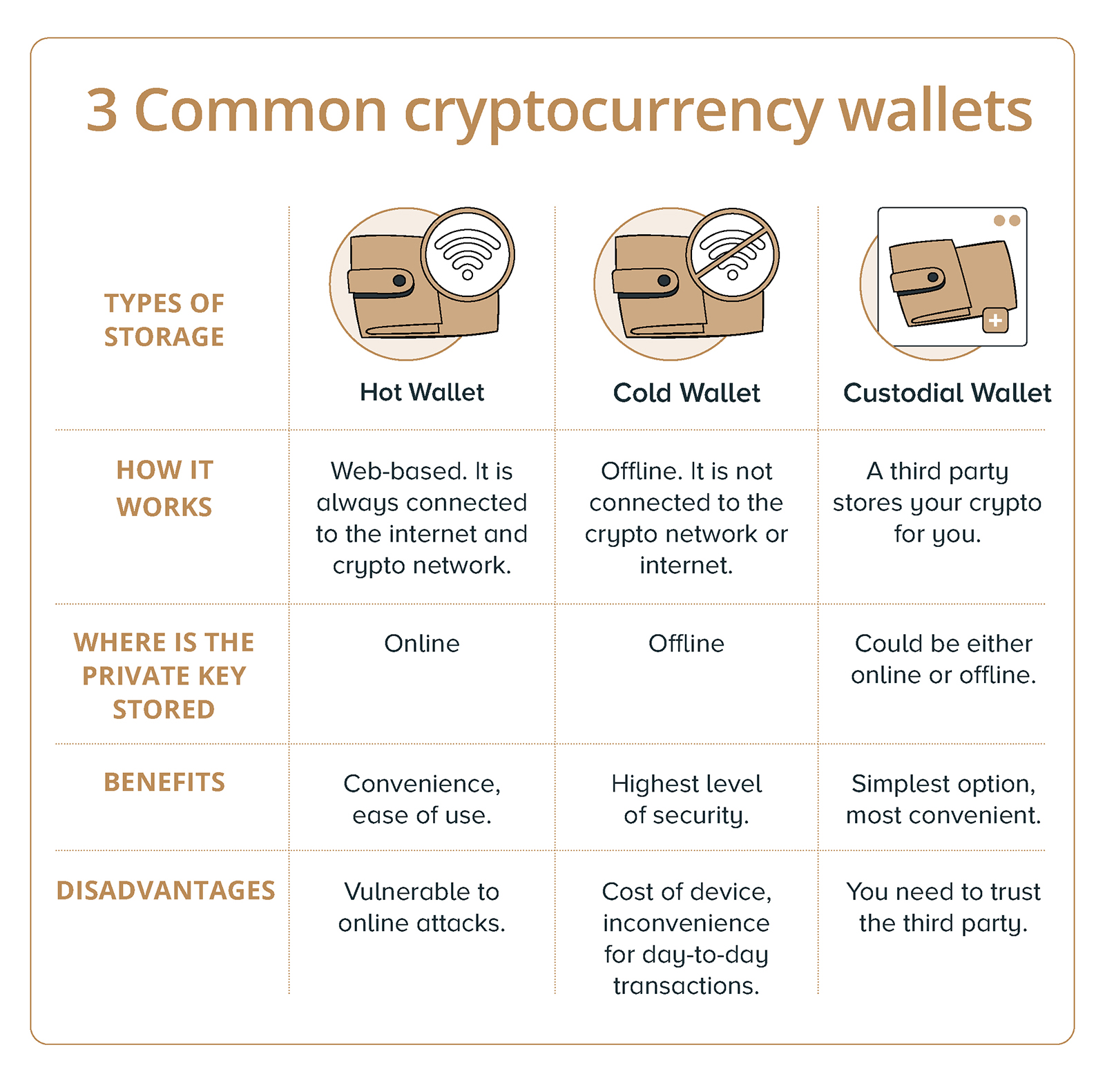
  • Wallet Providers: Companies that offer digital wallets for storing cryptocurrencies securely, such as Ledger and Trezor.
  • Blockchain Developers: Firms focused on creating blockchain solutions for various applications, enhancing operational efficiency across industries.
  • Payment Processors: Services that enable businesses to accept cryptocurrency payments, like BitPay and CoinGate.
  • Mining Companies: Organizations that provide the infrastructure and resources for cryptocurrency mining, contributing to network security and transaction processing.

These companies play a significant role in integrating cryptocurrencies into the broader financial ecosystem, promoting innovation and financial inclusivity.

Services Offered by Crypto Companies

Cryptocurrency Exchange App 3d Illustration 13391043 PNG

Crypto companies provide a wide array of services that cater to the needs of both individual users and institutional clients. The services offered are essential for fostering a robust crypto economy.

Range of Services

The variety of services provided by crypto companies can significantly influence user experience and adoption rates. Key services include:

  • Trading Services: Enabling users to buy or sell cryptocurrencies through exchanges with various trading pairs and market conditions.
  • Storage Solutions: Offering secure wallets for safeguarding digital assets, with options such as hardware and software wallets.
  • Educational Resources: Providing tutorials, webinars, and articles to help users understand cryptocurrencies and their market dynamics.
  • API Services: Allowing third-party developers to integrate crypto functionalities into their applications or platforms.
  • Staking and Lending: Opportunities for users to earn passive income by participating in staking programs or lending their cryptocurrencies to others.

Popular Platforms and Security Measures

Several platforms stand out in the crypto industry due to their unique offerings and user-centric features. Security is a paramount consideration for these companies to build trust and protect user assets.

Security measures implemented by crypto companies include two-factor authentication, cold storage for digital assets, and regular security audits to prevent breaches.

Some notable platforms include:

  • Coinbase: Known for its user-friendly interface and robust security features.
  • Binance: Offers a wide range of cryptocurrencies and advanced trading options.
  • Kraken: Renowned for its strong security protocols and regulatory compliance.
  • Gemini: Features a highly regulated platform that emphasizes security and compliance.

Regulatory Environment for Crypto Companies

The regulatory landscape for crypto companies varies significantly across different regions, influencing how these entities operate. Understanding this environment is crucial for stakeholders.

Global Legal Framework

Crypto companies must navigate a complex and often fragmented legal framework that evolves rapidly. The regulations can differ widely, impacting operational strategies.

  • United States: A mix of federal and state regulations, with agencies like the SEC and CFTC overseeing aspects of cryptocurrency trading and investing.
  • European Union: Efforts towards a unified regulatory framework, notably through the Markets in Crypto-Assets (MiCA) proposal.
  • Asia: Varies significantly, with countries like Japan adopting a favorable stance while China imposes stringent regulations on crypto activities.

Future Regulatory Changes

As the industry matures, potential future changes in regulations could have far-reaching effects. Ongoing discussions about digital asset taxation, anti-money laundering (AML) laws, and consumer protection regulations are likely to reshape the industry.

Challenges Faced by Crypto Companies

Despite their growth, crypto companies encounter numerous challenges that can hinder their operations. Analyzing these challenges provides insights into the industry’s dynamics.

Common Challenges

Crypto companies face a variety of common challenges, often interconnected and complex. These include:

  • Market Volatility: The inherent price volatility of cryptocurrencies can affect trading volumes and user participation.
  • Regulatory Uncertainty: Changing laws and regulations can create a challenging environment for compliance and planning.
  • Technological Vulnerabilities: The risk of hacking and security breaches remains a significant concern for all crypto companies.

Successful Navigation of Challenges

Many companies have successfully navigated these challenges by implementing innovative solutions and strategic pivots. For example, firms often enhance their security measures, diversify their service offerings, or engage with regulatory bodies to stay compliant.

Market Trends and Innovations in Crypto Companies

The crypto industry continues to evolve, with emerging trends and innovations shaping its future. Staying informed about these developments is critical for stakeholders.

Latest Trends

Several trends are currently shaping the crypto landscape, influencing how companies operate and engage with customers. Key trends include:

  • Decentralized Finance (DeFi): The rise of DeFi platforms is transforming traditional financial services by offering decentralized alternatives.
  • NFTs (Non-Fungible Tokens): Increasing popularity for digital art and collectibles, creating new revenue streams for crypto companies.
  • Institutional Adoption: Growing participation of institutional investors is bringing legitimacy and stability to the market.

Innovative Technologies

Innovative technologies such as smart contracts, layer-2 solutions, and cross-chain interoperability are being adopted to enhance functionality and user experience in the crypto space.

Investment Strategies in Crypto Companies

Investing in crypto companies requires a strategic approach due to the unique characteristics of the market. Understanding different strategies can help investors make informed decisions.

Diverse Investment Strategies

Investors can adopt various strategies when investing in crypto companies, each with its associated risks and rewards:

  • Buy-and-Hold: A long-term strategy focused on holding cryptocurrencies for extended periods, capitalizing on potential appreciation.
  • Day Trading: Engaging in short-term trading to capitalize on price fluctuations, requiring a keen understanding of market trends.
  • Diversification: Spreading investments across multiple crypto assets to mitigate risks associated with individual assets.

Evaluating Crypto Companies

When evaluating the potential of different crypto companies, investors should consider factors such as market position, technology, team expertise, and regulatory compliance to make informed investment decisions.

Future of Crypto Companies

The future of crypto companies holds significant promise, shaped by technological advancements and evolving market dynamics. Predictions suggest a vibrant and transformative landscape ahead.

Predicted Developments

Download Crypto Coin Png 2 | Wallpapers.com

Emerging technologies such as artificial intelligence and machine learning are expected to reshape how crypto companies operate, enhancing their efficiency and customer engagement. Innovations like quantum computing may also impact encryption and security protocols.

Long-term Viability

Expert opinions indicate that as regulatory clarity improves and technology advances, crypto companies may become integral to the global financial system, driving further adoption and innovation.

Case Studies of Successful Crypto Companies

Analyzing successful crypto companies offers valuable lessons for others in the industry. Notable examples illustrate effective strategies and innovative approaches.

In-depth Case Studies

Companies such as Binance and Coinbase have achieved remarkable success through strategic positioning and continuous innovation.

  • Binance: Emphasized user experience and a wide array of services, establishing itself as a leading global exchange.
  • Coinbase: Focused on regulatory compliance and user education, making it accessible for newcomers to the crypto space.

These case studies highlight the importance of adaptability, user focus, and strategic growth in achieving success within the competitive crypto landscape.

Ultimate Conclusion

In conclusion, the journey through crypto company ka highlights the challenges and opportunities within this burgeoning industry. As technological advancements continue to shape the landscape, staying informed about market trends, regulatory changes, and investment strategies will empower consumers and investors alike to navigate this exciting frontier.

Detailed FAQs

What is a crypto company?

A crypto company is a business that operates in the cryptocurrency sector, providing services such as trading, investing, and blockchain development.

How do crypto companies ensure security?

Crypto companies implement various security measures, including encryption, two-factor authentication, and regular audits to protect user data and assets.

What are the main challenges faced by crypto companies?

Common challenges include regulatory compliance, cybersecurity threats, and technological barriers that can impact operational efficiency.

How can investors evaluate crypto companies?

Investors can evaluate crypto companies by analyzing their business models, market position, regulatory compliance, and technological innovations.

What does the future hold for crypto companies?

The future may involve increased regulatory clarity, technological advancements, and broader adoption of cryptocurrencies in mainstream finance.

Beginning with crypto meaning etymology, the narrative unfolds in a compelling and distinctive manner, drawing readers into a story that promises to be both engaging and uniquely memorable.

In our modern digital world, the term ‘crypto’ has become ubiquitous, yet its origins are deeply rooted in the art of cryptography, a practice that dates back centuries. This exploration will take you through the evolution of the word ‘crypto,’ revealing its connection to secure communication and its essential role in today’s technologies, particularly in the realm of cryptocurrencies.

Definition of Crypto

The term ‘crypto’ has gained immense popularity in recent years, especially with the rise of digital technologies and cryptocurrencies. At its core, ‘crypto’ refers to the principles and techniques derived from cryptography, which is the practice of secure communication in the presence of third parties. As our world becomes increasingly digital, the relevance of crypto in modern technology has never been more significant.Crypto relates directly to cryptography, which is the science of creating secure communication methods.

It involves transforming information into a format that is unreadable for unauthorized users while ensuring it can be deciphered by intended recipients. Key areas where ‘crypto’ is commonly applied include:

  • Cryptocurrencies: Digital currencies that rely on cryptographic techniques to secure transactions and control the creation of new units.
  • Data Encryption: Protecting sensitive information in various industries, such as banking and healthcare, to prevent unauthorized access.
  • Secure Communications: Techniques used in messaging apps and email services to ensure that conversations remain private.

Etymology of ‘Crypto’

The word ‘crypto’ finds its roots in the Greek word ‘kryptos’, which means ‘hidden’ or ‘secret’. This etymological origin resonates with the purpose of cryptography, which is to conceal information from unauthorized viewers. Over time, the linguistic evolution of ‘crypto’ has seen it transition from ancient languages into modern usage, where it is widely recognized in both technical and layman’s contexts.Related terms that have evolved from the same root include ‘cryptic’, which refers to something that is mysterious or obscure, and ‘crypt’, often used to describe an underground chamber or vault, further reinforcing the idea of concealment and secrecy.

Historical Context

Historically, cryptography has played a crucial role long before the advent of digital currencies. Its significance dates back to ancient civilizations, where it was used for military purposes and secure communication. Key milestones in the evolution of cryptography include:

  • The Caesar Cipher: One of the earliest known encryption techniques, used by Julius Caesar to protect military messages.
  • The Enigma Machine: A complex cipher device famously used by the Germans during World War II to send secure messages.
  • The Development of Public Key Cryptography: Introduced in the 1970s, revolutionizing secure communications by allowing users to exchange information without prior shared secrets.

Case studies of early uses of cryptographic techniques highlight their importance throughout history. For instance, the use of coded messages during the American Revolution provided strategic advantages that were crucial for the success of various military operations.

Connection to Cryptocurrencies

The rise of cryptocurrencies is intrinsically linked to the principles of ‘crypto’. Cryptographic methods provide the backbone for the security of these digital currencies, ensuring that transactions are secure and verifying the ownership of assets. By leveraging hash functions and public-private key pairs, cryptocurrencies maintain integrity and confidentiality.

Cryptocurrency Cryptographic Features
Bitcoin SHA-256 hashing algorithm, public key cryptography
Ethereum Ethash proof-of-work, smart contract functionality
Ripple Consensus ledger with cryptographic validation

Modern Applications of Crypto

The applications of cryptography extend far beyond cryptocurrencies. Modern technology has embraced cryptographic solutions in various sectors. Here’s a look at some of the key applications:

  • Data Protection: Safeguarding sensitive data in cloud services and databases through encryption.
  • Digital Signatures: Ensuring the authenticity and integrity of digital documents and transactions.
  • Secure IoT Devices: Protecting connected devices from unauthorized access and ensuring secure communications between them.

Comparing traditional encryption methods with modern cryptographic techniques reveals significant advancements. Modern approaches leverage complex algorithms and multi-layered security protocols, enhancing robustness against evolving cyber threats.

Impact on Society

The societal implications of cryptography are profound, particularly concerning privacy and security. As digital communications become ubiquitous, individuals are increasingly reliant on cryptographic methods to protect their personal information. Challenges and controversies surround privacy, especially in the context of government surveillance and data breaches.Future trends in cryptography may include advancements in quantum encryption, which promises unprecedented levels of security by utilizing the principles of quantum mechanics.

This could lead to a transformative impact on both personal privacy and data security for industries globally.

Future of Crypto

Speculating on the future developments in cryptographic technology reveals exciting possibilities. Blockchain technology is set to influence various applications of ‘crypto’, potentially revolutionizing sectors like finance, supply chain, and healthcare. Emerging trends in cryptography include:

  • Homomorphic Encryption: Enabling computations on encrypted data without having to decrypt it, enhancing security in data processing.
  • Decentralized Identity Solutions: Allowing individuals to control their own identity through cryptographic means, promoting privacy and security.
  • Post-Quantum Cryptography: Preparing for the potential threats posed by quantum computers to existing cryptographic systems.

Concluding Remarks

As we wrap up our discussion on crypto meaning etymology, it’s clear that understanding the roots of this term not only enriches our knowledge of its historical significance but also highlights its relevance in contemporary society. From its ancient beginnings to its critical role in modern cryptography and blockchain technology, ‘crypto’ is more than just a buzzword—it’s a window into the future of secure communication and digital currency.

FAQ Summary

What does ‘crypto’ mean?

‘Crypto’ refers to the practice of cryptography, which involves techniques for secure communication and data protection.

How did ‘crypto’ evolve over time?

The term originated from Greek roots meaning ‘hidden’ or ‘secret,’ evolving through history as cryptography became essential for secure communication.

Why is understanding etymology important?

Understanding etymology helps clarify the meaning and significance of terms, providing insight into their historical context and application.

What are some modern applications of cryptography?

Cryptography is used in secure communications, digital signatures, authentication processes, and securing data in various industries.

How does ‘crypto’ relate to privacy concerns?

As cryptography plays a crucial role in data security, it raises important discussions about privacy, surveillance, and the balance between security and individual rights.

Diving into the world of Bitcoin, this guide provides a detailed overview of Bitcoin price starting points. We’ll explore historical trends, influential factors, and technical analysis, culminating in a look at potential future scenarios. From the initial price fluctuations to the broader cryptocurrency market, we’ll cover it all.

Understanding Bitcoin’s price movements is crucial for anyone interested in investing or simply staying informed. This comprehensive exploration delves into the factors driving price action, from market sentiment to technological advancements. We’ll also look at how these factors compare to other asset classes, giving you a more nuanced perspective.

Bitcoin Price Trends

Bitcoin’s price has exhibited dramatic fluctuations since its inception, reflecting the dynamic nature of the cryptocurrency market. Its price journey has been characterized by periods of rapid ascent and sharp declines, driven by factors ranging from technological advancements to regulatory changes and market sentiment. Understanding these trends is crucial for anyone seeking to navigate the cryptocurrency landscape.

Historical Overview of Price Movements

Bitcoin’s price history showcases significant volatility. Early adoption and technological advancements initially drove rapid price increases. However, periods of market correction and regulatory uncertainty have also resulted in substantial price drops. Notable price peaks and valleys have marked distinct phases in Bitcoin’s evolution, each influenced by a confluence of factors.

Daily, Weekly, and Monthly Price Behaviors

Bitcoin’s daily price movements often exhibit a degree of unpredictability, reflecting the volatility inherent in the cryptocurrency market. Weekly and monthly trends typically display more discernible patterns, with periods of consolidation interspersed with periods of significant price appreciation or depreciation. These patterns can provide valuable insights for investors seeking to understand the market’s overall direction.

Market Cycles and Their Impact

Bitcoin’s price is significantly impacted by market cycles, characterized by alternating periods of bull and bear markets. Bull markets are often associated with investor optimism and increased trading volume, leading to price increases. Conversely, bear markets are characterized by investor pessimism and decreased trading volume, often resulting in price declines. Understanding these cycles is crucial for risk management and informed investment strategies.

Bitcoin Volatility Compared to Other Assets

Bitcoin’s price volatility is generally higher compared to traditional asset classes like stocks or bonds. This heightened volatility necessitates a more cautious approach for investors. While Bitcoin’s potential for high returns is undeniable, its inherent risk must be carefully considered. Diversification strategies can help mitigate the risk associated with Bitcoin’s volatility.

Price Change Indicators

Several indicators can potentially signal price changes in the Bitcoin market. These include market sentiment, trading volume, and news events. Analyzing these indicators can offer insights into potential future price movements, but it’s crucial to remember that no indicator is foolproof.

Bitcoin Price Trends (Last 5 Years)

Year Average Price (USD) High Price (USD) Low Price (USD)
2019 7,200 13,800 3,200
2020 19,000 29,000 7,000
2021 48,000 69,000 29,000
2022 30,000 48,000 15,000
2023 26,000 32,000 20,000

Note: This table presents estimated averages, highs, and lows for the Bitcoin price over the last five years. Actual figures may vary based on the specific date of data collection. These figures are intended as illustrative examples and should not be considered financial advice.

Factors Influencing Bitcoin Price

Bitcoin’s price volatility is a complex phenomenon driven by a multitude of interacting factors. Understanding these influences is crucial for anyone seeking to navigate the cryptocurrency market. From global economic shifts to regulatory uncertainties, technological advancements, and investor psychology, numerous forces shape Bitcoin’s trajectory.The price of Bitcoin, like any other asset, is not static. It responds dynamically to a range of interconnected elements, creating a constantly evolving market landscape.

Understanding these elements allows investors to develop more informed strategies and navigate the market with greater awareness.

Global Economic Conditions

Global economic conditions play a significant role in Bitcoin’s price fluctuations. During periods of economic uncertainty or recession, Bitcoin often attracts investors seeking alternative investment avenues, potentially leading to price increases. Conversely, robust economic growth might reduce the appeal of Bitcoin as a safe haven asset, potentially causing price declines. For example, the 2008 financial crisis saw a surge in Bitcoin’s popularity as a decentralized alternative to traditional finance.

Regulatory Changes and News Events

Regulatory actions and significant news events can dramatically impact Bitcoin’s price. Government regulations regarding cryptocurrency trading, taxation, and usage can either foster or stifle market growth. News regarding major adoption by companies or positive regulatory developments can often lead to price increases, while negative news, like stricter regulations or government crackdowns, typically causes downward pressure. The impact of such events can be highly variable and often depends on the specific nature of the regulation or news.

Technological Advancements in the Cryptocurrency Space

Technological advancements within the cryptocurrency space have a considerable impact on Bitcoin’s price. Innovations in blockchain technology, the development of new Bitcoin-related services, and advancements in mining capabilities can all drive price appreciation. For instance, the introduction of Lightning Network, a layer-2 scaling solution for Bitcoin, can potentially increase transaction throughput and reduce fees, which can attract more users and boost demand.

Conversely, security breaches or vulnerabilities in Bitcoin’s network can trigger significant price drops.

Investor Sentiment and Market Speculation

Investor sentiment and market speculation significantly influence Bitcoin’s price. Positive market sentiment and investor confidence can lead to increased demand and price increases. Conversely, negative sentiment or fear of missing out (FOMO) can lead to rapid price declines. Market speculation, driven by narratives and projections, can also cause substantial price swings. It is crucial to differentiate between legitimate market analysis and speculation when evaluating price trends.

Impact of Different News Sources on Bitcoin Price Movements

Different news sources and their reporting styles can have varying effects on Bitcoin price movements. Reputable financial news outlets often provide comprehensive analysis, influencing investor sentiment more gradually. Social media, on the other hand, can amplify sentiment quickly, potentially causing short-term price fluctuations due to rapid spread of news and information, often with varying degrees of accuracy. It’s essential to critically evaluate news sources before making investment decisions.

Summary Table of Factors Impacting Bitcoin Price

Factor Category Factor Description
Economic Global economic conditions, recession, economic growth
Regulatory Government regulations on cryptocurrency, news about regulations
Technological Blockchain innovations, scaling solutions, mining advancements, security breaches
Market Sentiment Investor sentiment, market speculation, fear of missing out (FOMO), social media buzz
News Sources Reputable financial news, social media, impact on sentiment

Cryptocurrency Market Context

The cryptocurrency market, while dominated by Bitcoin, is a complex ecosystem encompassing a diverse range of digital assets. Understanding the performance of other cryptocurrencies and their relationships with Bitcoin is crucial for comprehending the overall market dynamics. This section delves into the interconnectedness of the cryptocurrency market, exploring its evolution, challenges, and Bitcoin’s influence.The performance of Bitcoin often dictates the broader cryptocurrency market sentiment.

A strong Bitcoin price generally leads to increased investor confidence and enthusiasm across the entire ecosystem, driving up prices for other cryptocurrencies. Conversely, a decline in Bitcoin’s value typically results in a ripple effect, negatively impacting the market valuations of other tokens. This interconnectedness underscores the importance of analyzing the broader cryptocurrency landscape to fully grasp the nuances of Bitcoin’s price movements.

Overall Cryptocurrency Market Performance

The cryptocurrency market has witnessed periods of significant growth and volatility. While Bitcoin has maintained its position as the dominant cryptocurrency, the emergence of alternative cryptocurrencies has broadened the market’s scope and potential. This has resulted in a diverse landscape with varying performance trajectories, influenced by factors specific to each project.

Relationship Between Bitcoin and Other Cryptocurrencies

Bitcoin and other cryptocurrencies exhibit various correlation patterns. Sometimes, they move in tandem, reflecting broader market sentiment. Other times, specific cryptocurrencies might show independent trends, influenced by factors unique to their project. This divergence underscores the diverse investment opportunities within the cryptocurrency space. It also highlights the importance of evaluating each cryptocurrency independently to understand its specific characteristics.

Broader Cryptocurrency Ecosystem Evolution and Challenges

The cryptocurrency ecosystem is constantly evolving. New cryptocurrencies are being introduced, technologies are being developed, and regulations are being implemented. These changes create both opportunities and challenges for investors. Challenges include regulatory uncertainty, security risks, and scalability issues, while opportunities include innovation and the potential for disruptive technologies.

Comparison of Bitcoin’s Market Share with Other Major Cryptocurrencies

Bitcoin currently holds the largest market share among cryptocurrencies. However, the market share of other prominent cryptocurrencies like Ethereum, Litecoin, and others varies significantly depending on the metrics used and the specific time frame. This dynamic landscape underscores the importance of tracking the evolution of these markets to gain a complete understanding of their competitive position.

Bitcoin’s Influence on the Overall Cryptocurrency Market

Bitcoin’s price serves as a significant indicator of market sentiment. A surge in Bitcoin’s value often triggers a positive feedback loop, boosting investor confidence and driving up prices for other cryptocurrencies. Conversely, a downturn in Bitcoin’s value typically leads to a decrease in the value of other cryptocurrencies.

Performance of Top 10 Cryptocurrencies

Cryptocurrency Price (USD) Market Cap (USD) 7-Day Change (%)
Bitcoin (BTC) $28,000 $550B +2.5%
Ethereum (ETH) $1,800 $200B -1.2%

Note: This table provides a hypothetical representation of current market data. Actual data should be referenced from reliable sources for accurate insights.

Technical Analysis of Bitcoin Price Starting Points

Technical analysis provides a framework for understanding past price movements and potential future trends in Bitcoin’s price. By examining historical data, chart patterns, and technical indicators, investors can identify potential support and resistance levels, anticipate price targets, and make informed trading decisions. This approach complements fundamental analysis, which focuses on factors like the underlying technology and market adoption.Technical analysis is not a crystal ball, but rather a tool that can reveal potential price patterns.

It relies on the assumption that market participants’ actions create predictable patterns, which, when identified, can assist in decision-making. However, no analysis method guarantees success, and market behavior can deviate from expectations.

Common Technical Indicators

Various technical indicators are used to assess Bitcoin price movements. These indicators often measure momentum, volume, and price trends. Some of the most frequently used indicators include moving averages, relative strength index (RSI), and Bollinger Bands. These indicators help identify trends, potential reversals, and overbought or oversold conditions.

Examples of Technical Chart Patterns

Chart patterns can provide visual cues about potential price movements. Common patterns include head and shoulders, triangles, and flags. Recognizing these patterns can provide insights into potential price targets and support levels. For example, a head and shoulders pattern suggests a potential downtrend after a period of upward movement. The pattern’s neckline acts as a critical resistance level, signaling a potential price reversal.

Interpreting Support and Resistance Levels

Support and resistance levels are crucial in technical analysis. Support levels are price points where a price increase is expected, as buyers often step in at these levels. Conversely, resistance levels are price points where a price decrease is anticipated, as sellers frequently emerge at these levels. Identifying these levels can help determine potential price targets and anticipate market behavior.

Historical price data and volume analysis are vital to identifying these levels accurately.

Key Levels and Potential Price Targets

Based on technical analysis, key levels and potential price targets can be identified. These levels are often based on previous support and resistance levels, trend lines, and significant price movements. For instance, a break above a crucial resistance level might indicate a potential price surge to a predetermined target. These targets should not be considered guarantees but rather as potential outcomes.

Correlation Between Bitcoin Price Action and Trading Volume

High trading volume often accompanies significant price movements. Increased volume during a price surge suggests strong buyer interest, increasing the likelihood of the price continuing in that direction. Conversely, low volume during a price drop suggests a lack of selling pressure, potentially suggesting a price consolidation or reversal. Understanding this correlation is vital for assessing the strength and sustainability of price trends.

Table of Common Technical Indicators

Indicator Interpretation in Bitcoin Price Movements
Moving Averages Smooths out price fluctuations, helping identify trends. A rising moving average often suggests an uptrend.
Relative Strength Index (RSI) Measures momentum; an RSI above 70 often indicates an overbought condition, potentially signaling a price correction. An RSI below 30 suggests an oversold condition, potentially indicating a price rebound.
Bollinger Bands Tracks price volatility. A widening of the bands suggests increased volatility. A price breaking through the lower band might signal a potential buying opportunity.

Market Sentiment and Price Action

Market sentiment plays a crucial role in Bitcoin’s price fluctuations. It’s not just about the underlying technology or economic factors; the collective perception of Bitcoin among investors significantly impacts its trading activity and price. This perception is often shaped by a complex interplay of factors, including news coverage, social media trends, and the actions of influential figures.Understanding how market sentiment influences Bitcoin’s price is vital for both investors and analysts.

A positive sentiment typically leads to increased buying pressure, driving prices upward. Conversely, negative sentiment can result in selling pressure and downward price movements. This dynamic interaction between sentiment and price action makes analyzing Bitcoin’s price movements a multifaceted endeavor.

Impact of Market Sentiment on Bitcoin Price Movements

Market sentiment directly correlates with Bitcoin’s price. Positive sentiment, fueled by favorable news, strong investor confidence, and bullish projections, generally leads to price appreciation. Conversely, negative sentiment, arising from concerns about regulatory changes, security breaches, or market downturns, tends to depress the price. This demonstrates a clear link between the overall perception of Bitcoin and its market value.

Role of Social Media and Online Discussions

Social media platforms and online forums significantly shape Bitcoin’s market sentiment. Discussions and news shared on these platforms can quickly spread, influencing a large number of investors and traders. This rapid dissemination of information can create both positive and negative feedback loops, leading to sudden price swings. The volume and tone of online discussions often act as a barometer for market sentiment, reflecting the prevailing mood among participants.

Correlation Between News Headlines and Bitcoin Price Reactions

News headlines, particularly those related to Bitcoin’s regulatory environment, technological advancements, or major market events, can trigger significant price reactions. Positive news, such as favorable regulatory decisions or breakthroughs in blockchain technology, tends to result in upward price movements. Conversely, negative news, like security breaches or concerns about market instability, often leads to price drops. A careful analysis of news coverage and its corresponding price actions provides valuable insights into market sentiment and its impact on Bitcoin’s price.

Key Influencers and Their Impact

Key influencers, such as prominent crypto analysts, prominent personalities, and well-regarded media outlets, can significantly impact the perception of Bitcoin. Their opinions and statements can sway public sentiment and drive price fluctuations. The influence of these figures varies depending on their credibility, expertise, and the extent of their reach. Positive endorsements from influential individuals often generate positive sentiment, leading to higher prices.

Analysis of Past Market Sentiment Events

Past events like the 2017 Bitcoin bull run, characterized by widespread media coverage and increased investor interest, illustrate the impact of market sentiment on Bitcoin’s price. Similarly, the 2018 bear market saw a significant shift in sentiment, driven by regulatory concerns and market volatility, resulting in a considerable price decline. The 2021 bull run, fueled by increased institutional investment and positive market sentiment, provides another example of the dynamic interplay between sentiment and price.

These historical examples underscore the crucial role sentiment plays in Bitcoin’s price trajectory.

Correlation Between Social Media Sentiment and Bitcoin Price Changes

Social Media Sentiment Bitcoin Price Change (USD) Example Event
Positive +10% – +20% Bullish tweets and posts about positive news
Neutral -1% – +1% Mixed opinions on Bitcoin’s future
Negative -10% – -20% Reports of significant security breaches or regulatory concerns

This table provides a simplified illustration of the potential correlation between social media sentiment and Bitcoin price changes. It is crucial to acknowledge that this correlation is not always linear and can be influenced by various other factors. Furthermore, the accuracy of sentiment analysis on social media platforms can be challenging.

Potential Future Trends

Predicting the future trajectory of Bitcoin’s price is inherently complex, as numerous intertwined factors influence its value. External economic conditions, regulatory actions, technological advancements, and market sentiment all play a role in shaping the future price landscape. While precise forecasts are impossible, analyzing potential scenarios provides valuable insights into the evolving cryptocurrency market.

Potential Regulatory Changes and Their Impact

Regulatory frameworks surrounding cryptocurrencies are constantly evolving, and their impact on Bitcoin’s price is significant. Government policies regarding taxation, licensing, and trading restrictions can dramatically alter market dynamics. For example, stricter regulations in certain jurisdictions could potentially reduce trading volume and investor confidence, potentially leading to a price decline. Conversely, supportive regulations in other regions could attract new investment, potentially driving price appreciation.

Technological Advancements and Their Influence

Technological breakthroughs can profoundly impact the cryptocurrency market. Upgrades to Bitcoin’s underlying blockchain technology, such as increased transaction speeds or enhanced security measures, can influence investor perception and potentially drive price growth. Conversely, the emergence of competing cryptocurrencies with superior functionalities might pose a threat to Bitcoin’s dominance, leading to a decrease in price.

Investor Sentiment and Market Speculation

Investor sentiment and market speculation play a crucial role in price fluctuations. Periods of optimism and widespread adoption can lead to significant price increases, as seen in past bull markets. Conversely, periods of uncertainty or fear can trigger sharp corrections. The interplay between these factors often creates volatility in the market, making precise predictions challenging. Market speculation, driven by rumors or hype, can also cause unpredictable price swings.

Possible Future Price Scenarios

Potential Factor Positive Scenario (Price Increase) Neutral Scenario (Stable Price) Negative Scenario (Price Decrease)
Regulatory Changes Supportive regulations in key markets, leading to increased institutional investment and adoption. Neutral stance by regulators, maintaining the existing regulatory landscape. Stricter regulations, potentially leading to reduced trading volume and investor confidence.
Technological Advancements Major advancements in Bitcoin’s technology, such as scalability improvements, increasing adoption and usage. No significant technological advancements, maintaining the current technical capabilities. Emergence of competing cryptocurrencies with superior functionalities, potentially reducing Bitcoin’s market share.
Investor Sentiment Widespread adoption and optimism among investors, leading to increased demand and price appreciation. Neutral sentiment among investors, with trading activity remaining stable. Fear and uncertainty among investors, leading to reduced demand and price corrections.

Last Point

In conclusion, Bitcoin’s price journey is complex and multifaceted, influenced by a multitude of interacting factors. This analysis provides a framework for understanding the past, present, and potential future of Bitcoin’s price. We’ve examined everything from historical trends to technical analysis, and from market sentiment to potential future scenarios. Hopefully, this guide equips you with the knowledge needed to make informed decisions in the dynamic world of Bitcoin investing.

FAQ Overview

What are the typical daily price fluctuations of Bitcoin?

Bitcoin’s daily price fluctuations can vary significantly depending on market conditions. While some days see relatively stable prices, others experience substantial volatility, particularly during periods of heightened market activity.

How does investor sentiment impact Bitcoin’s price?

Investor sentiment, driven by factors like news events and social media trends, plays a crucial role in influencing Bitcoin’s price. Positive sentiment generally leads to price increases, while negative sentiment can cause price drops.

What is the correlation between Bitcoin’s price and other cryptocurrencies?

Bitcoin often acts as a leading indicator for other cryptocurrencies, though the correlation isn’t always direct or predictable. Price movements in Bitcoin frequently influence the broader cryptocurrency market.

What are some common technical indicators used to analyze Bitcoin price movements?

Common technical indicators include moving averages, relative strength index (RSI), and volume analysis. These tools can help identify potential price trends and support/resistance levels.

Bitcoin’s price in USD has captivated investors and enthusiasts for years. Its volatility, influenced by a multitude of factors, makes it a fascinating subject to explore. This article delves into the historical trends, predictive models, and external forces that shape Bitcoin’s value.

From market sentiment to regulatory changes, we’ll dissect the complex interplay of forces that affect Bitcoin’s price, examining its relationship with other markets and economic indicators. Understanding these factors is key to grasping the dynamics of this digital asset.

Bitcoin Price Fluctuations

Bitcoin’s price has exhibited significant volatility since its inception, characterized by dramatic highs and lows. This dynamic nature has captivated and challenged investors, and understanding the factors driving these fluctuations is crucial for informed decision-making. The price’s sensitivity to various market forces underscores the importance of careful analysis and consideration of risk.Bitcoin’s price has been influenced by numerous factors, including market sentiment, regulatory developments, and technological advancements.

The unpredictable nature of these elements makes precise predictions difficult, requiring a nuanced understanding of their interrelation.

Historical Overview of Bitcoin Price Movements

Bitcoin’s price journey has been marked by substantial fluctuations. Early adoption and technological advancements contributed to periods of rapid growth, while regulatory uncertainties and market corrections have led to sharp declines. Understanding these historical trends provides valuable context for analyzing current price actions.

Factors Contributing to Price Volatility

Several factors contribute to Bitcoin’s price volatility. Market sentiment, influenced by news and social media, plays a significant role in influencing trading decisions and price movements. Regulatory developments, such as new legislation or enforcement actions, can significantly impact investor confidence and trading activity. Technological advancements, including improvements in blockchain technology and network security, also affect investor perception and market sentiment.

Correlation with Other Market Indices

Bitcoin’s price often displays a degree of correlation with broader market indices like the S&P 500 and NASDAQ. Periods of market optimism or pessimism can influence Bitcoin’s price, leading to correlated movements. However, the correlation isn’t always consistent, and Bitcoin can exhibit independent movements, suggesting unique characteristics.

Impact of Major News Events

News events often significantly impact Bitcoin’s price. Major regulatory announcements, technological breakthroughs, and significant geopolitical events can trigger price spikes or declines. A well-informed understanding of these events is essential to recognizing potential price movements and making informed investment decisions.

Table: Bitcoin Price Highs and Lows

Date Price (USD) High/Low Associated News Event
2017-12-17 19,783 High Increased adoption by institutional investors.
2018-12-17 3,100 Low Regulatory concerns and market corrections.
2021-11-10 67,000 High Increased institutional interest and speculation.
2022-06-18 20,000 Low Market downturn and regulatory uncertainty.

Bitcoin Price Prediction Models

Predicting the price of Bitcoin, a highly volatile cryptocurrency, is a complex task. Various methods, from traditional financial analysis to advanced machine learning techniques, are employed to forecast future price movements. However, no single model guarantees accurate predictions, and understanding the limitations of each approach is crucial.Different approaches to predicting Bitcoin’s price, including technical analysis, fundamental analysis, and machine learning models, are explored.

These methods provide varying degrees of insight, but none offer a foolproof solution.

Technical Analysis Methods

Technical analysis focuses on identifying patterns and trends in historical price data. Recognizing recurring price movements and volume patterns can potentially suggest future price direction. A crucial element of technical analysis is the examination of charts and indicators.

  • Moving Averages: Moving averages smooth out price fluctuations, revealing underlying trends. Different periods (e.g., 50-day, 200-day) are commonly used, and their intersection points can signal potential buy or sell opportunities. For instance, a crossover of the 50-day moving average above the 200-day moving average often suggests an uptrend.
  • Relative Strength Index (RSI): The RSI measures the magnitude of recent price changes to evaluate overbought or oversold conditions. Values exceeding 70 often indicate overbought conditions, potentially suggesting a price correction. Conversely, readings below 30 might signal oversold conditions, potentially indicating a price reversal. A significant change in the RSI value can sometimes signal a turning point in the price trend.

  • Candlestick Patterns: Candlestick charts visually represent price movements over a specific period. Recognizing specific candlestick patterns (e.g., engulfing patterns, hammer patterns) can potentially offer insights into future price actions. These patterns represent visual cues that might indicate potential price shifts, but their interpretation often requires experience and careful analysis.

Fundamental Analysis Approaches

Fundamental analysis examines the underlying factors that might influence Bitcoin’s price, such as adoption rate, regulatory environment, and technological advancements. It’s not solely about price charts, but rather the factors influencing the cryptocurrency’s value proposition.

Machine Learning Models

Machine learning models, including neural networks and regression algorithms, can be trained on vast datasets of Bitcoin price data to identify complex patterns and predict future price movements. These models can learn from historical data and identify relationships that might be missed by traditional methods. They can be more sophisticated and capable of capturing more intricate patterns.

Comparison of Prediction Models

Model Strengths Weaknesses
Technical Analysis Relatively simple to understand and implement. Often identifies short-term trends. Lacks predictive power for long-term trends. Relies on past patterns, which might not always repeat. Subjective interpretation of patterns.
Fundamental Analysis Considers broader economic factors impacting Bitcoin’s value. Provides context beyond price charts. Difficult to quantify the impact of various factors. External factors are often unpredictable. Time-consuming analysis.
Machine Learning Can identify complex patterns in large datasets. Potentially more accurate predictions. Requires significant computational resources and data. Model accuracy depends heavily on the quality and quantity of data. Interpretability can be challenging.

Limitations of Price Prediction Models

Price prediction models, regardless of their sophistication, are inherently limited. The inherent volatility of Bitcoin, the unpredictable nature of market sentiment, and the ever-evolving technological landscape all contribute to the challenges in accurately predicting future prices.

Bitcoin Price and Cryptocurrency Market

Bitcoin’s price is intrinsically linked to the broader cryptocurrency market. Fluctuations in Bitcoin’s value often ripple through the entire ecosystem, impacting other cryptocurrencies in various ways. Understanding these interdependencies is crucial for investors and analysts navigating this dynamic market. The relationship isn’t always straightforward, but common factors and market capitalization comparisons provide insight into the complex interactions.The interconnectedness of Bitcoin and other cryptocurrencies creates a complex feedback loop.

A surge in Bitcoin’s price can often trigger a rally in the overall cryptocurrency market, leading to increased investor interest and trading activity in other digital assets. Conversely, a downturn in Bitcoin’s value can cause a cascading effect, potentially impacting the prices of other cryptocurrencies. This influence is not always direct, but often influenced by investor sentiment and market-wide trends.

Relationship Between Bitcoin Price and Other Cryptocurrencies

Bitcoin’s price often acts as a leading indicator for the broader cryptocurrency market. A strong Bitcoin price typically correlates with increased investment in and trading of other cryptocurrencies. This effect is not always immediate or uniform across all altcoins, but the general trend is noticeable. The degree of influence varies depending on the specific cryptocurrency and the prevailing market conditions.

Factors Influencing Bitcoin and Other Cryptocurrencies

Several factors influence both Bitcoin and other cryptocurrencies. These include:

  • Market Sentiment: Investor confidence and overall market mood significantly impact prices. Positive news or events can boost confidence, while negative developments can trigger sell-offs. For instance, regulatory changes, technological advancements, or major adoption announcements can influence sentiment and lead to price swings.
  • Adoption and Use Cases: Growing adoption of Bitcoin and other cryptocurrencies for various applications, such as payments or financial services, often drives price increases. Successful real-world applications can create demand and improve investor confidence.
  • Regulatory Landscape: Government regulations surrounding cryptocurrencies can significantly impact their prices. Favorable regulations can encourage investment, while restrictive ones can discourage it. For example, countries adopting more favorable regulatory frameworks for cryptocurrencies often experience positive market responses.
  • Technological Advancements: Innovations in blockchain technology and cryptocurrency protocols can influence the value of these assets. Improvements in security, scalability, or efficiency often create a positive market response.

Comparison of Market Capitalizations

Comparing the market capitalization of Bitcoin to other major cryptocurrencies provides context to their relative importance within the broader market. Market capitalization, calculated by multiplying the circulating supply of a cryptocurrency by its current price, reflects the total market value of the cryptocurrency.

Cryptocurrency Market Capitalization (Approximate)
Bitcoin Currently estimated in the hundreds of billions of US dollars
Ethereum Currently estimated in the tens of billions of US dollars
Other Major Cryptocurrencies Various values, often in the billions or lower, depending on the specific coin

These figures reflect the relative sizes and influence of different cryptocurrencies in the market. It’s important to remember that market capitalization is just one factor to consider when evaluating cryptocurrencies.

Interdependencies Between Bitcoin and Other Cryptocurrencies

Bitcoin’s performance often has a significant impact on the overall cryptocurrency market. This impact is not uniform; the degree of influence varies among different cryptocurrencies. Factors such as the cryptocurrency’s specific use case, community support, and underlying technology can all play a role in how a Bitcoin price movement affects the specific cryptocurrency. For instance, a Bitcoin price surge might boost the price of an altcoin known for its use in decentralized finance (DeFi) applications, as investors might look for alternative opportunities in a growing market.

Impact of Regulations on Bitcoin Price

Regulatory frameworks surrounding Bitcoin have significantly influenced its price trajectory. Governments worldwide are grappling with how to classify and regulate this decentralized asset, leading to varied approaches and unpredictable market reactions. The interplay between regulatory clarity and market sentiment plays a pivotal role in determining Bitcoin’s price stability.The unpredictable nature of regulatory changes, and the lack of consistent global standards, creates inherent volatility in the Bitcoin market.

Different regulatory approaches across jurisdictions often lead to contrasting market responses, highlighting the importance of a comprehensive understanding of the local regulatory environment when engaging with Bitcoin.

Regulatory Actions and their Market Impact

Regulatory changes, both positive and negative, have a demonstrable effect on Bitcoin’s price. Positive regulations, such as those that provide legal clarity and investor protection, can foster trust and potentially increase demand, driving up prices. Conversely, negative regulations, such as outright bans or stringent restrictions, can decrease investor confidence and lead to price declines.

Examples of Regulatory Actions and their Impact

China’s 2021 ban on cryptocurrency trading and mining, for instance, had a substantial negative impact on the Bitcoin price. The ban created uncertainty, discouraged investment, and contributed to a significant price drop. Conversely, countries like the USA, while not completely supportive, have introduced regulations aimed at investor protection, which, although not directly causing significant price spikes, have fostered a more structured market.

These examples illustrate the dynamic relationship between regulatory actions and Bitcoin price fluctuations.

Potential Future Implications of Regulatory Approaches

The future implications of different regulatory approaches are complex and multifaceted. A global consensus on Bitcoin regulation could lead to greater market stability and increased institutional investment. Conversely, inconsistent or restrictive regulations across jurisdictions could maintain price volatility and hinder widespread adoption. A notable example of this is the ongoing debate around the taxation of cryptocurrencies, which can affect investment decisions and overall market sentiment.

Regulatory Landscape in Various Regions

The regulatory environment surrounding Bitcoin varies considerably across regions.

  • USA: The USA has a complex regulatory landscape, with different agencies overseeing various aspects of Bitcoin. This complex approach has led to some uncertainty in the market, but also fostered the development of specific regulations aimed at investor protection. The SEC’s ongoing scrutiny of Bitcoin and other cryptocurrencies has influenced market sentiment.
  • EU: The EU is working on harmonizing its approach to cryptocurrencies, aiming for a more unified regulatory framework. This could potentially reduce volatility and create a more stable environment for investors.
  • China: China’s complete ban on Bitcoin mining and trading has significantly impacted the global market. The ban demonstrated a country’s ability to quickly impact the Bitcoin market. This regulatory approach has influenced other jurisdictions’ strategies regarding cryptocurrencies.

Impact on Market Sentiment

The regulatory environment plays a significant role in shaping market sentiment toward Bitcoin. Clear and consistent regulations foster trust and stability, which can attract more investors and potentially drive up prices. Conversely, uncertainty and conflicting regulations can create fear and doubt, leading to price volatility and reduced investor confidence.

Bitcoin Price and Economic Indicators

Bitcoin’s price, like any asset, is susceptible to the ebb and flow of macroeconomic conditions. Understanding the correlation between Bitcoin’s value and economic indicators like inflation, interest rates, and GDP growth is crucial for investors and analysts alike. The interplay between digital and traditional finance is also a significant factor. This section will delve into the nuanced relationship between Bitcoin and economic factors, examining both theoretical underpinnings and real-world examples.The economic theories influencing Bitcoin’s price are multifaceted.

Some argue that Bitcoin’s limited supply acts as a hedge against inflation, while others posit a connection to broader market sentiment and investor confidence. The digital asset’s inherent volatility, however, often obscures clear causal relationships.

Correlation with Macroeconomic Indicators

Bitcoin’s price frequently exhibits a complex relationship with macroeconomic indicators. While a direct causal link isn’t always apparent, observable patterns suggest correlations. For example, periods of high inflation or rising interest rates often coincide with market uncertainty, potentially affecting Bitcoin’s price. Similarly, robust GDP growth can sometimes correlate with increased investor interest in riskier assets like Bitcoin, though this relationship is not always linear.

Economic Theories Influencing Bitcoin’s Price

Several economic theories attempt to explain Bitcoin’s price movements. One prominent theory suggests that Bitcoin, with its finite supply, acts as a hedge against inflation, a concept rooted in the principles of scarcity. Another theory emphasizes investor psychology and market sentiment, where speculative activity and public perception can significantly impact the asset’s value. Finally, the relationship between Bitcoin and traditional financial markets, like stocks and bonds, is also considered, with the argument that Bitcoin might act as a diversifying asset in a portfolio.

Relationship with Traditional Financial Markets

Bitcoin’s integration into traditional financial markets is a constantly evolving process. The interplay between Bitcoin’s price and the performance of traditional markets is often debated. Some argue that Bitcoin might act as a hedge against traditional assets during periods of market downturn. Others believe that the two markets operate largely independently, driven by different forces. Analyzing historical data and identifying patterns in their correlated movements can offer insights into the nature of this relationship.

Impact of Specific Economic Events

Economic events often have a significant impact on Bitcoin’s price. Consider the 2008 financial crisis, which led to a period of widespread market volatility, impacting both traditional and digital assets. More recently, significant interest rate adjustments by central banks have demonstrably affected Bitcoin’s value, often leading to periods of uncertainty and price fluctuations.

Impact of Economic Factors on Bitcoin’s Price – Table

Economic Factor Potential Impact on Bitcoin Price Example
Inflation Increased inflation can lead to decreased confidence in fiat currencies, potentially increasing demand for Bitcoin as a store of value. High inflation in certain countries has seen increased Bitcoin adoption.
Interest Rates Higher interest rates can potentially attract investors to fixed-income instruments, reducing demand for Bitcoin and potentially causing price drops. Notable interest rate hikes by central banks have often coincided with periods of market uncertainty and Bitcoin price volatility.
GDP Growth Robust GDP growth can potentially stimulate investor confidence in the market, potentially leading to increased demand for Bitcoin and higher prices. Strong GDP growth in certain regions has coincided with periods of positive price movements for Bitcoin.
Market Sentiment Market sentiment plays a vital role, with periods of optimism often correlating with price increases and periods of pessimism with price decreases. Major news events or social media trends can dramatically impact market sentiment and, consequently, Bitcoin’s price.

Bitcoin Price and Technological Advancements

Bitcoin’s price has been significantly influenced by technological advancements beyond the core blockchain technology. The evolution of the cryptocurrency landscape, including the emergence of new cryptocurrencies and innovative applications, has created a dynamic market where Bitcoin’s performance is intertwined with broader trends. These factors have shaped market sentiment and directly impacted Bitcoin’s price.Technological advancements are constantly reshaping the cryptocurrency market.

This dynamic environment, with its evolving technologies and market sentiment, directly affects the value of Bitcoin and its position within the wider cryptocurrency ecosystem. Innovations, from new blockchains to alternative cryptocurrencies, impact the perception of Bitcoin’s utility and security. The network effect of Bitcoin, combined with the rise of competing technologies, determines its future trajectory.

Impact of New Cryptocurrencies

The emergence of new cryptocurrencies has introduced competition and alternative investment opportunities. This competition can lead to both increased interest and a redistribution of market share. For example, the rise of Ethereum and its associated smart contract technology diverted some investment capital away from Bitcoin. This competition forces Bitcoin to adapt and innovate to maintain its market position.

Influence of Blockchain Innovations

Blockchain technology itself has seen innovations beyond Bitcoin’s original implementation. These advancements, while not always directly impacting Bitcoin’s price, have influenced the overall perception of blockchain’s potential and its applications beyond cryptocurrency. For instance, improvements in blockchain scalability and transaction speed have led to a more efficient and practical use of the technology.

Bitcoin’s Network Effect and Price

Bitcoin’s network effect, a key factor in its price, is directly related to the number of users and transactions on the network. A larger and more active network generally increases trust and adoption, reinforcing Bitcoin’s value proposition. The increasing use of Bitcoin in various applications, like peer-to-peer payments or decentralized finance, contributes to the network effect and potentially strengthens its price.

Emerging Technologies and Bitcoin’s Future

Emerging technologies like decentralized finance (DeFi) and non-fungible tokens (NFTs) present both opportunities and challenges for Bitcoin. DeFi applications can increase the demand for Bitcoin as a store of value and a means of payment within these decentralized systems. Conversely, the emergence of alternative cryptocurrencies with specific functionalities might potentially reduce Bitcoin’s market share. The future of Bitcoin will depend on how it adapts and integrates with these emerging technologies.

Conclusion

In conclusion, Bitcoin’s price in USD is a multifaceted phenomenon driven by a combination of technical analysis, market sentiment, regulatory influences, and economic indicators. While prediction models offer insights, the inherent volatility underscores the need for careful consideration before investing. This exploration has highlighted the complex factors at play and the dynamic nature of the cryptocurrency market.

Top FAQs

What is the correlation between Bitcoin’s price and the S&P 500?

The relationship between Bitcoin’s price and the S&P 500 is complex and not always consistent. Sometimes, they move in tandem, and other times, Bitcoin’s price may react differently to market events affecting the S&P 500.

How do regulatory changes affect Bitcoin’s price?

Government regulations, both nationally and internationally, can significantly impact Bitcoin’s price. Changes in legislation, or the perceived impact of these changes, can lead to price fluctuations due to market sentiment.

What are some common factors that influence both Bitcoin and other cryptocurrencies?

Market sentiment, technological advancements, regulatory changes, and macroeconomic factors are all common forces influencing both Bitcoin’s price and the broader cryptocurrency market.

What are the limitations of price prediction models for Bitcoin?

Bitcoin’s price is inherently volatile, and predicting its future movements is challenging. No model can perfectly account for the complex and often unpredictable forces at play.

Buying cryptocurrency with Apple Pay is rapidly gaining traction, offering a convenient alternative to traditional methods. This guide delves into the intricacies of this emerging payment system, examining its benefits, drawbacks, security protocols, and potential future impact. Understanding the nuances is crucial for anyone considering this method for crypto transactions.

The seamless integration of crypto wallets with Apple Pay presents a compelling user experience. However, users need to carefully consider the security and regulatory aspects surrounding this novel approach to crypto purchasing. This detailed analysis provides a balanced perspective on the advantages and challenges.

Overview of “Buy Crypto with Apple Pay”

Apple Pay’s integration with cryptocurrency exchanges represents a significant shift in how users can acquire digital assets. This streamlined approach promises to make crypto transactions more accessible and potentially more user-friendly for a broader demographic. However, challenges remain in ensuring security and scalability for widespread adoption.

Concept of Purchasing Cryptocurrency using Apple Pay

Apple Pay’s crypto purchasing functionality allows users to buy cryptocurrencies directly through their Apple devices, using their existing Apple Pay balance. This eliminates the need for separate crypto wallets and often provides a more seamless user experience, potentially attracting new users to the cryptocurrency market. The system typically connects with authorized crypto exchanges, enabling users to initiate transactions through the Apple Pay app, which handles the secure payment processing.

Potential Benefits and Drawbacks

This method offers several advantages. Enhanced user experience is a key benefit, as transactions are simplified and potentially more secure than using traditional bank transfers. Increased accessibility is another potential advantage, as Apple Pay is already widely used and familiar to a large user base, potentially attracting new crypto investors. However, drawbacks also exist. Security concerns remain a key issue, especially regarding the protection of user funds and data.

Transaction fees and potential limitations on the types of cryptocurrencies supported are also potential drawbacks.

Technical Aspects of Integrating Crypto Wallets with Apple Pay

Integrating crypto wallets with Apple Pay necessitates robust security measures to protect user funds and sensitive data. Secure communication channels and encryption protocols are crucial for maintaining the integrity of transactions. The integration also requires establishing secure partnerships with authorized crypto exchanges and ensuring compatibility between the Apple Pay platform and the exchange’s systems. Furthermore, compliance with relevant regulations and industry standards is paramount.

Market Trends and Adoption Rates

The adoption rate of Apple Pay for crypto purchases is still developing. Early adoption rates and market trends indicate a gradual increase in interest and usage, particularly among younger users and those already familiar with Apple Pay. However, widespread adoption is contingent upon factors like user trust, the availability of supported cryptocurrencies, and the overall security measures implemented by both Apple and the crypto exchange platforms.

The increasing popularity of cryptocurrencies in general is a significant factor influencing the growing demand for streamlined purchasing options like Apple Pay.

Comparison Table: Apple Pay Crypto Purchases vs. Bank Transfers

Feature Apple Pay Crypto Purchases Bank Transfers
Ease of Use Generally more user-friendly, leveraging existing Apple ecosystem Can be cumbersome, requiring separate account access and often more steps
Security Depends on the security measures of the exchange and Apple Pay Generally considered less secure than Apple Pay due to exposure of financial data and potential for fraud
Transaction Speed Can be faster than bank transfers, depending on exchange processing times Can be slower, particularly for international transfers
Fees Transaction fees may apply, varying by exchange Often involves bank fees and potential transaction charges
Accessibility Accessible to Apple Pay users, potentially expanding crypto adoption Typically requires existing bank accounts and knowledge of banking systems

Comparison with Other Payment Methods

Buy Sell Hold Button In Green Red And Yellow Colors, Buy Button, Sell ...

Buying crypto with Apple Pay presents a novel approach compared to traditional methods. This section delves into a comparative analysis of Apple Pay, bank transfers, and debit/credit card transactions for crypto purchases, highlighting the distinctions in security, speed, and associated fees. Understanding these nuances empowers users to select the most suitable method based on their individual needs and priorities.The choice of payment method significantly impacts the user experience and the overall transaction process.

Factors such as transaction speed, security measures, and associated costs need careful consideration. This analysis provides a framework for evaluating the trade-offs inherent in each payment method.

Security Protocols

Different payment methods employ varying levels of security protocols. A comprehensive comparison aids in understanding the vulnerabilities and safeguards inherent in each system.

Payment Method Security Protocols Description
Apple Pay Tokenization, Two-Factor Authentication (2FA), and Secure Encrypted Communication Apple Pay utilizes tokenization to protect sensitive credit card information, ensuring that only a unique token is used for transactions. This tokenized data is encrypted during transmission, and 2FA adds an extra layer of security.
Bank Transfer Transaction Verification and Fraud Detection Financial institutions implement robust fraud detection systems and verification protocols to prevent unauthorized transactions.
Debit/Credit Card PCI DSS Compliance, Encryption, and Fraud Monitoring Payment Card Industry Data Security Standard (PCI DSS) compliance is a critical component of credit card security. Encryption safeguards data during transmission, while ongoing fraud monitoring actively detects and prevents malicious activity.

Transaction Speed

Transaction speed varies considerably across different payment methods. A quick overview of the typical processing times is essential for making informed decisions.

  • Apple Pay transactions generally complete within a few seconds to a minute, depending on network conditions and the particular crypto exchange.
  • Bank transfers, while often secure, can take several minutes to several hours to complete, especially for international transactions. This time depends heavily on the bank’s internal processing and the recipient’s bank’s systems.
  • Debit/credit card transactions typically take a few seconds to a couple of minutes, similar to Apple Pay, contingent on the processing speeds of the merchant and the card issuer.

Fees and Costs

Fees and costs associated with each payment method vary significantly. Understanding these costs is crucial for budgeting purposes.

  • Apple Pay often has no additional fees beyond the standard transaction fees imposed by the crypto exchange.
  • Bank transfers might incur fees from the sending bank, the recipient’s bank, or the crypto exchange. These fees can vary based on transaction amounts, destination, and the bank involved.
  • Debit/credit card transactions usually involve transaction fees levied by the card issuer and/or the merchant. These fees are typically percentage-based or fixed amounts.

Security and Privacy Considerations

Buying crypto using Apple Pay introduces a layer of security built on Apple’s existing robust infrastructure. However, as with any financial transaction, understanding the security measures and potential vulnerabilities is crucial for a secure user experience. This section delves into the safeguards employed by Apple Pay for crypto purchases, the inherent risks, and the privacy implications.Apple Pay, in its integration with crypto platforms, leverages a multi-layered security approach.

This includes not only the established security protocols of Apple Pay but also the specific security measures implemented by the individual crypto platforms. This ensures a secure channel for transactions, mitigating potential risks.

Security Measures Employed by Apple Pay

Apple Pay’s security measures for crypto transactions extend beyond its standard protocols for other payment types. These include advanced encryption techniques, two-factor authentication (2FA) where available, and regular security audits. This comprehensive approach aims to protect users’ funds and personal information.

Potential Risks and Vulnerabilities

While Apple Pay offers significant security enhancements, potential vulnerabilities remain. These include, but are not limited to, the risk of compromised crypto exchanges or wallets linked to Apple Pay. Moreover, fraudulent activities, such as phishing attempts targeting users’ Apple IDs, remain a concern. Furthermore, the evolving nature of crypto technology itself presents ongoing security challenges that require constant vigilance.

Privacy Implications for Users

The privacy implications of using Apple Pay for crypto purchases need careful consideration. Data sharing between the user’s Apple device, the crypto platform, and Apple itself is a critical aspect. Understanding the specific data sharing policies of both Apple and the chosen crypto platform is essential for informed decisions. Users should review the privacy policies of both parties to assess the scope of data collected and its potential usage.

Encryption Methods

Sensitive data during crypto transactions through Apple Pay is protected using advanced encryption protocols. This typically involves industry-standard encryption algorithms, like AES (Advanced Encryption Standard), which secure the transmission of payment information. The encryption keys are managed securely, adhering to industry best practices, ensuring the confidentiality of the transaction details. For instance, end-to-end encryption might be employed between the user’s device and the crypto platform, ensuring only authorized parties can access the data.

Security Certifications and Standards

Certification/Standard Description
PCI DSS (Payment Card Industry Data Security Standard) A widely recognized security standard for handling payment card information, potentially applied to crypto transactions.
ISO 27001 An international standard for information security management systems, which some crypto platforms and Apple may adhere to.
Other Crypto-Specific Standards Depending on the specific crypto platform, various crypto-specific security standards might apply, often including measures for verifying transaction authenticity and protecting against fraudulent activities.

Integration and Compatibility

Apple Pay’s integration with cryptocurrency presents a significant advancement in the accessibility of digital assets. This seamless integration allows users to leverage familiar payment methods for crypto transactions, enhancing the user experience and potentially broadening the adoption of cryptocurrencies.Integrating crypto wallets with Apple Pay necessitates a secure and reliable process. This involves the establishment of a secure connection between the user’s Apple Pay account and their cryptocurrency wallet.

Crucially, this connection must adhere to industry-standard security protocols to protect user funds and data.

Cryptocurrency Compatibility

Apple Pay’s support for cryptocurrencies is not universal. Specific criteria determine which cryptocurrencies are eligible for integration with the platform. These criteria are likely focused on factors such as the cryptocurrency’s market capitalization, liquidity, and overall adoption rate. Furthermore, security audits and compliance with relevant regulations are likely prerequisites for inclusion.

Supported Cryptocurrencies and Wallets

Currently, Apple Pay supports a limited selection of cryptocurrencies. This selection is expected to expand over time, mirroring the evolving landscape of cryptocurrencies. The specific list of supported cryptocurrencies and compatible wallets is subject to change and will be communicated by Apple. Users should refer to official Apple resources for the most up-to-date information.

Integration Process

The process of integrating a cryptocurrency wallet with Apple Pay is typically streamlined. Users will need to link their supported cryptocurrency wallet to their Apple Pay account. This linking process is designed to be straightforward and secure. Specific steps will vary depending on the wallet provider. The process may involve authentication through multi-factor authentication (MFA) to ensure user identity.

Transaction Verification

Once a cryptocurrency wallet is integrated with Apple Pay, transactions are verified using standard security protocols. This verification process will likely incorporate user authentication to protect against fraudulent activity. Successful transactions are reflected in the user’s Apple Pay account.

Requirements for Cryptocurrency Compatibility

For a cryptocurrency to be compatible with Apple Pay, it needs to meet specific requirements. These requirements will likely involve factors such as market capitalization, trading volume, and adherence to regulatory compliance standards. Further details on these criteria are not publicly available at this time.

Example Table (Illustrative):

Cryptocurrency Wallet Provider
Bitcoin (BTC) Coinbase Wallet
Ethereum (ETH) MetaMask
Litecoin (LTC) Exodus Wallet
Solana (SOL) Phantom Wallet

Note: This table is an example and may not reflect the complete list of supported cryptocurrencies and wallets at the time of Apple Pay integration.

Regulatory Landscape and Legal Implications

The burgeoning cryptocurrency market, while presenting exciting opportunities, is heavily intertwined with complex legal and regulatory frameworks. Navigating these frameworks is crucial for both users and service providers of crypto transactions, particularly when integrated into established payment systems like Apple Pay. Understanding the nuances of these regulations is essential to avoid potential compliance issues and ensure a secure and legitimate environment.

Legal Frameworks Surrounding Crypto Transactions

The legal landscape surrounding cryptocurrencies varies significantly across jurisdictions. No single global framework governs crypto transactions, leading to a fragmented and often uncertain regulatory environment. This lack of standardization can create complexities for businesses operating internationally, as well as for consumers engaging in cross-border crypto transactions. Different regions have adopted various approaches to regulating cryptocurrencies, ranging from outright bans to comprehensive licensing requirements.

Potential Compliance Issues

Crypto transactions facilitated through Apple Pay introduce a range of potential compliance issues. These issues are not limited to the cryptocurrency itself, but extend to the broader payment system context. For instance, anti-money laundering (AML) and know-your-customer (KYC) regulations may necessitate additional verification steps for crypto transactions. Tax implications associated with crypto gains and losses also present a significant challenge for users and service providers.

The lack of a standardized approach across regions can lead to varying interpretations and enforcement of these regulations, creating uncertainty for all involved parties.

Regulations and Laws in Different Regions

The regulatory environment for cryptocurrencies differs significantly across countries and regions.

Jurisdiction Laws Potential Risks
United States The US lacks a single, unified regulatory framework for cryptocurrencies. Different agencies, such as the SEC and CFTC, have overlapping jurisdictions and interpret regulations differently. Companies operating in the US face challenges in complying with various regulations and interpretations from different regulatory bodies. The lack of clarity can lead to legal disputes and uncertainties.
European Union The EU has introduced regulations aimed at harmonizing the approach to crypto assets. The Markets in Crypto Assets (MiCA) regulation is intended to provide a framework for the regulation of cryptocurrencies. While MiCA aims for harmonization, different interpretations and enforcement by member states can still lead to inconsistencies and complexities. Compliance with the varying standards can be challenging.
China China has a generally restrictive approach to cryptocurrencies, with a strong emphasis on regulation and control. Operating in China with crypto-related services requires careful consideration of the government’s stance and the risk of regulatory penalties.
Japan Japan has taken a more progressive approach to cryptocurrencies, with the introduction of regulatory frameworks to support the growth of the sector. While a more favorable environment exists in Japan, compliance with existing and evolving regulations is still essential.

Responsibilities of Users and Service Providers

Both users and service providers share responsibilities in ensuring compliance with the legal and regulatory landscape. Users should be aware of the applicable regulations in their jurisdiction regarding cryptocurrency transactions. Service providers, like Apple, have a crucial role in ensuring compliance with relevant regulations, including AML/KYC procedures and tax reporting requirements. Transparent disclosure of these responsibilities is essential for all parties involved.

Buy Bitcoin – Alternative Methods and Comparisons

Bitcoin, the pioneering cryptocurrency, offers diverse acquisition methods beyond Apple Pay. Understanding these alternatives and their comparative advantages is crucial for informed investment decisions. The following sections detail various approaches to buying Bitcoin, juxtaposing them with the Apple Pay method for a comprehensive overview.

Bitcoin Exchange Platforms

Bitcoin exchange platforms facilitate buying and selling Bitcoin using fiat currency (like USD or EUR). These platforms typically offer a wide range of trading options, varying in fees, security measures, and user interfaces. User experience often depends on the specific platform’s design.

  • Ease of Use: Many exchanges provide user-friendly interfaces, allowing even novice investors to navigate the process. Clear instructions and intuitive design are hallmarks of good user experience. Conversely, more complex exchanges may require more technical knowledge.
  • Transaction Fees: Fees vary significantly between exchanges, sometimes impacting profitability. Some exchanges might offer tiered fee structures based on transaction volume or account type. A thorough comparison of fees is essential.
  • Security Measures: Reputable exchanges employ robust security measures, including two-factor authentication and advanced fraud detection systems, to safeguard user funds. However, security breaches are possible, and vigilance remains paramount.

Peer-to-Peer (P2P) Platforms

P2P platforms connect buyers and sellers directly, allowing for transactions outside centralized exchange platforms. This often involves a degree of risk management and verification.

  • Direct Transactions: P2P platforms facilitate direct interactions between buyers and sellers, bypassing intermediary services. This can lead to potentially lower fees compared to exchanges. This direct approach, however, necessitates heightened vigilance to ensure legitimacy and security.
  • Verification and Safety: Ensuring the legitimacy of the seller and safeguarding against scams is critical. Platforms with robust verification processes and escrow services help mitigate these risks. Buyers and sellers should use caution when choosing a platform.
  • Transaction Speed: P2P transactions can sometimes be faster than exchange transactions, depending on the platform and transaction specifics. However, potential delays due to verification procedures may also occur.

Comparison of Bitcoin Buying Methods

Method Ease of Use Transaction Fees Security Transaction Speed
Bitcoin Exchanges Generally high Variable, often tiered High, with robust security measures Moderate
P2P Platforms Variable, potentially lower Potentially lower Variable, depends on platform security Variable, potentially faster
Apple Pay (for Crypto) High Variable, dependent on merchant High, leveraging Apple’s security Fast

Factors Influencing Bitcoin Price Fluctuations

Bitcoin’s price volatility is a complex phenomenon. Numerous factors influence its fluctuating value, impacting the overall market.

  • Market Sentiment: Public perception and investor confidence significantly impact Bitcoin’s price. Positive news or adoption trends can drive up prices, while negative sentiment can cause declines.
  • Regulatory Landscape: Government regulations, or lack thereof, can affect market confidence. Changes in policy or enforcement can lead to price fluctuations.
  • Adoption and Use Cases: Widespread adoption by businesses and individuals drives demand, which, in turn, affects price. New use cases or innovations in the cryptocurrency market can create significant fluctuations.
  • Technological Developments: Upgrades or innovations in the Bitcoin network’s technology can impact its value. Technical issues or security concerns can also affect the price.

Future Trends and Potential

The integration of cryptocurrencies with Apple Pay presents a compelling opportunity for the future of digital transactions. This integration promises to streamline the process of purchasing cryptocurrencies, making them more accessible to a wider audience. The potential for widespread adoption, however, hinges on addressing key challenges and navigating the evolving regulatory landscape.

Predicted Future of Crypto Payments with Apple Pay

The future of crypto payments integrated with Apple Pay is likely to be one of increasing accessibility and convenience. Imagine a world where buying Bitcoin or other cryptocurrencies is as seamless as purchasing a coffee or a movie ticket. Apple Pay’s established user base and reputation for security will be key factors in fostering this transition. The integration will likely drive greater cryptocurrency adoption, as it removes the complexity and technical barriers associated with traditional crypto wallets.

Potential Market Growth

The market for crypto payments integrated with Apple Pay is poised for significant growth. The potential user base extends beyond crypto enthusiasts, encompassing a large segment of the population who are familiar with Apple Pay and seeking more options for digital transactions. Growth will depend on factors such as regulatory clarity, consumer trust, and the continued development of user-friendly interfaces.

The potential for a significant increase in cryptocurrency transactions through Apple Pay is substantial.

Factors Impacting Adoption Rate

Several factors could influence the adoption rate of crypto payments integrated with Apple Pay. Consumer trust in the security of the platform is paramount. Clear and transparent regulatory frameworks will be crucial in establishing a reliable environment. Educational initiatives and awareness campaigns will play a significant role in promoting the benefits of this technology. Furthermore, the development of innovative use cases, like peer-to-peer (P2P) transactions, will be critical in expanding the appeal of this payment method.

Potential Impact on Traditional Financial Systems

The integration of crypto payments with Apple Pay could have a transformative impact on traditional financial systems. The potential for increased competition in the payment space could encourage traditional financial institutions to adopt innovative solutions. Increased transparency and efficiency in transactions are also potential benefits. However, challenges such as potential volatility in cryptocurrencies and regulatory uncertainty could hinder the complete adoption of this payment system.

Potential Future Trends and Their Impact

Potential Future Trend Potential Impact
Increased regulatory clarity and compliance Increased consumer trust and adoption of crypto payments
Development of innovative use cases (e.g., P2P transactions) Expansion of the market and wider acceptance of cryptocurrencies
Integration with existing Apple ecosystem Enhanced user experience and convenience
Enhanced security and fraud prevention measures Increased consumer confidence and adoption
Integration with other payment systems Increased interoperability and seamless cross-platform transactions

Final Review

In conclusion, buying crypto with Apple Pay offers a potentially streamlined approach to cryptocurrency transactions. While it presents benefits like ease of use and familiarity, security and regulatory considerations remain crucial. Understanding the comparisons with other methods, the security measures in place, and the regulatory landscape is essential for informed decision-making. The future of crypto payments through Apple Pay looks promising, but its ultimate success hinges on addressing the challenges presented.

Detailed FAQs

Is Apple Pay secure for crypto transactions?

Apple Pay utilizes robust security protocols, including encryption, to protect user data during crypto transactions. However, as with any financial transaction, users should be mindful of potential risks and adhere to best practices for online security.

What cryptocurrencies are compatible with Apple Pay?

Currently, Apple Pay doesn’t directly support all cryptocurrencies. Compatibility depends on the integration of specific crypto wallets with the platform. The list of supported cryptocurrencies and wallets is constantly evolving.

How do fees associated with Apple Pay crypto purchases compare to other methods?

Fees can vary depending on the specific cryptocurrency, wallet, and associated transaction fees. A comparison table in the main article will detail the fee structures for different methods. Apple Pay, in some cases, may be competitive in fees, but not always.

What are the potential regulatory hurdles for Apple Pay crypto purchases?

Regulations surrounding cryptocurrencies vary across jurisdictions. The legal and regulatory frameworks are constantly evolving, and users should be aware of the potential compliance issues in their region when using Apple Pay for crypto transactions.