Navigating the world of cryptocurrency can feel overwhelming, especially when it comes to buying Bitcoin. Choosing the right platform is crucial for a secure and smooth experience. This guide dives deep into the best apps for buying Bitcoin, examining various options, highlighting key factors to consider, and offering practical advice to make informed decisions.
From peer-to-peer marketplaces to established exchange platforms, we’ll explore the diverse landscape of Bitcoin buying apps. Understanding the pros and cons of each type is vital to selecting the app that best suits your needs and risk tolerance.
Introduction to Bitcoin Buying Apps
Buying Bitcoin through mobile applications has become increasingly popular, offering a convenient and readily accessible way to engage in cryptocurrency transactions. This accessibility, however, comes with potential risks that users must understand and manage effectively. Different types of applications cater to various needs and preferences, from simple peer-to-peer transactions to complex exchange platforms.Understanding the nuances of these apps, their associated risks, and the regulatory landscape is crucial for safe and informed participation in the Bitcoin market.
This overview will detail the various types of apps, their features, and the importance of recognizing the potential pitfalls.
Types of Bitcoin Buying Apps
Various mobile applications facilitate Bitcoin purchases, each with its own set of characteristics and target users. These applications can be broadly categorized into peer-to-peer platforms and centralized exchange platforms.
Peer-to-Peer Bitcoin Buying Apps
Peer-to-peer (P2P) applications connect users directly, enabling them to buy and sell Bitcoin from one another. This direct interaction often results in potentially lower fees compared to exchange platforms, although this is not universally true.
Exchange Platforms for Bitcoin Trading
Centralized exchange platforms act as intermediaries between buyers and sellers, offering a wider range of trading options and often more sophisticated features. These platforms typically provide a broader selection of cryptocurrencies and a larger trading volume, which translates to greater liquidity.
Features of Bitcoin Buying Apps
Bitcoin buying apps commonly feature secure payment gateways, detailed transaction histories, and user profiles for managing accounts. The level of security and features varies considerably between different applications, and user reviews are a crucial resource for evaluating these differences. Some apps may include educational resources and support tools to help users navigate the complexities of Bitcoin trading.
Comparison of Bitcoin Buying Apps
| App Type |
Pros |
Cons |
Target Users |
| Peer-to-peer |
Potentially lower fees, direct interaction with sellers, greater control over transactions. |
Higher risk of scams or fraudulent activities, limited liquidity, less robust security features compared to exchanges. |
Users seeking lower transaction fees, comfortable with the direct exchange process, and potentially more cautious about security. |
| Exchange Platforms |
Higher liquidity, wider selection of cryptocurrencies, more sophisticated trading tools, usually more robust security measures. |
Higher fees compared to P2P, less control over transactions, reliance on the platform’s security measures. |
Users seeking diverse investment options, comfortable with a more structured trading environment, and prioritizing security and liquidity. |
Factors to Consider When Choosing a Bitcoin Buying App
Choosing the right Bitcoin buying app is crucial for a smooth and secure experience. A poorly chosen app could lead to lost funds, high fees, or a frustrating user interface. Thorough evaluation of key factors is essential before committing to any platform.Evaluating an app’s security measures, understanding transaction fees and exchange rates, and considering user reviews are critical steps in the decision-making process.
This allows users to make informed choices and minimize potential risks associated with cryptocurrency transactions.
Security Measures
Robust security measures are paramount when dealing with digital assets like Bitcoin. A secure app employs multiple layers of protection to safeguard user funds and personal information. These measures can include two-factor authentication, encryption protocols, and regular security audits. Critically, a secure app employs multiple layers of protection to safeguard user funds and personal information, from account logins to transaction confirmations.
Compromised security can result in significant financial losses.
User Reviews and Ratings
User reviews and ratings provide valuable insights into the app’s performance and user experience. Real-world experiences shared by other users offer a perspective beyond marketing materials. Positive reviews often highlight ease of use, responsiveness of customer support, and overall satisfaction. Conversely, negative reviews can shed light on potential issues such as slow transaction speeds, poor customer support, or security concerns.
Scrutinizing user reviews is essential for assessing the app’s reliability and overall quality.
Transaction Fees and Exchange Rates
Transaction fees and exchange rates directly impact the cost of purchasing Bitcoin. Transaction fees are the charges incurred during the Bitcoin transfer process, while exchange rates represent the value of one currency in relation to another. Varied fees and fluctuating exchange rates can significantly affect the amount of Bitcoin a user receives for their investment. Users should compare fees across different platforms to ensure they’re getting the best possible value.
A platform with competitive fees and favorable exchange rates can save users money.
Key Features to Consider
| Feature |
Importance |
Example |
| Security |
Essential for safeguarding funds and personal information. Look for features like two-factor authentication, robust encryption, and regular security audits. |
A platform with a strong track record of security measures and positive user feedback regarding security incidents. |
| Fees |
Transaction fees and exchange rates should be competitive and transparent. Compare fees and exchange rates across different platforms. |
A platform offering low transaction fees and favorable exchange rates, possibly providing tiered fee structures. |
| User Experience |
A user-friendly interface, responsive customer support, and clear transaction processes are key. |
An app with a simple and intuitive interface, detailed transaction history, and readily available customer support channels. |
Security and Safety in Bitcoin Buying Apps
Choosing a secure Bitcoin buying app is paramount. While Bitcoin offers exciting possibilities, its volatile nature and decentralized structure highlight the need for robust security measures in associated platforms. Users need to be aware of potential risks and adopt best practices to protect their funds and personal information.App developers implement various security protocols to protect user data. However, the responsibility for safeguarding assets ultimately rests with the user.
Diligent research and informed decision-making are essential for navigating the cryptocurrency landscape safely.
Security Measures Employed by Bitcoin Buying Apps
Different apps employ varying levels of security. Some use advanced encryption techniques to protect sensitive information during transactions. Others incorporate multi-factor authentication (MFA) to add an extra layer of security. Furthermore, some apps conduct background checks on users and adhere to strict KYC (Know Your Customer) procedures to mitigate fraud risks. The level of security varies considerably depending on the app and its commitment to protecting users’ assets.
Risks Involved in Using Unverified or Poorly-Rated Apps
Using unverified or poorly-rated Bitcoin buying apps carries significant risks. Lack of security measures can expose users to unauthorized access, data breaches, and financial losses. The potential for scams and fraudulent activities is significantly higher with apps lacking proper verification and security protocols. Users may also experience difficulties in resolving disputes or recovering lost funds if issues arise.
Red Flags to Watch Out For in Bitcoin Buying Apps
Be wary of apps with vague or insufficient information about their security protocols. A lack of transparency in security measures should be a significant red flag. If an app does not offer multi-factor authentication or secure encryption, it should raise suspicion. Likewise, overly-promising returns or unusually low fees should also be viewed with caution. Scammers often prey on users’ greed, and such offerings are often fraudulent.
Importance of Two-Factor Authentication
Two-factor authentication (2FA) is a crucial security measure. It adds an extra layer of security by requiring a second verification method, typically a code sent to a mobile phone or email. This significantly enhances the protection against unauthorized access, even if a password is compromised. The extra layer of security provided by 2FA is a critical component of overall user protection.
Best Practices for Safeguarding Personal Information and Financial Details
Maintain strong and unique passwords for all accounts. Avoid using the same password across multiple platforms. Be cautious of phishing attempts that may trick you into revealing your personal information. Never share your login credentials or private keys with anyone. Keep your software and operating systems updated to patch potential vulnerabilities.
Secure Transaction Process Flow Chart
| Step |
Action |
| 1 |
User verifies account details and completes KYC (Know Your Customer) procedures. |
| 2 |
User selects Bitcoin amount and desired payment method. |
| 3 |
Transaction details are encrypted using secure protocols. |
| 4 |
2FA code is sent to user’s verified device. |
| 5 |
User enters 2FA code to confirm transaction. |
| 6 |
Transaction is processed, and Bitcoin is transferred to the user’s wallet. |
| 7 |
User receives confirmation of successful transaction. |
Buying Bitcoin
Purchasing Bitcoin through a mobile application has become increasingly popular, offering convenience and accessibility. However, understanding the process, potential pitfalls, and the importance of security measures is crucial for a successful transaction. This guide will detail the step-by-step procedure for buying Bitcoin using a mobile app, including verification methods and transaction confirmation, as well as addressing potential issues.
Choosing a Reputable Platform
Before initiating the purchase, it is essential to select a legitimate and trustworthy Bitcoin buying platform. A thorough investigation into the platform’s reputation, security measures, and user reviews can help mitigate potential risks. Look for platforms with strong security protocols, transparent fee structures, and positive user feedback. Verify the platform’s licensing and regulatory compliance, where applicable.
Setting Up Your Mobile Wallet
The first step involves downloading and setting up a compatible Bitcoin wallet application on your mobile device. This typically requires creating an account, providing necessary personal information for verification, and setting up two-factor authentication (2FA) for enhanced security. Ensure that the chosen wallet is compatible with the platform you plan to use for purchasing Bitcoin.
Funding Your Account
This stage involves adding funds to your designated account within the Bitcoin buying application. This is usually done using a linked bank account or other supported payment methods. Thoroughly review the available options and associated fees. Understand any limitations or restrictions that might apply. The platform may have specific requirements for funding, so carefully follow the on-screen instructions.
Initiating the Purchase
Once your account is funded, you can initiate the Bitcoin purchase. Review the transaction details carefully, ensuring the correct amount and destination address are specified. Verify the transaction’s legitimacy by checking for any discrepancies. Ensure that the selected Bitcoin amount aligns with your financial capabilities.
Transaction Confirmation
Confirming the transaction is a critical step in the Bitcoin buying process. Understanding the transaction confirmation process is essential. Each platform will have a different number of confirmations required. Multiple confirmations help increase the likelihood that the transaction will be recorded on the blockchain and finalizes the Bitcoin transfer.
Verifying Platform Legitimacy
Verifying the legitimacy of the Bitcoin buying platform is essential. Look for a reputable platform with a strong track record, transparent policies, and a clear process for resolving disputes. Look for security certifications and seals from trusted organizations. Check user reviews and forums for any red flags or reported issues.
Troubleshooting Potential Issues
During the Bitcoin purchase process, various issues might arise. These include issues with payment methods, network connectivity, or application errors. Familiarize yourself with the troubleshooting steps provided by the platform. Contact support if needed for assistance. Maintaining accurate records of your transactions and communication with the platform can aid in resolution.
Understanding Transaction Confirmation
The confirmation process is vital to understand. It signifies that the transaction has been recorded on the blockchain, making it permanent. A minimum number of confirmations are required to ensure the transaction’s finality. Different platforms have varying confirmation requirements, so it’s crucial to check the specific guidelines.
Verification of the Bitcoin Buying Platform
A thorough verification of the platform’s legitimacy is a vital step. This includes examining the platform’s security protocols, user reviews, and regulatory compliance. Look for signs of legitimacy and trust, such as secure payment gateways, strong encryption, and transparent fee structures.
Regulatory Landscape and Legal Considerations
The Bitcoin buying app market is rapidly evolving, and with this evolution comes the need for clear regulatory frameworks. Understanding the legal landscape surrounding these platforms is crucial for both users and developers to navigate the complexities of the industry. Different jurisdictions have varying approaches to regulating digital assets, impacting how Bitcoin buying apps operate and how users interact with them.The legal implications of using Bitcoin buying apps extend beyond simple transactions.
Compliance with local regulations is vital for both the user and the platform provider. Misunderstandings or violations can lead to significant repercussions, including fines, legal action, or even platform shutdowns. Navigating this regulatory landscape requires a deep understanding of local laws and regulations.
Overview of Regulatory Landscape
The regulatory landscape surrounding Bitcoin buying apps is fragmented and dynamic, varying significantly across different countries and regions. Some jurisdictions have embraced cryptocurrencies with supportive regulations, while others remain hesitant or even hostile. This difference in approach impacts the functionality and accessibility of Bitcoin buying apps. Examples include the European Union’s MiCA framework, which aims to establish a common regulatory structure for crypto assets, and the United States, where regulations are still evolving, leading to a complex and often inconsistent approach.
This variability creates challenges for both users and companies operating in multiple jurisdictions.
Legal Implications of Using Bitcoin Buying Apps
The legal implications of using Bitcoin buying apps are multifaceted. Users must be aware of tax implications associated with Bitcoin transactions, as these vary considerably across jurisdictions. Additionally, certain jurisdictions may have specific regulations regarding the use of Bitcoin for illicit activities, requiring platforms to implement robust Know Your Customer (KYC) and Anti-Money Laundering (AML) procedures. Platforms need to carefully understand and comply with these regulations to prevent potential legal issues.
Licensing and Compliance Requirements
Bitcoin buying apps operating in a particular jurisdiction may be subject to specific licensing and compliance requirements. These requirements can include obtaining necessary licenses from relevant regulatory bodies, adhering to KYC/AML procedures, and maintaining transparent record-keeping. The specific requirements vary greatly by region and are constantly evolving, making it essential for platforms to stay updated and compliant. For example, some jurisdictions may require registration with a financial regulator or adherence to specific reporting mandates.
Risks of Non-Compliance
Non-compliance with regulatory requirements can expose Bitcoin buying apps to significant risks. These risks can include hefty fines, legal action, reputational damage, and even the cessation of operations. Non-compliance can also expose the platform and its users to various financial and legal issues. Examples of this include investigations by regulatory bodies, resulting in severe penalties, including closure of the platform.
Furthermore, non-compliance can lead to difficulties in obtaining funding or attracting investors.
Alternatives to Bitcoin Buying Apps
Beyond dedicated Bitcoin buying apps, several alternative methods exist for acquiring Bitcoin. These methods cater to various needs and preferences, offering diverse advantages and disadvantages in terms of cost, security, and accessibility. Understanding these alternatives is crucial for informed decision-making when considering Bitcoin acquisition.While Bitcoin buying apps provide a streamlined user experience, exploring alternative methods can potentially offer unique benefits.
These methods often involve different levels of complexity and may not always align with every user’s comfort level or technical proficiency.
Peer-to-Peer (P2P) Exchanges
P2P exchanges connect buyers and sellers directly, facilitating transactions outside centralized platforms. This decentralized approach offers potential advantages in terms of control and pricing flexibility.
- Pros: Potential for better pricing, greater control over the transaction, and a more direct interaction with the seller. Some P2P platforms may offer lower transaction fees compared to traditional apps.
- Cons: Higher risk of fraud, requiring careful verification of the seller and transaction details, and a greater onus on the buyer to understand and navigate the process.
Bitcoin ATMs
Bitcoin ATMs are physical kiosks that allow users to buy and sell Bitcoin with cash. These are readily accessible in many locations, offering a simple, albeit sometimes costly, option.
- Pros: Convenience for cash-based transactions and relatively straightforward user interface. Accessibility in various locations.
- Cons: Typically higher transaction fees compared to online methods. Limited availability in certain regions. Potential for fraud at poorly-maintained or less reputable ATMs.
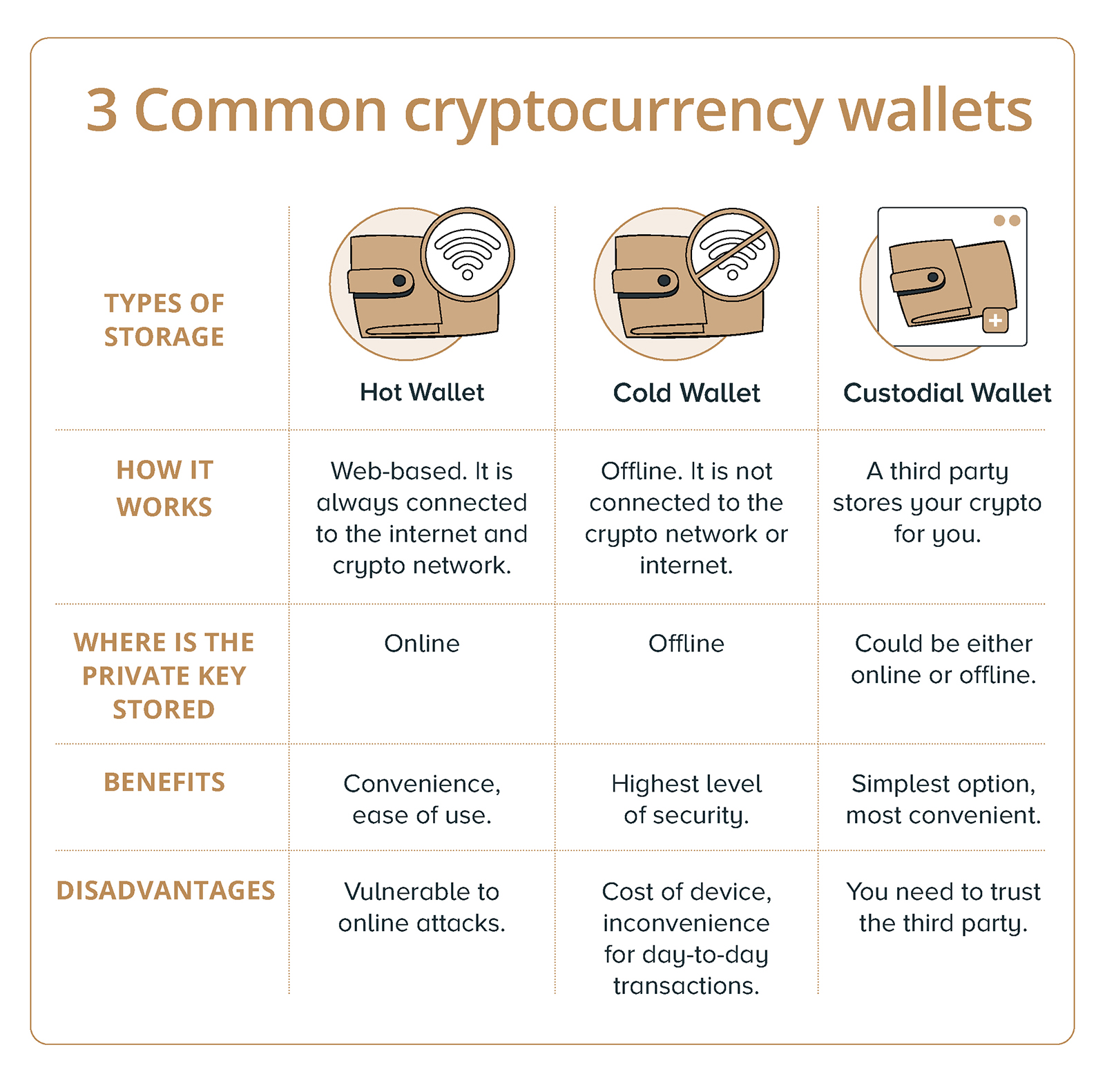
Custodial Wallets
Custodial wallets, managed by a third party, allow users to store and access Bitcoin. These wallets offer convenience but require trust in the custodian’s security measures.
- Pros: Ease of use and potential for security provided by the custodian, though the level of security varies greatly. Many custodial wallets have user-friendly interfaces and excellent support.
- Cons: Loss of control over private keys, potentially increasing vulnerability to hacks or security breaches at the custodian’s end. Risk of custody issues if the custodian experiences financial difficulties or faces legal issues.
Exchange Transfers
Users can transfer Bitcoin from one exchange to another. This method typically involves navigating the respective platforms’ procedures and associated fees.
- Pros: Relatively low risk if the exchanges are reputable. Allows for the conversion of Bitcoin from one platform to another, facilitating portfolio diversification.
- Cons: Potential for delays in transfer processing. Transaction fees may apply. Security depends on the security protocols and measures of the respective exchanges.
Table Comparing Bitcoin Acquisition Methods
| Method |
Pros |
Cons |
| P2P Exchanges |
Potential for better pricing, greater control |
Higher risk of fraud, verification needed |
| Bitcoin ATMs |
Convenience, straightforward |
Higher fees, limited availability, potential fraud |
| Custodial Wallets |
Ease of use, potential security |
Loss of control, risk of custody issues |
| Exchange Transfers |
Relatively low risk (if exchanges are reputable), diversification |
Potential delays, transaction fees, security dependent on exchange |
Concluding Remarks
In conclusion, purchasing Bitcoin through a reliable app requires careful consideration of security, fees, and user experience. By evaluating different options, understanding the regulatory landscape, and following best practices, you can navigate the process with confidence. This comprehensive guide provides the necessary tools to make an informed choice and embark on your Bitcoin journey.
Key Questions Answered
What are the common transaction fees associated with Bitcoin buying apps?
Transaction fees vary significantly depending on the app and the chosen method. Some apps charge a flat fee, while others use a percentage-based system. Exchange rates also play a crucial role in the overall cost of purchasing Bitcoin.
How can I ensure the security of my personal information when using a Bitcoin buying app?
Always choose apps with robust security measures, like two-factor authentication. Verify the app’s reputation through user reviews and avoid unverified or poorly-rated platforms. Never share sensitive information with untrusted entities.
What are some alternative methods for acquiring Bitcoin besides using apps?
Alternatives include purchasing Bitcoin through online exchanges, using a Bitcoin ATM, or engaging in peer-to-peer transactions. Each option comes with its own set of pros and cons, so weigh them carefully before making a decision.
Are there any specific legal considerations when buying Bitcoin using apps in my region?
Yes, regulations regarding Bitcoin vary by jurisdiction. Research the legal framework in your area to understand the implications and ensure compliance with applicable laws.