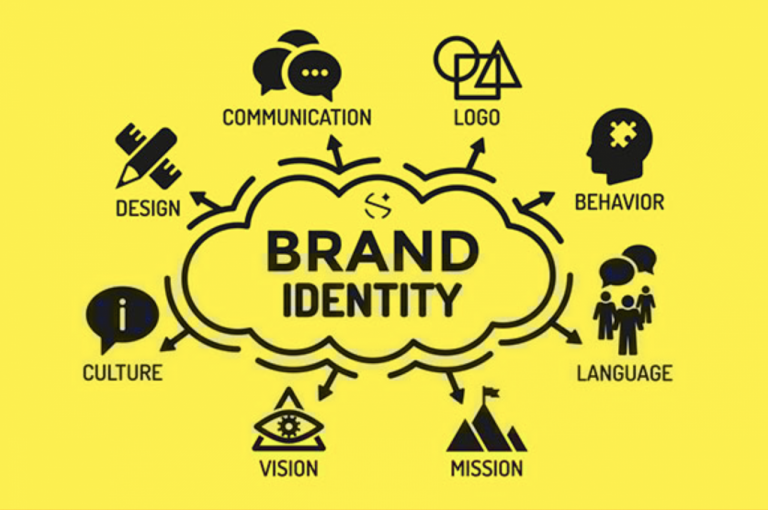
branding zara brings to life a fascinating narrative of how a fashion retailer transformed itself into a global icon. This story is not just about clothes; it’s about creating a distinct identity that resonates with consumers on multiple levels. As we dive into Zara’s branding strategies, we’ll uncover the intricacies that make it a standout in the competitive fashion landscape.
Zara’s approach to branding is a blend of innovation, consumer insight, and sustainability. By focusing on its core values and unique selling propositions, Zara has cultivated a brand identity that reflects its ethos in its store aesthetics and product offerings. This introduction sets the stage for a deeper understanding of how Zara has navigated the challenges and opportunities within the fashion industry.
Branding Fundamentals
Branding is the process of creating a unique identity for a product or company, deeply influencing how consumers perceive it. In the fashion industry, effective branding is crucial as it differentiates one brand from another, builds customer loyalty, and communicates the brand’s values. The significance of branding extends beyond mere recognition; it engages consumers on an emotional level, creating lasting impressions that drive purchasing decisions.Key elements of effective branding include visual identity, brand messaging, and customer experience.
Visual identity encompasses logos, color schemes, and typography, all of which must resonate with the target audience. Brand messaging involves the language and tone used in communications, reflecting the brand’s personality and values. Customer experience is the overall interaction a consumer has with the brand, from browsing and shopping to post-purchase engagement. Together, these elements create a cohesive and appealing brand image that attracts and retains customers.
Key Elements of Effective Branding
The main components of effective branding in the fashion industry significantly impact how brands connect with their customers. Each element plays a vital role in building a strong brand presence.
- Visual Identity: This includes logos, colors, and design elements that represent the brand. A recognizable and appealing visual identity helps consumers easily identify and remember the brand.
- Brand Messaging: The tone and language used in advertising, social media, and other communications should reflect the brand’s personality. Consistency in messaging strengthens the brand’s voice.
- Customer Experience: Every interaction a customer has with the brand, from shopping to customer service, shapes their perception and loyalty. A positive customer experience encourages repeat business.
Major Branding Strategies Utilized by Leading Fashion Retailers
Leading fashion retailers employ various branding strategies to establish their market presence and cultivate consumer loyalty. These strategies are pivotal in maintaining relevance and competitiveness in a fast-paced industry.One prevalent strategy is luxury branding, where brands like Chanel and Gucci create an aura of exclusivity through high-quality products, limited availability, and premium pricing. This approach invokes desires for status and prestige among consumers.Another common strategy is cause marketing, where brands align themselves with social or environmental causes.
For example, Patagonia actively promotes environmental sustainability, creating a strong emotional connection with consumers who value corporate responsibility.Additionally, many fashion brands utilize collaborations and partnerships to broaden their reach and enhance brand image. For instance, the collaboration between Adidas and Kanye West’s Yeezy line has successfully attracted diverse audiences and generated significant buzz.
“Strong branding is about creating a connection that goes beyond the product.”
Zara’s Brand Identity
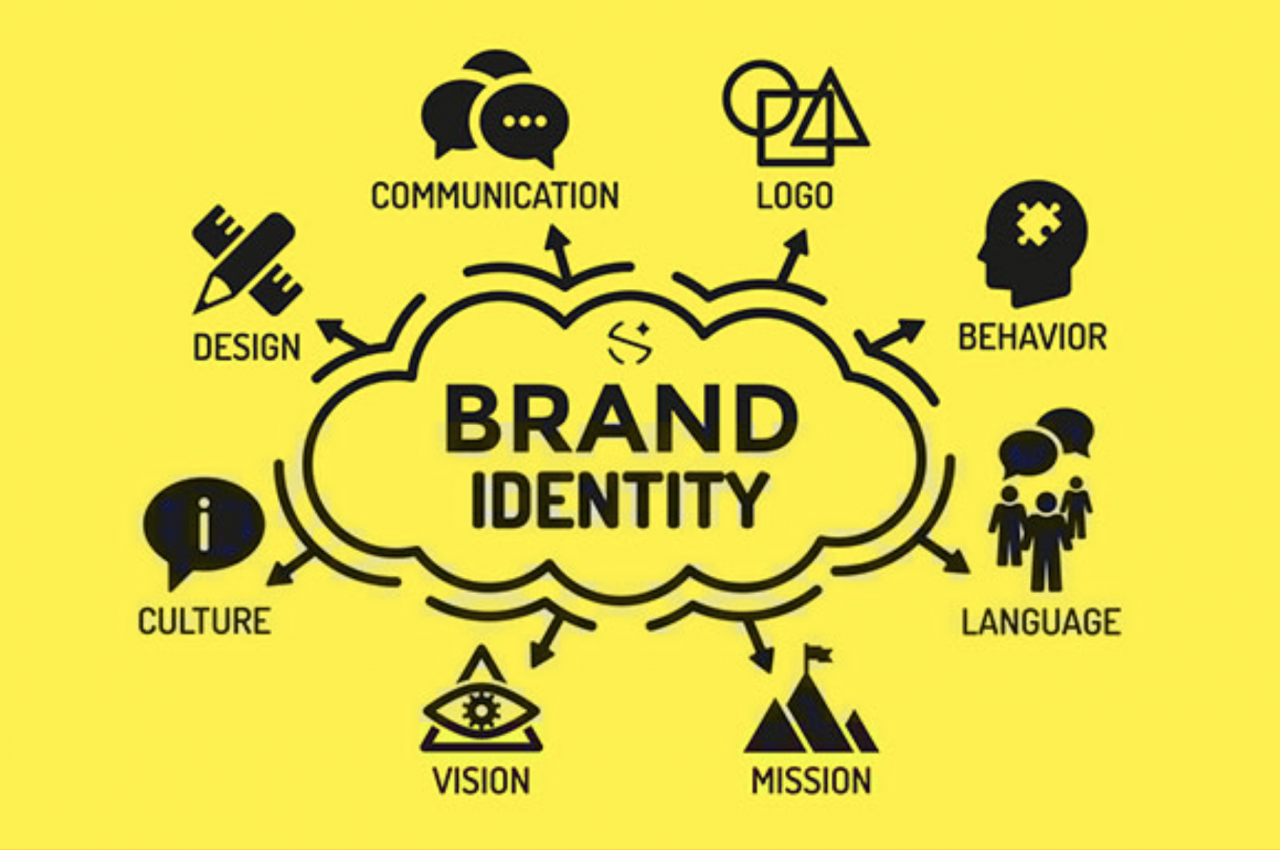
Zara’s brand identity is built on a foundation of core values that reflect its commitment to fast fashion, sustainability, and customer engagement. The brand has carved a niche for itself in the competitive retail landscape through its innovative approach to design and merchandising, appealing to a wide array of consumers seeking both style and affordability.Zara’s unique selling proposition lies in its ability to deliver the latest fashion trends in a timely manner, often within weeks of their emergence on the runway or in high fashion media.
This rapid turnaround is coupled with a commitment to affordability, allowing customers to access contemporary styles without breaking the bank. By leveraging an integrated supply chain and intuitive inventory management, Zara offers a constantly refreshed assortment of products that cater to evolving consumer preferences, distinguishing itself from traditional retailers who often lag in trend responsiveness.
Core Values That Define Zara’s Brand
Zara’s brand is anchored by several core values that guide its operations and resonate with its target audience. These values include:
- Fast Fashion: Zara prioritizes speed in design and distribution, ensuring that customers receive the latest trends as quickly as possible.
- Affordability: The brand maintains competitive pricing, making high-fashion styles accessible to a broader audience.
- Sustainability: In recent years, Zara has made strides towards sustainable fashion, incorporating eco-friendly materials and practices into its production processes.
- Customer-centric Approach: Zara places a strong emphasis on customer feedback and preferences, allowing it to adapt its offerings to meet market demands.
Unique Selling Proposition in Comparison to Competitors
Zara’s approach to the fashion retail industry sets it apart from competitors through its unique selling proposition, which includes:
- Speed to Market: Unlike many traditional retailers that take several months to produce and release new collections, Zara’s design-to-shelf time is remarkably quick, often just two to three weeks.
- Limited Production Runs: By producing limited quantities of each item, Zara creates a sense of urgency among consumers, reducing the likelihood of markdowns and promoting exclusivity.
- In-Store Experience: Zara’s stores are strategically located in high-traffic areas and are designed to provide an inviting shopping experience, reflecting the brand’s trendy and upscale image.
Reflection of Brand Identity in Store Design and Product Offerings
Zara’s brand identity is vividly reflected in both its store design and product offerings, creating a cohesive brand experience. The store layouts are sleek and modern, often featuring minimalist decor that emphasizes the clothing rather than the surroundings. This aligns with Zara’s commitment to contemporary fashion and style.The product offerings frequently change, with new items introduced twice a week, ensuring that the collection remains fresh and relevant.
Store displays are meticulously curated to showcase the latest trends, often arranged thematically to inspire customers and encourage purchases.
Zara’s ability to combine fast fashion with a focus on customer experience is a significant factor in its ongoing success.
In summary, Zara’s brand identity is shaped by its core values of speed, affordability, sustainability, and customer engagement. This identity is further enhanced through innovative store designs and a dynamic product lineup, establishing Zara as a leader in the fast fashion sector.
Marketing Strategies
Zara employs a unique set of marketing strategies that effectively promote its brand while staying true to its identity as a leader in fast fashion. Its approach emphasizes agility, customer engagement, and a strong online presence, which are essential for maintaining competitiveness in the global fashion market. By leveraging various marketing techniques, Zara ensures that it resonates well with its target audience and remains at the forefront of fashion trends.Zara’s marketing techniques are multifaceted, combining traditional advertising with a strong focus on digital and social media platforms.
The brand invests less in traditional advertising channels and more in enhancing the customer experience. This approach allows Zara to create a sense of exclusivity and urgency, encouraging customers to visit stores frequently to see new arrivals.
Social Media Utilization
Zara effectively uses social media platforms such as Instagram, Facebook, and Twitter to connect with its audience and showcase its latest collections. The brand’s social media strategy focuses on visual storytelling, where high-quality images and videos highlight the latest trends and product launches. By curating aesthetically pleasing content that reflects its brand identity, Zara engages its audience and drives traffic to both its online and physical stores.The importance of social media in Zara’s marketing strategy can be seen in the following ways:
- Community Engagement: Zara actively interacts with its followers, responding to comments and sharing user-generated content, which fosters a sense of community among fashion enthusiasts.
- Trend Promotion: The brand uses social media to quickly showcase new collections and limited-edition pieces, creating buzz and anticipation among consumers.
- Influencer Collaborations: Zara collaborates with fashion influencers and bloggers who amplify the brand’s reach and credibility among target demographics.
Successful Advertising Campaigns
Zara has launched several advertising campaigns that effectively highlight its brand image and core values. One notable campaign is the “Zara Woman” initiative, which focuses on empowering women through fashion. The campaign features diverse models and promotes body positivity, aligning with contemporary societal values.Another example is the “Zara’s Sustainable Collection” campaign, which showcases the brand’s commitment to sustainability. By highlighting the use of organic materials and eco-friendly production processes, Zara successfully positions itself as a responsible fashion choice, appealing to environmentally conscious consumers.
“The essence of Zara’s advertising lies in its ability to resonate with consumer emotions while effectively communicating its brand message.”
Overall, Zara’s marketing strategies, particularly its adept use of social media and impactful advertising campaigns, play a crucial role in reinforcing its brand identity and appealing to a diverse customer base.
Consumer Perception
Zara’s brand is not just about clothing; it’s a representation of style, speed, and accessibility that resonates with a significant portion of consumers. The way customers perceive Zara significantly influences their loyalty to the brand. This connection is often forged through the brand’s unique value proposition, its marketing strategies, and the overall shopping experience it provides. Zara’s branding plays a critical role in shaping purchasing decisions among its target demographics.
The brand’s commitment to fast fashion and its ability to quickly adapt to the latest trends foster a perception of immediacy and relevance. This quality not only attracts consumers but also encourages repeat purchases, reinforcing brand loyalty. The company’s strategic pricing, combined with its fashion-forward designs, helps create an aspirational image that appeals particularly to younger consumers.
Influence of Brand Identity on Loyalty
Consumer loyalty towards Zara can be closely linked to the brand identity it projects. Zara is well-known for its ability to deliver high-fashion styles at relatively affordable prices. This identity resonates with fashion-conscious shoppers who seek trendy items without breaking the bank.Key aspects of how Zara influences loyalty include:
- Rapid inventory turnover: Zara’s model of releasing new collections every few weeks keeps customers engaged and coming back for more.
- Perceived exclusivity: Limited stock on popular items creates a sense of urgency, prompting customers to purchase without delay.
- Strong online presence: Zara’s website and social media platforms build a community around the brand, offering a space for customer interaction and engagement.
Customer Feedback and Brand Experience
Customer feedback plays an essential role in understanding Zara’s brand experience. Insights from consumers suggest that their shopping experience significantly impacts their perception of the brand. Positive feedback often emphasizes the quality of the garments, the stylish designs, and the efficient shopping experience both in-store and online.Important themes in customer feedback include:
- Quality and value: Many consumers appreciate Zara’s ability to deliver quality clothing that feels luxurious yet remains affordable.
- Store environment: Customers often report a pleasant shopping atmosphere, highlighting the modern and organized layout of stores.
- Customer service: Feedback indicates that while Zara excels in many areas, there are occasional criticisms regarding in-store customer service, suggesting room for improvement.
Overall, consumer perception of Zara is heavily influenced by the brand’s identity and the experiences it provides, creating a strong foundation for loyalty and consistent purchasing behavior.
Sustainability and Ethical Branding
Sustainability in fashion has become a non-negotiable aspect of branding in today’s market. As consumers increasingly prioritize ethical practices and environmental consciousness, brands like Zara are adapting their strategies to align with these values. Zara, a global leader in fast fashion, recognizes the importance of sustainable branding not just for the planet but also for maintaining a competitive edge and consumer loyalty.Zara’s approach to sustainable branding is characterized by a commitment to reducing environmental impact and promoting ethical practices throughout its supply chain.
The brand has launched several initiatives aimed at improving sustainability, from sourcing materials responsibly to enhancing recycling programs. These efforts are not just corporate responsibility; they resonate with today’s consumers who demand transparency and accountability in their favorite brands.
Initiatives Promoting Ethical Practices
Zara has implemented various initiatives to promote ethical practices within its branding. These initiatives are crucial in establishing trust and loyalty among consumers, who are more aware of the implications of their purchasing decisions. Key initiatives include:
- Commitment to 100% Sustainable Cotton: By 2025, Zara aims to use only organic, recycled, or otherwise sustainably sourced cotton. This commitment reduces the environmental impact of cotton production, which is known for heavy water use and pesticide application.
- Environmental Protection Program: Zara has established a comprehensive program aimed at reducing waste and water usage across its production processes. This includes implementing water-saving technologies and recycling water used in production.
- Use of Recycled Materials: The brand is increasingly incorporating recycled polyester and other materials into its clothing lines, significantly reducing the reliance on virgin resources and minimizing waste.
- Garment Collection Initiatives: Zara has set up in-store collection bins for customers to return used clothing, promoting recycling and circular fashion. This initiative helps reduce textile waste and encourages consumers to think about the lifecycle of their garments.
The impact of sustainability on Zara’s brand reputation is profound. By taking concrete steps towards ethical branding and sustainability, Zara positions itself as a responsible leader in the fast fashion industry. This aligns with the growing consumer expectation for brands to not only offer stylish products but also to be dedicated to preserving the environment and promoting fair labor practices.
The brand’s transparency in its sustainability efforts has enhanced its image and has been instrumental in attracting a conscientious consumer base that values corporate responsibility as much as fashion.
Global Expansion and Adaptation
Zara has established itself as a global fashion leader, leveraging its agile business model to adapt its branding strategy across diverse international markets. This adaptability is essential in catering to the unique cultural, economic, and social dynamics of each region, allowing Zara to maintain its competitive edge while resonating with local consumers.Zara’s branding approach varies considerably depending on the target market.
The company recognizes that fashion is not just about clothing; it’s also about cultural expression. For instance, in markets like the Middle East, Zara has tailored its offerings to respect local customs and preferences, introducing collections that align with modest fashion trends. In contrast, in the vibrant urban centers of Europe and North America, Zara showcases trend-driven apparel that speaks to the fast-paced lifestyle of its consumers.
This regional differentiation illustrates Zara’s commitment to understanding and reflecting the diverse identities of its global audience.
Cultural Branding Variations
The adaptation of Zara’s branding in different cultures is crucial for its global success. The company employs various strategies to ensure its offerings resonate with local consumers:
Local Trends
Zara incorporates local fashion trends into its collections, allowing it to connect deeply with regional tastes. For instance, in East Asia, Zara often features colors and designs that align with seasonal festivals and traditions, enhancing its appeal.
Marketing Communications
The brand modifies its marketing messages to resonate with local languages and cultural references. For example, in Latin America, Zara’s advertising campaigns might focus on family and community, which are central values in these societies.
Store Experience
The design and layout of Zara stores are adapted to fit local shopping habits. In European cities, stores may be more compact, reflecting urban living, while in larger markets like the US, stores often offer more expansive layouts to accommodate diverse shopper behaviors.
Collaborations with Local Designers
In some regions, Zara has collaborated with local designers to create limited-edition collections that reflect indigenous artistry and craftsmanship, further enhancing its cultural relevance.
“Zara’s ability to adapt its branding strategies across borders has been a key driver of its international success.”
Maintaining brand consistency while embracing regional variations presents challenges for Zara. The company must balance its global brand identity with local adaptations to avoid alienating its core customer base. Key challenges include:
Cohesion vs. Customization
Striking the right balance between a unified brand image and localized marketing efforts can be tricky. Over-customization risks diluting Zara’s brand identity, while too much uniformity may fail to appeal to local markets.
Supply Chain Complexity
Adapting to various market demands increases the complexity of Zara’s supply chain. The brand must ensure that it can quickly respond to local trends without compromising its signature fast-fashion model.
Consumer Expectations
As consumers become more aware of global branding practices, their expectations evolve. Maintaining consistent quality and brand values across all markets is crucial to retain customer trust.Zara’s commitment to understanding and adapting to diverse cultural landscapes not only enhances its market presence but also solidifies its reputation as a global fashion icon.
Brand Evolution
Zara, a flagship brand of the Inditex Group, has undergone significant transformations in its branding strategy since its inception in 1974. Initially rooted in a simple, value-oriented approach to fashion, Zara has evolved into a prominent player in the global fashion industry, known for its innovative strategies and ability to adapt to ever-changing consumer demands. This evolution has been shaped by shifts in consumer culture, technological advancements, and the brand’s commitment to sustainability.The evolution of Zara’s branding can be characterized by several key phases, each marked by strategic shifts that responded to the market landscape.
From its early days, Zara’s focus was on providing affordable yet stylish clothing, but over the years, the brand has adopted a more modern and sophisticated identity, integrating aspects such as sustainability and digital engagement into its core strategy.
Significant Changes in Branding Strategy
Zara’s branding strategy has evolved significantly through various phases, each reflecting a response to market demands and industry trends. The following points highlight the most notable changes in Zara’s branding approach:
- Shift to Fast Fashion Model: Initially centered on traditional retail, Zara embraced the fast fashion model in the late 1990s, allowing for rapid design-to-retail cycles, which enabled the brand to respond swiftly to fashion trends.
- Introduction of Limited Collections: Zara adopted the strategy of releasing limited collections to create a sense of urgency among consumers. This not only drove foot traffic to stores but also enhanced the brand’s exclusivity.
- Expansion of Online Presence: With the rise of e-commerce, Zara enhanced its digital platform in the 2010s, integrating online and offline shopping experiences, thus reaching a broader audience.
- Focus on Sustainability: In recent years, Zara has committed to sustainability by introducing eco-friendly collections and setting ambitious goals, such as using 100% sustainable fabrics by 2025, reflecting a growing consumer demand for ethical practices.
- Diverse Marketing Campaigns: Zara has also diversified its marketing strategies to include influencer collaborations and social media campaigns, which have helped the brand engage with younger audiences effectively.
Zara’s ability to adapt and evolve its branding strategy has solidified its position in the market. The brand’s future is likely to be influenced by emerging trends in consumer behavior and technology.
Future Trends Influencing Brand Development
As Zara looks ahead, various future trends will shape its brand development. The following points Artikel potential influences on Zara’s branding strategy:
- Enhanced Digital Integration: The increasing reliance on technology will push Zara to further integrate digital experiences into retail, including augmented reality features and personalized shopping experiences.
- Sustainability as a Core Value: The expectation for brands to adopt eco-friendly practices will continue to rise, prompting Zara to innovate in sustainable materials and transparent supply chain practices.
- Shift Towards Inclusivity: Consumer demand for diversity and inclusivity is likely to influence Zara’s product offerings, marketing campaigns, and overall brand messaging.
- Global Cultural Influences: As fashion becomes more globalized, Zara will need to navigate and incorporate various cultural trends into its collections, ensuring relevance across diverse markets.
- Focus on Well-being and Comfort: The growing emphasis on lifestyle and well-being may lead to an increase in casual and comfortable clothing lines as consumers prioritize comfort in their fashion choices.
Through these future trends, Zara aims to maintain its competitive edge and continue evolving its brand, ensuring it remains at the forefront of the fashion industry while staying true to its core values.
Closure
In conclusion, the journey of branding zara reveals the essence of adaptability and consumer connection in a rapidly changing market. As we’ve explored its marketing techniques, brand identity, and commitment to sustainability, it’s clear that Zara has not only influenced fashion but also set benchmarks for branding excellence. Looking ahead, Zara’s ability to evolve while staying true to its core values will be crucial in shaping its future in the global fashion arena.
FAQs
What are the key elements of Zara’s branding?
Zara’s branding focuses on its unique design, rapid inventory turnover, and commitment to trend responsiveness, creating a strong identity in the fashion world.
How does Zara utilize social media in its branding?
Zara leverages social media platforms to engage with customers, showcase new collections, and create a community around its brand, enhancing customer loyalty.
What sustainability practices does Zara follow?
Zara is committed to sustainable practices through initiatives like the use of eco-friendly materials, waste reduction, and promoting recycling among customers.
How does consumer perception impact Zara’s branding?
Consumer perception plays a critical role in Zara’s branding, influencing loyalty and purchasing decisions, which are shaped by their experiences and feedback.
What challenges does Zara face in global branding?
Zara navigates challenges such as cultural differences, local competition, and maintaining brand consistency across diverse markets while expanding globally.