Exploring crypto company ka reveals a complex and dynamic sector that is redefining financial transactions and investment strategies. From blockchain technology to regulatory frameworks, crypto companies play a pivotal role in the modern economy, offering innovative services that cater to a diverse range of users.
These companies encompass a variety of entities, including exchanges, wallet providers, and blockchain developers, each contributing uniquely to the broader financial ecosystem. As the market evolves, understanding these companies is crucial for anyone interested in the future of finance.
Overview of Crypto Companies
The rise of cryptocurrency has led to the emergence of various crypto companies that operate in different capacities within the financial ecosystem. Crypto companies are businesses that utilize blockchain technology to offer services related to digital currencies, such as trading, investing, and secure transactions. They encompass a wide range of operations, from cryptocurrency exchanges to wallet providers and blockchain technology developers.
Types of Crypto Companies
In the evolving landscape of cryptocurrencies, several types of companies have emerged, each with distinct roles. Understanding these categories is vital for anyone interested in the crypto market.
- Cryptocurrency Exchanges: Platforms that facilitate the buying, selling, and trading of cryptocurrencies. Examples include Binance and Coinbase.
- Wallet Providers: Companies that offer digital wallets for storing cryptocurrencies securely, such as Ledger and Trezor.
- Blockchain Developers: Firms focused on creating blockchain solutions for various applications, enhancing operational efficiency across industries.
- Payment Processors: Services that enable businesses to accept cryptocurrency payments, like BitPay and CoinGate.
- Mining Companies: Organizations that provide the infrastructure and resources for cryptocurrency mining, contributing to network security and transaction processing.
These companies play a significant role in integrating cryptocurrencies into the broader financial ecosystem, promoting innovation and financial inclusivity.
Services Offered by Crypto Companies
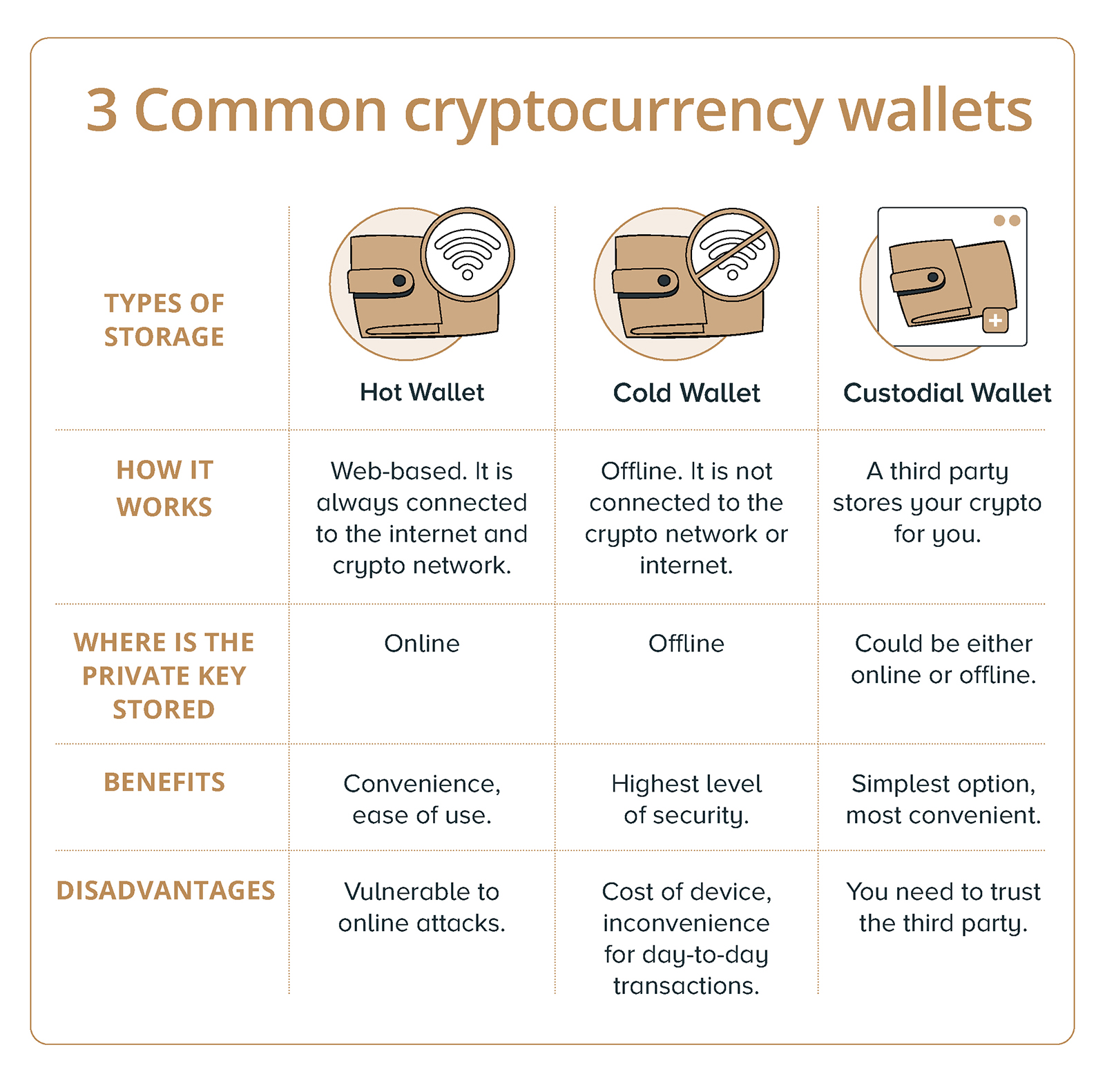
Crypto companies provide a wide array of services that cater to the needs of both individual users and institutional clients. The services offered are essential for fostering a robust crypto economy.
Range of Services
The variety of services provided by crypto companies can significantly influence user experience and adoption rates. Key services include:
- Trading Services: Enabling users to buy or sell cryptocurrencies through exchanges with various trading pairs and market conditions.
- Storage Solutions: Offering secure wallets for safeguarding digital assets, with options such as hardware and software wallets.
- Educational Resources: Providing tutorials, webinars, and articles to help users understand cryptocurrencies and their market dynamics.
- API Services: Allowing third-party developers to integrate crypto functionalities into their applications or platforms.
- Staking and Lending: Opportunities for users to earn passive income by participating in staking programs or lending their cryptocurrencies to others.
Popular Platforms and Security Measures
Several platforms stand out in the crypto industry due to their unique offerings and user-centric features. Security is a paramount consideration for these companies to build trust and protect user assets.
Security measures implemented by crypto companies include two-factor authentication, cold storage for digital assets, and regular security audits to prevent breaches.
Some notable platforms include:
- Coinbase: Known for its user-friendly interface and robust security features.
- Binance: Offers a wide range of cryptocurrencies and advanced trading options.
- Kraken: Renowned for its strong security protocols and regulatory compliance.
- Gemini: Features a highly regulated platform that emphasizes security and compliance.
Regulatory Environment for Crypto Companies
The regulatory landscape for crypto companies varies significantly across different regions, influencing how these entities operate. Understanding this environment is crucial for stakeholders.
Global Legal Framework
Crypto companies must navigate a complex and often fragmented legal framework that evolves rapidly. The regulations can differ widely, impacting operational strategies.
- United States: A mix of federal and state regulations, with agencies like the SEC and CFTC overseeing aspects of cryptocurrency trading and investing.
- European Union: Efforts towards a unified regulatory framework, notably through the Markets in Crypto-Assets (MiCA) proposal.
- Asia: Varies significantly, with countries like Japan adopting a favorable stance while China imposes stringent regulations on crypto activities.
Future Regulatory Changes
As the industry matures, potential future changes in regulations could have far-reaching effects. Ongoing discussions about digital asset taxation, anti-money laundering (AML) laws, and consumer protection regulations are likely to reshape the industry.
Challenges Faced by Crypto Companies
Despite their growth, crypto companies encounter numerous challenges that can hinder their operations. Analyzing these challenges provides insights into the industry’s dynamics.
Common Challenges
Crypto companies face a variety of common challenges, often interconnected and complex. These include:
- Market Volatility: The inherent price volatility of cryptocurrencies can affect trading volumes and user participation.
- Regulatory Uncertainty: Changing laws and regulations can create a challenging environment for compliance and planning.
- Technological Vulnerabilities: The risk of hacking and security breaches remains a significant concern for all crypto companies.
Successful Navigation of Challenges
Many companies have successfully navigated these challenges by implementing innovative solutions and strategic pivots. For example, firms often enhance their security measures, diversify their service offerings, or engage with regulatory bodies to stay compliant.
Market Trends and Innovations in Crypto Companies
The crypto industry continues to evolve, with emerging trends and innovations shaping its future. Staying informed about these developments is critical for stakeholders.
Latest Trends
Several trends are currently shaping the crypto landscape, influencing how companies operate and engage with customers. Key trends include:
- Decentralized Finance (DeFi): The rise of DeFi platforms is transforming traditional financial services by offering decentralized alternatives.
- NFTs (Non-Fungible Tokens): Increasing popularity for digital art and collectibles, creating new revenue streams for crypto companies.
- Institutional Adoption: Growing participation of institutional investors is bringing legitimacy and stability to the market.
Innovative Technologies
Innovative technologies such as smart contracts, layer-2 solutions, and cross-chain interoperability are being adopted to enhance functionality and user experience in the crypto space.
Investment Strategies in Crypto Companies
Investing in crypto companies requires a strategic approach due to the unique characteristics of the market. Understanding different strategies can help investors make informed decisions.
Diverse Investment Strategies
Investors can adopt various strategies when investing in crypto companies, each with its associated risks and rewards:
- Buy-and-Hold: A long-term strategy focused on holding cryptocurrencies for extended periods, capitalizing on potential appreciation.
- Day Trading: Engaging in short-term trading to capitalize on price fluctuations, requiring a keen understanding of market trends.
- Diversification: Spreading investments across multiple crypto assets to mitigate risks associated with individual assets.
Evaluating Crypto Companies
When evaluating the potential of different crypto companies, investors should consider factors such as market position, technology, team expertise, and regulatory compliance to make informed investment decisions.
Future of Crypto Companies
The future of crypto companies holds significant promise, shaped by technological advancements and evolving market dynamics. Predictions suggest a vibrant and transformative landscape ahead.
Predicted Developments

Emerging technologies such as artificial intelligence and machine learning are expected to reshape how crypto companies operate, enhancing their efficiency and customer engagement. Innovations like quantum computing may also impact encryption and security protocols.
Long-term Viability
Expert opinions indicate that as regulatory clarity improves and technology advances, crypto companies may become integral to the global financial system, driving further adoption and innovation.
Case Studies of Successful Crypto Companies
Analyzing successful crypto companies offers valuable lessons for others in the industry. Notable examples illustrate effective strategies and innovative approaches.
In-depth Case Studies
Companies such as Binance and Coinbase have achieved remarkable success through strategic positioning and continuous innovation.
- Binance: Emphasized user experience and a wide array of services, establishing itself as a leading global exchange.
- Coinbase: Focused on regulatory compliance and user education, making it accessible for newcomers to the crypto space.
These case studies highlight the importance of adaptability, user focus, and strategic growth in achieving success within the competitive crypto landscape.
Ultimate Conclusion
In conclusion, the journey through crypto company ka highlights the challenges and opportunities within this burgeoning industry. As technological advancements continue to shape the landscape, staying informed about market trends, regulatory changes, and investment strategies will empower consumers and investors alike to navigate this exciting frontier.
Detailed FAQs
What is a crypto company?
A crypto company is a business that operates in the cryptocurrency sector, providing services such as trading, investing, and blockchain development.
How do crypto companies ensure security?
Crypto companies implement various security measures, including encryption, two-factor authentication, and regular audits to protect user data and assets.
What are the main challenges faced by crypto companies?
Common challenges include regulatory compliance, cybersecurity threats, and technological barriers that can impact operational efficiency.
How can investors evaluate crypto companies?
Investors can evaluate crypto companies by analyzing their business models, market position, regulatory compliance, and technological innovations.
What does the future hold for crypto companies?
The future may involve increased regulatory clarity, technological advancements, and broader adoption of cryptocurrencies in mainstream finance.
